

How Solar Energy and Battery Storage Work Together
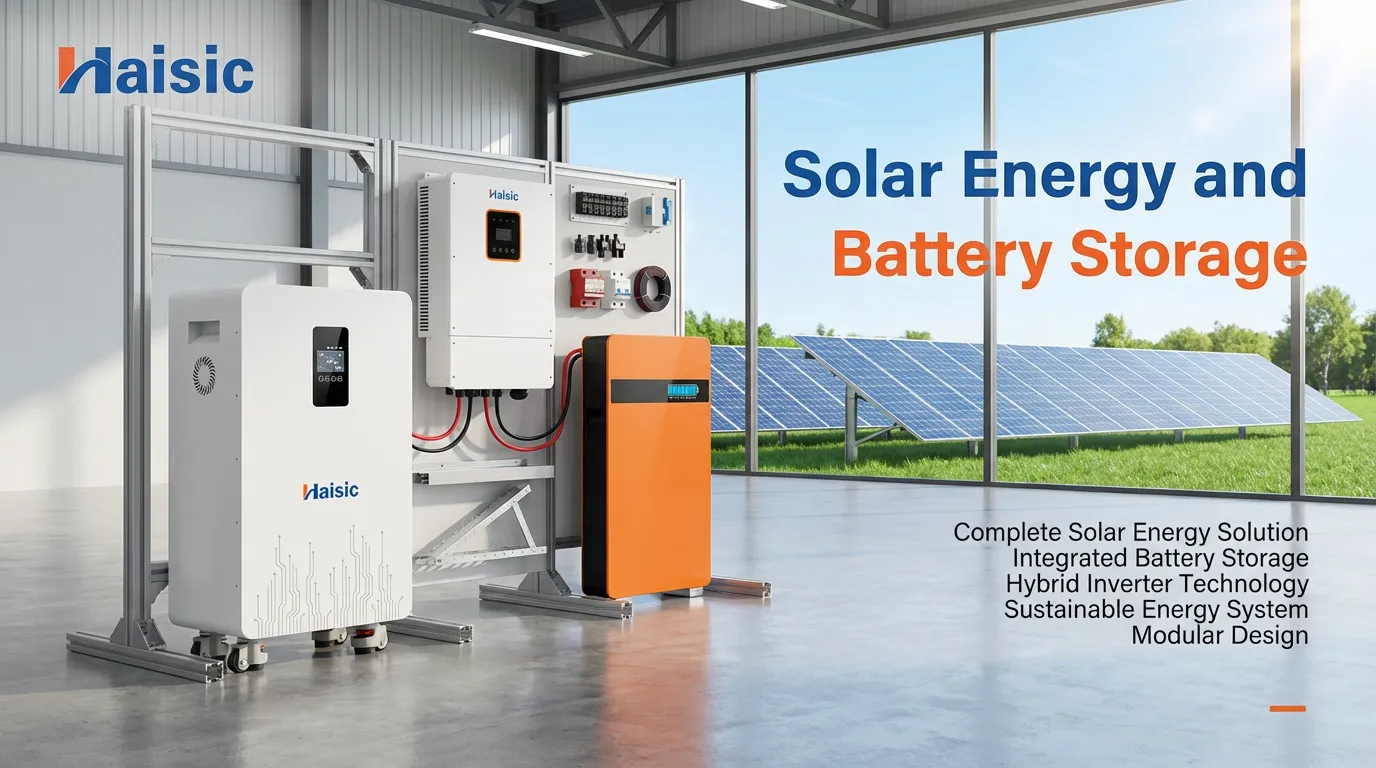
Integrating a solar energy and battery storage system transforms a standard photovoltaic (PV) system from a passive daytime generator into a dynamic, 24/7 energy solution. At Haisic, we engineer our systems to ensure that energy generation and consumption are perfectly synchronized, eliminating the volatility of relying solely on the grid.
The Daytime Cycle: Generation and Storage
During the day, your solar panels capture sunlight and convert it into electricity. This energy flows through the system with a specific priority logic:
- Direct Consumption: The energy is first directed to power your home\’s active appliances (HVAC, lights, refrigeration).
- Battery Charging: Once immediate needs are met, the excess energy is not sent to the grid immediately. Instead, it flows into the battery unit.
- Grid Export: Only when the battery reaches 100% capacity is the remaining surplus exported to the utility grid.
The Nighttime Cycle: Seamless Transition
As solar production drops to zero in the evening, the system automatically shifts modes without interrupting your power supply. The home stops drawing from the panels and begins drawing from the stored energy in the battery. This allows you to run your home on clean, self-generated power throughout the night. The utility grid acts merely as a backup reserve, accessed only if the battery is fully depleted.
Net Metering vs. Self-Consumption
Historically, homeowners relied on Net Metering—selling excess power to the utility and buying it back later. However, with utility buy-back rates decreasing, solar self-consumption is now the economically superior choice.
- Net Metering: You sell power at a low wholesale rate and buy it back at a high retail rate.
- Self-Consumption: You store your own power to use during expensive peak hours, effectively bypassing utility markups.
The Role of the Hybrid Inverter
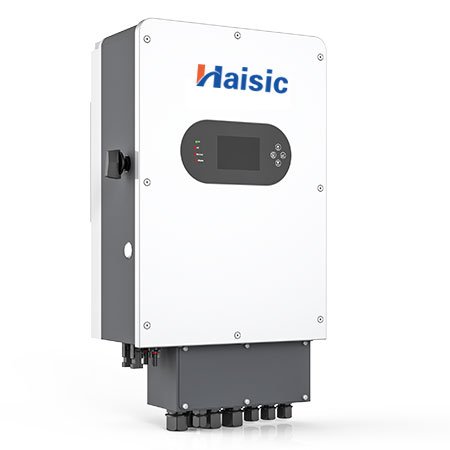
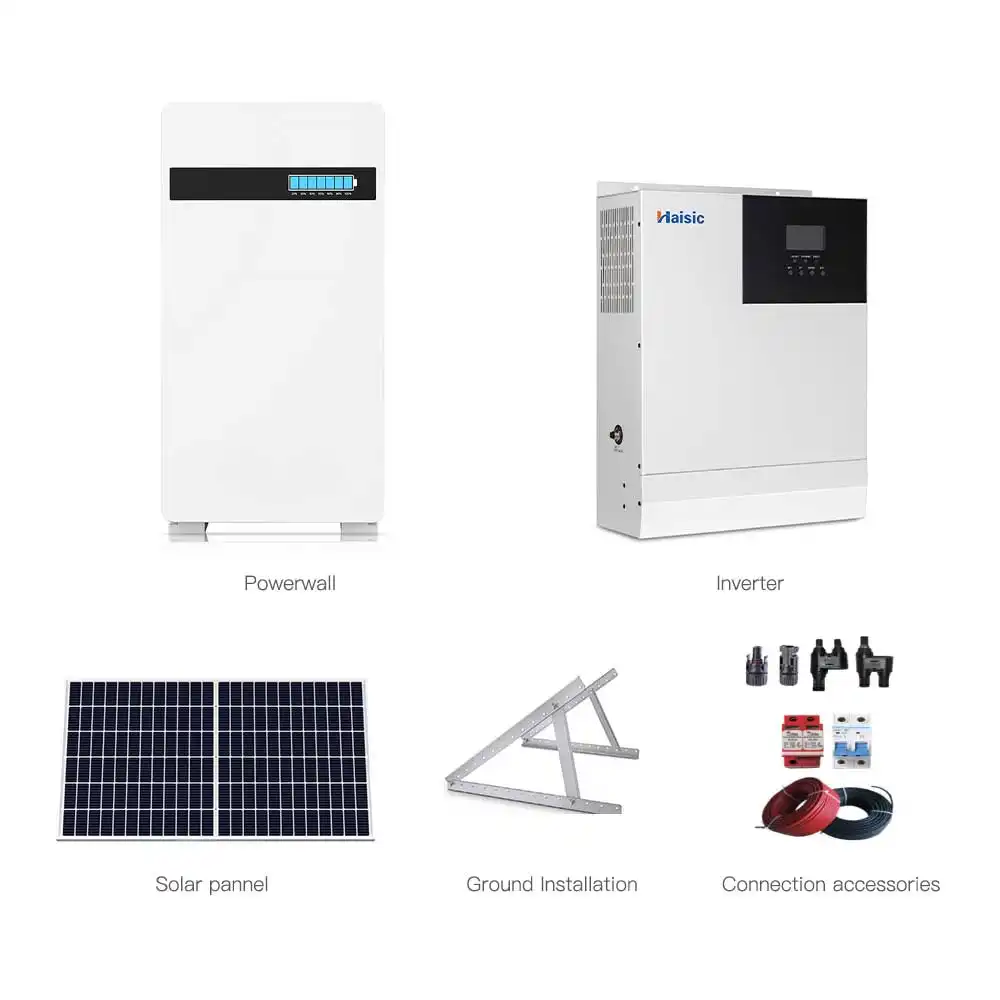
The inverter acts as the brain of the operation, managing the complex flow of electricity between the solar panels, the battery, the home, and the grid. Whether utilizing a central hybrid unit or advanced microinverters, this component handles the critical conversion of DC (Direct Current) from the panels and battery into usable AC (Alternating Current) for your home. It constantly monitors energy production and consumption data to optimize performance, ensuring that your solar energy and battery storage system operates at peak efficiency.
Core Benefits of Adding Battery Storage
When we talk about upgrading a home energy system, combining solar energy and battery storage is the only way to truly unlock the potential of your panels. Without a battery, you are still tethered to the utility grid\’s rules and reliability issues. By integrating storage, we transform a simple generation setup into a resilient energy ecosystem that works for you 24/7.
Energy Security: Creating a Microgrid for Backup Power
The most immediate benefit our customers feel is grid independence. In a standard solar-only setup, if the grid goes down, your panels shut off to protect utility workers. This leaves you in the dark, even if the sun is shining.
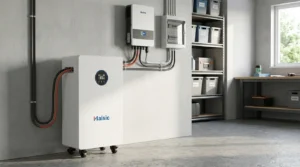
Adding a backup power supply changes this dynamic entirely. The system detects an outage instantly and creates a personal microgrid. This allows you to keep essential appliances running—like refrigerators, lights, and Wi-Fi—without interruption. For those seeking a robust solution, a dedicated solar lithium battery bank ensures your home remains operational during severe weather or unexpected blackouts, providing peace of mind that the grid simply cannot offer.
Financial Optimization: Mastering Peak Shaving and TOU Rates
Beyond security, the economics of storage are compelling, especially in regions with Time-of-Use (TOU) rates. Utility companies often charge significantly higher rates for electricity during \”peak\” hours (usually late afternoon and evening) when demand is highest.
We use a strategy called peak shaving to combat this. Your battery stores cheap solar energy generated during the day and discharges it during these expensive peak windows. This means you avoid buying high-priced grid electricity. When calculating the long-term value, understanding battery storage prices and the subsequent bill savings is crucial for seeing the true return on investment.
How Peak Shaving Saves Money:
| Time of Day | Grid Rate | System Action | Result |
|---|---|---|---|
| Morning/Mid-day | Low (Off-Peak) | Solar powers home + charges battery | Free energy stored |
| Evening (4 PM – 9 PM) | High (Peak) | Battery discharges to power home | Avoid expensive grid fees |
| Night | Low (Off-Peak) | Grid or remaining battery powers home | Minimal cost incurred |
Maximizing Solar Utilization
Without storage, any excess power your panels produce during the day is sent back to the grid. Depending on local net metering policies, you might get pennies on the dollar for that clean energy.
Solar self-consumption is the antidote to this inefficiency. Instead of exporting your power, you store it. This ensures that every kilowatt-hour (kWh) you generate is used by your household, rather than being \”rented\” back to you by the utility company later. This maximizes the utility of your hardware and ensures you are getting the most out of your renewable energy investment.
Technical Deep Dive: What Makes a Good Battery?
When evaluating solar energy and battery storage systems, the specifications on the datasheet matter just as much as the price tag. We don\’t just assemble batteries; we engineer energy solutions that prioritize safety and longevity. Here is the technical breakdown of what separates a reliable system from a liability.
Battery Chemistry: Why We Use Lithium Iron Phosphate (LFP)
Not all lithium batteries are created equal. In the early days, the industry relied heavily on Nickel Manganese Cobalt (NMC) batteries—the same type found in smartphones and electric cars. While energy-dense, they are prone to \”thermal runaway,\” a chemical chain reaction that can cause fires if the battery overheats or is punctured.
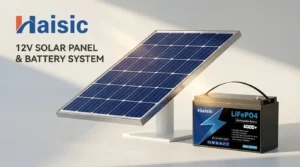
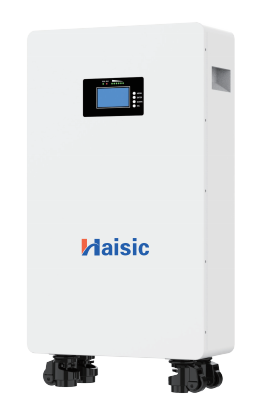
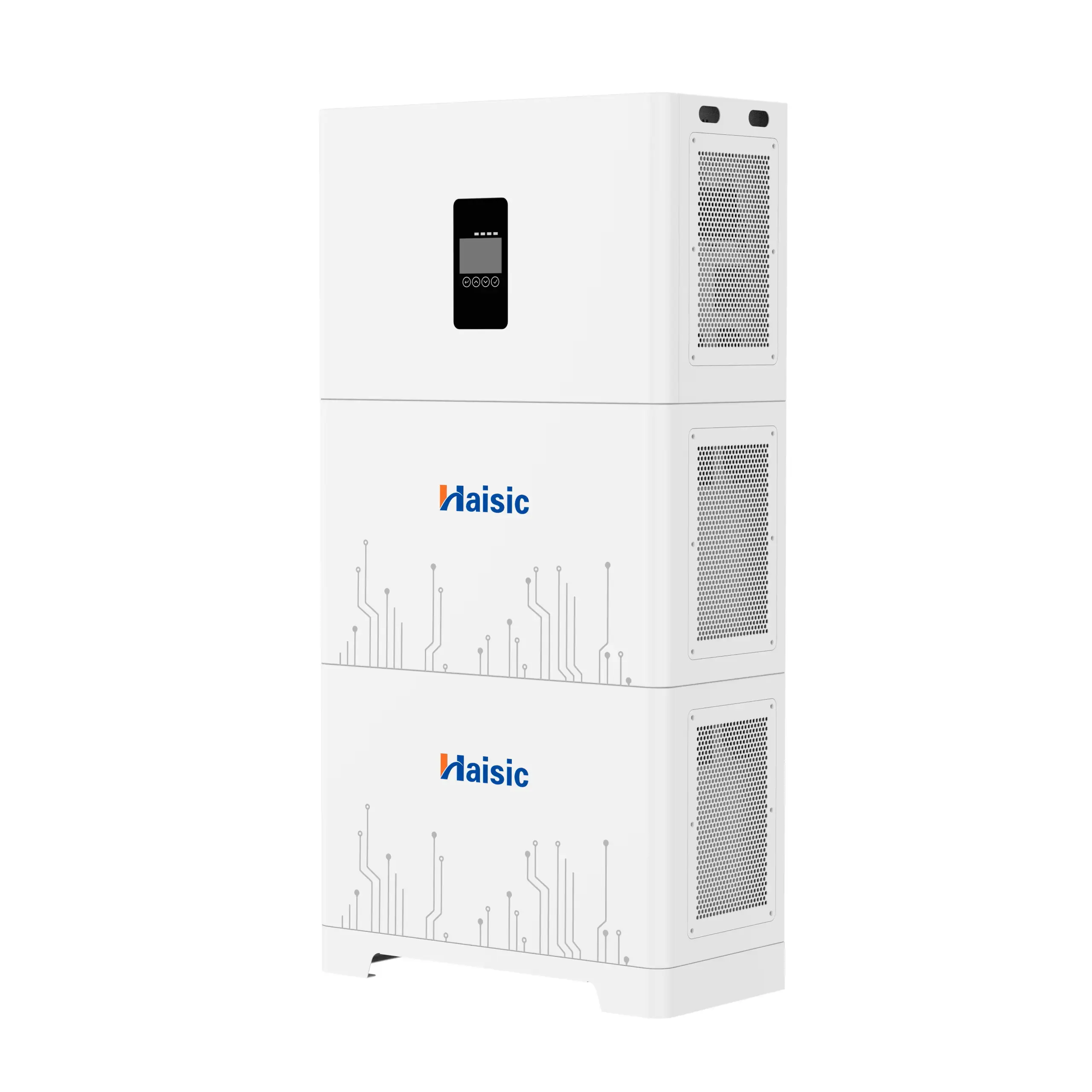
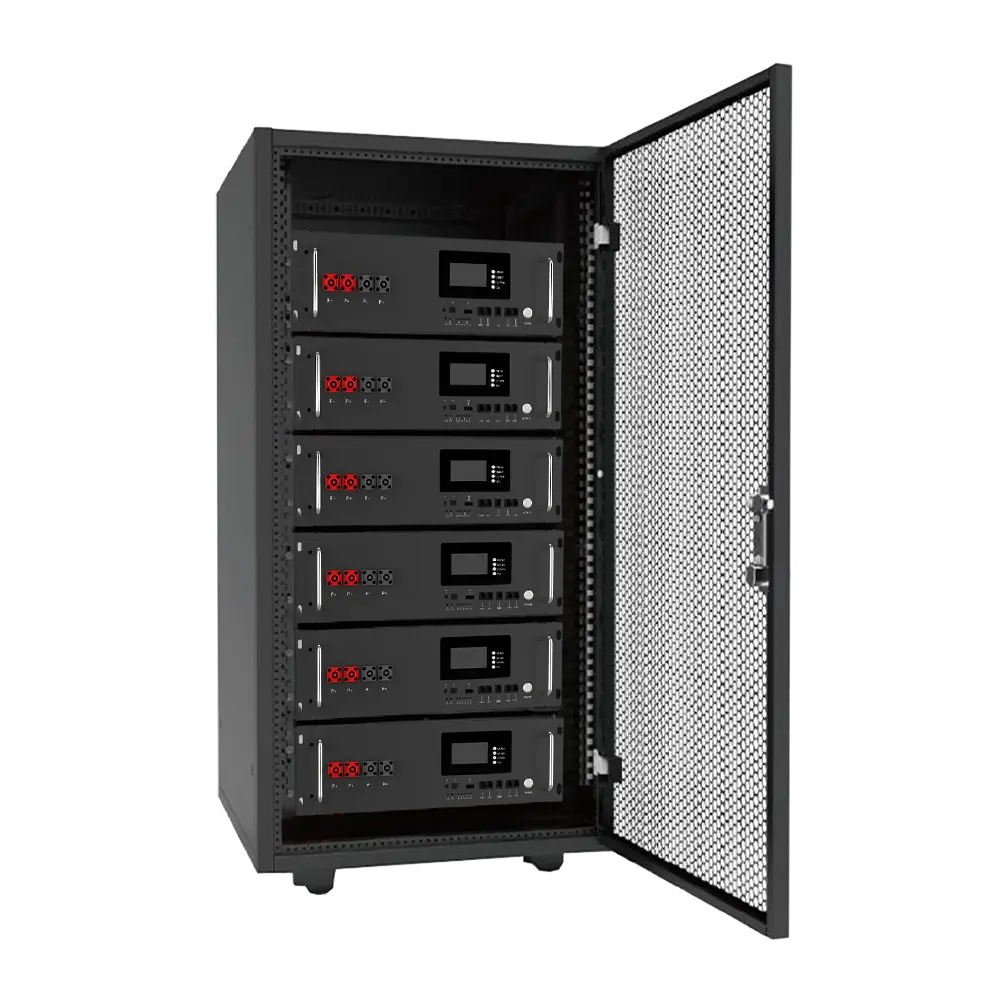
At Haisic, we exclusively use Lithium Iron Phosphate (LFP) chemistry. LFP is inherently stable and does not contain cobalt. This chemistry significantly reduces the risk of fire and can withstand higher temperatures without degrading. Furthermore, LFP batteries offer a longer cycle life, often lasting twice as long as their NMC counterparts. For homeowners looking for a robust solution, our Haisic 128V 280Ah LiFePO4 battery pack provides the thermal stability and cycle durability required for daily home energy management.
Understanding Depth of Discharge (DoD) and Usable Capacity
A battery\’s \”total capacity\” is rarely what you actually get to use. Depth of Discharge (DoD) refers to the percentage of the battery that has been discharged relative to its total capacity.
- Lead-acid batteries: Typically have a DoD of 50%. If you drain them below half, you damage them.
- LFP batteries: Offer a DoD of 90% to 100%.
This means a 10 kWh LFP battery gives you nearly 10 kWh of usable power, whereas a lead-acid setup would need to be 20 kWh to provide the same amount of energy. We design our systems to maximize usable capacity so you aren\’t paying for storage space you can\’t access.
AC-Coupled vs. DC-Coupled Systems
The architecture of your solar energy and battery storage system determines how efficiently it captures and converts power. The choice between AC and DC coupling depends largely on your current setup.
| Feature | AC-Coupled System | DC-Coupled System |
|---|---|---|
| Best Application | Retrofitting: Adding storage to homes with existing solar panels. | New Installs: Installing solar and battery at the same time. |
| Installation | Easier. It connects to the main panel without rewiring the solar inverter. | More complex. Requires replacing the existing inverter or complex wiring. |
| Efficiency | Slightly lower (Power converts DC→AC→DC→AC). | Higher (Power converts DC→DC→AC). |
| Flexibility | High. Works with almost any existing solar inverter brand. | Low. Usually proprietary to specific hybrid inverters. |
For most homeowners adding batteries to an existing array, AC-coupling is the standard because it allows for seamless integration without ripping out functional equipment.
Scalability and Modularity
Energy needs change over time. You might buy an electric vehicle (EV) or add a heat pump next year. A rigid system that cannot expand is a bad investment.
We advocate for a modular design. This allows you to start with a smaller kilowatt-hour (kWh) capacity—perhaps just enough to cover essential loads like lights and refrigeration during a blackout—and expand later. A modular system lets you stack battery units to increase capacity from a starter 5kWh unit up to 20kWh or more for whole-home backup. This \”grow as you go\” approach lowers the barrier to entry and ensures your storage system evolves with your lifestyle.
The Economics of Solar Plus Storage
When we talk about upgrading a home with solar energy and battery storage, the conversation inevitably turns to the bottom line. I always advise customers to view this not merely as a purchase, but as a long-term infrastructure investment for their property. While the upfront commitment involves the cost of the battery units, professional installation, and necessary electrical integration, the true value is found in energy independence and long-term control over utility expenses. Understanding the detailed breakdown of the cost of solar battery storage is the first step toward seeing the bigger financial picture.
Calculating Real Return on Investment (ROI)
The financial return goes beyond simply lowering a monthly statement; it requires strategic energy management. Many utility companies now utilize Time-of-Use (TOU) rates, where electricity prices spike during high-demand evening hours. A smart storage system turns this into an advantage:
- Arbitrage: The battery charges using free solar power during the day or cheap grid power at night.
- Peak Shaving: The system automatically discharges stored energy during peak hours when grid rates are highest.
- Self-Consumption: Instead of sending excess solar back to the grid for pennies, you store it to power your home later, maximizing the value of every kilowatt-hour produced.
Federal Investment Tax Credits (ITC) and Incentives
One of the strongest arguments for installing solar energy and battery storage right now is the Federal Investment Tax Credit (ITC). Qualified homeowners can claim a tax credit covering 30% of the cost of their installed battery storage technology. This incentive significantly reduces the net cost of the system. Crucially, this credit applies to standalone battery storage technology with a capacity of 3 kWh or more, meaning you can benefit even if you are retrofitting a battery to an existing solar array. Always check for additional local rebates, as many regions offer extra incentives for grid-supportive equipment.
How to Choose the Right Manufacturer
Selecting the right partner for your solar energy and battery storage system is just as critical as the hardware itself. You are not just buying a battery; you are investing in a long-term energy infrastructure for your home. Here is what you need to prioritize to ensure safety and reliability.
Checking for UL Safety Certifications
Safety is non-negotiable. When evaluating options, you must verify that the equipment meets strict industry standards. Look specifically for UL 9540 and UL 9540A certifications. These standards indicate that the system has undergone rigorous testing against fire hazards and thermal runaway protection. A battery installed in your home or garage must be fail-safe, operating reliably without posing a risk to your property.
Evaluating Warranty Terms and Support
A warranty is a manufacturer\’s promise of longevity. Avoid generic resellers who might not be around in five years. Instead, look for:
- Direct Manufacturer Support: Access to the people who actually built the unit.
- Capacity Retention Guarantees: Assurance that the battery will hold a specific charge after years of use.
- Cycle Life Coverage: Protection based on how often you charge and discharge the unit.
The Importance of Smart Management
Hardware is only half the equation. The \”brain\” of your setup is the Energy Management System (EMS). A robust domestic battery energy storage system relies on intelligent software to automatically manage energy flow. This software should handle Time-of-Use (TOU) rates for you, discharging stored power when grid prices are high and charging when they are low, all controllable via a user-friendly app.
The Haisic Advantage: Factory-Direct Quality
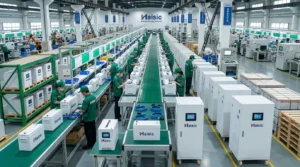
At Haisic, we prioritize Lithium Iron Phosphate (LFP) chemistry because it is chemically more stable and offers a longer lifespan than cobalt-based alternatives. By focusing on factory-direct distribution, we ensure strict quality control and better value. Our BESS new solutions are designed to deliver consistent, safe power, ensuring your transition to energy independence is seamless and secure.
Frequently Asked Questions About Solar Storage
Can I add a battery to my existing solar panel system?
Absolutely. This is one of the most common upgrades for homeowners who already have a photovoltaic (PV) system. We typically utilize AC-coupled technology for these scenarios because it allows us to install a retrofit solar battery without disrupting or rewiring your existing solar inverter setup. You can easily expand your current renewable energy ecosystem to include storage, allowing you to capture the excess power you are currently sending back to the grid.
How long can a battery run my house during a blackout?
The duration depends entirely on the kilowatt-hour (kWh) capacity of your battery bank and how much power your appliances consume. A smaller system might keep your lights, refrigerator, and Wi-Fi running for several hours, while a larger, multi-unit setup can sustain a whole home—including heavy loads like air conditioners—for days if paired with solar recharging. Because our systems are modular, you can size your LiFePO4 battery solar system to cover just your essential loads or scale up for total energy independence.
Is LFP chemistry really safer than other lithium batteries?
Yes, and safety is the primary reason we choose Lithium Iron Phosphate (LFP) over other types like NMC (Nickel Manganese Cobalt). LFP chemistry is inherently stable and operates at lower temperatures, which significantly reduces the risk of fire. It provides superior thermal runaway protection, meaning the battery is far less likely to overheat or ignite even under puncture or stress conditions. For residential solar energy and battery storage, LFP is the gold standard for peace of mind.
What maintenance does a solar battery storage system require?
Modern storage systems are designed to be virtually maintenance-free. Unlike gas generators that require fuel, oil changes, and regular testing, a solid-state battery has no moving parts. We utilize passive cooling designs that eliminate the need for cooling fans, which are often points of failure in other systems. Once installed, your main interaction with the system will be monitoring its performance and state of charge through the mobile app.