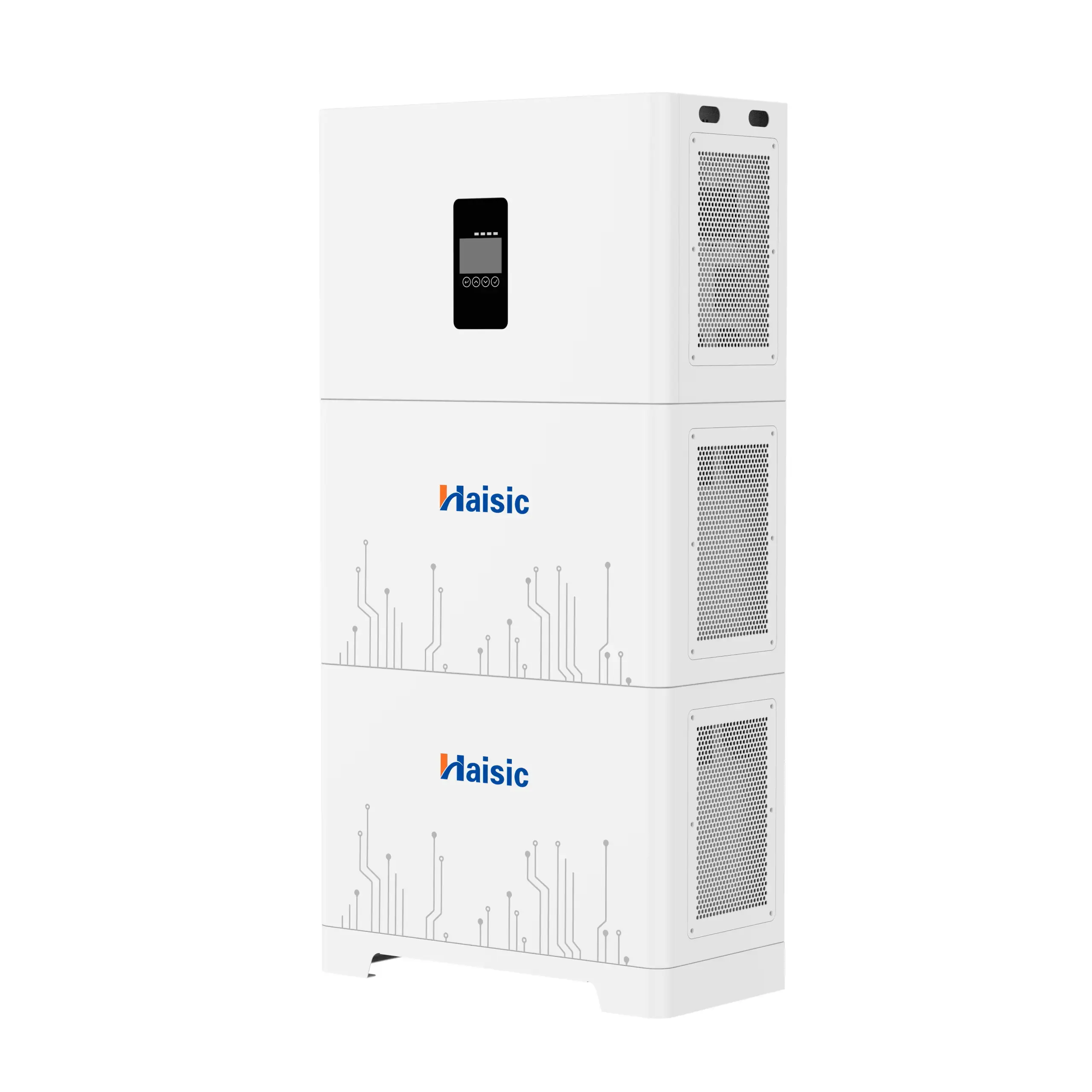
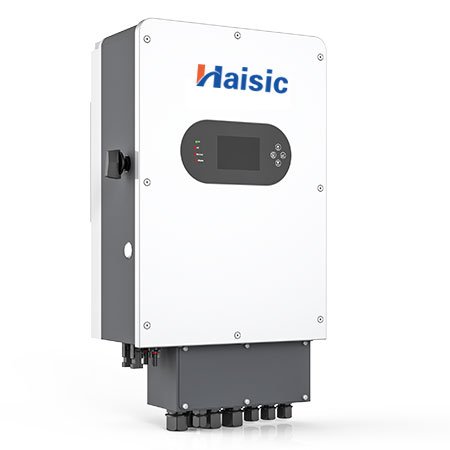
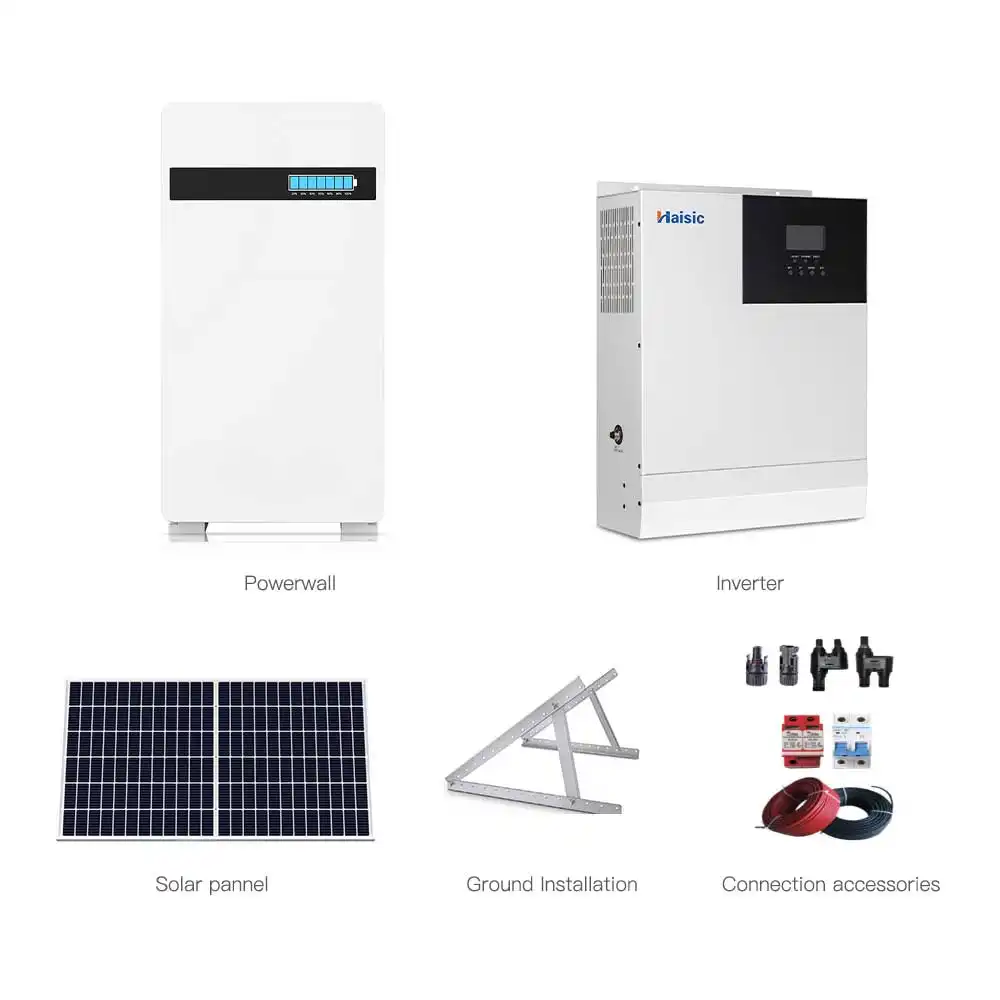
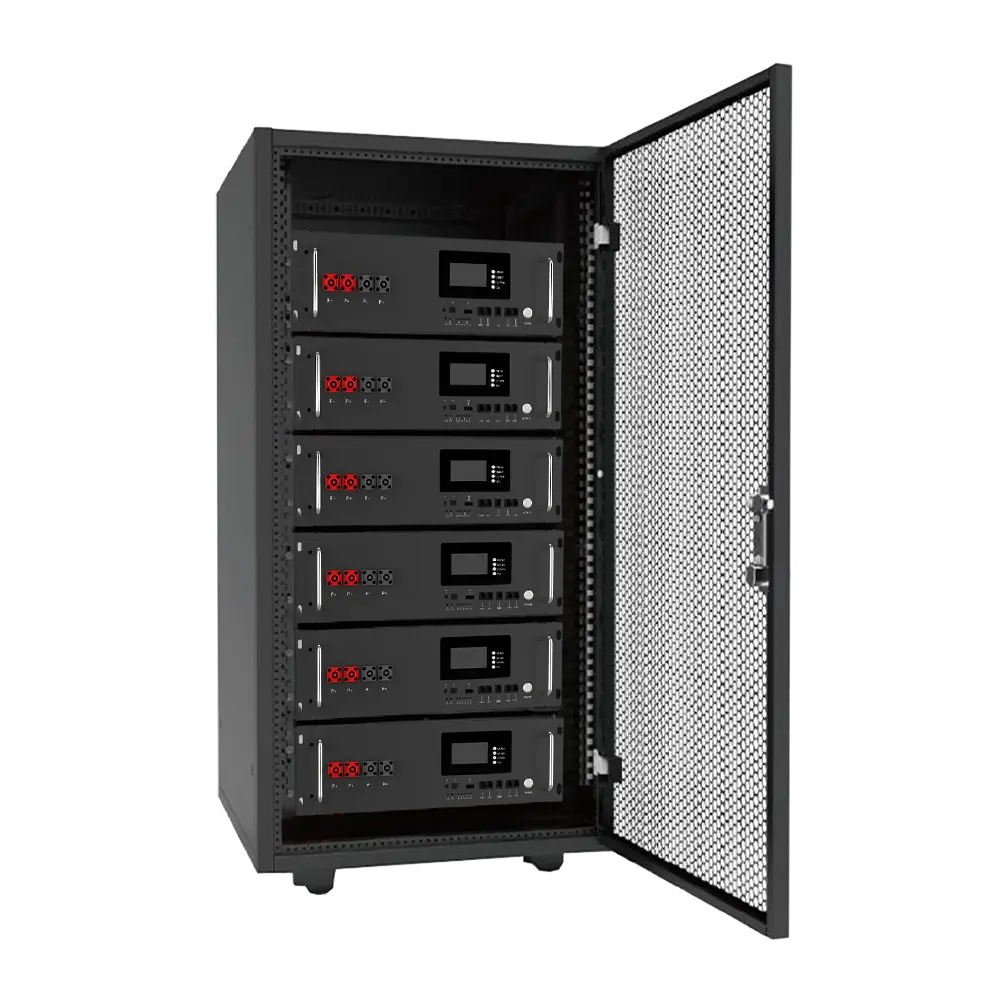

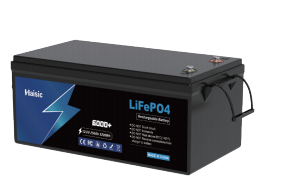

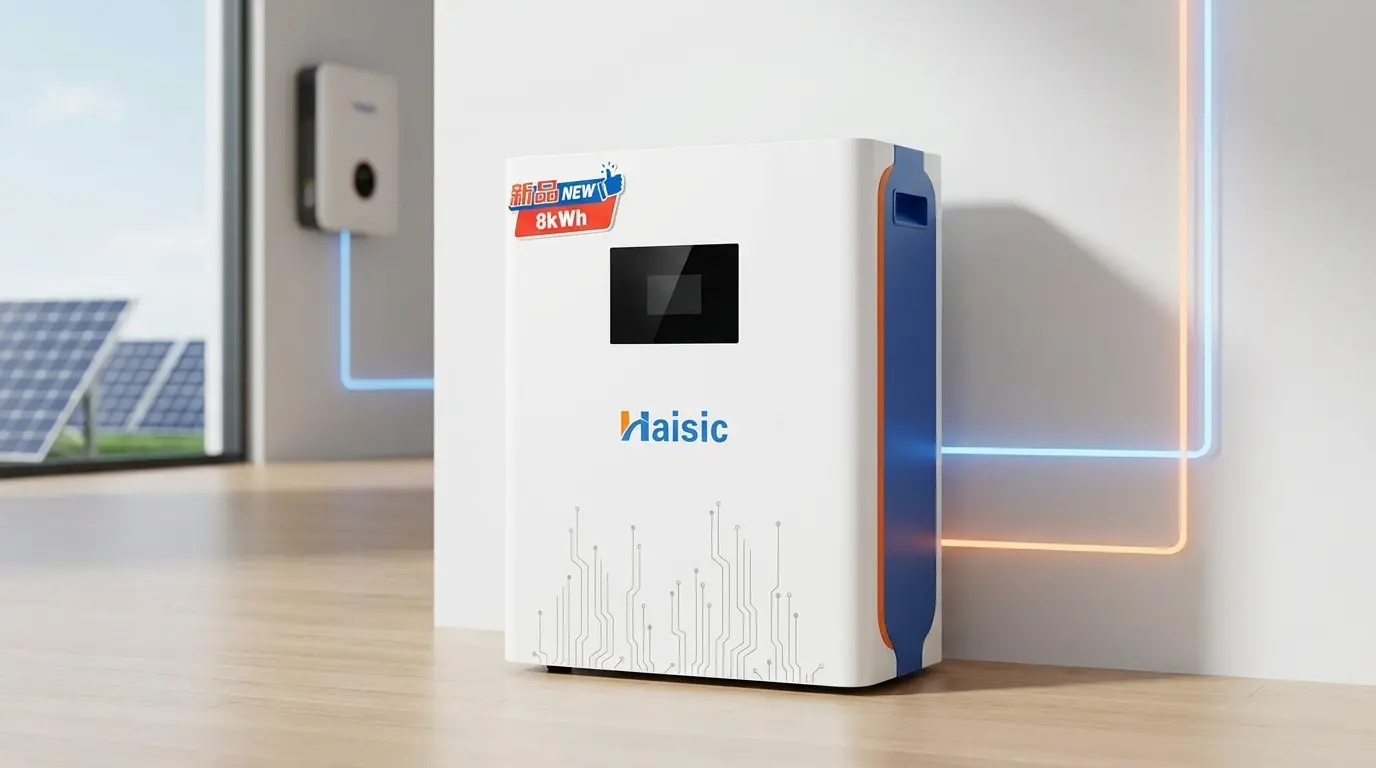
What is a Solar Battery Bank for Home?
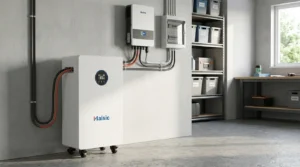
A solar battery bank for home is the backbone of a reliable home energy storage system. The concept is straightforward: your solar panels generate the most electricity during the middle of the day, often when your household usage is at its lowest. Instead of sending that valuable energy back to the grid, a battery bank captures and stores that excess daytime generation. When the sun goes down, your house automatically pulls from that stored energy to keep everything running.
Why You Need a Battery Bank for Home Solar
Finding the best solar battery bank for home is about taking control of your power and protecting your bottom line. Relying solely on the grid leaves you vulnerable to rate hikes and power failures. Here are the core reasons to adopt solar storage:
- Time-of-Use Peak Shaving: Utility companies charge premium rates during high-demand evening hours. By running your home on battery power during these windows, you bypass peak grid pricing entirely.
- Instant Blackout Protection: Grid instability is a reality. A solid whole house battery backup delivers a seamless, instantaneous transition during grid failures, keeping your lights on and food cold without a second of downtime.
- Maximizing Solar Investment: Net metering programs are paying less for exported power. Prioritizing self-consumption over selling energy back to the grid at lower rates ensures you get the full financial return out of every kilowatt-hour your panels produce.
Battery Chemistry Decoded: Why LiFePO4 is the Undisputed Standard
When setting up a solar battery bank for home, the chemistry inside the box matters more than anything else. While older lead-acid batteries are heavy and require maintenance, and standard lithium-ion (NMC) cells are fine for small electronics, both fall short for heavy-duty residential demands. Today, the lithium iron phosphate battery bank (LiFePO4 or LFP) is the clear industry standard.
Understanding how domestic energy storage batteries work in the home starts with knowing exactly why LFP dominates the market in safety and performance:
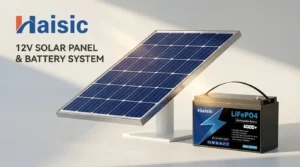
- Thermal Stability & Safety: Unlike traditional NMC batteries, a LiFePO4 solar battery is inherently chemically stable. It completely eliminates the risk of thermal runaway (overheating and fire hazards). Plus, it is manufactured cleanly without toxic heavy metals like cobalt.
- Cycle Life & Longevity: A premium 6000 cycle solar battery means you can fully charge and discharge your system every single day for 10 to 15+ years. This massive lifespan easily outpaces legacy batteries, guaranteeing your long-term investment.
- Depth of Discharge (DoD): Older battery technologies forced you to leave 50% of your power untouched just to avoid ruining the cells. LFP technology changes the rules, allowing for up to a 90% to 100% Depth of Discharge. You get to use the actual capacity you paid for without degrading the battery bank.
Sizing Your Solar Battery Bank for Home: How Many kWh Do You Actually Need?
Finding the right capacity for your solar battery bank for home comes down to one specific question: what do you actually need to keep running when the grid goes dark?
Essential Load vs. Whole House Battery Backup
- Essential Load Backup: This setup targets only your critical circuits. We are talking about keeping the refrigerator cold, a few key lights on, powering your Wi-Fi router, and maybe running a well pump. Typically, a solar battery capacity kWh rating of 5kWh to 10kWh handles these basics perfectly.
- Whole-Home Backup: If you want to run heavy hitters like your air conditioning, electric oven, or EV charger during an outage without skipping a beat, you are looking at a true whole house battery backup setup. This requires a much larger energy footprint, often demanding 20kWh to 30kWh or more to sustain your normal lifestyle.
The Math Made Simple
Figuring out the exact size for your battery bank for home solar doesn\’t require an engineering degree. Here is the easiest way to estimate your daily usage:
- Check your bill: Grab your most recent electricity bill and find your total monthly usage (for example, 900 kWh).
- Find the daily average: Divide that number by 30 days (900 / 30 = 30 kWh per day).
- Determine your coverage: Decide how much of that daily usage you want your battery to handle. If you only need to cover evening hours and bypass peak grid rates, a 10kWh to 15kWh system might be all you need.
The Power of Scalability
You do not have to buy a massive system on day one. We always advise homeowners to choose a modular, expandable setup. By investing in stackable solar batteries or a parallel-capable lithium battery storage system, you give yourself the freedom to start small. You can install a base capacity for essential backup right now, and seamlessly add more battery modules down the line as your energy demands grow or your budget allows. This kind of flexibility is exactly what defines the best solar battery bank for home use—it scales naturally alongside your life.
Solar Battery vs Generator
When preparing your home for unexpected outages, deciding between a traditional gas generator and a solar battery bank for home is a critical step. While generators have been the standard for decades, modern energy storage has completely changed the game.
Here is how the two options stack up:
| Feature | Solar Battery Bank | Traditional Gas Generator |
|---|---|---|
| Fuel Cost | Free (Powered by the sun) | High (Requires constant gas/diesel purchases) |
| Maintenance | Zero maintenance | High (Needs regular oil changes and testing) |
| Noise Level | Completely silent | Loud and highly disruptive to neighbors |
| Carbon Footprint | Zero emissions | High carbon and toxic exhaust emissions |
| Switchover Time | Instantaneous (Seamless) | Delayed (Takes seconds to minutes to boot up) |
The Verdict: Clean, Instant Power
The choice is clear. A gas generator requires constant refueling, noisy operation, and routine upkeep just to sit in your yard waiting for an emergency.
On the other hand, upgrading to a modern home energy storage system provides a clean, completely maintenance-free solution. A home solar battery bank offers an instantaneous switchover during blackouts, ensuring your lights, Wi-Fi, and refrigerators never skip a beat. It is the ultimate, reliable solar power backup for outages—giving you absolute peace of mind without the hassle, noise, or danger of storing flammable fuel.
The Brains Behind Your Solar Battery Bank for Home
You can\’t just plug solar panels straight into raw lithium cells. A battery management system (BMS) acts as the vital control center behind any reliable home energy storage system. In a residential setup, the BMS continuously monitors every single cell inside your battery bank for home solar, ensuring power flows safely and efficiently from your panels to your household appliances.
Without a smart BMS, the long-term cost of solar battery storage would skyrocket due to premature battery failures and replacements. A high-quality BMS is absolutely non-negotiable when searching for the best solar battery bank for home. It works silently in the background, actively managing these critical safeguards:
- Overcharge Protection: Automatically stops incoming solar power the second the battery hits 100%, preventing cell stress and dangerous swelling.
- Over-discharge Protection: Cuts off the power supply right before the battery drains completely dead, saving the lithium cells from permanent damage.
- Temperature Regulation: Constantly monitors internal heat and cold, safely pausing operations if environmental conditions ever reach extreme, unsafe levels.
- Automatic Cell Balancing: Ensures all internal cells charge and discharge completely evenly. This maximizes your available solar battery capacity kWh and significantly extends the lifespan of your off-grid solar storage.
Evaluating ROI and Total Cost of Ownership
Investing in a solar battery bank for home is a smart financial decision, but you have to look past the initial price tag. The true value of a home energy storage system lies in its long-term payoff and low total cost of ownership.
Here is how the numbers work in your favor:
- Upfront Costs vs. Long-Term Savings: While purchasing the hardware requires an initial investment, the daily savings add up fast. By storing your own solar power, you actively avoid high time-of-use (TOU) peak charges from your utility company. You simply run your house on stored power when grid prices spike.
- The Power of a 10-Year Warranty: A strong warranty directly protects your ROI. When you choose a premium LiFePO4 solar battery backed by a solid 10-year warranty, you lock in a decade of reliable, maintenance-free performance without worrying about unexpected replacement costs.
- Tax Credits and Local Incentives: Do not leave money on the table. Many governments offer significant tax credits and rebates for installing a battery bank for home solar. I always advise buyers to research local incentives, as these programs can drastically reduce your upfront costs and speed up your payback period.
What to Look for in a Solar Battery Manufacturer
When investing in a solar battery bank for home, the source of your equipment is just as critical as the technical specifications. Choosing the right partner determines the long-term reliability and safety of your energy system.
Direct-from-Manufacturer Advantages
Working directly with a manufacturer offers distinct benefits over buying from third-party resellers. First, it ensures better pricing by removing middleman markups. More importantly, it guarantees direct accountability. When you source from the factory, you gain access to the engineering team that actually built the product, ensuring faster support and stricter quality control. A reliable residential solar battery supplier will always prioritize transparency regarding their production capabilities and component sourcing.
Why Choose Haisic?
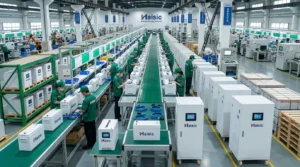
At Haisic, we have established ourselves as a leader in the energy storage industry since 2011. Our 11,000m² production base allows us to maintain rigorous control over every aspect of the manufacturing process. We don\’t just assemble parts; we engineer complete solutions designed for stability and longevity.
- Premium LiFePO4 Technology: We use high-grade Lithium Iron Phosphate cells engineered for over 6,000 charge cycles, ensuring your system lasts for more than a decade.
- Intelligent BMS: Every battery bank for home solar we ship features an advanced Battery Management System. This smart tech actively balances cells and protects against overcharging, deep discharging, and temperature extremes.
- Certified Safety: Our facility operates under ISO9001, ISO14001, and ISO45001 standards. Our products hold global certifications including CE, FCC, RoHS, MSDS, and UN38.3, giving you peace of mind regarding safety compliance.
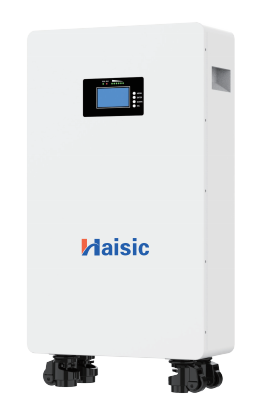
- Scalable Solutions: Whether you are a homeowner looking for a simple wall-mounted unit or a distributor needing high-voltage rack systems, our R&D team—with over 15 years of experience—delivers custom power solutions that fit your specific needs.
We are committed to providing the best solar battery bank for home applications, supporting both individual homeowners seeking energy independence and global distributors looking for a trusted OEM/ODM partner.
FAQs About the Best Solar Battery Bank for Home
Can I run my whole house on a solar battery?
Yes, but it takes careful planning. To achieve a true whole house battery backup, you need a system large enough to handle heavy loads like HVAC units and electric stoves. Most people start by backing up essential loads to keep costs manageable, but by using stackable solar batteries, you can easily scale your capacity to eventually run the entire property off-grid.
How long does a 10kWh battery last during an outage?
A standard 10kW storage battery typically keeps essential household items running for 10 to 12 hours. This comfortably covers a refrigerator, LED lights, a Wi-Fi router, and charging a few devices. If you try to run heavy appliances like space heaters or air conditioners, this time drops fast. Careful load management is the secret to maximizing your solar power backup for outages.
Can I add a solar battery to an existing solar panel system?
Absolutely. You can retrofit a battery bank for home solar onto almost any existing roof array. Depending on the equipment you already own, we can either install an AC-coupled battery system alongside it or upgrade you to a modern hybrid solar inverter and battery setup. It is a simple, direct upgrade to boost your energy independence.
Do solar batteries work in extreme cold or heat?
Yes, they do. A premium lithium iron phosphate battery bank is built to handle tough environments. While extreme freezing can temporarily slow down charging speeds to protect the battery chemistry, a high-quality home energy storage system relies on its built-in battery management system (BMS) to regulate internal temperatures. This thermal management keeps your LiFePO4 solar battery safe, stable, and efficient, whether it is the middle of a winter freeze or a peak summer heatwave.