

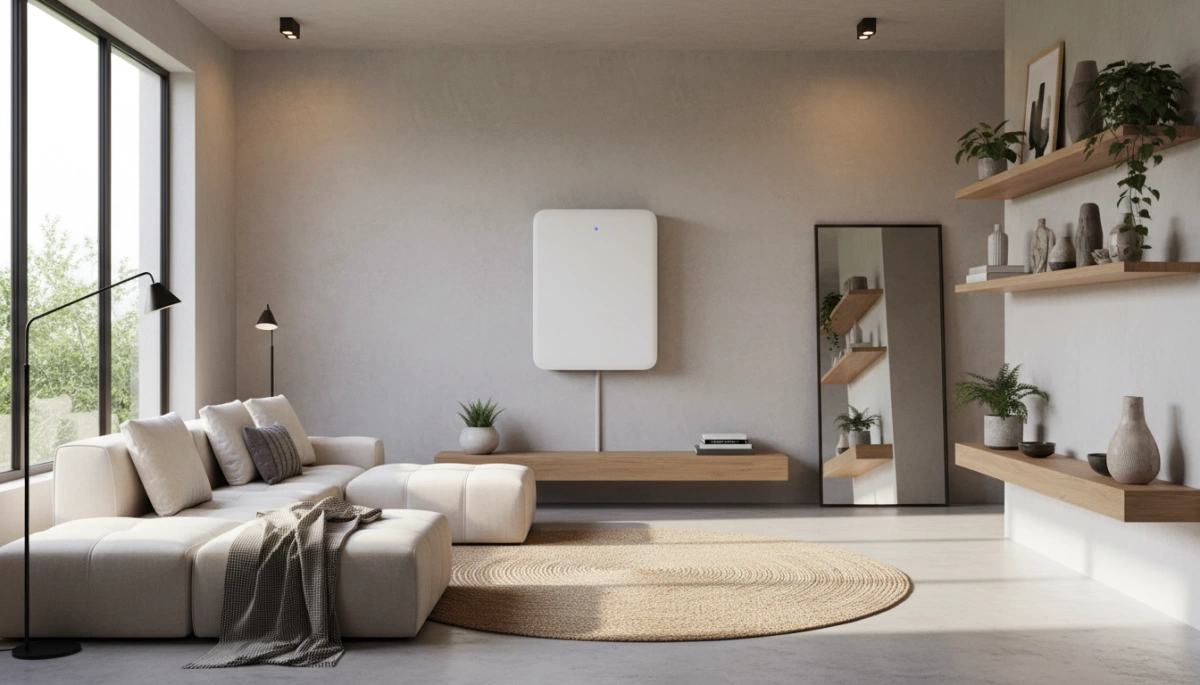
Why Homeowners Are Adding Energy Storage Now
The landscape of home energy is changing rapidly. For years, the standard approach was simply to install panels and feed excess power back to the grid. However, we are now seeing a massive shift from grid-export reliance to a strategy focused on self-consumption and resilience. Homeowners are realizing that true energy freedom means capturing the power they produce for use whenever they need it—day or night.
The Impact of NEM 3.0 and Net-Metering Changes
Policy changes are a primary driver for this shift. With the implementation of NEM 3.0 in California, the value of exporting solar energy to the grid has dropped by approximately 75%. The old model of using the utility grid as a virtual battery is no longer financially viable for many. Instead of selling power at a discount, residential solar energy storage allows you to store that excess energy. By keeping your power, you maximize your return on investment rather than giving it away for pennies.
Combating Rising Time-of-Use (TOU) Rates
Utility companies are increasingly using Time-of-Use (TOU) rates, charging significantly more for electricity during \”peak demand\” hours—typically when families are home in the evening. Intelligent storage systems act as a personal energy guardian. They automatically manage your energy flow, discharging stored battery power during expensive peak windows to avoid high utility charges. This capability transforms a static solar system into a dynamic tool for bill optimization.
Grid Instability and Energy Independence
Beyond economics, the growing frequency of extreme weather and grid instability has made home solar battery storage a necessity for security. We are moving toward a future where homeowners demand \”Your Energy. Your Control.\” Modern systems, such as those utilizing Enphase 10C and Enphase 5P batteries, provide seamless backup power during outages. Whether it is keeping the lights on during a storm or maintaining essential appliances, adding storage delivers the peace of mind that comes with genuine energy independence.
How Residential Solar Energy Storage Works
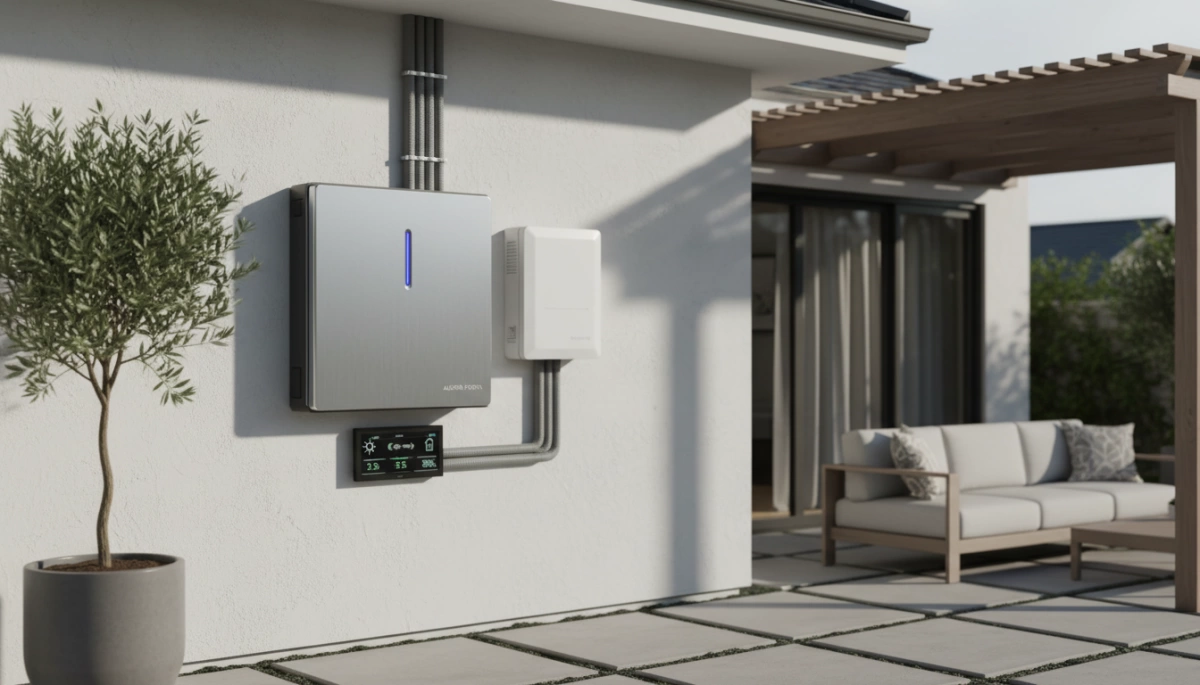
Understanding residential solar energy storage doesn\’t require an engineering degree. At its core, the system transforms your home from a passive energy consumer into an active energy manager. The architecture is designed to capture the sun\’s power, refine it, and store it for when you actually need it—like during a blackout or when utility rates spike.
Basic System Architecture
The flow of energy in a modern solar plus storage system follows a logical path:
- Solar Panels: Capture sunlight and convert it into Direct Current (DC) electricity.
- Inverter: Converts that DC power into Alternating Current (AC), which is what your home appliances use.
- Battery System: Stores excess energy. In advanced setups like those using Enphase technology, this involves intelligent routing through a central hub.
- Home Loads: Your lights, fridge, and Wi-Fi draw power from the battery when solar production stops.
AC-Coupled vs. DC-Coupled Systems
The industry is largely moving toward AC-coupled systems for residential use, primarily due to flexibility.
- AC-Coupled: Solar microinverters convert energy to AC right on the roof. The battery has its own internal inverter to convert it back to DC for storage. This allows for seamless integration and easier expansion of existing solar arrays.
- DC-Coupled: The battery connects before the main inverter. While efficient, it can be more complex to retrofit onto homes with existing solar panels.
Key Components: The \”Brains\” and \”Brawn\”
A reliable system is more than just a box of chemicals. It relies on three critical components working in unison:
- Battery Cells: This is the fuel tank. Modern units, such as the Enphase 10C or 5P, use advanced chemistry designed for longevity and safety.
- The \”Brain\” (IQ Combiner/Gateway): This hardware acts as your personal energy guardian. It consolidates connection points and communicates between the solar array, the battery, and the grid.
- Battery Management System (BMS): Software that constantly monitors temperature, voltage, and health to ensure safety and maximize the lifespan of the unit.
Daily Operation Cycle
The real magic happens in the software automation. Through platforms like the Enphase Enlighten app, the system manages energy flow autonomously:
- Morning/Afternoon: The system prioritizes powering your home. Once immediate needs are met, excess energy flows into the battery.
- Evening/Peak Hours: As the sun sets or utility rates hit \”Peak Demand,\” the system switches to battery power, avoiding expensive grid electricity.
- Grid Outage: The system detects grid failure instantly and isolates your home (islanding), keeping your lights on while the neighborhood goes dark.
While the scale is different, the fundamental principles of energy management here are similar to what we deploy in a massive commercial solar battery storage system, ensuring reliability whether for a single family or a large facility.
Core Benefits of Adding Battery Storage to Your Solar System
Adding residential solar energy storage transforms a standard solar setup from a daytime-only utility saver into a comprehensive \”personal energy guardian.\” We are moving beyond simple power generation to an all-day, all-night power strategy. This shift is driven by intelligent energy control that maximizes the value of every kilowatt-hour your panels produce.
Financial Security and Bill Optimization
For homeowners, particularly those facing NEM 3.0 regulations where grid export rates have dropped by roughly 75%, storage is no longer optional—it is essential for ROI. By integrating a solar plus storage system, you stop giving away cheap power to the utility during the day only to buy it back at premium rates in the evening.
- Time-of-Use Rate Optimization: Intelligent systems, such as those utilizing the Enphase Enlighten platform, automatically manage when to draw from the battery versus the grid, avoiding expensive \”Peak Demand\” charges.
- Maximize Self-Consumption: You capture excess solar energy produced during the day to power your home at night, drastically reducing reliance on the grid.
- Future-Proofing: Implementing a 5kW power energy storage solar system for home protects your household budget against unpredictable utility rate hikes.
Unmatched Resilience and Reliability
Grid instability and extreme weather are becoming more frequent, making whole home battery backup a critical safety feature. Modern solutions like the Enphase 10C and Enphase 5P batteries are designed to detect outages instantly and seamlessly transition your home to battery power. You can configure these systems for \”Energy Optimization Only\” or scale them up for full backup, ensuring essential appliances keep running when the neighborhood goes dark.
Industry-Leading Longevity and Safety
When evaluating home solar battery storage, the quality of the internal chemistry and warranty support is paramount. While the industry standard for battery warranties typically hovers around 10 years, premium options now offer a 15-year limited warranty. This extended coverage speaks to the durability of the technology and provides long-term peace of mind.
Key Advantages at a Glance:
| Feature | Benefit |
|---|---|
| Unified Control | Manage solar production and storage via a single app (e.g., Enphase Enlighten). |
| Extended Warranty | 15-year coverage on core units like the Enphase 10C exceeds the 10-year industry norm. |
| Grid Independence | Drastically reduces reliance on utility companies and mitigates the impact of NEM 3.0. |
| Scalability | Modular designs allow you to start small and expand capacity as energy needs grow. |
By pairing the IQ Combiner with advanced battery units, we create a unified ecosystem that streamlines installation and monitoring. This integration not only boosts virtual power plant participation capabilities but also increases the overall value and appeal of your property.
Key Technologies and Features to Evaluate in 2026
When selecting residential solar energy storage, looking beyond simple capacity is crucial. The technology has shifted from basic backup to intelligent energy management systems that actively lower bills and ensure safety. Here is what defines a top-tier system in the current market.
Lithium Iron Phosphate (LFP) vs. NMC Chemistries
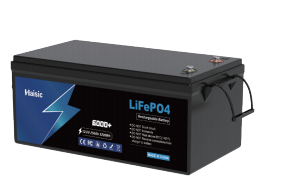
Safety and longevity are the top priorities for modern homeowners. The industry is moving decisively toward Lithium Iron Phosphate (LFP) chemistry over older Nickel Manganese Cobalt (NMC) types. LFP batteries are known for superior thermal stability, meaning they run cooler and have a significantly lower risk of thermal runaway. They also offer a longer cycle life, maintaining capacity for more years. For robust long-term performance, our Haisic 128V LiFePO4 battery packs utilize this advanced chemistry to deliver thousands of cycles with minimal degradation.
Modular and Scalable Designs
Energy needs change over time, especially if you add an EV charger or heat pump later. Modular home battery systems allow you to start with a capacity that fits your current budget and expand later without replacing the entire unit. Leading solutions now feature stackable components, similar to the Enphase 5P architecture, which offers flexibility for both \”Energy Optimization\” and \”Whole-Home Backup\” configurations. Our stackable power energy storage solutions provide this exact scalability, allowing you to customize your backup power precisely to your load requirements.
Intelligent Software and AI Optimization
Hardware is only half the equation. The best residential solar storage systems act as a \”personal energy guardian.\” Advanced software, like the Enphase Enlighten platform, integrates solar production and storage into one interface. These systems use AI to:
- Monitor Usage: Track real-time consumption and solar generation.
- Optimize for Rates: Automatically discharge during peak utility rate hours to maximize savings (crucial for NEM 3.0).
- Storm Watch: Pre-charge the battery automatically when severe weather is detected.
Performance Metrics and Warranty
To ensure you get the best ROI, evaluate these technical specifications:
| Feature | What to Look For | Why It Matters |
|---|---|---|
| Depth of Discharge (DoD) | 90% – 100% | Determines how much of the battery\’s total capacity is actually usable. |
| Round-Trip Efficiency | >90% | Ensures minimal energy loss during the charging and discharging process. |
| Power Output | High Peak & Continuous | Continuous power runs daily appliances; Peak power starts heavy loads like A/C units. |
| Warranty | 15 Years | While 10 years is standard, premium units (like the Enphase 10C) now offer 15-year limited warranties, reflecting higher confidence in durability. |
Choosing a system with high round-trip efficiency and a robust warranty ensures that your solar plus storage system remains a financial asset rather than a liability. Focus on systems that offer seamless integration between the battery, the inverter (like the IQ Combiner), and the monitoring app for a hassle-free experience.
Top Residential Solar Battery Options in 2026
The landscape for residential solar energy storage has evolved rapidly, moving beyond simple backup to intelligent energy management. While names like Tesla Powerwall 3, FranklinWH, Sonnen, and Generac PWRcell often dominate the conversation, the real differentiators in 2026 are software integration, warranty longevity, and chemistry safety. Homeowners are no longer just buying batteries; they are investing in \”personal energy guardians\” that navigate complex utility rates like California’s NEM 3.0.
Leading the Pack: Enphase IQ Battery Systems
Based on current high-performance standards, the Enphase IQ Battery system (specifically the 10C and 5P models) stands out for its cohesive ecosystem. Unlike mixed-and-matched systems, this solution integrates the battery, the IQ Combiner, and the solar microinverters into a single platform managed by the Enphase Enlighten app.
- Intelligent Control: The system doesn\’t just store power; it strategically manages when to draw from the grid versus the battery to avoid peak demand charges.
- Reliability: While the industry standard warranty hovers around 10 years, these units offer a 15-year limited warranty, signaling superior confidence in their residential battery energy storage longevity.
- Scalability: Homeowners can configure these systems for \”Energy Optimization Only\” or scale up to \”Whole-Home Backup\” depending on their resilience needs.
Haisic: High-Performance LFP Solutions
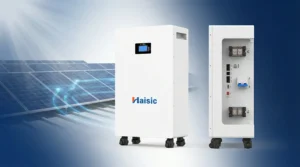
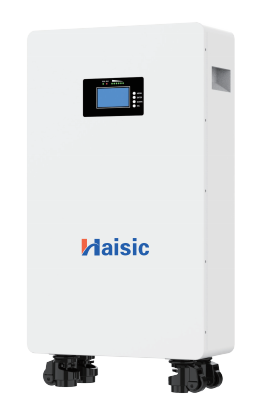
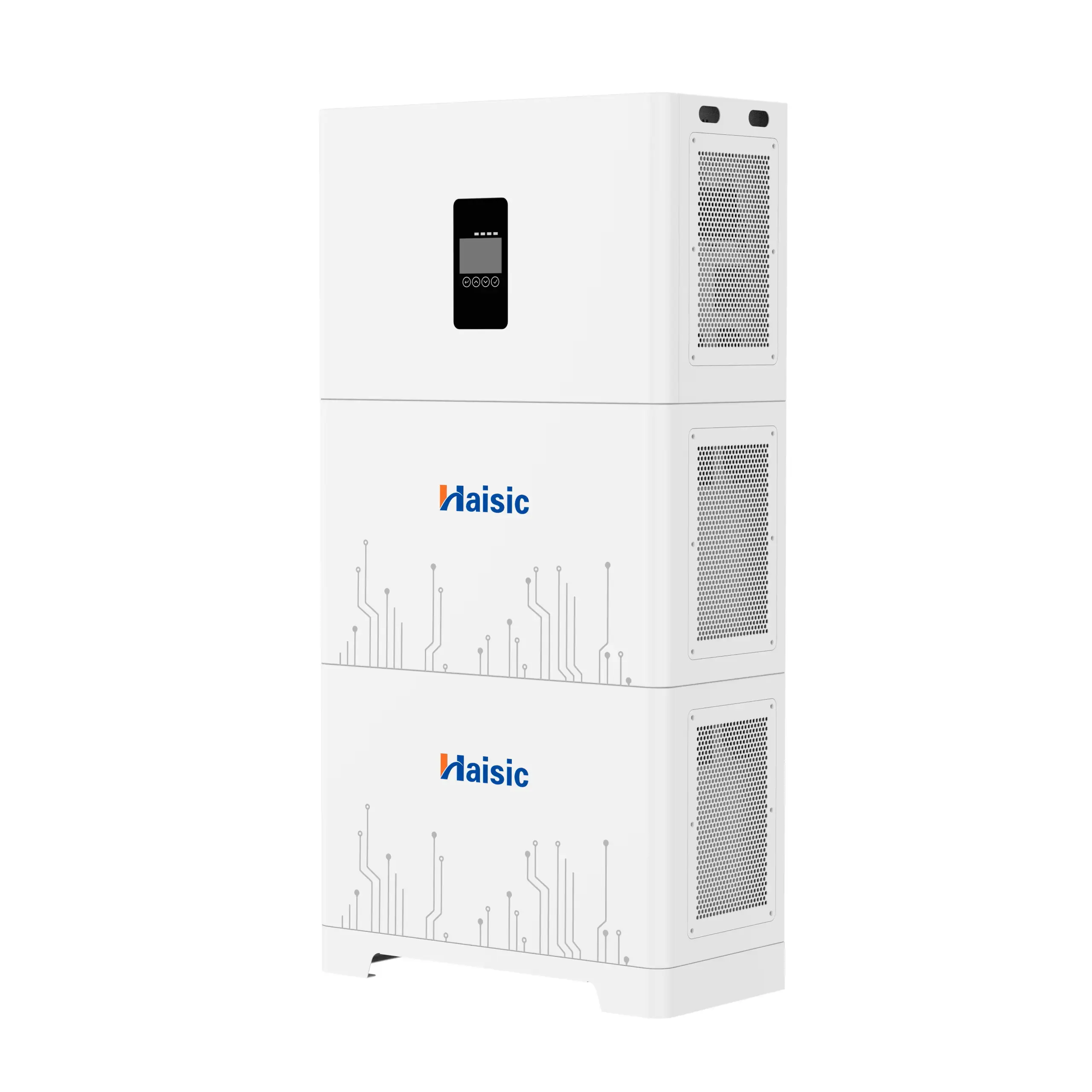
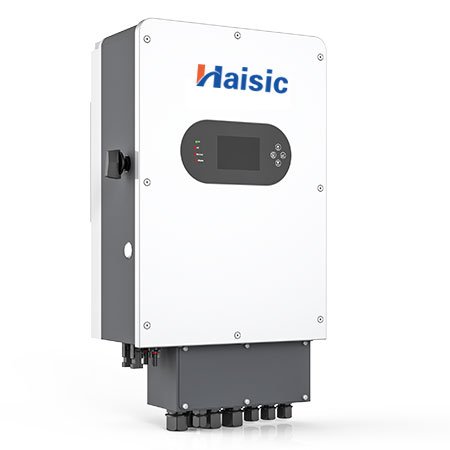
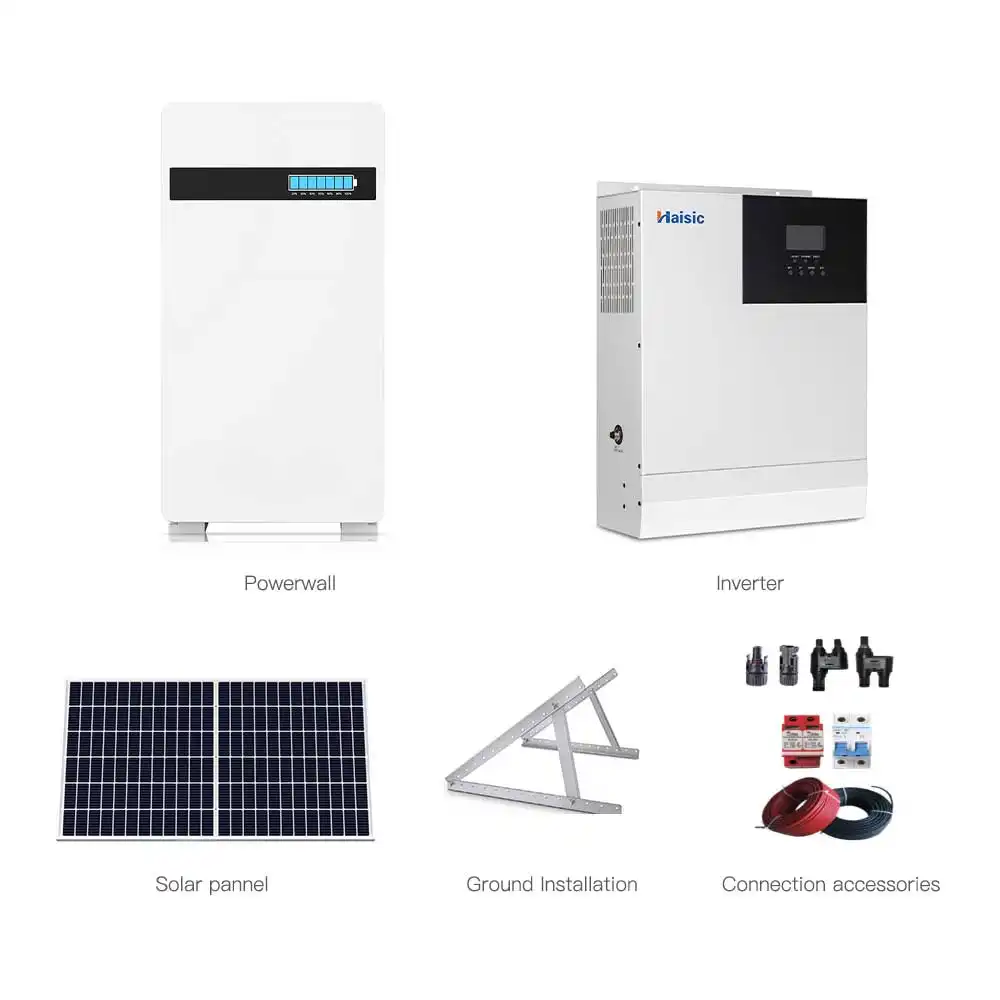
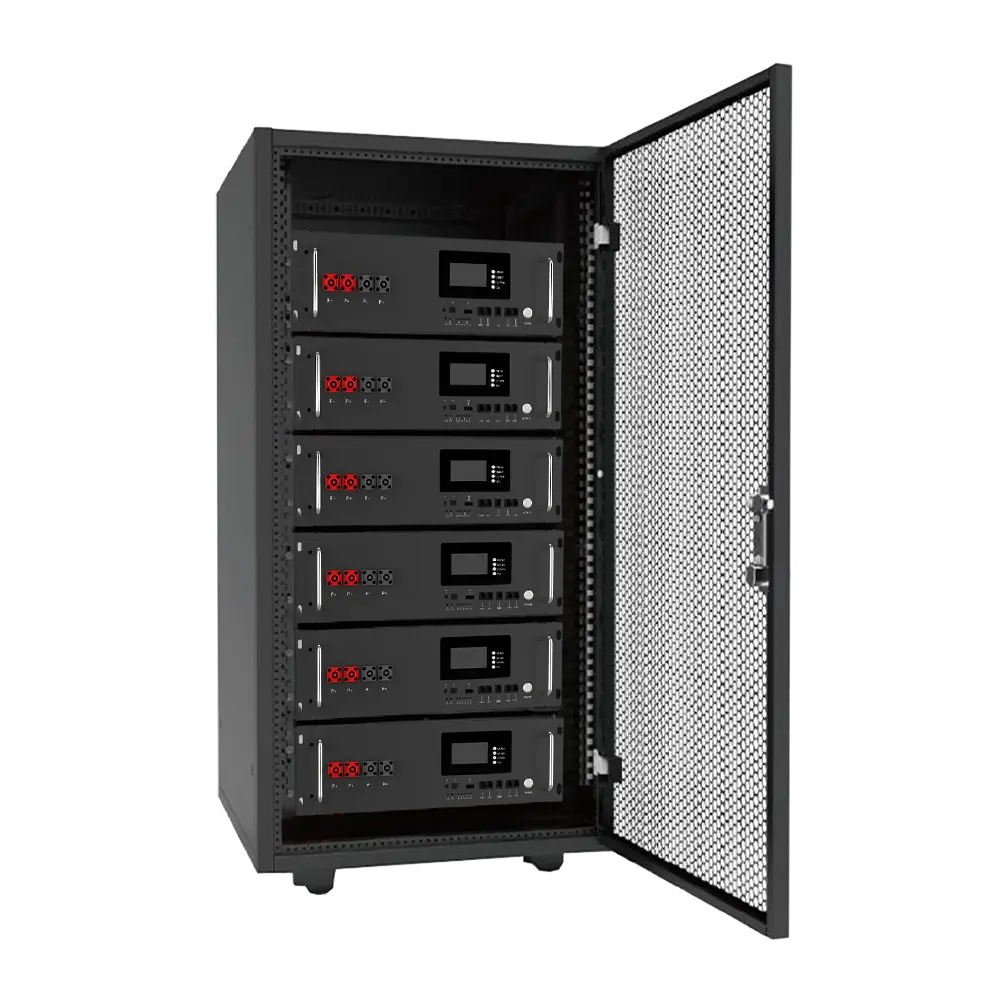
As a manufacturer committed to reliability, Haisic offers robust alternatives designed for those prioritizing safety and cost-effectiveness. Our high-voltage LiFePO4 home energy storage system utilizes Lithium Iron Phosphate (LFP) chemistry, which is far more thermally stable than older NMC types. These modular systems are engineered to compete directly with premium brands by offering high cycle life and seamless integration with modern solar arrays, ensuring you get maximum ROI from your solar plus storage system.
System Comparison: What to Look For
When evaluating Powerwall alternatives 2026, it is crucial to compare the technical specifications that actually impact your wallet and peace of mind. Below is a comparison highlighting how premium options like Enphase and Haisic stack up against typical industry averages.
| Feature | Enphase IQ Battery (10C/5P) | Haisic LFP Storage Solutions | Typical Industry Standard |
|---|---|---|---|
| Chemistry | LFP (Lithium Iron Phosphate) | LFP (Lithium Iron Phosphate) | NMC or LFP |
| Warranty | 15-Year Limited Warranty | High-Cycle Performance Guarantee | 10-Year Standard |
| Integration | Unified App (Enlighten) & IQ Combiner | Modular / High-Voltage | Often requires 3rd party apps |
| Primary Use | NEM 3.0 Optimization & Backup | Self-Consumption & Resilience | Backup Only |
| Scalability | Modular (5P units) | Highly Scalable Modules | Fixed Capacity |
Selecting the right home solar battery storage requires looking past the brand name to the core technology. Whether you choose the seamlessly integrated Enphase system for its software superiority and extended warranty, or a robust Haisic solution for pure performance and value, the goal remains the same: achieving energy independence and securing your home against grid instability.
Cost, Incentives, and Real-World Payback in 2026
Investing in residential solar energy storage is no longer just about energy independence; it is a calculated financial strategy. As we navigate the landscape of 2026, the economic case for batteries has shifted from simple backup power to active bill management and long-term asset protection.
Factors Influencing Installed Costs
The total price of a solar plus storage system is rarely a flat rate. It fluctuates based on your specific energy goals—whether you need \”Energy Optimization Only\” to offset evening rates or \”Whole-Home Backup\” to keep every appliance running during an outage. Hardware choices, such as selecting between the Enphase 5P or the larger Enphase 10C, directly dictate the initial capital required. Furthermore, the complexity of integration, including the installation of the IQ Combiner and necessary electrical upgrades, plays a significant role in the final quote.
Leveraging the Federal Investment Tax Credit (ITC)
The financial barrier to entry is significantly lowered by the 30% Federal Solar Tax Credit (ITC). This incentive applies to the total cost of the battery equipment and installation, providing a substantial dollar-for-dollar reduction in your federal income taxes. For homeowners in states with policies like NEM 3.0, where grid export rates have dropped by roughly 75%, combining this tax credit with self-consumption strategies is the most effective way to recover costs.
ROI and Intelligent Energy Management
Real-world payback is driven by software as much as hardware. Modern systems utilize intelligent platforms, like the Enphase Enlighten app, which functions as a \”personal energy guardian.\” This software automatically manages when to draw from the grid and when to discharge the battery, ensuring you avoid expensive \”Peak Demand\” charges. By minimizing reliance on the grid during high-rate periods, you accelerate your return on investment. For those looking to maximize their storage potential for faster payback, considering a high-voltage stacked 30kWh system can offer the capacity needed for aggressive time-of-use rate optimization.
The Value of Longevity and Warranties
When calculating the solar storage payback period, the lifespan of the equipment is a critical variable. Most industry standard warranties cap at 10 years. However, premium options like the Enphase 10C battery now offer a 15-year limited warranty. This extended coverage provides five additional years of guaranteed performance and financial security, effectively lowering the annualized cost of ownership and ensuring your system continues to deliver value long after the initial payback period is reached.
Simple ROI Calculation Framework
To estimate your own payback, follow this simplified approach:
- Total System Cost: (Equipment + Installation) – (30% Federal ITC) – (Local Rebates).
- Annual Savings: (Monthly Bill Savings from Peak Shaving) + (Value of Avoided Outage Spoilage).
- Payback Period: Total System Cost ÷ Annual Savings.
By focusing on quality components and intelligent software control, residential solar energy storage transforms from a luxury add-on into a prudent financial instrument.
Installation Considerations and Choosing the Right System
Selecting the right residential solar energy storage isn\’t just about picking the biggest battery; it is about matching the hardware to your specific energy strategy. You need to decide upfront if your priority is \”Energy Optimization Only\” to combat high utility rates or \”Whole-Home Backup\” to keep the lights on during grid failures.
Sizing Your Battery for Your Needs
We don\’t guess when it comes to capacity. Proper sizing relies on analyzing your historical energy usage and defining exactly what needs power.
- Essential Loads: If you only need to back up critical circuits like Wi-Fi, lights, and refrigeration, a smaller configuration suffices.
- Whole-Home Backup: To run heavy appliances like air conditioners during an outage, you will need a scalable system.
- Future Expansion: Look for modular designs. Systems using components like the IQ Combiner allow us to integrate more storage later without overhauling the entire setup.
If you are unsure how to calculate your specific load requirements, reviewing a guide on battery storage needs can help you visualize the difference between partial and full backup.
Indoor vs. Outdoor Placement
Modern hardware, such as the Enphase 5P Battery, is designed for durability, but location still impacts performance.
- Temperature Control: While quality units are weather-rated, extreme temperatures can impact efficiency. Garages or shaded exterior walls are often ideal.
- Space Efficiency: Wall-mounted units keep floor space clear.
- Connectivity: The location must allow for reliable communication with the Enphase Enlighten monitoring app to ensure real-time data flow.
Working with Certified Installers
Installing residential solar energy storage is a complex electrical project, not a DIY job. You need a unified system—one platform, one account, and one app. Certified installers ensure that your system meets strict safety standards and local permitting requirements, which is critical for interconnection under policies like NEM 3.0.
Questions to Ask During the Quote
Don\’t settle for vague promises. Ask these specific questions to ensure you are getting a system built for longevity:
- Warranty Terms: Does the system come with a standard 10-year coverage, or does it offer the industry-leading 15-year limited warranty available on premium models like the Enphase 10C?
- Intelligent Control: Does the software act as a \”personal energy guardian,\” automatically deciding when to draw from the grid versus the battery to minimize bills?
- Scalability: Can I add more capacity next year without replacing the main inverter?
The Future of Residential Solar Energy Storage
The landscape of home energy is shifting rapidly. We are moving away from simple backup solutions toward intelligent, fully integrated ecosystems. The future of residential solar energy storage is defined by smarter software, longer lifespans, and the ability to operate independently from the grid while maximizing financial returns.
Emerging Trends: Longevity and Intelligence
The hardware we install today is vastly different from the batteries of five years ago. A major shift is the focus on durability and safety. While the industry standard for warranties has hovered around 10 years, we are now seeing advanced systems offering a 15-year limited warranty, such as the Enphase 10C. This extension signals a maturing market where home solar battery storage is built to match the longevity of the solar panels themselves.
Key advancements driving this future include:
- Smarter Chemistry: The move toward safer, more stable chemistries allows for deeper discharge cycles without degrading the battery life, ensuring your investment holds value over decades.
- Intelligent Energy Guardians: Hardware is only half the equation. Future-proof systems use AI-driven software, like the Enphase Enlighten app, to act as a \”personal energy guardian.\” These systems automatically manage energy flow based on weather, usage habits, and utility rates.
- Deeper VPP Integration: As utilities struggle with demand, virtual power plant participation is becoming standard. Your battery doesn\’t just sit idle; it communicates with the grid to sell power back during peak events, turning your home into a revenue generator.
Enabling Zero-Energy Homes and Microgrids
The ultimate goal of modern storage is energy independence. By pairing high-efficiency solar with scalable battery storage for home, homeowners can achieve a net-zero lifestyle.
- Grid Independence: Advanced systems allow for \”Energy Optimization\” or \”Whole-Home Backup,\” giving you the power to disconnect from the grid during outages or price spikes.
- Community Resilience: As more homes adopt these technologies, we see the rise of community microgrids. These decentralized networks share energy locally, reducing strain on central infrastructure and ensuring that neighborhoods stay powered even when the main grid fails.
We are entering an era where you don\’t just consume energy; you control, store, and optimize it. The combination of robust hardware and smart software ensures that your home remains resilient against rising costs and unpredictable weather.
FAQ: Common Questions About Residential Solar Energy Storage
What size battery do most homes need?
Sizing depends entirely on your goals. If you only want to offset high evening rates (Time-of-Use optimization), a smaller capacity around 5 kWh to 10 kWh is often sufficient. However, for whole home battery backup during an outage, you will likely need a larger system to run heavy appliances like air conditioners. A 10kW storage battery is a common starting point for many households, balancing cost with the ability to keep essential circuits running overnight.
Can I add storage to an existing solar system?
Yes, absolutely. Residential solar energy storage is designed to be flexible. Most modern solutions, including the Enphase IQ system, use AC coupling, which allows them to integrate seamlessly with existing solar panels regardless of the original inverter brand. This turns your standard grid-tied setup into a resilient solar plus storage system without needing to rewire your entire roof. Adding ESS battery storage to an existing array is one of the most effective ways to adapt to new utility rules like NEM 3.0.
How long do home batteries last?
While the industry standard warranty has hovered around 10 years, technology is improving rapidly. Premium units, such as the Enphase 10C Battery, now offer a 15-year limited warranty, significantly outlasting older models. These systems are built for longevity, capable of cycling daily to maximize solar storage payback period while retaining high capacity retention over the long haul.
Is solar storage safe?
Modern residential battery energy storage systems are extremely safe. The industry has largely shifted toward LFP (Lithium Iron Phosphate) chemistry, which is known for superior thermal stability and safety compared to older NMC (Nickel Manganese Cobalt) batteries. Advanced Battery Management Systems (BMS) constantly monitor temperature and voltage to prevent overheating, acting as a \”personal energy guardian\” for your home.
Does storage qualify for the 30% federal tax credit?
Yes. Under the Inflation Reduction Act, standalone battery storage (with a capacity of at least 3 kWh) is eligible for the 30% Federal Investment Tax Credit (ITC). This applies whether you install the battery at the same time as your solar panels or add it later as a retrofit. This incentive significantly lowers the solar battery cost per kWh, improving your ROI.
What happens if my installer goes out of business?
Your warranty protection generally comes from the equipment manufacturer, not just the local installer. Major brands like Enphase provide robust support and warranties that remain valid even if your original installer closes shop. By choosing a system with a unified platform—where one app manages both generation and storage—you ensure that technical support remains streamlined and accessible directly through the manufacturer.