


Understanding Price per kWh in Battery Storage
When evaluating the economics of energy, the price per kWh battery storage is the most critical metric I look at. It provides a standardized way to compare the value of different systems, whether for a small home setup or a massive utility project. However, to get an accurate ROI, you must distinguish between the raw battery pack price and the total installed system cost.
Pack Cost vs. Installed Cost
The price you see for a standalone battery module is rarely the final price you pay. In my experience, understanding the layers of cost is essential for accurate budgeting:
- Battery Pack Price: This covers the hardware—the lithium-ion cells, the enclosure, and the integrated Smart BMS (Battery Management System).
- Fully Installed Cost: This is the \”turnkey\” price. It includes the battery pack plus the inverter, Power Conversion System (PCS), thermal management, labor, permitting, and grid interconnection fees.
- The Gap: For residential systems, \”soft costs\” like installation and permitting can account for a significant portion of the total installed battery system cost.
Stationary Storage vs. EV Battery Packs
I often see people confuse stationary storage with EV batteries. While both use lithium-ion technology, their performance metrics and cost structures differ significantly:
- Chemistry Focus: While EVs often prioritize NMC (Nickel Manganese Cobalt) for energy density, I focus on LFP (Lithium Iron Phosphate) for stationary storage. LFP is more cost-effective and offers a much higher safety profile.
- Cycle Life: Stationary systems are built for endurance. My LFP solutions are rated for 6,000+ cycles, allowing for daily charging and discharging over a 10-year+ lifespan.
- Depth of Discharge (DoD): Stationary ESS is optimized for a high DoD of 90% to 100%, ensuring you can actually use the energy you paid for.
By focusing on the price per kWh battery storage through the lens of longevity and system-wide efficiency, you can better identify which technology offers the lowest total cost of ownership over the long term.
Current Battery Storage Prices in 2026
Entering 2026, the price per kwh battery storage has reached a new level of affordability for both homeowners and grid operators. We are seeing a market where LFP technology has matured, driving down the cost of solar battery storage across all sectors. The total expense depends heavily on whether you are looking at raw cell costs or a fully commissioned, turnkey system.
2026 Pricing Benchmarks by Sector
The average battery storage price per kwh varies based on the scale and complexity of the installation:
- Residential Energy Storage: $300 – $600 per kWh (fully installed). This includes the battery, inverter, and labor.
- Commercial & Industrial (C&I): $250 – $450 per kWh. These systems benefit from better economies of scale than residential units.
- Utility-Scale BESS: $150 – $300 per kWh. These massive installations hit the lowest price points due to high-volume procurement.
Regional Variations and Raw Material Impact
While global averages are falling, your local residential energy storage costs will still fluctuate based on regional \”soft costs\” like permitting and local labor rates. In markets with high manufacturing capacity, prices lean toward the lower end of the spectrum. Furthermore, the drop in Lithium Carbonate prices has directly lowered the cost of LFP cells to approximately $60 – $80 per kWh, making high-capacity stationary storage more accessible for everyone.
By focusing on modular LFP designs, we ensure that our systems provide the best utility scale BESS pricing benchmarks while maintaining the safety and 6,000+ cycle life that modern energy demands.
Historical Trends and 2026 Price Drivers
The price per kwh battery storage has undergone a massive correction, dropping nearly 45% over the last year. This shift is driven by a unique combination of manufacturing overcapacity and a surplus of raw materials like lithium carbonate. As we move through 2026, these market dynamics have made high-capacity systems more accessible than ever for both residential and industrial users.
Why Battery Prices Dropped 45% This Year
Several factors converged to create the current buyer\’s market. The rapid expansion of production facilities has outpaced immediate demand, forcing manufacturers to compete aggressively on price. Additionally, the shift toward LFP (Lithium Iron Phosphate) chemistry has fundamentally changed the cost structure of the industry.
- LFP vs NMC Battery Costs: LFP cells now range from $60 to $80 per kWh, whereas NMC cells remain higher at $80 to $100 per kWh.
- Raw Material Stability: The cost of lithium carbonate has stabilized at lower levels, directly reducing the lithium ion battery pack price.
- Manufacturing Efficiency: Advanced automation and massive scale in production hubs have squeezed out \”soft costs\” in the assembly phase.
By focusing on best battery storage for solar integrations, we leverage these battery price trends 2026 to offer systems that maximize energy density without the premium price tag. The dominance of LFP technology ensures that this lower price point does not compromise safety or the 6,000+ cycle life expected in modern energy storage applications.
Breaking Down the Price per kWh Battery Storage
To understand the real price per kWh battery storage, you have to look past the battery cell itself. The final \”turnkey\” cost of a Battery Energy Storage System (BESS) is a combination of hardware components and various \”soft costs\” associated with getting the system online.
Hard Costs: Hardware and Battery Chemistry
The battery cells and the management hardware make up the bulk of the upfront investment. The lithium ion battery pack price fluctuates based on the chemistry you choose:
- LFP (Lithium Iron Phosphate) Cells: These currently cost between $60 – $80 per kWh. LFP is our preferred choice for stationary storage due to its safety and 6,000+ cycle life.
- NMC (Nickel Manganese Cobalt) Cells: Generally higher priced at $80 – $100 per kWh.
- System Components: Beyond cells, you are paying for the Smart BMS (Battery Management System), thermal management, and power conversion systems (PCS).
Soft Costs and Installation
The installed battery system cost includes several non-hardware expenses that vary by region and project complexity. These include site preparation, professional labor, permitting, and grid interconnection fees. In residential projects, these soft costs can account for a significant portion of the total price, whereas in large-scale projects, they are spread across more capacity, lowering the cost per unit.
How System Scale Impacts Your Turnkey BESS Price
Economy of scale is the biggest factor in reducing your turnkey BESS price per kWh. As the system size increases, the overhead costs for inverters and labor are distributed over more kilowatt-hours.
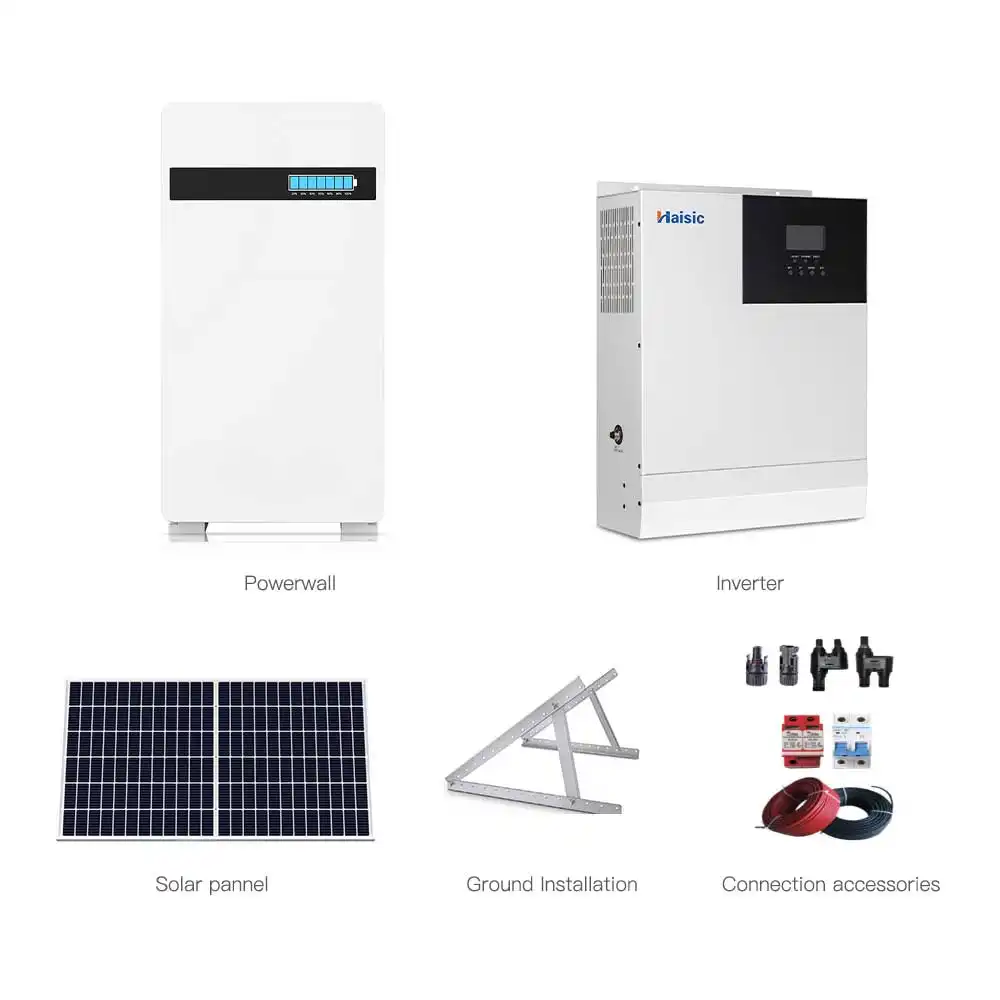
- Residential Systems: Typically range from $300 – $600 per kWh fully installed. For homeowners looking for integrated reliability, our 3.2kWh all-in-one home energy storage system offers a modular way to manage these costs.
- Commercial & Industrial (C&I): These systems sit in the $250 – $450 per kWh range. We optimize these configurations, such as our 200kW industrial energy storage battery with 430kWh capacity, to provide the best ROI for high-demand business environments.
- Utility-Scale: These projects achieve the lowest benchmarks, often hitting $150 – $300 per kWh due to massive procurement volumes and standardized engineering.
Lowering Your Price per kWh Battery Storage with Incentives
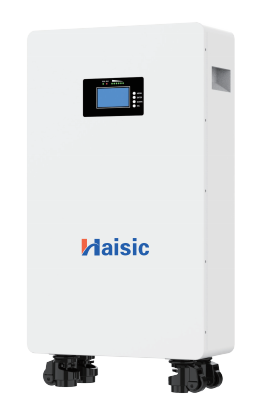
While the upfront price per kwh battery storage can seem significant, financial incentives are the most effective way to lower your actual investment. In the US, the Federal Investment Tax Credit (ITC) allows residential and commercial users to deduct 30% of the total system cost from their federal taxes. This credit applies to high-performance hardware like our Haisic 51.2V 100Ah LiFePO4 stackable energy storage battery, significantly reducing the effective cost of adopting LFP technology.
Federal ITC and Solar Battery Storage Incentives
These financial tools directly accelerate your energy storage payback period by slashing thousands off the initial bill.
- Federal ITC: A 30% tax credit for both solar-plus-storage and standalone battery installations.
- State-Level Rebates: Programs like California’s SGIP or various utility-specific performance incentives provide upfront cash back.
- Net Billing & Demand Response: Many regions offer credits for discharging your battery back to the grid during peak hours, improving your battery storage ROI calculator results.
By leveraging these incentives, the net cost of a 10kW storage battery becomes far more competitive, often bringing the \”out-of-pocket\” price per kwh battery storage down to its lowest historical levels. I focus on providing modular, high-efficiency systems that qualify for these programs, ensuring you maximize your long-term energy savings and grid independence.
Measuring Long-Term Value and LCOS

Focusing only on the upfront sticker price per kWh battery storage can be misleading if you don\’t account for the Levelized Cost of Storage (LCOS). LCOS represents the total cost of the system divided by the total energy it will discharge over its useful life. For a system to be truly cost-effective, it must offer high efficiency and a long cycle life to ensure the initial investment pays off.
Our LiFePO4 (LFP) systems are engineered to maximize this value through superior technical performance:
- Extended Cycle Life: With 6,000+ cycles at 90% Depth of Discharge (DoD), our batteries outlast traditional chemistries by years.
- High Round-Trip Efficiency: Minimizing energy loss during the conversion process ensures more of your stored solar or grid power is actually usable.
- Low Maintenance: LFP chemistry is inherently stable, reducing the long-term operational costs that can plague other systems.
By choosing a 128V LiFePO4 battery pack with 6,000 cycle life, you are prioritizing a lower LCOS over a simple low purchase price. While the installed battery system cost might seem like the primary hurdle, the real energy storage ROI comes from a battery that performs reliably for over a decade without degradation. We focus on providing hardware where the LiFePO4 battery price per kWh is balanced against extreme durability, ensuring your cost per cycle remains the lowest in the industry.
Future Outlook and Price Projections Through 2030
Looking beyond 2026, the price per kwh battery storage is expected to follow a downward trajectory, though at a more stabilized pace than the recent market corrections. By 2030, several key factors will cement energy storage as the primary backbone for global energy independence:
- Manufacturing Maturity: Massive factory expansions and improved production efficiencies have created a surplus that keeps lithium ion battery pack prices highly competitive.
- Chemistry Evolution: While LFP (Lithium Iron Phosphate) will maintain its dominance for stationary storage due to its 6,000+ cycle life, sodium-ion technology is emerging as a potential low-cost alternative for applications where energy density is less critical.
- Supply Chain Stability: The stabilization of raw material prices, specifically lithium carbonate, combined with localized battery \”gigafactories,\” is reducing the impact of global logistics volatility.
As the industry scales, high-capacity systems like our 51.2V 400Ah 20,480Wh LiFePO4 battery are becoming the standard for residential and C&I users looking to lock in low energy rates for the next decade.
Key Shifts Driving 2030 Benchmarks
- Standardization of \”Soft Costs\”: As utility-scale BESS installations become more common, the industry is seeing a reduction in costs related to permitting, interconnection, and custom engineering.
- Second-Life and Recycling: A maturing battery recycling ecosystem will eventually start feeding raw materials back into the supply chain, further insulating the price per kwh battery storage from mining fluctuations.
- Technological Gains: Improvements in energy density and thermal management mean that future systems will offer more kilowatt-hours in the same physical footprint, effectively lowering the installed battery system cost.
The transition through 2030 is focused on making energy storage a \”plug-and-play\” commodity. With current battery price trends 2026 already hitting record lows, the move toward a fully decentralized and resilient grid is no longer a matter of \”if,\” but how fast we can deploy.
Haisic: The Top Choice for Affordable Battery Storage
I recommend Haisic because we deliver the most competitive price per kWh battery storage by cutting out the middleman and focusing on high-efficiency LFP technology. Our systems are built for long-term ROI, offering a lower total cost of ownership through superior durability and minimal maintenance.
- Competitive Pricing: We keep our LiFePO4 battery price per kWh aligned with the 2026 market shift, offering premium storage at a fraction of the cost of legacy brands.
- Reliable Performance: Our hardware is rated for 6,000+ cycles with a depth of discharge up to 90-100%, ensuring you get every bit of energy you pay for.
- Custom Solutions: From residential backup to large-scale C&I projects, our modular designs allow you to scale your capacity exactly as needed.
- Integrated Safety: Every unit features a Smart BMS for real-time protection, maximizing the lifespan of your investment.
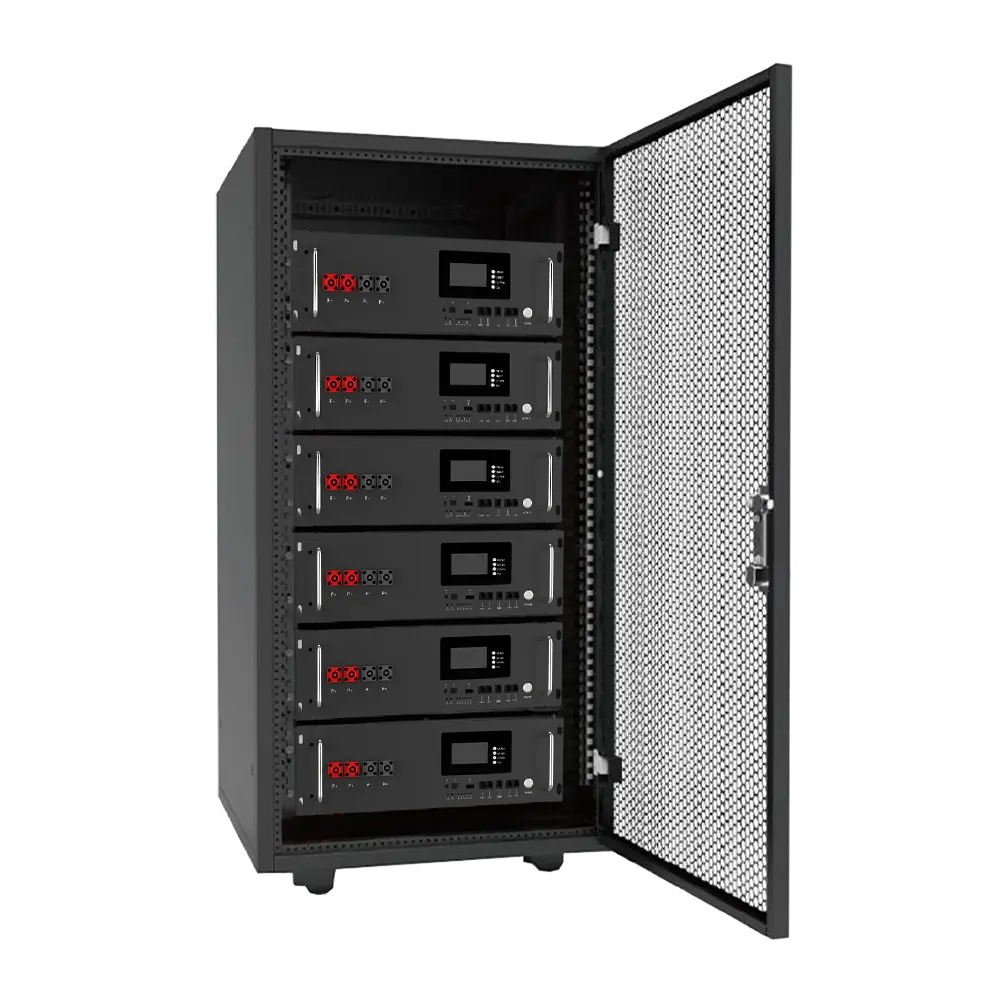
For those looking to secure their energy independence, our 48V 100Ah rackmounted LiFePO4 battery pack is an industry favorite for its compact footprint and ease of installation. If you need a more integrated solution for home use, our 305Ah touch-screen energy storage systems provide high-capacity reliability with a modern interface. We focus on providing a turnkey lithium ion battery pack price that makes the transition to renewable energy both simple and profitable.
Common Battery Storage Questions
Navigating the market for the best price per kWh battery storage can be complex, but the data for 2026 shows a clear path for homeowners and businesses. Here is what you need to know about current costs and technology choices.
What is the average home battery cost in 2026?
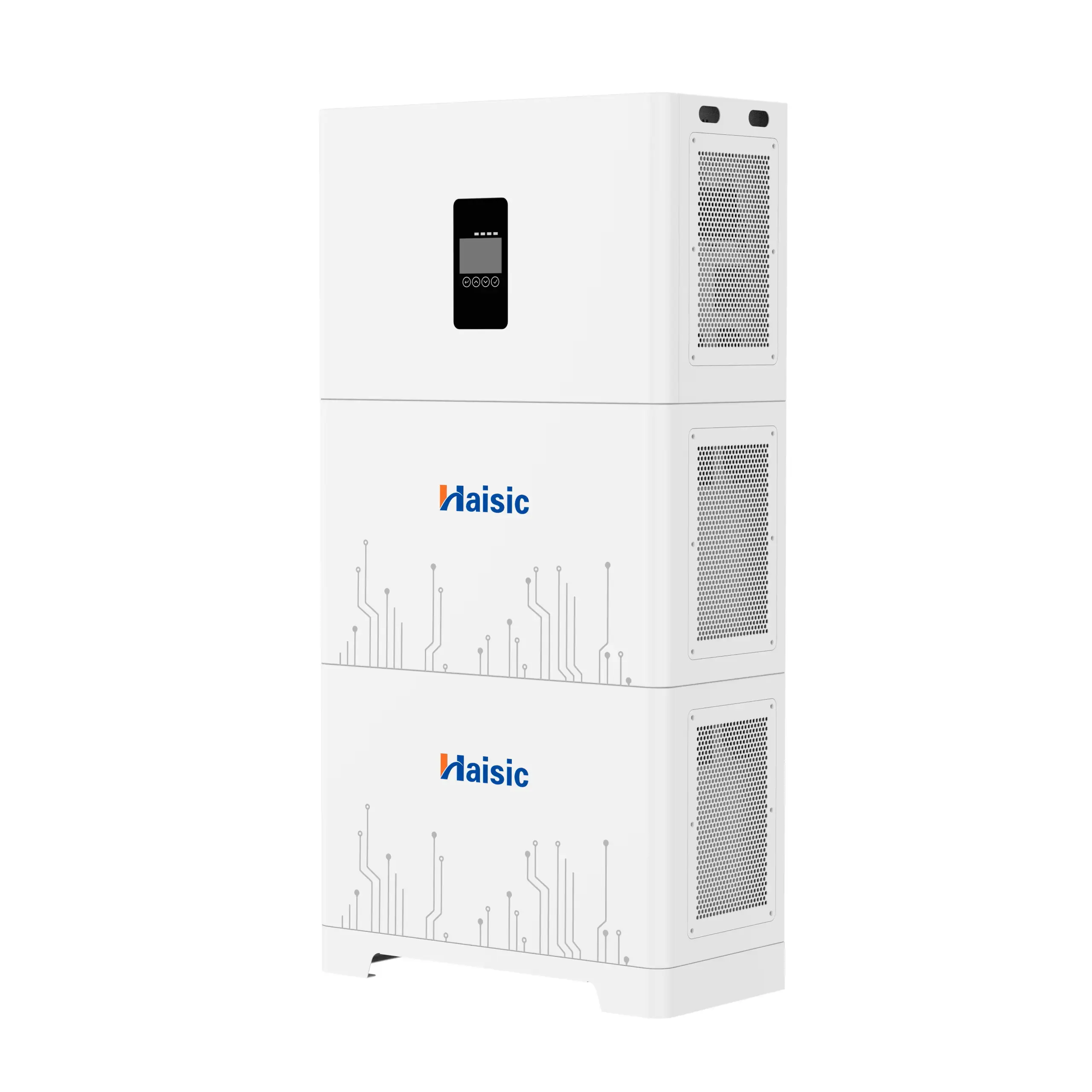
For residential setups, the installed battery system cost typically falls between $300 and $600 per kWh. This range includes the hardware, inverter, and labor. While raw LFP cells have dropped to between $60 and $80 per kWh, the \”soft costs\” like permitting and professional installation make up a significant portion of the total investment. For those looking for a compact, high-performance solution, a 10kwh wall-mounted home energy storage system provides an excellent balance of capacity and footprint.
Which battery chemistry offers the best value?
When comparing LFP vs NMC battery costs, LFP (Lithium Iron Phosphate) is the definitive winner for stationary storage.
- Safety: LFP is chemically stable and significantly less prone to thermal runaway.
- Longevity: With a cycle life of 6,000+ cycles, the LiFePO4 battery price per kWh becomes much lower over the system\’s lifetime compared to NMC.
- Efficiency: LFP systems support a deep depth of discharge (DoD) of 90-100%, meaning you get more usable energy for every dollar spent.
Why are battery storage price per kWh trends falling?
The significant drop in residential energy storage costs is driven by a surplus in lithium carbonate and increased manufacturing efficiency in China. These market shifts have allowed us to offer high-capacity units, such as a 51.2V 305Ah home energy battery, at a much more accessible price point than in previous years. By choosing LFP technology, you are investing in a system that stabilizes the grid and offers a faster energy storage payback period through superior durability and minimal maintenance.