

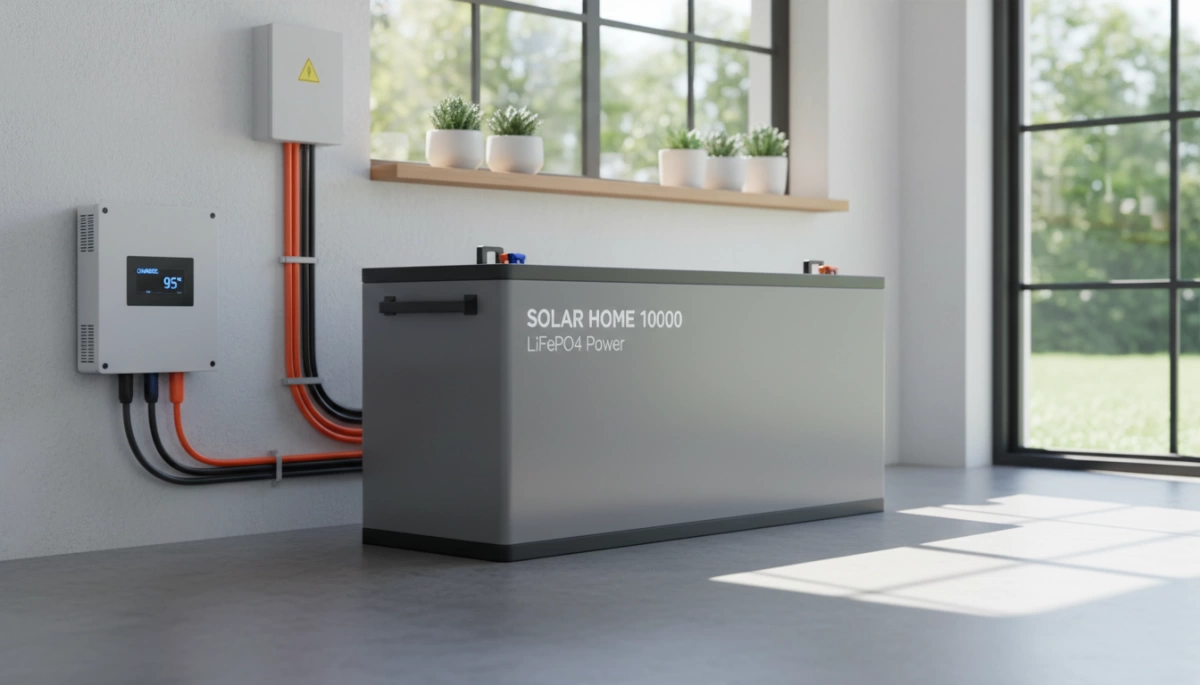
Are you tired of worrying about battery maintenance and short lifespans?
Choosing the wrong storage solution can drain both your power and your wallet.
As a solar enthusiast who has tested nearly every setup on the market, I can tell you that one technology stands above the rest.
Investing in a quality lifepo4 battery for solar energy storage is the smartest move you can make for your system.
In this guide, I’ll break down exactly why Lithium Iron Phosphate is the future of off-grid power and help you choose the perfect model for your needs.
Let’s dive in.
What is LiFePO4 Battery Technology for Solar Storage?
When upgrading a renewable energy system, choosing the right lifepo4 battery for solar energy storage is the most critical decision for long-term performance. Unlike older battery chemistries, Lithium Iron Phosphate (LiFePO4) technology is specifically engineered to handle the rigorous demands of daily charging and discharging found in solar applications. By utilizing high-quality Grade A cells, these batteries offer a stable, safe, and highly efficient solution for capturing energy from the sun.
The Role of Lithium Iron Phosphate in Renewable Energy
LFP batteries have become the gold standard for modern off-grid systems, RVs, and marine applications due to their inherent chemical stability. Unlike other lithium-ion variations that may be prone to thermal instability, Lithium Iron Phosphate is chemically robust, significantly reducing the risk of combustion. This makes them an eco-friendly choice, as they contain no toxic heavy metals like lead or cadmium, aligning perfectly with the clean energy goals of solar power users.
LiFePO4 vs. Traditional Lead-Acid Solar Batteries
The transition from lead-acid to lithium offers immediate operational benefits. While traditional lead-acid batteries are heavy and require regular maintenance, a lifepo4 battery for solar energy storage provides a superior user experience through several key technical advantages:
- Usable Capacity (DoD): LiFePO4 batteries allow for 100% Depth of Discharge (DoD) without damage, whereas lead-acid batteries should only be discharged to 50%.
- Weight Reduction: Lithium batteries are approximately 1/3 the weight of comparable lead-acid units, making installation and portability significantly easier.
- Efficiency: LFP technology delivers a round-trip energy efficiency of 95% or more, ensuring minimal power loss during the charge and discharge cycles.
- Lifespan: With a service life exceeding 10 years (4,000 to 6,000+ cycles), they far outlast the 2-3 year lifespan of traditional batteries.
Core Working Principles of Solar Battery Banks
At the heart of every LiFePO4 system is the Battery Management System (BMS). This integrated safety component is essential for managing the flow of energy between the solar panels, the battery bank, and the inverter. The BMS actively monitors the battery\’s health, providing critical protection against:
- Overcharging and Over-discharging
- Over-current and Short Circuits
- Thermal Runaway (Operating effectively from -20°C to 60°C)
This intelligent management ensures that the battery operates safely within its limits, maximizing the return on investment for any solar setup.
Top Advantages of Using LiFePO4 for Solar Energy
When we look at the current landscape of renewable power, the lifepo4 battery for solar energy storage stands out as the superior choice for modern applications. Unlike older technologies that struggle with efficiency losses, these batteries offer a round-trip energy efficiency of 95% or more. This means we waste significantly less power during the charging and discharging process, ensuring that the energy captured from your panels is actually available when you need it most. Whether you are running a marine vessel, an RV, or a stationary home system, the transition to Lithium Iron Phosphate technology represents a massive upgrade in reliability and performance.
Superior Lifespan and 7,000+ Cycle Durability
The most compelling reason to switch to LFP batteries is their incredible longevity. While traditional lead-acid batteries often fail after a few years, a high-quality LiFePO4 unit is built to last over 10 years. Based on our data, these batteries can deliver between 4,000 to over 6,000 deep cycles, depending on usage conditions. This extended service life makes them a smart financial decision in the long run. When you calculate the solar battery backup system cost over a decade, the initial investment in lithium pays off because you aren\’t replacing the battery bank every three to five years. Furthermore, these batteries allow for 100% Depth of Discharge (DoD) without damaging the cells, giving you access to the full capacity you paid for.
High Energy Density and Space-Efficient Design
Space is often at a premium in off-grid systems, especially in mobile applications like RVs or boats. One of the standout features of LiFePO4 technology is its weight advantage. These batteries are approximately 1/3 the weight of comparable lead-acid options. This high energy density means we can store more power in a smaller footprint, making installation much easier and reducing the physical load on your vehicle or structure. The compact nature of these batteries allows for flexible placement, freeing up valuable space for other essential gear or living areas.
Enhanced Safety and Thermal Stability
Safety is non-negotiable when dealing with energy storage. As a dedicated energy storage system supplier, we prioritize the chemical stability of the products we offer. Lithium Iron Phosphate is known for its high thermal stability, which significantly reduces the risk of combustion or thermal runaway, even under puncture or high-heat conditions. Every unit is equipped with a built-in Battery Management System (BMS). This critical component constantly monitors the battery to protect against:
- Overcharging and Over-discharging
- Over-current and Short circuits
- Thermal runaway
Additionally, these batteries operate effectively in a wide temperature range, discharging reliably from -20°C to 60°C (-4°F to 140°F), making them suitable for diverse climates.
Eco-Friendly and Maintenance-Free Operation
Finally, choosing a lifepo4 battery for solar energy storage is a cleaner choice for the environment. Unlike lead-acid counterparts, these batteries contain no toxic heavy metals like lead or cadmium. This makes disposal and recycling much less hazardous. From an operational standpoint, they are virtually maintenance-free. There is no need to check water levels or equalize charges. You simply install them and let the system run, enjoying consistent power without the daily hassle of battery maintenance. This \”install and forget\” convenience is a major benefit for anyone looking to simplify their energy management.
Key Types of LiFePO4 Solar Battery Systems
When selecting a lifepo4 battery for solar energy storage, the physical form factor and voltage configuration are just as important as the internal chemistry. We design these systems to adapt to everything from small mobile setups to massive residential power banks, all while maintaining the core benefits of Lithium Iron Phosphate technology: safety, longevity, and efficiency.
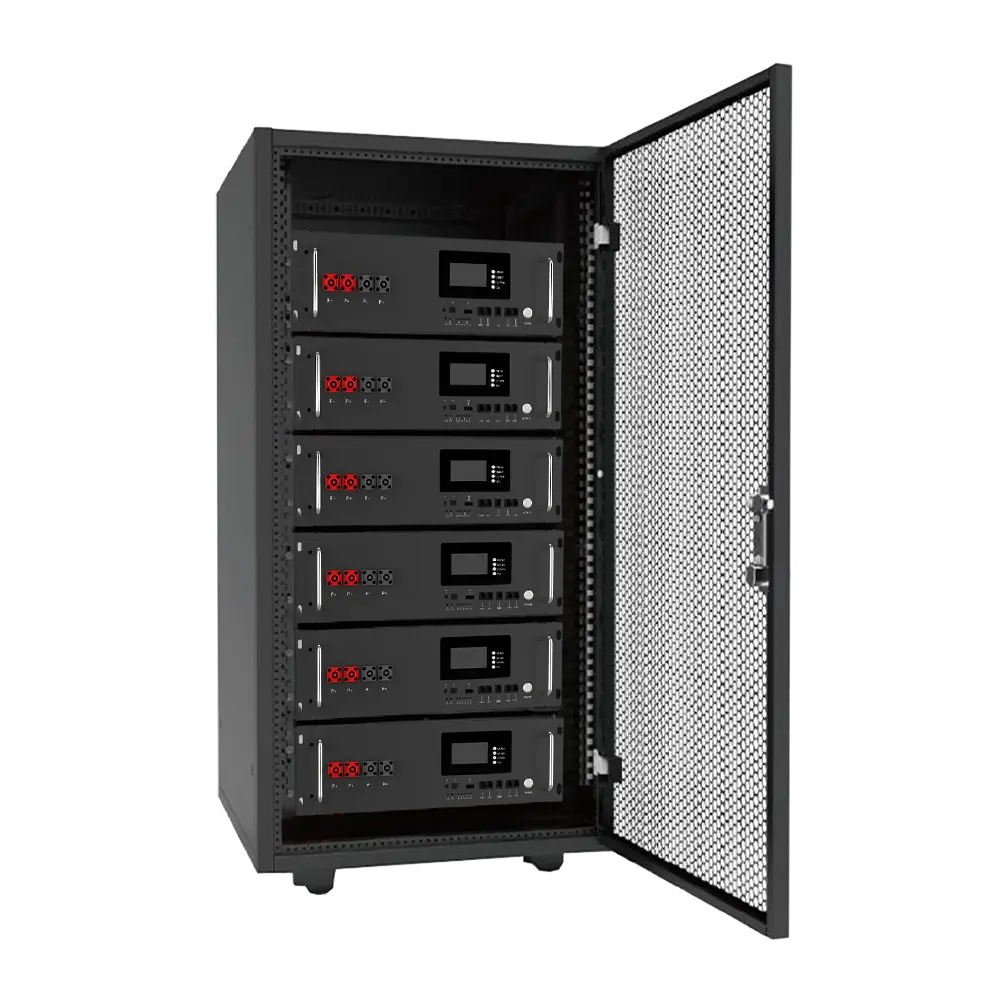
Server Rack Batteries for Modular Scalability
Server rack batteries are the industry standard for users who need to start small and expand later. These modules typically slide into standard 19-inch server cabinets, allowing you to build a massive battery bank without a messy footprint. Because LiFePO4 technology offers 4,000 to 6,000+ deep cycles, these rack-mounted units are a permanent investment for off-grid homes. They are designed to work in parallel, meaning you can easily add a 5kWh LiFePO4 battery pack to your existing bank as your energy needs grow, without needing to replace the entire system.
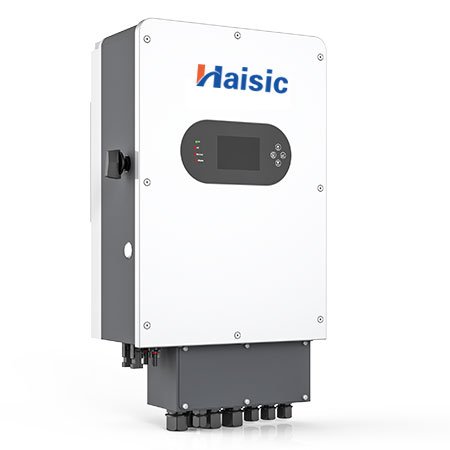
Wall-Mounted All-Weather Energy Storage Systems (ESS)
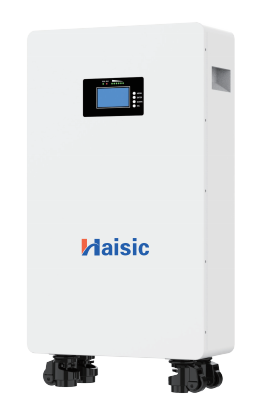
For residential applications where floor space is at a premium, wall-mounted units are the ideal solution. These sleek enclosures house the battery cells and the Battery Management System (BMS) in a vertical format that can be installed in garages or utility rooms.
- Space Efficiency: Mounts flat against the wall, freeing up floor space.
- Temperature Resilience: Capable of operating in discharge temperatures from -20°C to 60°C, making them suitable for varied climates.
- Safety: The stable chemical structure of LiFePO4 reduces risks of thermal runaway, even when mounted on residential structures.
Stackable High-Voltage Battery Bricks
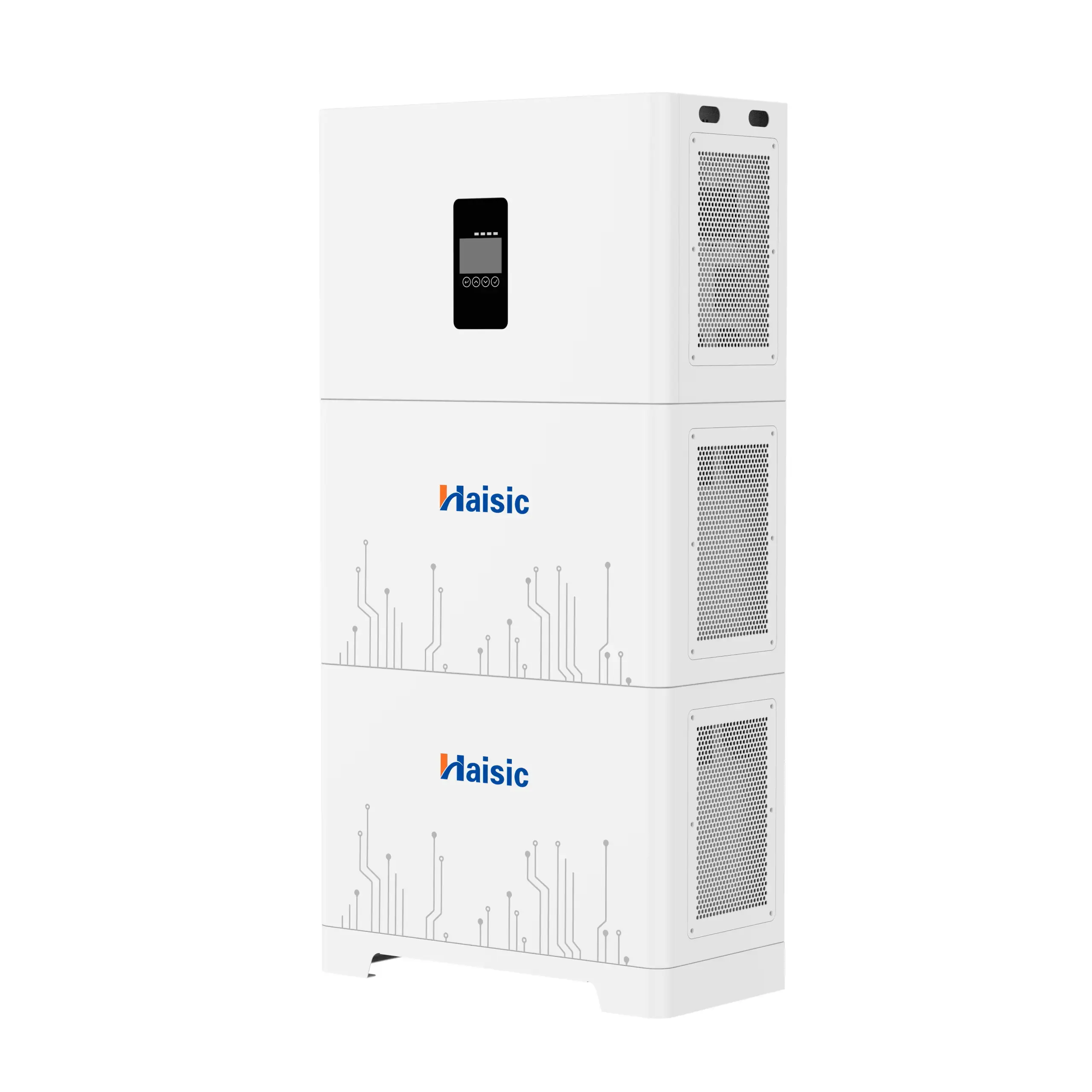
Stackable systems offer a plug-and-play approach to building high-voltage storage. Unlike standard 12V or 24V parallel connections, these \”bricks\” often connect in series to achieve higher voltages, which improves efficiency by reducing current and minimizing heat loss in the wiring. With a round-trip energy efficiency of 95%, these stackable units ensure that the solar power you generate is stored and retrieved with minimal waste. This configuration is popular for users who want a clean, wire-free look, as the connections are often internal or hidden between the stacked modules.
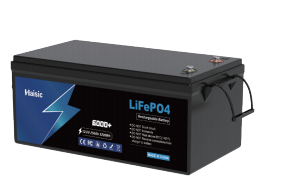
Portable and Low-Voltage Batteries for RVs and Boats
For mobile applications, the weight advantage of LFP batteries is a game-changer. A standard 12.8V LiFePO4 battery is approximately 1/3 the weight of a comparable lead-acid battery, making it perfect for RVs, marine vessels, and vans where every kilogram counts.
- 100% Depth of Discharge (DoD): You can use the full capacity of the battery without damage, unlike lead-acid which is limited to 50%.
- Vibration Resistance: The solid construction handles the movement of travel better than liquid-filled batteries.
- Eco-Friendly: These units contain no toxic heavy metals like lead or cadmium, ensuring a cleaner interaction with the environment during your travels.
Main Components and System Integration
Building a reliable energy system goes beyond just buying a battery; it requires ensuring every piece of hardware communicates effectively. When we deploy a lifepo4 battery for solar energy storage, the integration of inverters, controllers, and safety systems determines the overall efficiency and longevity of the setup.
Compatibility with Solar Inverters and Charge Controllers
The most critical step is matching your battery bank to your inverter and charge controller. Unlike lead-acid units, LFP batteries maintain a stable voltage (typically 12.8V for standard modules) throughout the discharge cycle. Your charge controller must be programmable or have a specific lithium setting to handle the charging profile correctly. This ensures you achieve the high round-trip energy efficiency of 95% or more that these batteries are capable of.
For smaller off-grid setups, a standard 12V lithium ion battery is often a drop-in replacement, provided the upstream equipment can regulate the voltage within the safe operating range. Using a controller that supports lithium ensures you can utilize the full 100% Depth of Discharge (DoD) without damaging the cells.
The Importance of a Battery Management System (BMS)
We consider the Battery Management System (BMS) the brain of the operation. You cannot safely run a lithium battery without one. The BMS is integrated directly into the battery pack to monitor cell health in real-time. It acts as a fail-safe against the most common causes of battery failure.
Core BMS Protection Functions:
| Protection Type | Function | Benefit |
|---|---|---|
| Overcharge Protection | Stops current when full | Prevents cell damage and swelling |
| Over-discharge Protection | Cuts power at low voltage | Preserves cycle life (4,000–6,000+ cycles) |
| Thermal Management | Monitors temp (-20°C to 60°C) | Prevents operation in extreme heat or cold |
| Short Circuit Shield | Detects surges | Prevents fire and hardware failure |
Because LiFePO4 chemistry is chemically stable and prone to thermal runaway, the BMS adds that final layer of reliability, ensuring the system remains safe even if an external component fails.
Battery Accessories and Racking Solutions
Since a LiFePO4 battery is approximately 1/3 the weight of a comparable lead-acid battery, physical installation is much more flexible. You don\’t need the heavy-duty reinforced flooring required for traditional banks. However, proper racking is still essential to ensure airflow and secure positioning.
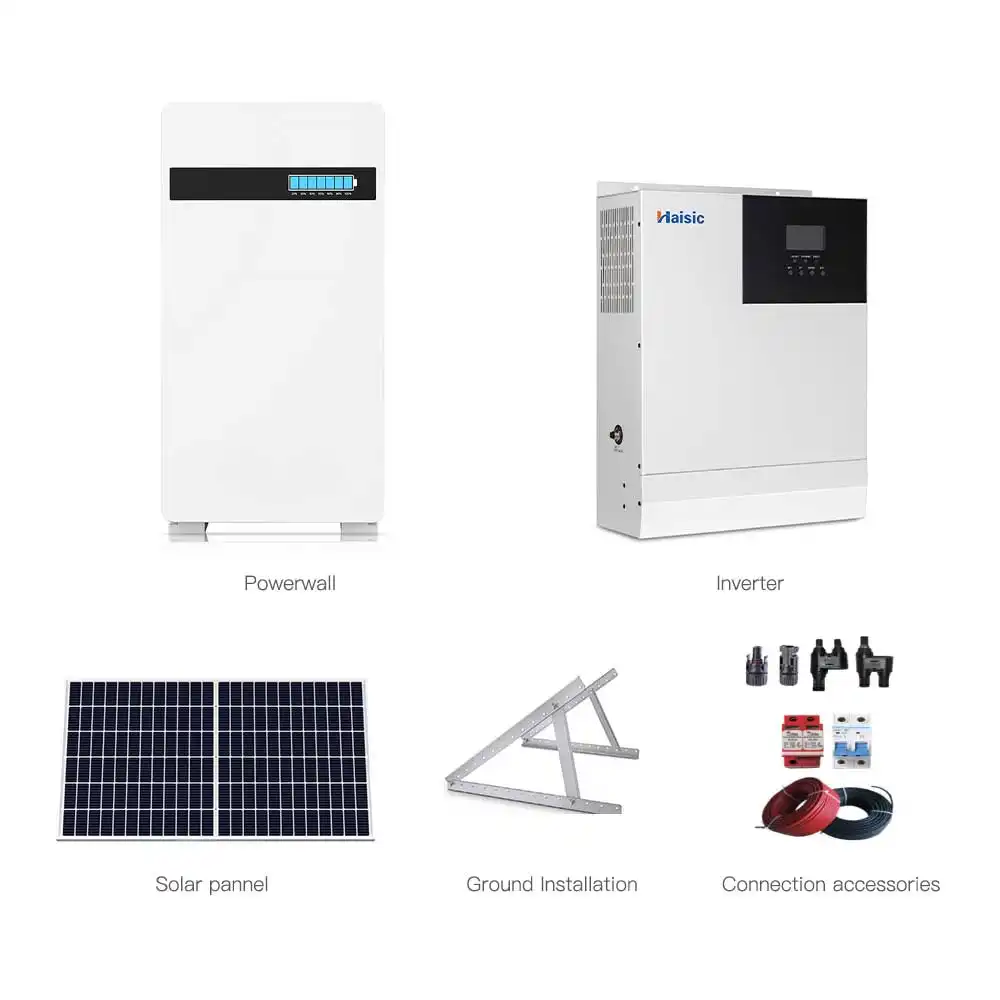
High-quality cables and connectors are non-negotiable. Because these batteries can discharge at high rates, undersized cables will result in voltage drops and heat buildup. We always recommend using busbars for multi-battery banks to ensure balanced charging across all units. For larger home setups, using a dedicated residential energy storage system often simplifies this by housing the cells and connections in a pre-wired, stackable cabinet.
Integrating Monitoring Apps and Smart Features
Visibility is key to managing your energy independence. Modern off-grid systems often pair with monitoring apps that communicate with the BMS or the inverter. This allows you to track the State of Charge (SoC) with precision. Unlike lead-acid batteries where voltage is a poor indicator of remaining capacity, a smart monitoring system counts the energy flowing in and out. This data helps you optimize your usage, ensuring you are getting the full benefit of the battery\’s extended lifespan and deep cycling capabilities.
Application Scenarios for LiFePO4 Storage
The versatility of lithium iron phosphate technology makes it the go-to choice for a wide range of energy needs. Whether we are powering a remote cabin or securing a suburban home against blackouts, a lifepo4 battery for solar energy storage delivers consistent performance where traditional lead-acid options often fail.
Off-Grid Living and Remote Power Systems
When you disconnect from the utility grid, your battery bank becomes your lifeline. In off-grid systems, efficiency and reliability are non-negotiable. We prefer LiFePO4 batteries here because they offer a 95% round-trip energy efficiency, meaning almost all the solar power you capture is available for use. Unlike lead-acid batteries that suffer from voltage sag, these units maintain steady power delivery even under heavy loads.
Another critical factor for remote living is usable capacity. With a 100% Depth of Discharge (DoD), you can utilize the full rated capacity of the battery without damaging its health. This allows you to install a smaller, more efficient bank of lithium batteries for solar panels compared to the oversized lead-acid banks required to achieve the same usable energy.
Residential Backup and Grid-Tied Solar Support
For homeowners, energy security and safety are top priorities. Integrating a robust storage system allows households to store excess solar energy generated during the day and use it during peak rate hours or power outages. The integrated Battery Management System (BMS) is vital here, protecting the system against overcharging, short circuits, and thermal runaway, which provides peace of mind for indoor installations.
- Long-Term Value: With a service life exceeding 10 years (4,000 to 6,000+ cycles), homeowners rarely need to worry about replacements.
- Eco-Friendly: These batteries contain no toxic heavy metals like lead or cadmium, making them a safe addition to a green home.
For a seamless home integration, a dedicated floor-mounted home energy storage unit often provides the best balance of capacity and space-saving design.
Commercial and Industrial Energy Storage
Businesses are increasingly turning to LFP batteries to manage operational costs and ensure continuity. In commercial settings, the high cycle life of LiFePO4 technology translates directly to better Return on Investment (ROI). Since these batteries require zero maintenance—no watering or equalization charging—operational expenses drop significantly compared to legacy battery chemistries. The high thermal stability of lithium iron phosphate also reduces the risk of combustion, which is a critical safety requirement for industrial facilities housing expensive equipment.
Mobile Solar Solutions for Tiny Homes and Vans
Space and weight are at a premium in RVs, marine applications, and tiny homes. This is where the physical design of LiFePO4 shines. These batteries are approximately 1/3 the weight of comparable lead-acid batteries, making them incredibly easy to transport and install in tight compartments.
Travelers also benefit from the robust operating temperature range. Whether you are parked in freezing conditions down to -20°C (-4°F) or traveling through heat up to 60°C (140°F), the battery remains functional. The Grade A cells used in these systems are built to withstand the vibrations and bumps of the road, ensuring reliable power wherever your journey takes you.
Technical Considerations and Selection Guide
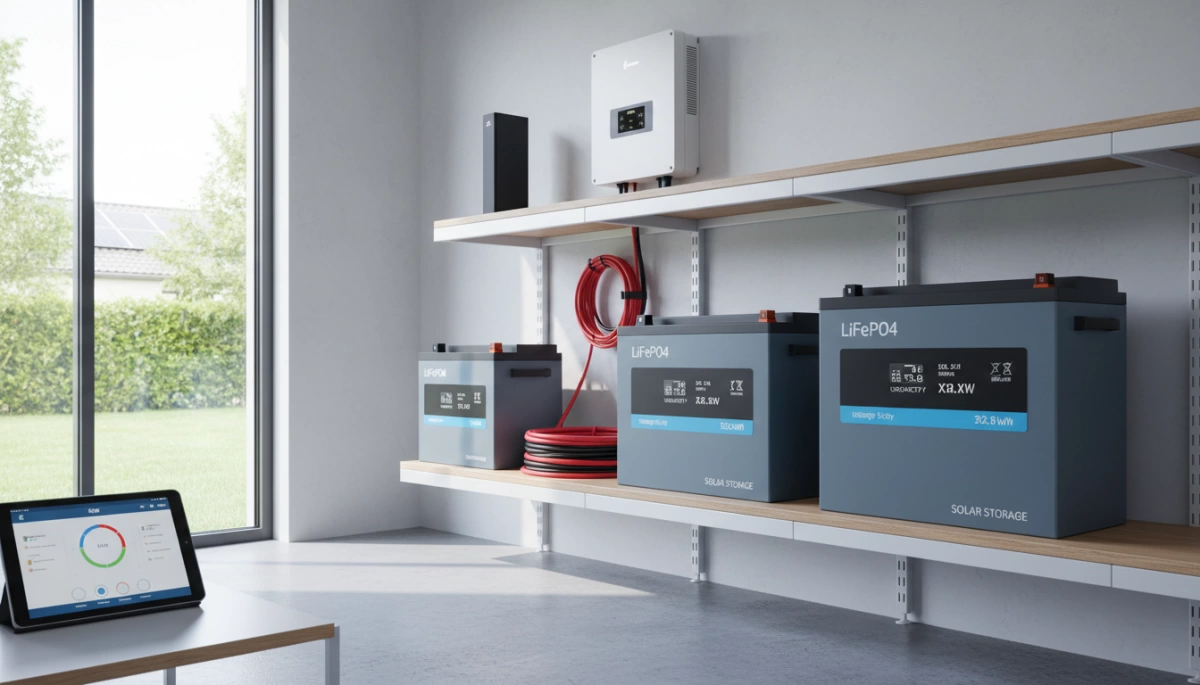
When selecting the best lifepo4 battery for solar energy storage, you need to look beyond the basic price tag. We focus on the technical specs that dictate how your system performs in the real world. From usable capacity to environmental resilience, understanding these factors ensures your off-grid setup runs smoothly for years.
Determining Usable Capacity and Depth of Discharge (DoD)
One of the biggest misconceptions in solar storage is treating rated capacity as usable capacity. With traditional lead-acid batteries, you are generally limited to using only 50% of the stored energy to prevent irreversible damage.
In contrast, our LiFePO4 technology allows for a 100% Depth of Discharge (DoD). This means if you install a 100Ah battery, you can utilize the full 100Ah without degrading the battery\’s health. This effectively doubles your usable power compared to older technologies, allowing you to install a smaller, lighter bank for the same energy output.
Choosing the Right Voltage: 12V, 24V, or 48V Systems
Matching your battery voltage to your inverter and solar array is critical for system efficiency. Higher voltage systems generally allow for thinner wiring and less energy loss over distance.
- 12V Systems: Ideal for RVs, vans, and small cabins. A standard 12.8V LiFePO4 battery pack is often a direct drop-in replacement for existing lead-acid setups in these applications.
- 24V Systems: A sweet spot for medium-sized off-grid homes. Using a dedicated 25.6V LiFePO4 battery solution reduces the number of connections needed compared to stringing 12V batteries in series.
- 48V Systems: The standard for full residential off-grid systems, offering the highest efficiency for high-power inverters.
Performance in Low Temperatures and Extreme Climates
Environmental conditions play a huge role in battery longevity. Our LFP batteries are engineered with high chemical stability, making them safe and reliable across a wide range of temperatures.
- Operating Range: Effective discharge from -20°C to 60°C (-4°F to 140°F).
- Thermal Safety: The integrated Battery Management System (BMS) monitors internal temperatures to prevent thermal runaway.
- Cold Weather: While discharge is reliable in the cold, we recommend housing batteries in an insulated space to ensure optimal charging performance during freezing winter months.
Understanding Charging Efficiency and Cycle Life
Efficiency determines how much of the solar energy you capture actually makes it back out to your appliances. Off-grid systems rely on maximizing every watt produced by your panels.
Comparison of Efficiency and Lifespan:
| Feature | Lead-Acid Battery | LiFePO4 Solar Battery |
|---|---|---|
| Round-Trip Efficiency | ~80% | ≥ 95% |
| Cycle Life | 500 – 1,000 Cycles | 4,000 – 6,000+ Cycles |
| Service Life | 3 – 5 Years | 10+ Years |
| Maintenance | Regular Watering/Checking | Maintenance-Free |
With a round-trip energy efficiency of 95% or more, LiFePO4 batteries waste significantly less energy during the charge and discharge process. Combined with a service life exceeding 10 years, they offer a far superior return on investment despite the higher upfront cost.
Installation, Maintenance, and Safety
Best Practices for Professional Solar Battery Installation
When we install a lifepo4 battery for solar energy storage, the process is significantly streamlined compared to legacy systems. One of the immediate benefits we see is the weight reduction; these units are approximately 1/3 the weight of comparable lead-acid batteries, making them highly portable and easier to position in off-grid systems or tight spaces.
Despite the ease of handling, professional installation requires attention to detail. Always ensure your connections are tight to minimize resistance. Our batteries come equipped with a sophisticated Battery Management System (BMS). This integrated system is the first line of defense, actively protecting against over-currents, short circuits, and reverse polarity during the setup process.
Proper Venting and Temperature Control Requirements
Unlike lead-acid options that release harmful gases, LFP batteries are eco-friendly and do not emit toxic heavy metals or gases, meaning they do not require aggressive ventilation systems. However, thermal management remains key to preserving the 10+ year lifespan.
Our LiFePO4 batteries are designed to operate effectively within a discharge temperature range of -20°C to 60°C (-4°F to 140°F). Extreme cold can impact charging efficiency, so understanding how lithium batteries perform in cold weather is vital for system longevity. Ensure the installation location is dry and stays within these temperature boundaries to maintain that high 95% energy efficiency.
Regular Maintenance and Troubleshooting Tips
The shift to lithium iron phosphate technology essentially eliminates the daily maintenance headaches associated with solar storage. Because these batteries support 100% Depth of Discharge (DoD) without damage, you do not need to worry about the strict discharge limits that plague lead-acid users.
Maintenance Comparison:
| Feature | Lead-Acid Battery | LiFePO4 Battery |
|---|---|---|
| Watering | Requires regular distilled water top-ups | None required |
| Discharge Limit | Max 50% to avoid damage | 100% Safe Discharge |
| Balancing | Manual equalization charges needed | Automatic via BMS |
| Storage | High self-discharge rate | Low self-discharge |
If troubleshooting is ever needed, the BMS is the central hub. It monitors cell health and will automatically cut off power if it detects unsafe conditions like over-charging or extreme temperatures, protecting your investment automatically.
Safety Certifications to Look For: UL1973 and UL9540A
Safety is the foundation of any energy storage system. While specific certifications like UL1973 and UL9540A are industry benchmarks for battery safety and fire resistance, the core chemistry of our products provides inherent protection. We utilize Grade A cells and lithium iron phosphate chemistry, which is recognized for its superior thermal stability.
Unlike other lithium ion chemistries, LiFePO4 is chemically stable and poses an extremely low risk of thermal runaway, combustion, or explosion, even under high heat or puncture conditions. This makes them the safest choice for residential and mobile solar applications.
Cost Analysis and Purchasing Advice
When switching to renewable energy, the financial aspect is often the deciding factor. While the upfront sticker price of a lifepo4 battery for solar energy storage is higher than traditional lead-acid options, the economics shift drastically when you calculate the total cost of ownership over the system\’s life. We focus on delivering value through longevity and efficiency, ensuring that your investment pays dividends for years to come.
Initial Investment vs. Long-Term ROI
The \”sticker shock\” of lithium batteries often scares off first-time buyers, but this is a short-sighted view. Traditional lead-acid batteries may look cheaper initially, but they typically require replacement every 2 to 3 years depending on usage. In contrast, our LiFePO4 batteries are engineered for 4,000 to 6,000+ deep cycles, which translates to a service life of over 10 years.
Here is why the Return on Investment (ROI) is superior with Lithium Iron Phosphate:
- Usable Capacity: You can discharge LiFePO4 batteries to 100% Depth of Discharge (DoD) without damage, whereas lead-acid is limited to 50%. This means you need fewer lithium batteries to achieve the same usable energy capacity.
- Efficiency: With a round-trip energy efficiency of 95% or more, you waste less power during the charge and discharge process compared to the energy loss seen in older battery chemistries.
- Zero Maintenance: There is no need for watering or equalization charging, saving you labor costs and time.
Direct Manufacturer Sourcing and Warranty Coverage
Sourcing directly from the manufacturer eliminates middleman markups, giving you access to high-quality Grade A cells at a competitive price point. When evaluating suppliers for LFP batteries, the warranty is a critical indicator of product confidence. A robust warranty protects your asset and ensures that the manufacturer stands behind the stated cycle life and performance metrics. We prioritize transparency in our warranty terms because we know that reliability is the cornerstone of successful off-grid systems.
How to Compare Top LiFePO4 Brands and Models
Not all lithium batteries are created equal. When comparing different models, look beyond the voltage and amp-hour rating. You need to verify the quality of the internal components, specifically the Battery Management System (BMS). A high-quality BMS is non-negotiable; it protects against overcharging, over-discharging, short circuits, and thermal runaway.
Key comparison points include:
- Weight: Our LiFePO4 units are approximately 1/3 the weight of comparable lead-acid batteries, making installation and portability significantly easier.
- Safety Features: Ensure the battery has built-in thermal stability and protection against extreme temperatures (-20°C to 60°C).
- Scalability: Check if the system allows for easy expansion.
For homeowners looking to secure their energy independence, selecting the right battery storage for home involves balancing capacity needs with these safety and efficiency features.
Scaling Your Solar Bank: Adding Extra Capacity Later
One of the distinct advantages of LiFePO4 technology is modularity. You do not need to purchase your entire lifetime energy requirement upfront. If your budget is tight, you can start with a smaller bank and add more units in parallel as your energy needs grow.
Unlike lead-acid banks, where mixing old and new batteries can severely degrade performance, a well-managed lifepo4 battery for solar energy storage bank is more forgiving when scaling up. This flexibility allows you to build a system that grows with your family or business, ensuring you always have the power you need without overspending initially.