

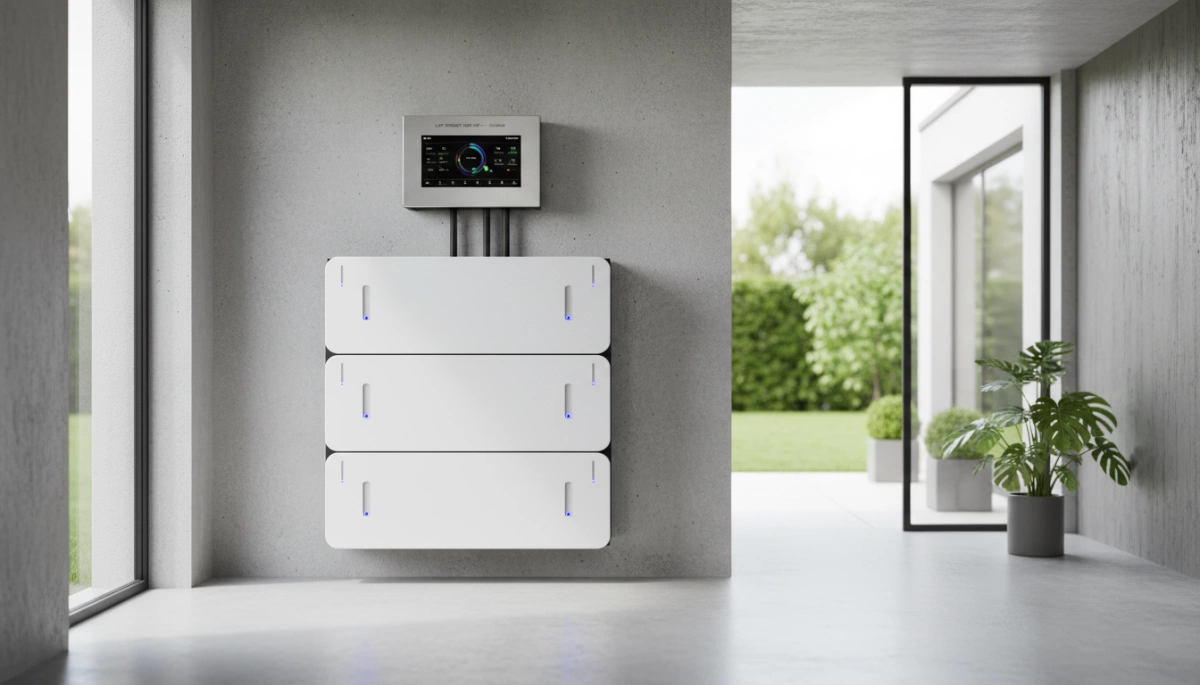
Selecting the right battery for your project can be the difference between a high-maintenance liability and a decade of reliable, worry-free power. You’ve likely noticed the global market aggressively pivoting away from traditional chemistries toward LFP energy storage.
At Haisic, we know that for industrial planners and solar installers, safety, longevity, and total cost of ownership are the only metrics that truly matter. That’s where Lithium Iron Phosphate (LiFePO4) excels—offering a cobalt-free, thermal-runaway-resistant solution that outclasses NMC alternatives in every critical category.
In this guide, you’ll learn exactly why LFP is the future-proof choice for BESS (Battery Energy Storage Systems) and how it delivers a superior cycle life for residential, commercial, and utility-scale applications.
Let’s dive right in.
What is LFP Technology and How Does It Work?
I prioritize LFP energy storage because of its unique chemical foundation. LFP stands for Lithium Iron Phosphate ($LiFePO_4$), a chemistry that differs significantly from the standard lithium-ion batteries found in phones or laptops. At the molecular level, LFP utilizes an olivine crystal structure. I find this structural framework critical because the strong covalent bonds between phosphorus and oxygen atoms create a robust lattice that remains stable even under extreme conditions.
Core Chemistry and Operating Principles
In a typical LiFePO4 battery storage cycle, lithium ions move between the cathode and the anode. What sets my LFP solutions apart is the cathode material. By using iron and phosphate, I eliminate the need for expensive and ethically problematic metals like cobalt or nickel.
- Cobalt-Free Design: Eliminates ethical sourcing concerns and reduces environmental impact.
- Nickel-Free Composition: Lowers volatile chemical reactions during high-stress usage.
- Charge/Discharge Efficiency: Lithium ions migrate through the electrolyte with minimal internal resistance.
Thermal Stability and Safety
Safety isn\’t just a feature; it’s the core of safe lithium battery technology. Because of the olivine structure, LFP cathodes are inherently resistant to oxygen release—the primary driver of fires in other lithium chemistries.
| Feature | LFP (Lithium Iron Phosphate) |
|---|---|
| Cathode Structure | Strong P-O Covalent Bonds |
| Thermal Runaway Temp | Approx. $270°C$ ($518°F$) |
| Hazardous Materials | No Cobalt / No Nickel |
| Main Benefit | High structural integrity under heat |
This thermal stability means that even if a cell is punctured or overcharged, the risk of a self-sustaining fire is nearly non-existent. For lfp battery storage applications, this provides a level of reliability that I believe is non-negotiable for both residential homes and industrial grid sites.
Key Benefits of LFP Energy Storage
When we look at the core of our lfp energy storage solutions, safety and longevity are the two non-negotiables. We focus on Lithium Iron Phosphate (LiFePO4) because it offers the most stable chemistry for stationary power. Unlike other lithium chemistries, these batteries provide a massive return on investment by lasting over a decade under daily use.
Unmatched Safety and Thermal Runaway Prevention
Safety is our top priority. Safe lithium battery technology starts with the chemistry itself; LFP is naturally resistant to overheating.
- Thermal Stability: The olivine crystal structure in LFP doesn\’t break down easily, making thermal runaway prevention a built-in feature rather than an afterthought.
- High Temperature Tolerance: These systems operate efficiently in extreme climates where other batteries might degrade or fail.
- Physical Durability: Even under puncture or short-circuiting, LFP is significantly less likely to catch fire or explode.
Exceptional LFP Cycle Life and ROI
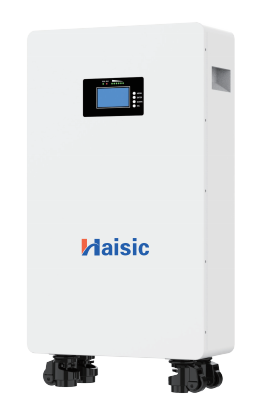
We build our systems to go the distance. A standard LiFePO4 battery storage unit can easily exceed 6,000 cycles at 80% Depth of Discharge (DoD). This means our haisic 512V 20kWh LiFePO4 energy storage system can serve a home or business for 15+ years.
| Feature | Performance Standard |
|---|---|
| LFP Cycle Life | 6,000+ Full Cycles |
| Operational Life | 10 to 20 Years |
| Efficiency | >95% Round-trip |
| Eco-Profile | Cobalt-free batteries |
Cobalt-Free and Sustainable Performance
Sustainability is no longer optional in the global market. By moving to cobalt-free batteries, we eliminate the ethical and environmental risks associated with heavy metal mining.
- Recyclability: The materials in LFP are easier to recover and reuse, reducing the total lifecycle impact.
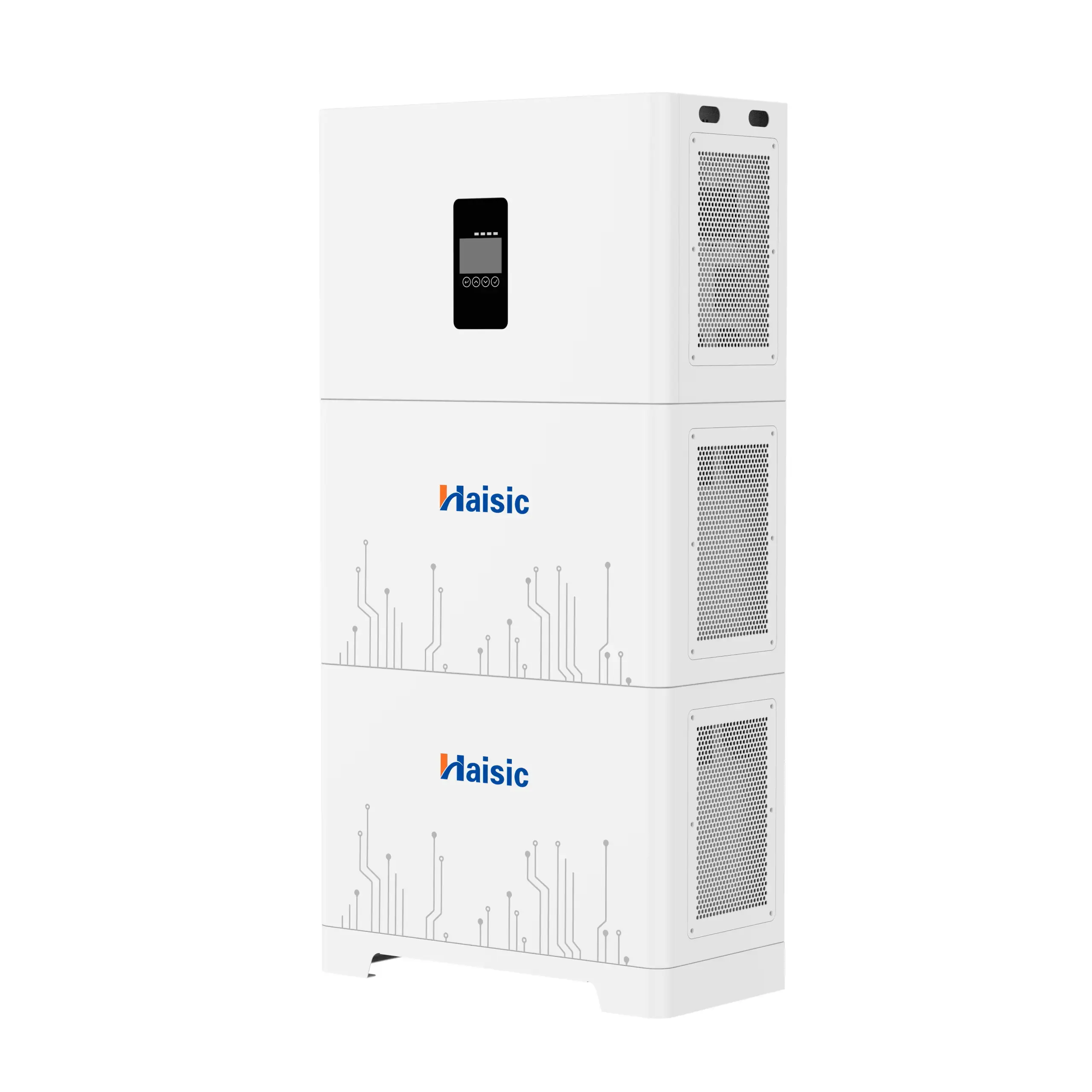
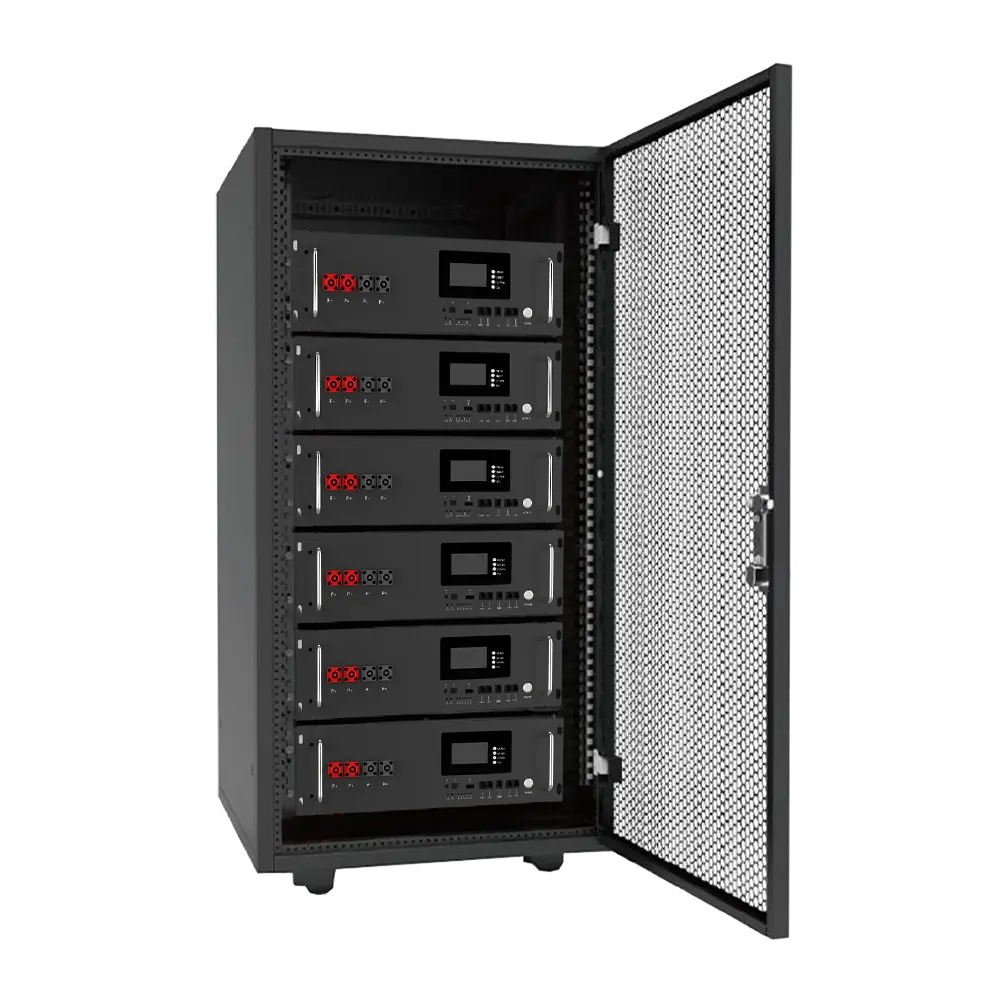
- Stackable Scalability: Our 512V 100Ah LiFePO4 stackable energy storage battery allows you to expand capacity as your needs grow without replacing the entire setup.
- Efficiency: High discharge rates and low self-discharge ensure your stored energy is there exactly when you need it, maximizing your solar investment.
LFP vs NMC: The Best Chemistry for LFP Energy Storage
When we conduct an LFP vs NMC comparison, the choice usually comes down to a trade-off between energy density and long-term reliability. NMC (Nickel Manganese Cobalt) batteries are popular for electric vehicles where space is tight, but for lfp battery storage, safety and longevity take center stage.
Safety and Thermal Stability
We prioritize safe lithium battery technology above all else. LFP’s chemical structure is naturally stable, meaning it can handle high temperatures without catching fire. NMC batteries are more energy-dense but carry a higher risk of thermal runaway if damaged or overcharged.
Comparing the Core Specs
The following table breaks down why we favor lfp energy storage for stationary applications:
| Feature | LFP (LiFePO4) | NMC (Nickel Manganese Cobalt) |
|---|---|---|
| Safety | Excellent (Non-combustible) | Moderate (Higher fire risk) |
| LFP Cycle Life | 6,000+ Cycles | 1,000 – 2,500 Cycles |
| Lifespan | 10–15+ Years | 5–8 Years |
| Materials | Cobalt-free (Ethical) | Uses Cobalt and Nickel |
| LCOS | Significantly Lower | Higher |
Total Cost of Ownership (TCO)
While NMC might have a lower upfront price in some niche markets, the Levelized Cost of Storage (LCOS) tells a different story. Because LFP batteries last three to four times longer, the cost per kilowatt-hour over the system\’s life is much lower. When you calculate the total cost of solar battery storage, LFP consistently delivers a better return on investment.
- Longevity: LFP can be discharged to 100% daily for years with minimal degradation.
- Maintenance: LFP is more \”set it and forget it\” due to its chemical robustness.
- Environment: Being cobalt-free makes LFP easier to recycle and more ethical to source.
For stationary battery storage, where weight is less of a concern than safety and profit, LFP is the undisputed industry standard.
Real-World Applications of LFP Energy Storage
LFP technology isn\’t just a concept; it’s the current backbone of the global transition to renewable energy. I see lfp battery storage being deployed across every sector because it balances cost with an incredible safety profile. From small homes to massive utility sites, these systems provide the reliability needed to move away from fossil fuels.
Residential Solar and Backup Power
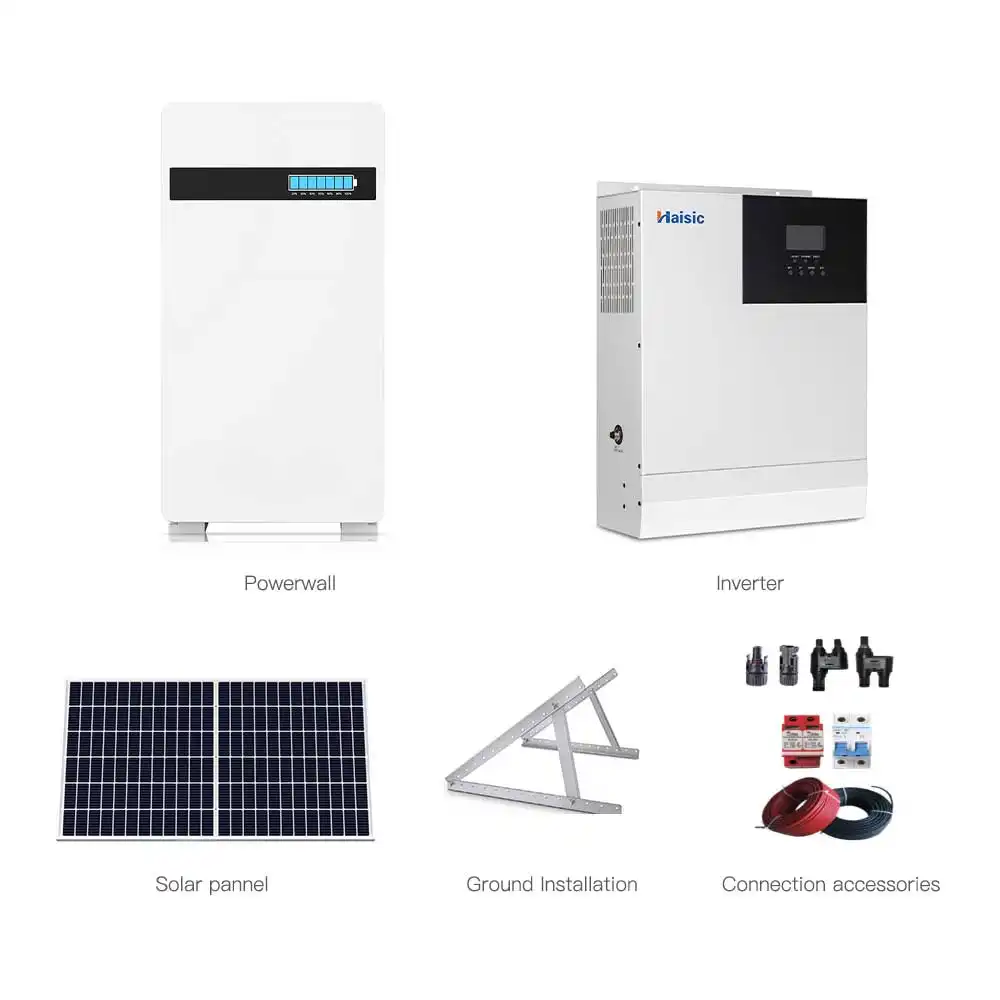
For homeowners, safety is the non-negotiable factor. Residential solar battery setups using LiFePO4 chemistry are now the industry standard because they don\’t suffer from thermal runaway. My preferred 5kW power energy storage solar system for home offers peace of mind, allowing families to store daytime solar energy for night use or emergency blackouts without worrying about fire risks in the garage.
Commercial and Industrial (C&I) Solutions
Businesses use commercial energy storage solutions to tackle \”demand charges\”—those massive spikes in utility bills during peak hours. By using an LFP-based industrial and commercial energy storage battery, companies can \”peak shave,\” drawing power from the batteries when grid prices are highest.
- Demand Charge Management: Lowering operational costs by discharging during peak utility rates.
- Factory Backup: Ensuring sensitive machinery stays running during momentary voltage drops.
- Microgrid Independence: Allowing remote facilities to run entirely on solar and LFP storage.
Grid-Scale Stability and EV Infrastructure
On a larger scale, grid-scale LFP batteries are essential for stabilizing the national power supply. They respond in milliseconds to frequency changes, keeping the grid balanced as more wind and solar come online.
I’m also seeing a massive surge in lfp energy storage being paired with EV charging stations. High-speed chargers put immense strain on local transformers; adding a Battery Energy Storage System (BESS) buffers that load, allowing fast charging in areas where the grid is otherwise too weak to support it. This combination is the secret to scaling up electric vehicle adoption globally.
Market Trends and Future Outlook for LFP Energy Storage
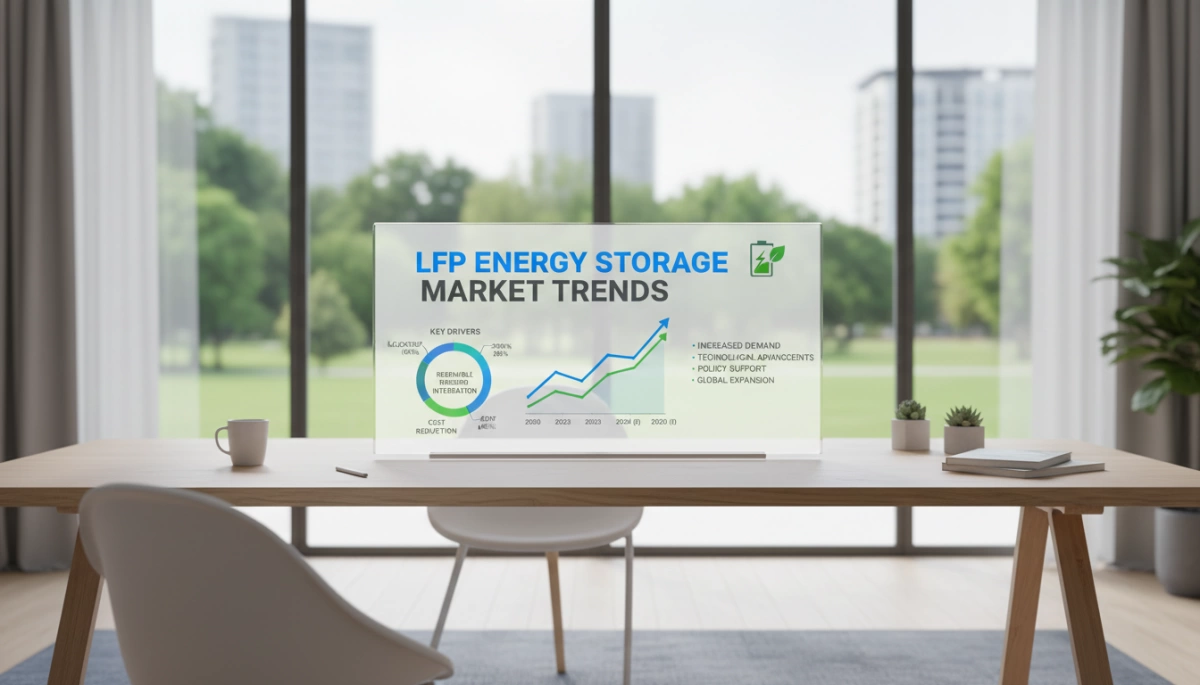
The shift toward lfp energy storage is accelerating faster than most anticipated. I’ve seen the market move from experimental use to becoming the backbone of the global stationary battery storage sector. As we look ahead, the transition from NMC to LFP for large-scale and residential projects is nearly complete, driven by economic common sense and safety.
Dominance in Stationary Battery Storage
Current projections show that Lithium iron phosphate energy storage will soon capture the majority of the Battery energy storage system (BESS) market. Unlike the EV sector, which often prioritizes weight, stationary systems prioritize longevity and safety. I’ve found that the superior LFP cycle life and thermal stability make it the only logical choice for long-term infrastructure.
- Grid-Scale LFP Batteries: Now the standard for utility projects due to fire safety.
- Residential Growth: Most homeowners now specifically request the best battery storage for solar to ensure home safety.
- Commercial Adoption: Businesses are leveraging lfp battery storage to slash demand charges and improve reliability.
Price Declines and Supply Chain Maturity
The \”premium\” price tag once associated with high-quality lithium is gone. We are seeing a significant decline in the total cost of ownership energy storage thanks to a matured global supply chain.
| Market Driver | Impact on the Industry |
|---|---|
| Patent Expirations | Key LiFePO4 battery storage patents have expired, allowing global manufacturers to produce without heavy licensing fees. |
| Economies of Scale | Massive production increases have driven down the cost per kWh. |
| Raw Material Access | Since these are cobalt-free batteries, they avoid the ethical and supply-chain bottlenecks of rare earth metals. |
The expiration of core patents has leveled the playing field, allowing us to offer high-performance grid-scale LFP batteries at a fraction of the cost seen five years ago. This maturation ensures that lfp energy storage isn\’t just a trend—it\’s the permanent foundation of the renewable energy transition.
Solving Common Challenges in LFP Energy Storage
We recognize that while lfp energy storage is the industry standard for safety, it does come with specific technical hurdles. The most prominent is the flat voltage curve. Because the voltage of a LiFePO4 cell stays remarkably steady during discharge, it is difficult for basic sensors to accurately determine the State of Charge (SOC).
Advanced BMS for LFP Accuracy
To overcome this, we utilize an Advanced BMS for LFP that employs more than just voltage checks. Our systems use \”coulomb counting\” and sophisticated algorithms to track the actual energy moving in and out of the cells.
- High-Precision Monitoring: We integrate shunts that measure current with extreme accuracy to prevent SOC drift.
- Active Cell Balancing: This ensures all cells within the LiFePO4 battery storage system wear evenly, preventing premature capacity loss.
- System Transparency: Using a touchscreen energy storage system allows you to monitor these metrics in real-time, providing total control over your power.
Maximizing ROI and System Optimization
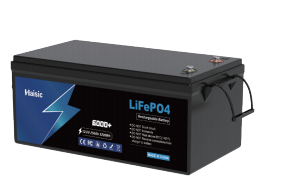
Maximizing your levelized cost of storage (LCOS) requires smart hardware that protects your investment. By implementing a high-quality 12.8V 280Ah BMS battery storage system, we address the \”silent\” challenges of cell drift and thermal management.
| Challenge | Modern LFP Solution |
|---|---|
| Voltage Plateau | Integrated Coulomb Counting & OCV mapping |
| SOC Uncertainty | AI-driven algorithms for precise capacity estimation |
| Cold Weather Lag | Integrated self-heating elements and thermal management |
| System Longevity | Advanced Safe lithium battery technology with 6,000+ cycle ratings |
By focusing on these modern optimizations, we ensure your lfp energy storage setup delivers the highest possible return on investment through superior reliability and a longer operational lifespan.
Choosing the Right LFP Energy Storage Solution
Selecting the ideal lfp energy storage system is about more than just picking a capacity; it’s about matching the battery to your specific load profile and long-term goals. We focus on providing high-performance LiFePO4 battery storage that integrates seamlessly with existing power setups. When evaluating your options, prioritize safe lithium battery technology backed by global certifications like UL or CE to ensure the highest safety standards for your property.
Core Factors for Selection
- Usable Capacity & Scalability: Ensure the system offers a high depth of discharge (DoD). Our 10kw storage battery options provide the perfect balance for medium-to-large households.
- Integration Compatibility: The system must communicate effectively with your inverter. We design our units for \”plug-and-play\” compatibility with leading global hybrid inverters.
- Manufacturer Expertise: A battery is only as good as its BMS. Choose providers with a deep history in stationary storage rather than repurposed EV technology.
- Warranty & Longevity: Look for a 10-year warranty that guarantees a specific remaining capacity, ensuring your investment is protected over thousands of cycles.
| Feature | Importance | What to Look For |
|---|---|---|
| Certifications | High | UL1973, IEC62619, CE |
| Cycle Life | Critical | 6,000+ cycles at 80% DoD |
| Support | High | Localized technical assistance |
For those looking to secure their energy independence, a well-sized battery storage for home setup offers the best ROI by maximizing solar consumption and providing reliable backup. Investing in premium lfp battery storage means choosing a \”set-and-forget\” solution that delivers consistent power for over a decade.