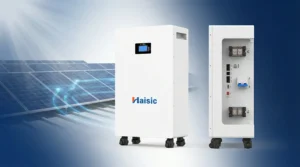
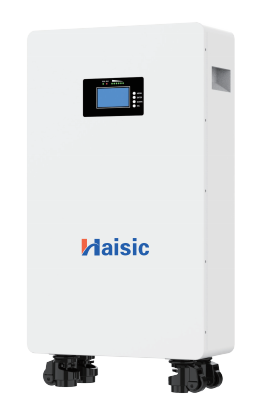
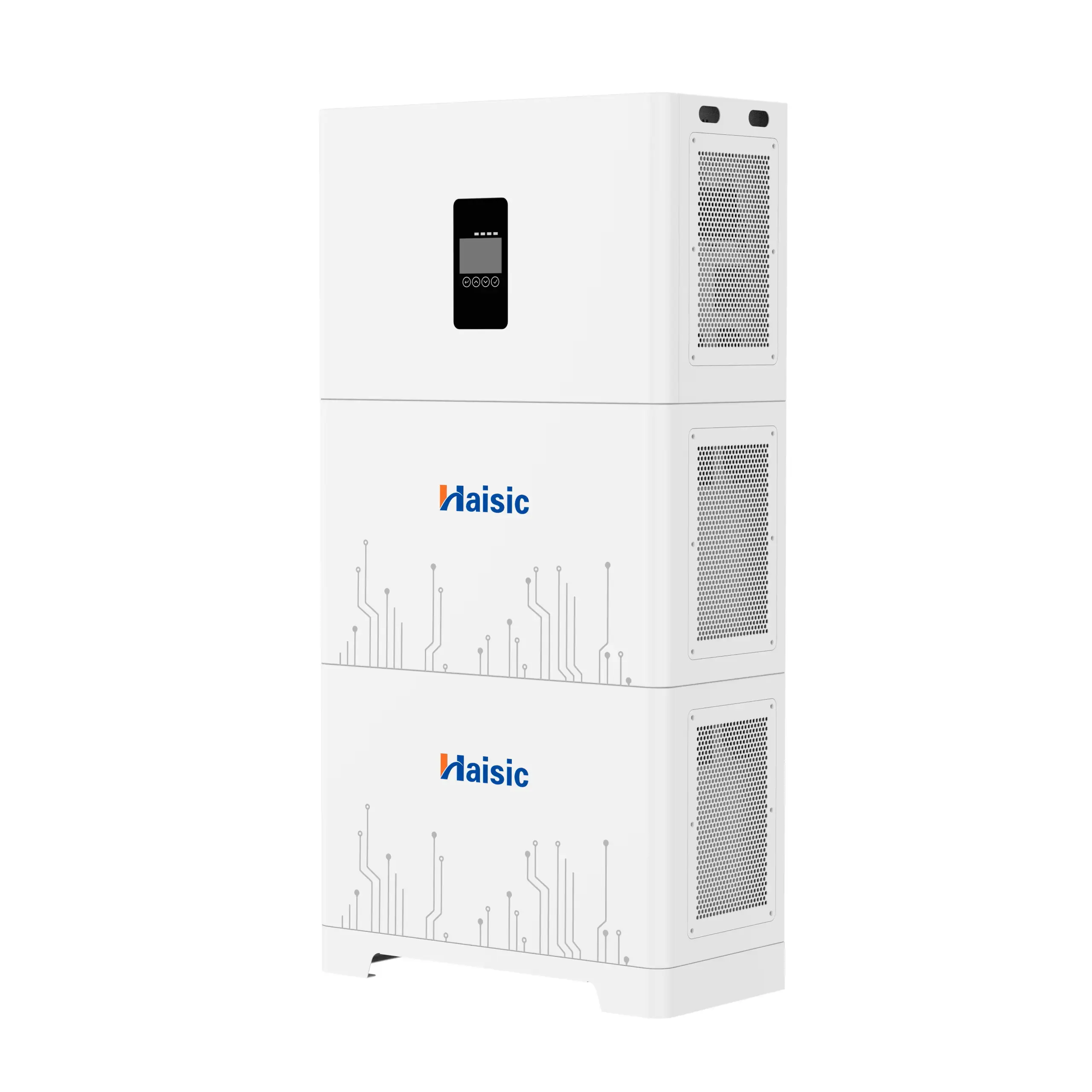
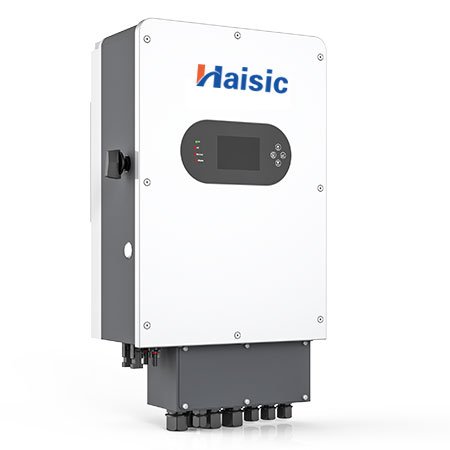
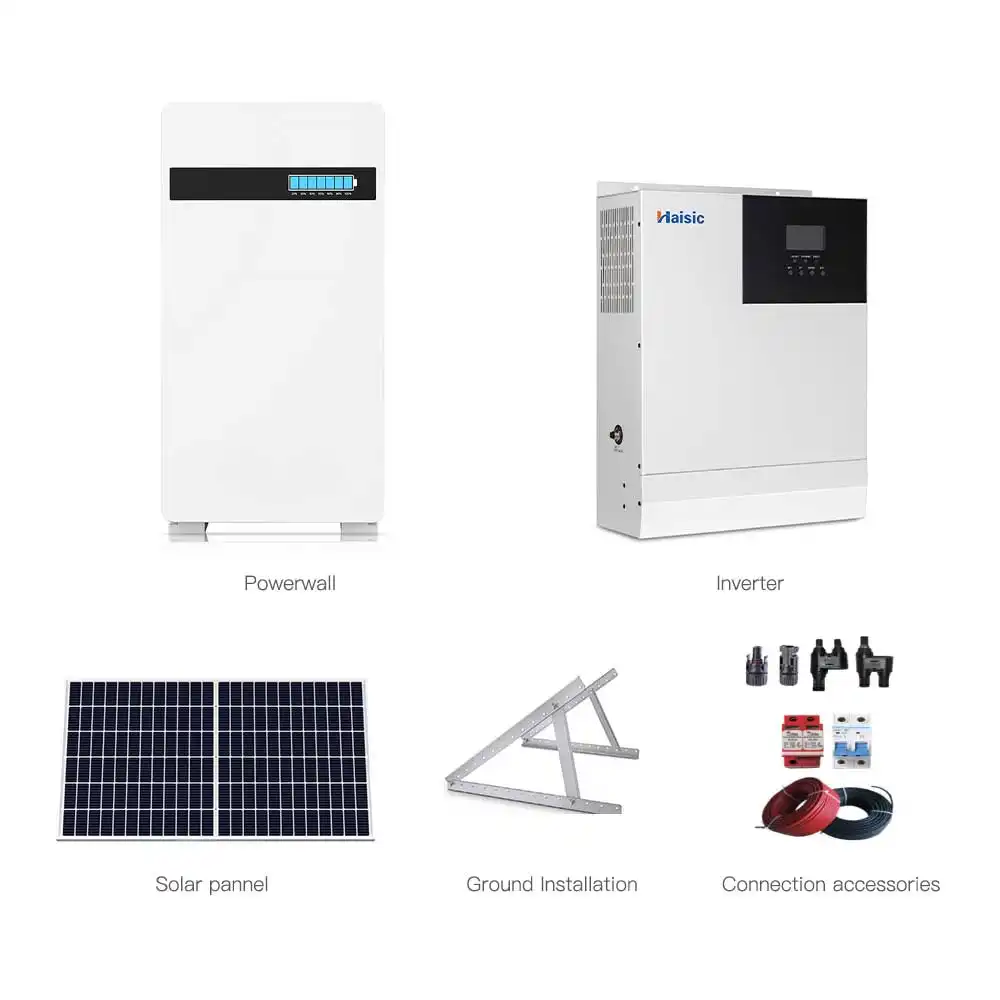
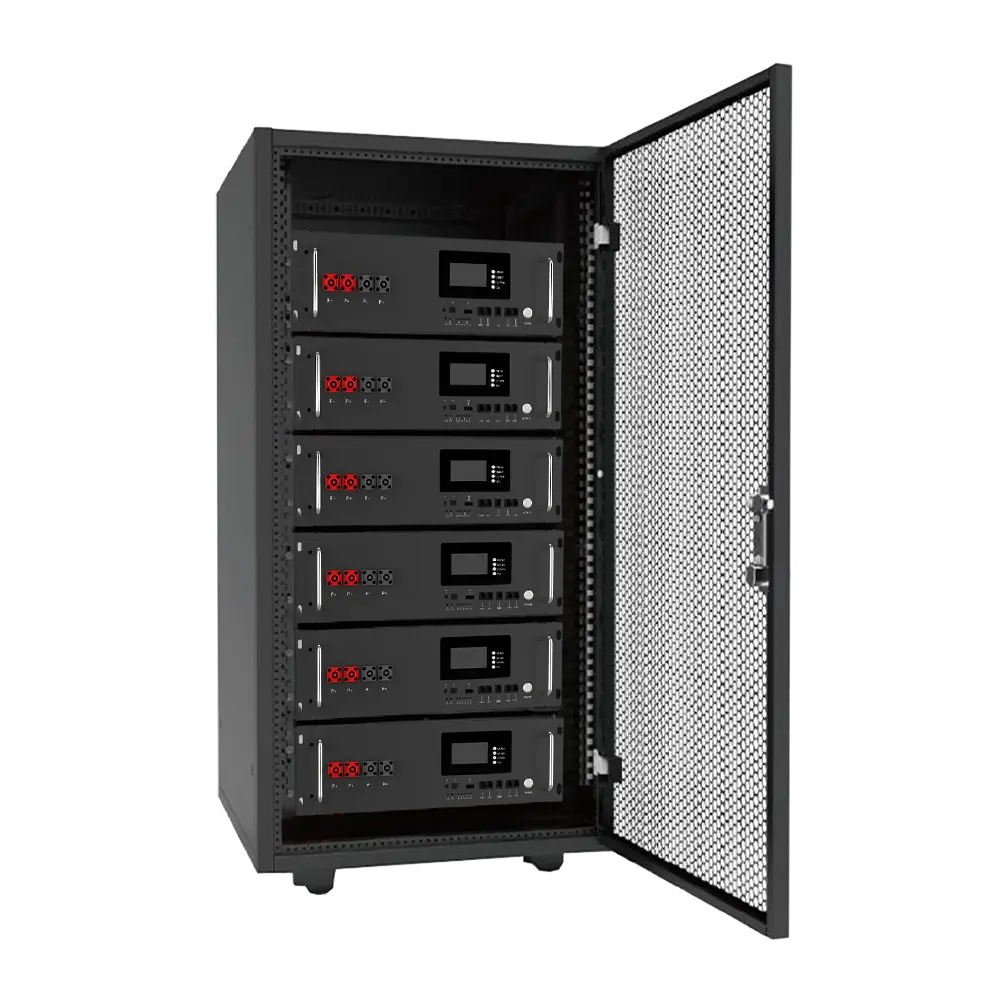


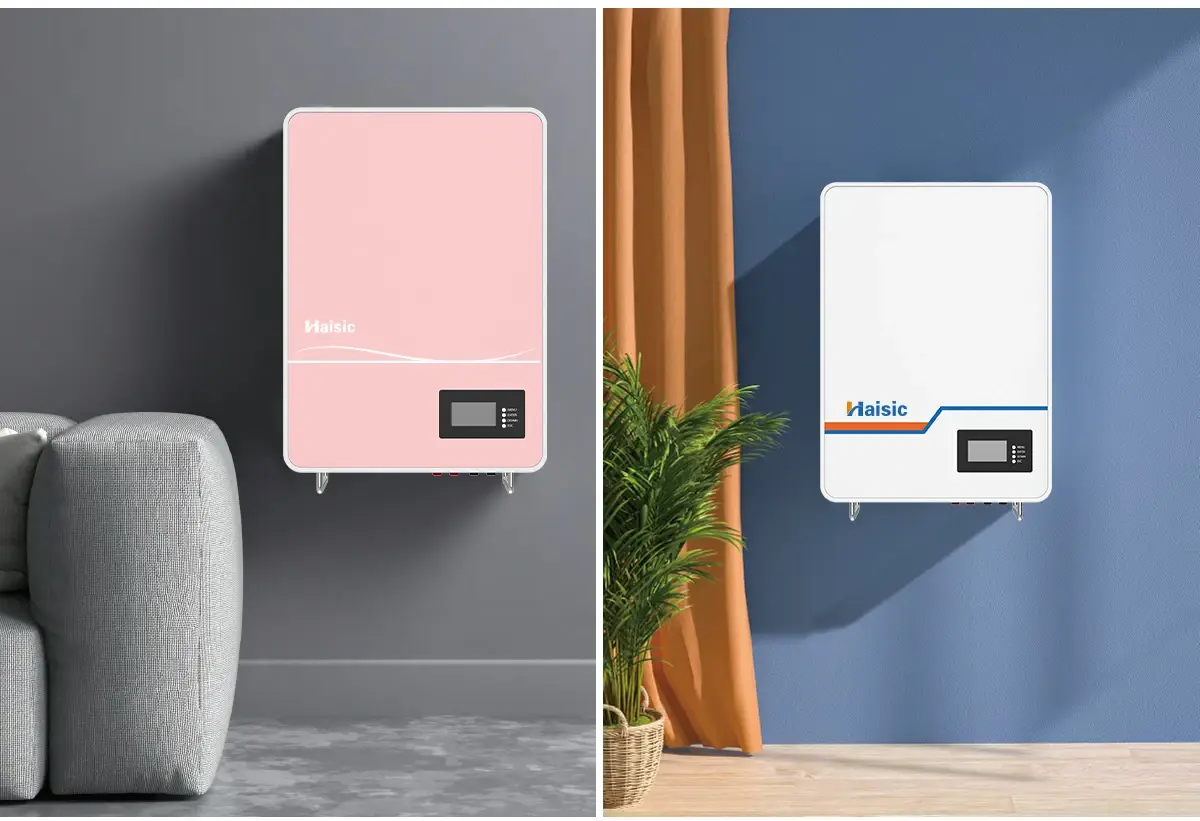
What Is a Domestic Energy Storage Battery?
A domestic energy storage battery is a smart, wall-mounted or floor-standing battery that stores electricity for your home. Think of it as an energy tank: it fills up when power is cheap or when your solar panels are producing, and empties when you need that energy later.
Simple definition and purpose
In plain terms, a home battery storage system lets you:
- Store extra solar power instead of sending it all to the grid
- Use stored energy at night or during peak-price hours
- Keep key circuits running during outages (with backup-capable systems)
The goal is simple: lower bills, more control, and better resilience.
How a home battery fits into daily use
Day-to-day, a residential battery storage system quietly:
- Charges from solar panels or the grid
- Discharges to run your lights, plugs, Wi‑Fi, fridge, heat pump, EV charger, etc.
- Switches automatically based on your settings and tariffs
You don’t “babysit” it; you just check a monitoring app now and then.
Home battery vs car battery vs generator
| System Type | Main Use | Runs Your Home? | Key Difference |
|---|---|---|---|
| Home energy storage battery | Daily savings + backup | Yes, seamlessly via inverter | Fixed, automated, grid/solar integrated |
| Car (EV) battery | Vehicle propulsion | Sometimes (V2H only) | Designed for driving, not whole‑home by default |
| Backup generator | Outage-only power | Yes, with fuel & noise | Needs fuel, noisy, no bill savings |
Home batteries are designed for continuous, daily cycling and grid-tied operation, not just emergency use.
Common home battery sizes: 5–20 kWh
Most domestic systems fall in the 5–20 kWh range. Here’s what that actually means:
| Battery Size | What “kWh” Means in Practice* | Typical Use Case |
|---|---|---|
| 5 kWh | A few key loads for an evening | Small homes, basic backup |
| 10 kWh | Core circuits (fridge, lights, Wi‑Fi, some sockets) for most of the night | Average home with solar |
| 15–20 kWh | Large home or heavy users; longer backup and more TOU shifting | Whole-house battery backup, bigger solar |
*Real runtime depends on how much power you draw at once (kW), not just capacity (kWh).
In short: a domestic energy storage battery is your personal mini‑power plant, sitting at home, working silently to use more of your own clean energy and depend less on the grid.
How Do Domestic Energy Storage Batteries Work in the Home?
A domestic energy storage battery is basically an energy tank for your house. Instead of storing water, it stores electricity from your solar panels or the grid, then releases it when you actually need it.
Basic working principle (plain talk)
Here’s the simple flow of a home battery storage system:
- When you have extra energy (sunny midday or cheap night rates), the battery charges.
- When your usage is high (evening, peak tariffs, cloudy days), the battery discharges to power your home.
- A smart controller + inverter constantly decides: use solar, battery, or grid in real time.
You don’t see this happening – your lights, appliances, and EV just run as normal. The system handles the switching for you.
The “energy tank” analogy
Think of your domestic energy storage battery as:
- Filling the tank:
- Solar panels overproducing? Fill the tank.
- Grid power is cheap at night? Fill the tank.
- Using the tank:
- Solar drops (evening / cloudy)? Use stored energy from the tank.
- Grid price spikes? Avoid buying, run from the tank instead.
This is how a lithium-ion home battery turns intermittent solar into steady, usable power all day and night.
Storing cheap power, using it when it’s valuable
The real value comes from timing:
- Store:
- Free solar you’d normally export for a low tariff
- Off-peak grid power (night-time, weekend rates)
- Use:
- During peak time-of-use prices
- When the grid is unstable or goes down (backup mode)
- To cut your evening and night usage from the grid
In practice, a good residential battery storage setup lets you:
- Boost solar self-consumption
- Reduce bills via time-of-use battery optimization
- Keep key circuits running during outages
If you want to see how this works in a real setup, check out a typical 5 kW solar plus storage system for homes where the battery soaks up excess solar and feeds the home in the evening: 5kW power energy storage solar system for home.
Key Components of a Home Battery Storage System
1. Battery Cells & Chemistry (LFP vs NMC)
At the core of any home battery storage system are the cells. Most residential battery storage today uses lithium‑ion chemistry, mainly in two flavors:
- LFP (Lithium Iron Phosphate)
- Very safe and thermally stable
- Long cycle life, great for daily charging and discharging
- Slightly lower energy density, but perfect for fixed home use
- NMC (Nickel Manganese Cobalt)
- Higher energy density (more energy in a smaller space)
- Widely used in EVs
- Needs tighter temperature and safety management
For most homeowners, an LFP home battery system is ideal: safer, predictable, and built to run every day for 10–15+ years. That’s why solutions like our own home lithium battery storage units use advanced LFP cells as the base.
2. Battery Management System (BMS)
The Battery Management System is the “brain” of your residential battery storage:
- Monitors voltage, temperature, and current for every cell or module
- Prevents overcharging and over‑discharging
- Balances cells so they age evenly
- Shuts down or limits power if anything looks unsafe
You never see the BMS, but it’s what makes a domestic energy storage battery safe and reliable in real homes.
3. Inverter or Hybrid Inverter
Your battery stores DC (direct current) power, but your house runs on AC (alternating current). The inverter handles this:
- Standard inverter + AC‑coupled battery
- Battery and solar each have their own inverter
- Great for retrofits to existing solar systems
- Hybrid inverter battery system (DC‑coupled)
- One inverter handles both solar panels and battery
- Higher efficiency and cleaner wiring on new installs
Power in, power out, always in sync with your home and the grid—that’s the inverter’s job.
4. Smart Monitoring App & Useful Data
A good home battery monitoring app turns your system into something you can actually control:
- Live view of solar production, home usage, battery charge level
- Charts of daily, weekly, and monthly savings
- Mode control (self‑consumption, backup, time‑of‑use optimization)
- Alerts if anything needs attention
With our Haisic smart platform, you see exactly how your battery energy storage system (BESS) is working, not just a percentage number.
5. Cables, Switches & Protection Hardware
Behind the scenes, a lot of hardware keeps everything safe and compliant:
- DC and AC cabling sized for the battery’s kW power rating
- Breakers, fuses, and DC isolators for emergency shutdown
- Surge protection and grounding to meet local electrical codes
- Smart switches/relays for backup power and islanding during outages
You’ll rarely touch any of this, but it’s what lets a whole‑house battery backup run quietly in the background, day after day, without drama.
For a concrete example of how these components come together, check out our touchscreen 20 kWh home energy storage battery that integrates LFP cells, BMS, inverter compatibility, and smart monitoring in one unit: 20.48 kWh home energy storage system.
Step-by-step: how a home energy storage battery works each day
A domestic energy storage battery runs through the same basic cycle every day: charge → store → discharge. Here’s how that looks in real life in a typical grid‑tied solar home.
1. Charging phase: solar first, grid as backup
Your home battery can charge in two main ways:
-
From solar panels
- When the sun is out and your panels make more power than your home is using, that extra energy flows into the battery.
- Instead of exporting cheap power to the grid, you’re filling your own “energy tank” for later.
-
From the grid (time-of-use optimization)
- In areas with time-of-use tariffs, the battery can charge at night when electricity is cheaper.
- That stored energy is then used during peak hours when prices spike, cutting your bill without changing your habits.
With systems like our 25.6V lithium home batteries, your inverter and Battery Management System (BMS) handle all of this automatically in the background.
2. Storage phase: energy held safely until needed
Once charged, the battery just sits in standby holding energy as chemical potential:
- There’s no movement, no noise, just a small amount of self‑consumption from the electronics.
- The BMS constantly checks voltage, temperature, and cell balance so energy is stored safely and the battery is ready to respond in milliseconds.
- Modern LFP lithium batteries are designed to hold energy for hours or days with very low losses.
3. Discharge phase: powering your home loads
When your home needs power, the system decides where it should come from:
- Solar available? Use solar first.
- Extra demand or no sun? The battery discharges through the inverter to supply your home.
- Battery low or demand too high? The grid steps in to cover the rest.
In practice, you don’t notice any handover. Lights stay on, appliances run as normal. You just see the flows in your app.
4. Typical 24‑hour cycle with a home battery
Here’s a simple daily pattern for a grid‑tied solar + battery system:
-
Morning (6–9 am)
- Solar ramps up.
- Home runs partly on solar, partly on battery or grid depending on your settings.
-
Midday (10 am–3 pm)
- Solar is strongest.
- Home loads are covered by solar.
- Surplus solar charges the battery to a set target (e.g. 80–100%).
-
Evening (5–11 pm)
- Solar drops off or disappears.
- Battery discharges to cover lights, cooking, TV, EV charging, etc.
- Goal: avoid or reduce peak‑rate grid usage.
-
Overnight (11 pm–6 am)
- Battery either:
- Continues to supply low loads (fridge, Wi‑Fi, standby), or
- Holds a reserve for backup, while the grid covers the rest.
- If you’re on TOU tariffs, the system may top up from the grid at cheap rates.
- Battery either:
5. Real-life sunny day example
Imagine a home with:
- 6 kW solar system
- 10 kWh LFP home battery
- Normal weekday usage
On a clear sunny day:
- By early afternoon, solar has:
- Covered daytime usage (computers, appliances, AC)
- Fully charged the 10 kWh battery
- In the evening:
- The home pulls power almost entirely from the battery until late night
- Grid use is minimal, mostly when the battery hits its reserve level (e.g. 10–20% state of charge)
Result: most of the day and evening powered by your own solar, very little grid import.
If you want a feel for how much storage this gives you, look at real-world capacities like a 25.6V 200Ah lithium battery for home energy storage, which is a common building block for systems sized around this use case:
You can check a representative product layout and specs in this 25.6V 200Ah lithium home energy storage battery example.
6. What changes on cloudy days or in winter?
Cloudy weather and winter don’t stop the system; they just change the balance:
-
Cloudy days
- Solar production is lower and more uneven.
- Battery may not fully charge; it will “top out” at whatever surplus solar is available.
- The system will rely more on the grid, but still uses the battery to smooth peaks and avoid the most expensive hours.
-
Winter
- Shorter days + lower sun angle = less solar, especially in northern regions.
- Strategy typically shifts to:
- Prioritizing backup and peak shaving over 100% self‑consumption
- Charging more from the grid at off‑peak times (if tariffs make sense)
- A right‑sized battery still cuts bills and increases resilience, but you won’t always cover full evening usage from solar alone.
The core idea stays the same across all seasons: capture energy when it’s cheap or free, store it safely, and use it when it’s most valuable to you.
How Home Batteries Integrate With Your Home Electrical System
Where the Home Battery Connects
A domestic energy storage battery normally ties into three main points in your home electrical system:
- Main consumer unit / breaker panel – this is where the battery “sees” your house loads.
- Inverter or hybrid inverter – converts DC from the battery into AC your home can use.
- Grid connection / meter – so the system can import from and export to the grid when needed.
In a typical setup the battery sits near your main panel (garage, utility room, or outside), connected through dedicated breakers and protection devices. That way, it can supply most or all of your circuits safely and automatically.
How Power Flows: Solar, Battery, Home, Grid
Think of four players in one loop:
- Solar panels generate DC power.
- Home battery stores DC energy.
- Your home loads use AC power (appliances, lights, EV charger, etc.).
- The grid provides backup and absorbs your excess.
On a normal day, the control system constantly balances these:
- Solar first: your solar feeds your home loads.
- Excess solar: goes into the battery until it’s full.
- Still extra? Then it exports to the grid (if allowed).
- Not enough solar? The battery discharges to support your home.
- Battery low? The grid tops you up automatically.
All of this happens in milliseconds, controlled by the inverter, Battery Management System (BMS), and smart meters.
AC-Coupled vs DC-Coupled in Simple Terms
There are two main ways to connect a residential battery storage system:
AC-coupled battery (great for retrofits):
- Battery connects on the AC side via a separate battery inverter.
- Solar has its own string inverter.
- Easy to add to existing solar systems.
- Slightly more conversion steps (DC→AC→DC→AC), so a bit less efficient.
DC-coupled battery (best for new builds / hybrid systems):
- Battery and solar both connect on the DC side into a hybrid inverter.
- Power is converted DC→AC just once when going to your home/grid.
- Higher efficiency and simpler wiring.
- Ideal if you’re installing solar plus storage together from scratch.
If you’re planning a completely new system, a hybrid inverter battery system (DC-coupled) like a 10 kWh wall-mounted home energy storage unit usually gives cleaner integration and better overall performance.
Retrofit vs New-Build Battery Systems
Retrofit home battery storage system:
- You already have solar and want to add a battery.
- Typically AC-coupled so you don’t replace your existing inverter.
- Fast install, less disruption, lower upfront change to your current system.
New-build / full upgrade:
- You’re installing solar and battery together, or doing a major electrical upgrade.
- Best done with a hybrid inverter and DC-coupled battery.
- Cleaner design, less hardware on the wall, usually better efficiency and monitoring.
How the System Chooses Solar, Battery, or Grid
The “brain” of your domestic energy storage battery is the combination of:
- The Battery Management System (BMS)
- The inverter / hybrid inverter
- The smart meter and monitoring app
Based on your settings and local tariffs, it decides:
-
When to charge
- Use excess solar first.
- Optionally charge from grid when prices are low (off-peak).
-
When to discharge
- Cover your home loads during peak tariff periods.
- Provide backup if the grid fails.
- Support a virtual power plant (VPP) program if you’ve opted in.
-
When to use grid power
- When solar is low and the battery reaches its minimum State of Charge.
- When grid power is cheaper than discharging the battery (in some TOU setups).
You set the rules in the app (self-consumption, time-of-use optimization, backup reserve), and the system runs automatically to keep your home powered smoothly and your bills under control.
Home Batteries and Solar Panels
How solar panels and home batteries work together
Solar panels make electricity in the day. A home battery stores the extra so you can use it later.
In a normal solar plus storage setup:
- Sun hits your panels → they generate DC power
- The inverter turns it into AC for your home
- Your home uses what it needs first
- Any extra power charges the battery
- When the sun is gone, the battery discharges to run your home instead of pulling from the grid
Think of solar as the “energy maker” and the battery as the “energy fridge” that keeps it ready for when you actually need it.
Solar self-consumption: using more of your own power
Without a battery, most homes export a big chunk of midday solar to the grid for a low rate, then buy power back in the evening at a higher rate. A home battery storage system flips this:
- More self-consumption – you use more of your own solar instead of exporting it
- Less grid dependence – especially in the evening peak
- Better protection against changing export tariffs or cutbacks
In many countries, this is where a lot of the bill savings come from.
Solar plus storage vs solar only
Solar only:
- Lower upfront cost
- Savings mainly in daytime usage
- Limited protection in outages (most solar-only systems shut off in a blackout)
Solar plus storage:
- Higher upfront cost, but more control over when you use energy
- Can cover evening and night use with stored solar
- Option for whole-house battery backup during outages (depending on system size and design)
- Better fit for time-of-use tariffs and rising evening prices
If you care about backup power and stable bills, solar plus storage usually beats solar-only over the long term.
Hybrid inverter with solar and battery
A hybrid inverter battery system combines the solar inverter and battery inverter in one box. This:
- Cuts hardware and wiring complexity
- Improves efficiency (less conversion losses)
- Makes it easier to manage solar, battery, and grid in one smart controller
If you’re planning new solar, a hybrid inverter plus a lithium-ion home battery (often LFP) is usually the cleanest setup. Systems like our 51.2V 5.12 kWh floor-mounted home energy storage are built to work smoothly with modern hybrid inverters.
Do home batteries work without solar panels?
Yes, a residential battery storage system can work without solar:
Pros:
- Charge from the grid when electricity is cheap (off-peak)
- Discharge when prices are high (peak shaving, time-of-use optimization)
- Provide backup power for outages
Cons:
- No “free” solar – all energy still comes from the grid
- Savings depend heavily on price gaps between peak and off-peak
- ROI is often weaker than solar plus storage, unless your tariffs are very different by time of day
For many households, the best value is still a solar plus storage for homes setup: solar cuts your total kWh, the battery decides when those kWh are used.
Operating Modes in a Real Home Battery System
A modern home battery storage system doesn’t just “charge and discharge” – it runs in smart operating modes that match how you use power and how your utility charges for it.
1. Self‑consumption mode (max solar usage)
In self-consumption mode, the system tries to use as much of your own solar power as possible before sending anything to the grid.
- Daytime: solar runs your home first, then charges the battery.
- Evening/night: the domestic energy storage battery covers your usage so you buy less from the grid.
- Best for: regions with low export tariffs or weak net metering.
This is the main way a solar plus storage for homes setup cuts your bills and boosts energy independence.
2. Time‑of‑use optimization mode
If your utility has time-of-use (TOU) rates, this mode turns your battery into a money saver.
- Charges from solar and/or cheap off‑peak grid power.
- Discharges during peak hours when electricity is most expensive.
- Great for peak shaving with a home battery and reducing bill spikes.
Think of it as buying low, using high – automatically.
3. Backup power mode for outages
In backup power mode, the battery becomes a whole-house battery backup (or critical-circuit backup, depending on system size).
- When the grid fails, the system switches to island mode in milliseconds.
- Keeps essentials running: lights, Wi‑Fi, fridge, sockets, heating controls, maybe AC (if sized correctly).
- Ideal in storm‑prone or unreliable-grid areas.
Many home backup power battery setups let you choose exactly what stays on during an outage.
4. Off‑grid and hybrid operation
For remote homes or places with chronic outages, a hybrid inverter battery system can run:
- Grid‑tied + backup (most common).
- Hybrid: grid + solar + battery + maybe a generator, all coordinated.
- Off‑grid: purely solar + battery (plus generator as a safety net).
Here, the battery energy storage system (BESS) is the heart of the micro‑grid, deciding when to use solar, battery, or generator.
5. Virtual Power Plant (VPP) and grid services
Some markets now support virtual power plant (VPP) participation, where lots of home batteries act together like a mini power plant.
- Utility or aggregator can discharge a small portion of your battery during peak stress on the grid.
- You get paid or credited for helping stabilize the grid.
- Works best with smart, connected systems that support grid-tied home battery system control.
As we design our stackable systems like the TQS4 2kW–7–16.8kWh stackable power storage, we build in these modes so you can switch between self-consumption, TOU optimization, backup, and VPP directly from your home battery monitoring app, without needing to be an engineer to run your own energy system.
Real Benefits of Domestic Energy Storage Batteries for Homeowners
1. Lower Electricity Bills (Self-Consumption + TOU Shifting)
A home battery lets you store cheap energy and use it when power is expensive.
- Store your own solar instead of exporting it for low tariffs
- Charge from the grid at night (off‑peak) and use it at peak rates
- Cut demand charges and “peak spikes”
| Benefit | With Battery | Without Battery |
|---|---|---|
| Use of your own solar | High (60–90%+ possible) | Low–medium |
| Protection from peak rates | Strong (TOU shifting) | None |
| Bill savings potential | Medium–High | Limited to solar only |
2. Energy Independence From the Grid
A domestic energy storage battery gives you control over when and how you use electricity.
- Rely less on unstable prices and changing tariffs
- Keep key loads running even if the grid is stressed
- Ideal for markets with price spikes or weak infrastructure
You’re not “off‑grid”, but you’re less exposed to grid problems.
3. Blackout Protection and Peace of Mind
In backup mode, a residential battery storage system turns into instant, automatic backup power.
- Keeps lights, Wi‑Fi, fridge, security, and key plugs running
- Switchover is usually under a second with modern systems
- No noise, no fumes, no fuel runs like a generator
For example, a 10 kWh wall‑mounted battery like a 51.2V Powerwall-style home system can typically protect essential circuits for several hours to overnight, depending on usage.
4. Lower Carbon Footprint
Home batteries help you use more clean energy and less fossil power.
- Store daytime solar and run your home on it at night
- Avoid drawing grid power during “dirty” peak times
- Pairs well with renewable-heavy grids that need flexibility
Result: lower CO₂ per kWh and a cleaner, more efficient home.
5. Home Value and Future-Proofing
Installing a domestic energy storage battery is a long-term upgrade, not a gadget.
- Makes your solar system more valuable to future buyers
- Adds modern, smart-home appeal (especially with app control)
- Prepares your home for EVs, dynamic tariffs, and VPP programs
| Future-Proofing Benefit | Why It Matters |
|---|---|
| Ready for EV charging | Shift and store power for car charging |
| Tariff flexibility | Adjust easily as utilities change pricing |
| Smart home integration | Monitor and control energy in one place |
In short: a solid home battery storage system cuts bills, boosts resilience, and positions your home for where the energy market is heading.
Types of Home Energy Storage Batteries You’ll See on the Market
Lithium-ion home batteries (LFP vs NMC)
Most domestic energy storage batteries today are lithium-ion. Two chemistries dominate:
-
LFP (Lithium Iron Phosphate)
- Very safe, stable, and long-lasting
- Handles daily cycling for 10–15+ years with less degradation
- Slightly lower energy density (a bit bulkier), but perfect for home use
- Ideal if you care about safety, lifespan, and reliability more than compact size
-
NMC (Nickel Manganese Cobalt)
- Higher energy density (more kWh in a smaller box)
- Widely used in EVs and some home systems
- Generally more temperature-sensitive and can age a bit faster than LFP
For residential battery storage, I strongly lean toward LFP home battery systems because they’re safer, easier to manage in garages and utility rooms, and offer longer, more predictable life.
All-in-one battery units vs modular battery packs
You’ll usually see two design styles in a home battery storage system:
-
All-in-one units
- Battery, BMS, and usually inverter in one sleek box
- Cleaner install, fewer visible cables, easier for most homes
- Great for typical 5–15 kWh domestic energy storage setups
-
Modular battery packs
- Stackable battery modules you can add over time
- Perfect if you plan to start small and expand as your energy use or solar size grows
- Often used in higher-capacity or whole-house battery backup designs
A good example of a scalable modular LFP solution is a 51.2V, 20.48 kWh LiFePO₄ battery pack, like the kind shown in this high-capacity home Lifepo4 battery.
AC battery vs DC battery solutions
How the battery connects to your home matters:
-
AC-coupled (AC battery)
- Has its own inverter built in
- Connects on the AC side, easy to retrofit to existing solar systems
- Great if you already have panels and want to add a battery later
-
DC-coupled (DC battery)
- Uses a hybrid inverter battery system that handles both solar and battery on the DC side
- Higher efficiency (less conversion loss), especially on new installs
- Best when you’re installing solar plus storage from scratch
In practice:
- Retrofit = AC battery is usually simpler
- New build = DC-coupled hybrid inverter often gives better performance
Emerging options: flow batteries, sodium-ion
A few new technologies are coming, but still niche for residential battery storage:
-
Flow batteries
- Use liquid electrolytes in tanks
- Very long cycle life and easy to scale
- Currently bigger, more complex, and usually better suited for commercial or utility-scale BESS than a typical home
-
Sodium-ion batteries
- Use sodium instead of lithium (cheaper and more abundant)
- Promising for lower cost and better cold-weather performance
- Still emerging; not as widely available as lithium-ion home batteries yet
For 2026–2026, LFP lithium-ion remains the practical, proven choice for most homeowners.
How branded systems (like Powerwall alternatives) differ in practice
Well-known brands (Tesla Powerwall, etc.) and strong Powerwall alternatives mainly differ on:
- Chemistry and safety (LFP vs NMC, layers of protection, certifications)
- Usable capacity and power output (kWh vs kW, how much you can use and how fast)
- Smart features (apps, time-of-use optimization, VPP support, backup modes)
- Modularity (can you expand later or are you locked to a fixed size?)
- Warranty and support (10–15+ year coverage, cycle limits, local service)
When I build and spec systems, I focus on LFP chemistry, robust BMS, clear app control, and long, honest warranties, so the battery behaves like a reliable appliance, not a science project. For a sense of how a full residential solution comes together, you can look at our broader home energy storage solutions overview and see how these pieces are combined in real-world installs.
Installation of Home Energy Storage Batteries
Typical installation locations
For most homes, a domestic energy storage battery goes in one of three places:
- Garage – most common, easy cable runs, naturally cooler.
- Utility room / plant room – good for new builds or remodels.
- Outdoors – only if the battery is rated for outdoor use and is under cover, off the ground, and away from direct sun or standing water.
I always lean toward a cool, dry, well-ventilated spot, close to your main fuse box and inverter to keep cable runs short and costs down.
Wall-mounted vs floor-standing systems
You’ll typically pick between:
-
Wall-mounted batteries
- Great where floor space is tight (small garages, utility rooms).
- Clean look, easy to keep the area clear.
- Needs a solid wall (brick/concrete preferred).
-
Floor-standing / stacked batteries
- Best for larger capacities like high‑voltage stacked 20–30 kWh units.
- Easier to expand by adding more modules later.
- Usually a better fit for whole‑house backup or bigger homes.
If you’re planning for higher capacity from day one, a stacked floor system like a high‑volt stacked 20 kWh battery layout is usually the smarter long‑term choice.
What installers actually do on install day
Here’s what really happens on site:
- Site check & final placement – confirm wall/floor strength, clearances, ventilation.
- Mounting & fixing – install brackets or stack frame, anchor everything securely.
- Electrical wiring – run DC/AC cables, connect to inverter or hybrid inverter, main panel, and protection gear (breakers, isolators, fuses).
- Commissioning & setup – power-up, configure the Battery Management System (BMS), set operating mode (self-consumption, backup, TOU), connect the app.
- Testing & handover – simulate grid loss (if backup), check charge/discharge, walk you through the monitoring app.
You should insist on a full walkthrough of how to read the app and what to do in a power cut.
Grid connection, permits, and inspection basics
In most regions, a grid-tied home battery storage system needs:
- Utility notification or approval (especially if paired with solar).
- Compliance with local electrical codes and fire regulations.
- Sometimes a permit and final inspection by the local authority or utility before full operation.
A competent installer will handle:
- Single-line drawings and paperwork.
- Grid interconnection forms.
- Scheduling any required inspections.
Your job is mainly to sign forms and provide access.
Installation timeline and how to prepare
For a standard residential battery storage install:
- On-site install time:
- Simple retrofit: 1 day
- Larger or more complex (solar + battery + backup circuits): 1–2 days
To prepare, you should:
- Clear access to the garage/utility room and the main panel.
- Make sure Wi‑Fi is available where the battery/inverter will sit.
- Decide in advance if you want whole‑house backup or just critical loads (fridge, lights, Wi‑Fi, a few sockets).
If you’re going for a bigger system (20–30 kWh) with whole‑home backup, look at modular, floor‑standing options like a stacked high‑voltage system from our home battery product range – they’re designed to install fast and expand easily as your needs grow.
Safety, Maintenance, and Lifespan of Home Battery Storage
Built‑in safety features in modern battery systems
Modern domestic energy storage batteries (especially lithium‑ion LFP home battery systems) are designed to be safe in normal everyday use:
- Battery Management System (BMS): Monitors temperature, voltage, and current 24/7
- Over‑current & short‑circuit protection: Automatically shuts down if something abnormal happens
- Over‑charge / over‑discharge protection: Stops charging or discharging before damage occurs
- Thermal protection: Sensors and software prevent overheating
- Fire‑resistant casings & enclosures: Reduce fire spread risk and protect the cells
- Certified hardware: Look for CE, UL, IEC, or equivalent local safety standards
If you’re buying a serious residential battery storage system, these protections are non‑negotiable.
Best practices: ventilation, spacing, safe placement
A good home battery setup is as much about where you put it as what you buy:
- Location: Garage, utility room, or shaded outdoor wall; avoid bedrooms and tight enclosed spaces
- Ventilation: Keep in a cool, dry area with natural airflow; avoid direct sun and damp corners
- Spacing: Follow installer guidelines; leave enough space around the unit for heat dissipation and service
- Mounting: Solid wall or firm floor, away from flammable materials
- Height & flood risk: Don’t install where it can sit in standing water
Do this once, and you’ve handled 80% of practical safety.
How much maintenance does a home battery need?
Home battery storage systems are mostly set‑and‑forget:
- No fluid top‑ups, no filter changes
- Software updates are usually automatic via Wi‑Fi/LAN
- Visually check for damage, loose cables, or unusual noise once in a while
- Use the monitoring app to spot any abnormal behavior (unexpected drops in capacity, frequent errors)
If it’s installed correctly, maintenance is closer to “light monitoring” than “regular work.”
Lifespan, degradation, and typical warranties (10–15+ years)
Most lithium‑ion domestic energy storage batteries are built for 10–15+ years of daily use:
- Cycle life: Typically 4,000–8,000 cycles (around 10–15 years of daily cycling)
- Degradation: Capacity slowly drops over time; after 10 years, you might still have 70–80% usable capacity
- Warranties:
- Time‑based: 10–15 years
- Energy‑throughput based: e.g., a set number of kWh delivered over its life
- Capacity guarantee: often 60–80% capacity remaining at end of warranty
Check both the years and the energy throughput in the warranty, not just the marketing headline.
Keeping performance high long‑term
To get the most out of your home battery storage system:
- Avoid constant 0–100% cycling: Running between roughly 10–90% is gentler on the cells
- Keep it cool: Heat is the enemy; good placement and ventilation matter
- Use smart modes: Self‑consumption or time‑of‑use optimization modes reduce unnecessary stress
- Don’t oversize or undersize: A properly sized battery won’t be hammered to its limits every day
- Update firmware: New software often improves efficiency, safety, and compatibility
If you combine a quality lithium‑ion LFP system, proper installation, and sensible settings, you can realistically expect a decade or more of solid, reliable performance from your home battery.
How to Choose the Right Domestic Battery for Your Home
Picking a home battery isn’t about the “biggest box”. It’s about the right size, chemistry, and setup for how you actually live.
1. Size Your Home Battery Properly
Start with 2 numbers:
| What to check | Typical range (global homes) | How to use it |
|---|---|---|
| Daily usage (kWh/day) | 8–25 kWh/day (small–medium homes) | From your bill or smart meter |
| Solar generation (kWh/day) | 10–35 kWh/day (3–10 kW systems) | From inverter/app or installer |
Simple sizing rules:
- For bill savings + solar self-use:
Choose a battery of 30–60% of your daily use.
Example: Use 15 kWh/day → battery of 5–9 kWh. - For strong backup:
Aim for one full evening + night of your typical usage.
2. Match Capacity to Backup Needs
Ask yourself:
- Do you just want to keep lights + Wi‑Fi + fridge on?
→ 5–10 kWh is usually enough for 4–12 hours. - Want to run AC, pumps, EV charging in an outage?
→ You may need 10–20+ kWh plus higher power (kW). - Live in an area with long blackouts?
→ Go larger and consider modular expansion.
3. Key Features to Compare
| Feature | What it means | What to look for |
|---|---|---|
| Chemistry | LFP vs NMC lithium-ion | LFP for safety + long life |
| Capacity (kWh) | How much energy is stored | Match to daily use/backup goals |
| Power (kW) | How much can be delivered at once | 3–10 kW depending on house size |
| DoD (%) | Usable % of capacity | 90–100% recommended |
| Efficiency (%) | Round-trip energy kept after charge/discharge | 90%+ for solid economics |
| Warranty (years) | Guaranteed life (cycles and years) | 10+ years, 6,000+ cycles if possible |
4. AC-Coupled vs DC-Coupled (In Simple Terms)
- AC-coupled battery
- Best for retrofit on existing solar.
- Adds its own inverter, easier install.
- Slightly lower efficiency, but very flexible.
- DC-coupled battery (hybrid inverter)
- Best for new solar + battery installs.
- Higher efficiency, cleaner wiring.
- Often cheaper overall if starting from zero.
If you’re planning a new system, a hybrid inverter battery system is usually the cleanest choice. To see how a modern setup is put together in practice, I break this down further on the Haisic storage blog.
5. Common Mistakes When Choosing a Residential Battery
Avoid these:
- Oversizing “just in case” → long payback, wasted money.
- Undersizing → battery empties early every evening, poor savings.
- Ignoring power (kW) and only looking at kWh.
- Skipping chemistry, warranty, and safety certifications.
- Choosing a system with weak monitoring/app – you’ll use it less.
- Not checking local tariffs, incentives, and grid rules.
If you want a quick, numbers-based recommendation for your house and solar size, you can request a tailored quote and setup suggestion through our simple Haisic quote request form.
Are Home Energy Storage Batteries Worth It in 2026–2026?
When a home battery makes strong financial sense
A domestic energy storage battery usually makes clear financial sense if:
- Your electricity prices are high or rising fast
- You have solar and often export a lot of surplus back to the grid
- Your utility offers time-of-use (TOU) tariffs with big price gaps between day and night
- You get solid incentives, tax credits, or rebates that cut 20–40% off the upfront cost
In these cases, a home battery storage system can shave years off payback and give you reliable backup power on top.
How electricity rates and TOU tariffs affect payback
Your payback period is driven mainly by your local tariff:
- Flat high rates (e.g. $0.25–$0.40/kWh): Batteries save by using more of your cheap solar and buying less from the grid.
- Time-of-use tariffs:
- Charge the battery when power is cheap (off‑peak)
- Use stored energy when power is expensive (peak)
- The bigger the price gap, the faster the time‑of‑use battery optimization pays off.
If peak power is double off‑peak, a smart grid-tied home battery system can often cut 20–40% off your annual bill.
Role of solar size, incentives, and rebates
Your solar size and local support schemes matter:
- Oversized solar array? A battery grabs that “wasted” export and uses it later. This turns low export tariffs into real savings.
- Generous export tariffs/net metering? The extra financial gain from a battery is smaller, but backup and independence may still justify it.
- Incentives and rebates:
- National or regional tax credits
- One-off cash rebates
- Utility payments for virtual power plant (VPP) participation
These can cut thousands off the price and significantly improve ROI.
Simple payback and cost‑per‑year thinking
To sanity‑check a residential battery storage purchase, I keep it simple:
- Simple payback (years) = Total installed cost ÷ Annual bill savings
- Cost per year = Total installed cost ÷ Warranty years
For example:
-
Installed cost: $8,000
-
Warranty: 10 years
-
Annual savings: $800
-
Simple payback ≈ 10 years
-
Cost per year ≈ $800
If your savings are close to, or higher than, that yearly cost, the battery holds up financially. Anything under 8–10 years payback is usually strong for 2026–2026 in most developed markets.
When it’s more about resilience and comfort
In some homes, the main value isn’t pure ROI:
- Frequent or long outages
- Critical home office, medical devices, refrigeration, or security systems
- Extreme weather, wildfires, or grid instability
Here, a whole-house battery backup is like an insurance policy:
- You may accept a longer financial payback
- But you gain comfort, safety, and energy independence that’s hard to price
If that peace of mind during storms, blackouts, or unstable grids is a priority, a domestic energy storage battery is still absolutely “worth it” even if the spreadsheet looks borderline.
You can see how we position our systems around long-term value and resilience on the Haisic energy storage solutions overview and learn more about our quality and reliability on the Haisic company profile.
Costs, Incentives, and Financial Considerations
Upfront costs: what you actually pay for
For a typical home battery storage system (5–15 kWh), here’s what usually makes up the bill:
- Battery hardware: the main cost; most lithium-ion home batteries sit roughly in the $5,000–$12,000 range depending on size and brand.
- Inverter / hybrid inverter: needed if you don’t already have a compatible solar inverter.
- Installation & wiring: labour, DC/AC cabling, protection devices, mounting, commissioning.
- Extras: backup circuits, smart meter, upgrade of main panel if needed, permits and inspection.
The bigger the battery (kWh) and the higher the power rating (kW), the higher the ticket—so sizing it right matters more than just “going big”.
Ongoing costs: what’s basically free after install
Once your residential battery storage is in and configured, running costs are low:
- No fuel, no filters, no oil like a generator.
- Software updates and app access are usually included.
- Most of the “cost” is just normal battery wear, which is already covered in the warranty cycle limits.
- You might have occasional service checks, but not yearly heavy maintenance.
In practice, you pay once, then the system quietly works in the background, shifting and storing energy for years.
Incentives, tax credits, and rebates
In many regions, incentives are what make a home battery pencil out:
- Government incentives / grants for residential energy storage (sometimes higher when combined with solar plus storage).
- Tax credits (like investment tax credits in some countries) that cover a percentage of total system cost.
- Local rebates or utility programs that pay you to install a battery energy storage system (BESS) or join a virtual power plant (VPP).
Always check local rules—some incentives only apply if the battery is charged mostly from solar, or if it’s grid‑tied and available for grid services.
Export tariffs, net metering, and battery value
How your grid pays you (or doesn’t) for solar exports heavily affects whether a domestic energy storage battery is worth it:
- Full net metering: battery value is more about backup and independence, because exporting is already well-paid.
- Low export tariffs: battery value jumps. Instead of selling cheap, you store your solar and use it later, replacing expensive grid power.
- Time-of-use tariffs: the battery can charge when rates are low and discharge when rates are high (classic time-of-use battery optimization).
In markets with falling export rates, batteries are becoming more of a no-brainer for solar self-consumption and peak shaving.
Financing options: buy, loan, or lease?
You don’t have to pay cash to get home backup power battery in your place:
- Cash purchase: best long-term ROI if you have the budget. You get full savings and full incentives.
- Green loans / energy finance: spread the cost over 5–15 years; aim for monthly savings ≥ loan payment.
- Leasing / power-as-a-service: low or no upfront cost, but you share the value with the provider and lose some control.
- Ownership vs leasing:
- Ownership = you control the asset, you decide on modes (backup, TOU, VPP).
- Leasing = easier entry, but contracts can be complex and harder to exit.
I always recommend: run the numbers—simple payback, cost per year, and monthly cash flow—before signing anything.
Haisic Home Battery Solutions in Plain Language
Where Haisic Fits in the Home Battery Market
Haisic sits in the “serious performance, sensible price” space of the home battery storage market. We build residential battery storage systems for homeowners who want a solid, long-term solution without paying for hype. Our focus is simple: reliable power, strong safety, and honest specs that work in real homes across global markets. If you’re comparing solar plus storage options, Haisic is designed to be a straightforward, grid-tied or hybrid solution that just works.
You can see how our residential systems are positioned on the official Haisic home energy storage page.
Haisic Battery Chemistry, Safety Layers, and Durability
We use lithium iron phosphate (LFP) chemistry across our LFP home battery systems because it’s:
- More stable and safer than many NMC chemistries
- Long-cycle (built for thousands of cycles over 10–15+ years)
- Better at high temperatures, ideal for garages and hotter climates
On top of the core chemistry, each Haisic battery energy storage system (BESS) is built with:
- Multi-layer electronic protection (over-voltage, over-current, short-circuit, over-temp)
- A dedicated Battery Management System (BMS) tuned for home use
- Robust enclosures and mounting for long-term durability indoors or outdoors (model‑dependent)
The result: a domestic energy storage battery that can handle daily cycling, time-of-use optimization, and backup power without babying the system.
Smart Monitoring and App Experience
With a Haisic home battery storage system, you get real-time visibility into what’s happening in your home:
- Live solar production, battery state of charge, and home consumption
- Clear views of how much you’re saving with self-consumption and TOU shifting
- Simple operating modes: self-consumption, backup, off-grid/hybrid (where supported)
- Remote firmware updates and configuration by your installer
The app is built to answer normal questions:
- “How long can I run in a blackout?”
- “Am I using more grid or solar?”
- “Is my battery actually paying off?”
No clutter, just the data you need to manage your residential battery storage day to day.
Warranty Terms and Long-Term Support
We structure our warranties to match real home use, not lab theory:
- Typical 10+ year warranty on core battery modules
- Clear cycle and energy throughput terms
- Support for installers and homeowners throughout the life of the system
As a manufacturer, we treat every install as long-term infrastructure. That means stable supply of replacement modules, support for expansions, and firmware that doesn’t get abandoned after a couple of years. For project or regional questions, you can reach out directly via the Haisic contact channel.
Why Haisic Is a Solid Powerwall Alternative
If you’re shopping for a Powerwall alternative for your home, Haisic is built to compete where it matters:
- LFP chemistry for safety and longevity
- Flexible AC or DC-coupled configurations (retrofit or new solar)
- Whole-house or critical-loads backup options
- Strong round-trip efficiency and usable depth of discharge (DoD)
- Competitive pricing and a straightforward, installer-friendly design
In plain language: you get a fully featured home backup power battery and solar plus storage solution, without being locked into a single ecosystem. For many homeowners, that balance of safety, flexibility, and cost makes Haisic a very smart Powerwall alternative in 2026–2026.
Common Questions About Domestic Energy Storage Batteries
Do home batteries work without solar panels?
Yes. A home battery storage system can charge from the grid only. This works well if:
- You have time-of-use tariffs (cheap at night, expensive in the evening)
- You want backup power for outages, even without solar
You won’t get the same carbon or savings benefit as solar plus storage, but you still gain backup and some bill control.
How long can a home battery power a house during an outage?
It depends on battery size (kWh) and what you run. Rough guide for a 10 kWh home battery:
- Essentials only (fridge, lights, Wi‑Fi, a few sockets): ~10–20 hours
- Normal, careful use: ~6–10 hours
- Whole house, no limits (AC, oven, etc.): could be 2–4 hours
Most people size for “essential loads” rather than full-house everything-at-once.
What’s the difference between kW and kWh for a home battery?
- kWh (kilowatt-hour) = how much energy the battery can store (tank size)
- kW (kilowatt) = how fast it can deliver power (pipe size)
Example:
- 10 kWh battery + 5 kW power rating
- Can run a 5 kW load for about 2 hours
You need enough kWh for duration and enough kW to start big loads (heat pumps, well pumps, etc.).
- Can run a 5 kW load for about 2 hours
What is depth of discharge (DoD) and why does it matter?
Depth of discharge (DoD) = how much of the battery’s capacity you can safely use.
- 10 kWh battery at 90% DoD → 9 kWh usable
Higher usable DoD means: - More usable energy for the same sticker size
- Better value over the battery’s life
Modern LFP home battery systems usually offer 90–100% DoD in daily use.
What is round‑trip efficiency and how does it impact savings?
Round-trip efficiency = energy out ÷ energy in.
- If you put in 10 kWh and get 9 kWh back → 90% efficiency
Higher efficiency means: - Less energy “lost” inside the battery energy storage system (BESS)
- Better bill savings from each kWh stored
Look for ≥90% round‑trip efficiency on residential battery storage.
Are home energy storage batteries safe in everyday use?
Modern lithium-ion home batteries, especially LFP (lithium iron phosphate), include:
- Battery Management System (BMS)
- Over‑current, over‑voltage, and temperature protection
- Fire‑resistant casings and strict certification standards
Installed correctly and placed in a garage, utility room, or outdoors, they’re designed for 24/7 safe operation.
How much does a domestic battery cost in 2026?
Ballpark for a fully installed home battery storage system (hardware + labour):
- Small (5–7 kWh): ~$3,000–$6,000
- Medium (10–15 kWh): ~$6,000–$11,000
- Large (15–20+ kWh / whole‑house backup): ~$10,000–$18,000+
Local incentives, rebates, and taxes can shift this a lot by country and utility.
Can I go fully off‑grid with a home battery and solar?
Technically yes, but:
- You need oversized solar for winter and bad weather
- You need large battery capacity (often 20–40+ kWh)
- You may still want a backup generator for long cloudy stretches
For most global homeowners, a grid‑tied home battery system with strong backup is a better balance of reliability and cost.
Can I install a home battery myself or do I need a pro?
In almost all regions, you need:
- A licensed electrician or certified installer
- Permits, inspections, and often utility approval
- Correct grid‑tie, protection devices, and code compliance
DIY on low‑voltage monitoring is fine, but the main high‑voltage battery + hybrid inverter system should be pro-installed.
How do I monitor and control my battery day‑to‑day?
Most systems include a home battery monitoring app with:
- Live solar, battery, grid, and home load data
- Mode control: self‑consumption, time‑of‑use optimization, backup mode
- Notifications for outages, firmware updates, and unusual events
You can usually:
- Set backup reserve level (e.g. keep 20–30% for outages)
- Adjust charging from grid to match your tariff
- Track daily and monthly savings from your residential solar battery integration