

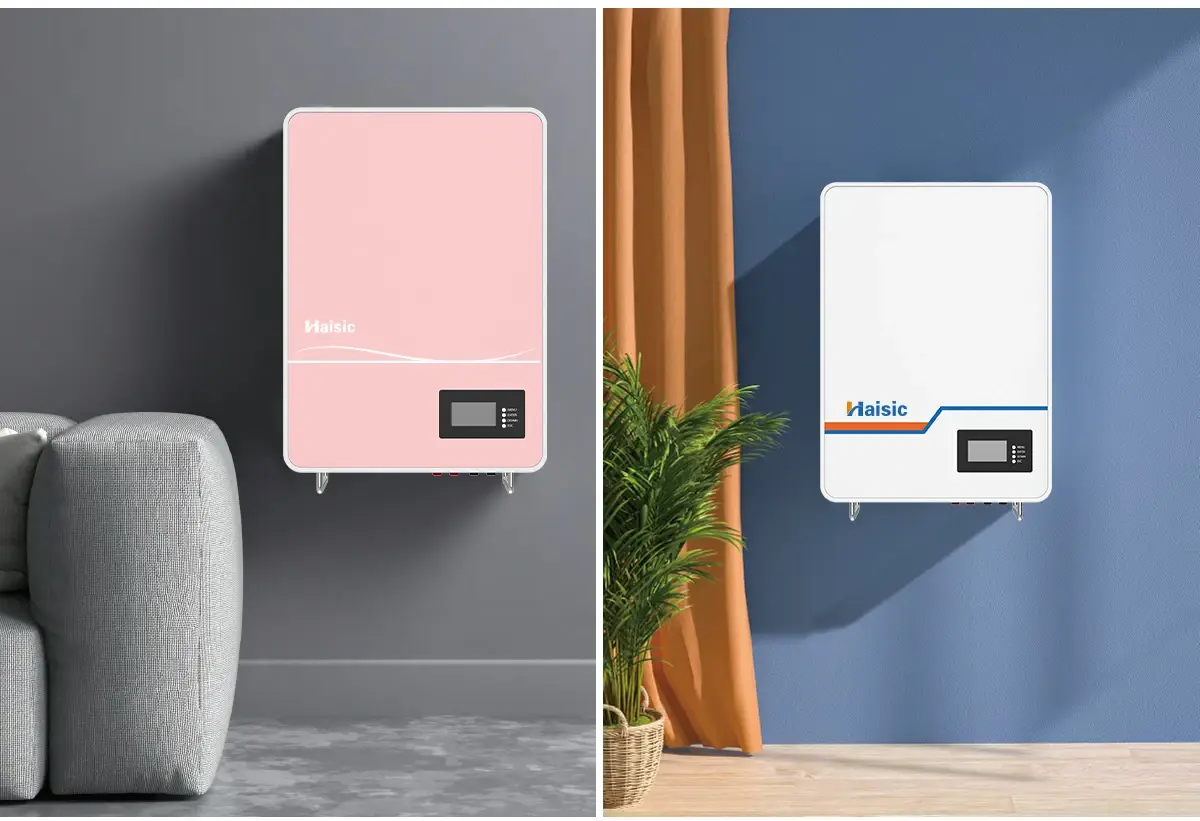
Are you overwhelmed by the sheer number of home power storage system options on the market?
You aren\’t alone.
Selecting the right setup isn\’t just about buying a battery; it\’s about securing energy independence and protecting your wallet from rising rates.
As an industry insider, I’ve seen homeowners make costly sizing errors, and I’ve seen them wipe out their electric bills completely.
In this guide, you’re going to get the unvarnished truth about residential battery storage in 2026.
We’ll cover real costs, the latest LFP technology, and exactly how to choose a system that fits your specific needs.
Let’s dive right in.
Why Invest in a Home Power Storage System Now?
We are witnessing a fundamental shift in how homeowners manage electricity. Installing a home power storage system is no longer just about having a backup for the occasional storm; it is a strategic financial decision to secure energy independence and lock in long-term savings. With the federal Investment Tax Credit (ITC) offering a 30% deduction only until December 31, 2026, the window to maximize your return on investment is closing fast.
Here is why we recommend integrating residential battery storage immediately:
- True Energy Independence: Standard solar panels shut down during a blackout for safety. A storage system with \”islanding\” capabilities keeps your home running, providing seamless protection against grid failures without the noise or fumes of a generator.
- Lower Electricity Bills: Utilities are increasingly switching to Time-of-Use (TOU) rates, where power is expensive in the evening. We use batteries to store cheap solar energy during the day and discharge it during peak hours—a strategy known as peak shaving—to drastically reduce monthly costs.
- Maximizing Solar Investment: Instead of sending excess power back to the grid for pennies (especially under new rules like NEM 3.0), a solar-plus-storage system allows you to store that energy for use at night, ensuring you consume what you produce.
- Future-Proofing: As utility export rates drop and grid instability rises, owning your power source protects you from changing regulations and ensures your home remains resilient and valuable.
How Home Power Storage Systems Work
A home power storage system is not just a large battery; it is a sophisticated energy management solution designed to bridge the gap between generation and consumption. To understand how these systems deliver energy independence, we need to look at the components and configurations that make them tick.
Core Components of Residential Battery Storage
Every functional system relies on three main elements working in unison:
- Battery Modules: The chemical storage units (typically Lithium-ion or LFP) that hold the electrical charge.
- Inverter: This device converts the Direct Current (DC) electricity stored in the battery into the Alternating Current (AC) electricity your home appliances use.
- Monitoring Software: The digital brain that manages when to charge, when to discharge, and how to optimize for savings or backup power.
AC-Coupled vs. DC-Coupled Setups
Choosing the right architecture depends largely on whether you are installing a new system or upgrading an existing one.
- DC-Coupled Systems: These are highly efficient because solar energy flows directly into the battery without multiple conversions. This is often the preferred choice for new installations where the solar panels and battery are installed simultaneously.
- AC-Coupled Systems: These are easier to retrofit. If you already have solar panels, an AC-coupled battery sits separately from your existing solar inverter, making installation simpler without rewiring your current setup.
Integration: Solar-Plus-Storage vs. Standalone
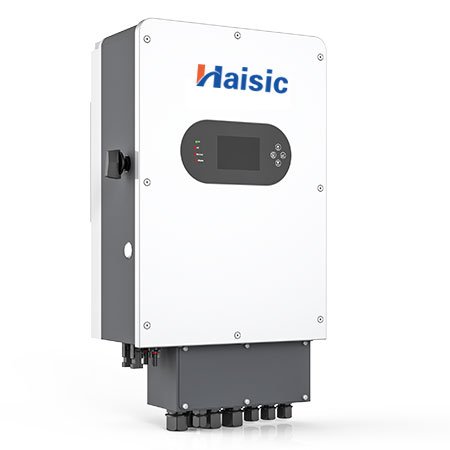
Most homeowners opt for solar-plus-storage, where the battery charges directly from sunlight. This maximizes the value of your solar investment by storing excess energy for use at night. For those looking for a balanced entry point, a 5kW power energy storage solar system for home offers a practical mix of capacity and efficiency for daily needs.
Alternatively, standalone backup systems do not require solar panels at all. These units charge from the grid when electricity is cheap (off-peak) and discharge when rates are high or during an outage.
Grid Independence and Islanding
The most critical function of a modern home power storage system is \”islanding.\” Standard solar panels are required by law to shut down during a blackout to protect utility workers from live electricity feeding back into the lines. A storage system equipped with islanding technology physically disconnects your home from the utility grid the moment an outage is detected. This creates a self-sustaining microgrid, keeping your lights and essential appliances running while the rest of the neighborhood goes dark.
Key Types of Home Battery Technologies in 2026
When selecting a home power storage system, the technology inside the box dictates your safety, system lifespan, and return on investment. In 2026, the market has shifted away from volatile chemistries toward more stable, long-term solutions that prioritize homeowner safety and efficiency.
Lithium Iron Phosphate (LFP) vs. NMC
The most critical distinction today is between Lithium Iron Phosphate (LFP) and traditional Nickel Manganese Cobalt (NMC). While NMC batteries were common in early generations due to their energy density, LFP battery safety has made it the preferred choice for residential energy storage.
- Safety: LFP chemistry is thermally stable and virtually eliminates the risk of thermal runaway (fire) compared to cobalt-based batteries.
- Longevity: LFP units typically deliver 6,000+ cycles, lasting 10–15 years, whereas NMC batteries often degrade faster.
- Sustainability: LFP avoids the ethical and supply chain issues associated with cobalt mining.
For families looking for peace of mind, choosing reliable battery storage for home that utilizes LFP chemistry is the smart move. While we hear buzz about sodium-ion and solid-state batteries, LFP remains the proven, commercially available standard for 2026.
High-Voltage vs. Low-Voltage Systems
Understanding voltage architecture helps in matching the battery to your energy needs.
- High-Voltage Systems (HV): These operate at higher voltages (often 200V–400V), reducing current and minimizing energy loss during conversion. They are highly efficient for large, grid-tied solar setups.
- Low-Voltage Systems (LV): Typically 48V, these are the industry standard for safety and ease of handling. They are highly compatible with a wide range of hybrid inverters and are easier to expand.
Modular Home Battery vs. All-in-One
Flexibility is the new standard. A modular home battery design allows you to start small—perhaps to cover just essential lights and internet—and stack additional battery modules later as your budget allows or if you add an electric vehicle.
- Modular: Scalable capacity (e.g., adding 5 kWh blocks).
- All-in-One: Fixed capacity with integrated inverter (less flexible but easier to install).
Modern systems often combine these features; for instance, a high-capacity touchscreen home energy storage battery can offer a user-friendly interface while housing modular LFP cells internally, giving you the best of both worlds: usability and expandability.
How to Size and Choose the Right System for Your Home
Selecting the correct home power storage system is more than just picking a brand; it requires calculating your specific energy profile to ensure you get a return on your investment. We see too many homeowners guess their needs, resulting in systems that either drain too quickly during an outage or cost far more than necessary.
Step-by-Step Sizing Guide
To size your system accurately, you must distinguish between power (kW) and capacity (kWh). Power determines what you can run simultaneously (like your AC and microwave), while capacity determines how long you can run them.
- Assess Daily Usage: Check your electricity bill for your average daily kWh consumption.
- Define Your Goal:
- Partial Backup: Powering only essential loads (lights, fridge, Wi-Fi) typically requires 10–13 kWh.
- Whole-Home Backup: Running an entire household, including HVAC, often demands 20–30 kWh or more.
- Calculate Duration: If you need whole-home backup power for 24 hours without solar recharge, you will likely need multiple battery modules. For larger households requiring substantial backup, a 32kWh all-in-one home energy storage system provides the necessary capacity to keep high-demand appliances running comfortably.
Critical Technical Factors
When comparing quotes, look beyond the price tag. The technical specifications dictate the system\’s longevity and performance.
- Round-Trip Efficiency: This measures how much energy is lost during the storage and retrieval process. Higher efficiency means you waste less of the solar energy you generate.
- Lifespan & Warranty: Most reputable residential battery storage units are rated to last 10 to 15 years. Ensure the warranty covers a specific throughput (total energy cycled) or a guaranteed capacity retention after 10 years.
- Islanding Capability: To function during a grid outage, the system must have \”islanding\” technology. This physically disconnects your home from the grid to protect utility workers while keeping your lights on.
- Voltage Architecture: For modern setups, efficiency is key. If efficiency is a priority, consider a 26.88kWh high-voltage LiFePO4 home energy storage system to minimize conversion losses and handle larger surges.
Compatibility with Solar and EV Charging
Your storage setup must integrate seamlessly with your existing infrastructure.
| System Type | Best Application |
|---|---|
| DC-Coupled | Ideal for new solar installations; highly efficient as it reduces AC-DC conversions. |
| AC-Coupled | Best for retrofitting a battery to an existing solar panel system. |
| Standalone | Works without solar for grid arbitrage (charging when rates are low, discharging when rates are high). |
Always verify that the inverter capacity matches your peak load requirements. If you plan to charge an electric vehicle (EV) from your battery, you will need a system with high continuous power output to prevent tripping the system.
Real Costs and Financial Incentives in 2026
Investing in a home power storage system is a significant financial commitment, but understanding the market data helps clarify the return on investment. Based on recent marketplace statistics, the median cost for energy storage sits at approximately $1,037 per kWh. For a typical residential setup with a 13.5 kWh capacity, the gross price usually hovers around $14,000 before any incentives are applied. This figure covers the battery unit, installation labor, and necessary equipment like inverters.
Breakdown of System Costs
The final price tag depends heavily on your specific energy needs and installation complexity.
- Equipment: The battery module and inverter account for the bulk of the expense.
- Labor: Electrical work, permitting, and site preparation vary by location.
- Capacity: Larger systems required for whole-home backup naturally cost more.
For a detailed look at how these factors influence your budget, reviewing the cost of solar battery storage can provide a clearer financial roadmap.
The Federal Investment Tax Credit (ITC)
The most impactful financial tool currently available is the federal Investment Tax Credit (ITC). This incentive allows homeowners to claim 30% of the total project cost as a credit against their federal income taxes.
- Savings Impact: On a $14,000 system, the ITC reduces the net cost to roughly $9,800.
- Urgency: Under current legislation, this 30% credit is scheduled to expire on December 31, 2026. Installing your system before this deadline is critical to maximizing your initial savings.
State Rebates and Virtual Power Plants (VPP)
Beyond federal tax breaks, local incentives can further offset the energy storage cost per kWh. Many states offer specific rebates, such as the Self-Generation Incentive Program (SGIP) in California. Additionally, Virtual Power Plant programs are becoming a major factor in ROI calculations.
- How VPPs Work: Utilities pay you to access your stored energy during times of peak grid demand.
- Potential Earnings: In regions like Massachusetts, participants in \”Bring Your Own Battery\” programs can earn up to $275 per kW or over $1,500 annually.
Calculating Your ROI
To determine if a home power storage system is worth it, look beyond the upfront price. Calculate your payback period by factoring in:
- Bill Savings: Using stored solar energy during expensive Time-of-Use (TOU) rate windows.
- Incentive Payments: Annual income from VPP participation.
- Net Cost: The total price after the 30% ITC and local rebates.
By leveraging these mechanisms, the battery evolves from a simple backup luxury into a financial asset that actively reduces living expenses over its 10 to 15-year lifespan.
Top Home Power Storage Systems and Alternatives in 2026
When you look at the landscape of the home power storage system market in 2026, the options have expanded significantly beyond just one or two famous brands. While the major players continue to dominate headlines, the real innovation is happening in flexibility and chemistry. Based on marketplace data, homeowners are increasingly comparing \”ecosystem\” brands against modular, value-driven alternatives to find the best return on investment.
Leading Market Options Overview
The market is currently defined by a few heavy hitters that set the standard for specifications and pricing.
- Tesla Powerwall 3: This remains the benchmark unit in the industry. As noted in market research, a standard unit typically offers 13.5 kWh of capacity. It is an AC-coupled system, meaning it has an integrated inverter, making it easier to retrofit onto homes with existing solar.
- Enphase IQ: Known for its modularity and tight integration with microinverters. It is a top choice for those already in the Enphase solar ecosystem.
- FranklinWH & EcoFlow: These brands have gained traction by focusing on smart energy management and whole-home backup capabilities, often bridging the gap between portable power and permanent installation.
- Bluetti EP900 & EG4: These appeal to the DIY and off-grid community, offering robust power output and expandability, often at a lower price point per kWh than the premium tier.
Comparison: Big Brands vs. Modular Alternatives
To help you visualize the differences, here is a comparison based on typical market specifications and median pricing trends (approx. $1,037/kWh for premium installed systems).
| Feature | Tesla Powerwall 3 | Traditional NMC Batteries | Haisic Modular LFP Solutions |
|---|---|---|---|
| Chemistry | LFP (Newer models) | NMC (older tech) | Lithium Iron Phosphate (LFP) |
| Capacity | 13.5 kWh (Fixed) | 9.8 – 13 kWh | Scalable / Stackable (5 kWh+) |
| Safety | High | Moderate (Thermal risks) | Excellent (Thermal stability) |
| Modularity | Low (All-in-one) | Low | High (Add modules as needed) |
| Est. Lifespan | 10–15 Years | 10 Years | 15+ Years (6000+ Cycles) |
Why Haisic Offers a Competitive Edge
While the big names offer name recognition, they often come with a \”brand tax\” and rigid sizing. If you need 18 kWh, buying two 13.5 kWh Powerwalls is overkill and expensive. This is why we focus on modular home battery designs.
We utilize Lithium Iron Phosphate (LFP) chemistry exclusively. Unlike older nickel-manganese-cobalt (NMC) batteries, LFP is inherently safer, has a lower risk of thermal runaway, and lasts significantly longer—often exceeding 15 years of daily cycling.
Our approach allows for a more tailored fit for your home.
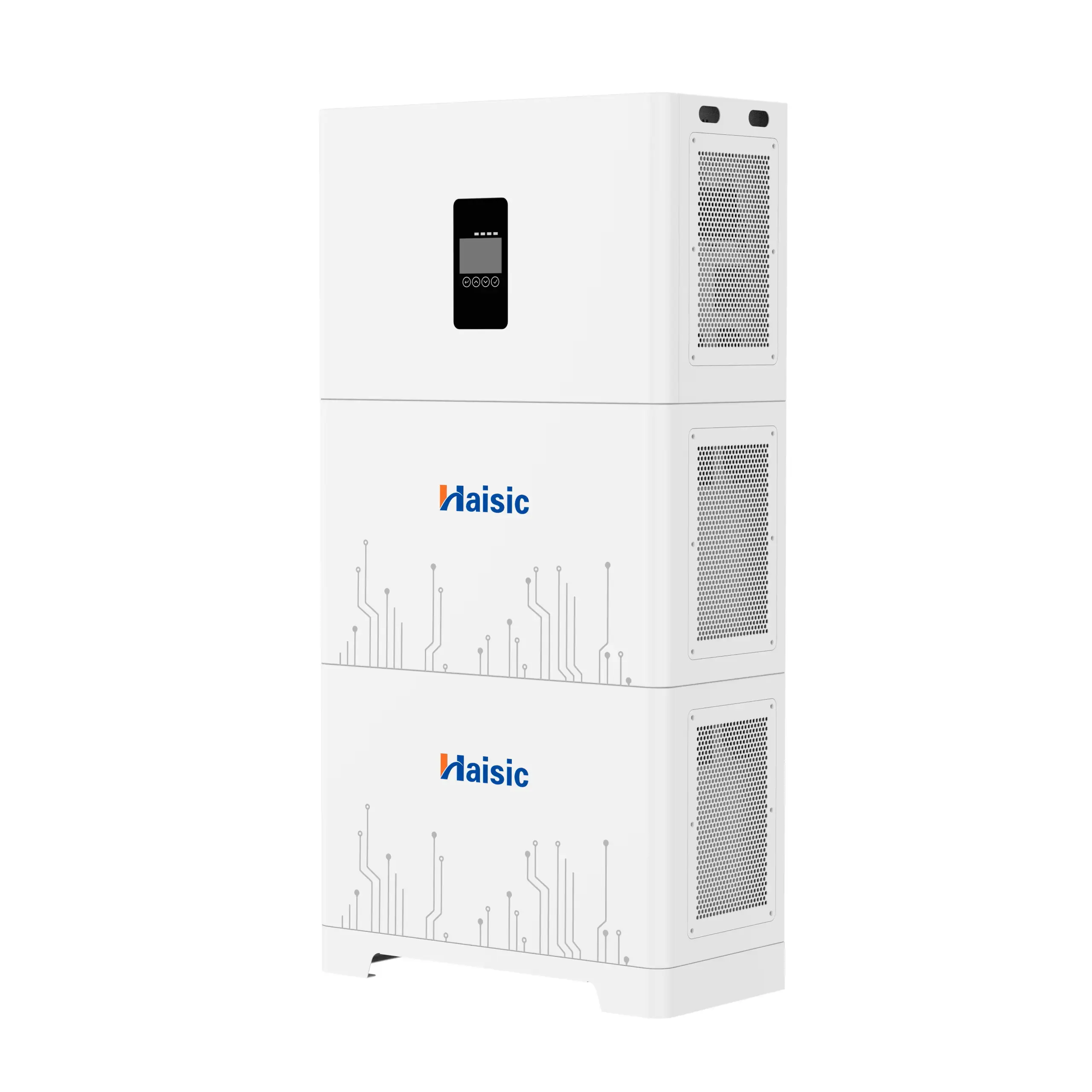
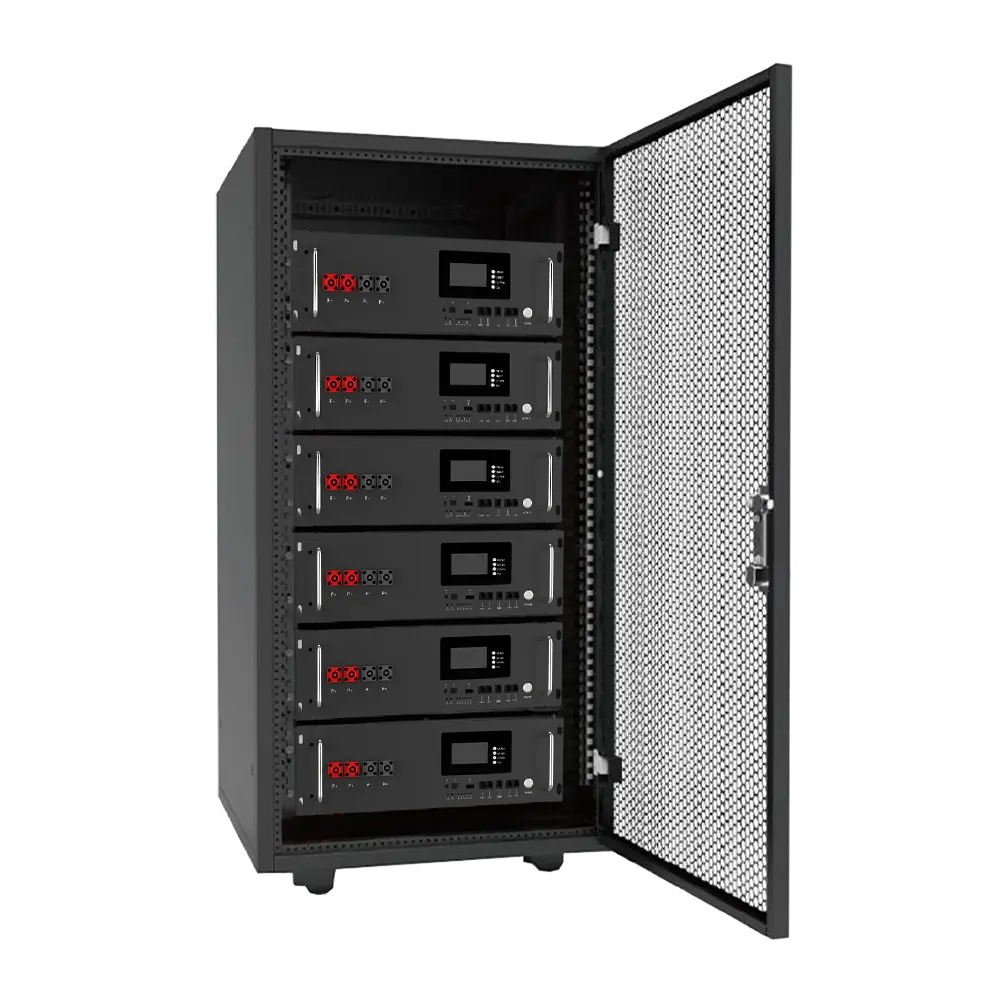
- Scalability: You shouldn\’t have to buy more storage than you need. Our stackable power energy storage systems allow you to start with a smaller capacity and simply stack more modules if your energy needs grow, without requiring a complete system overhaul.
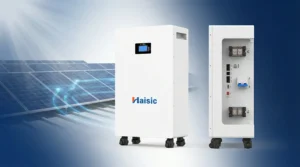
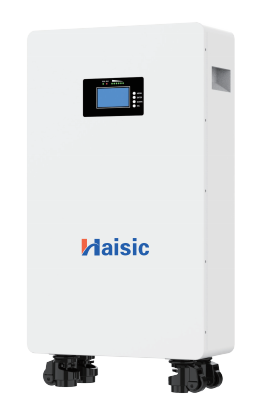
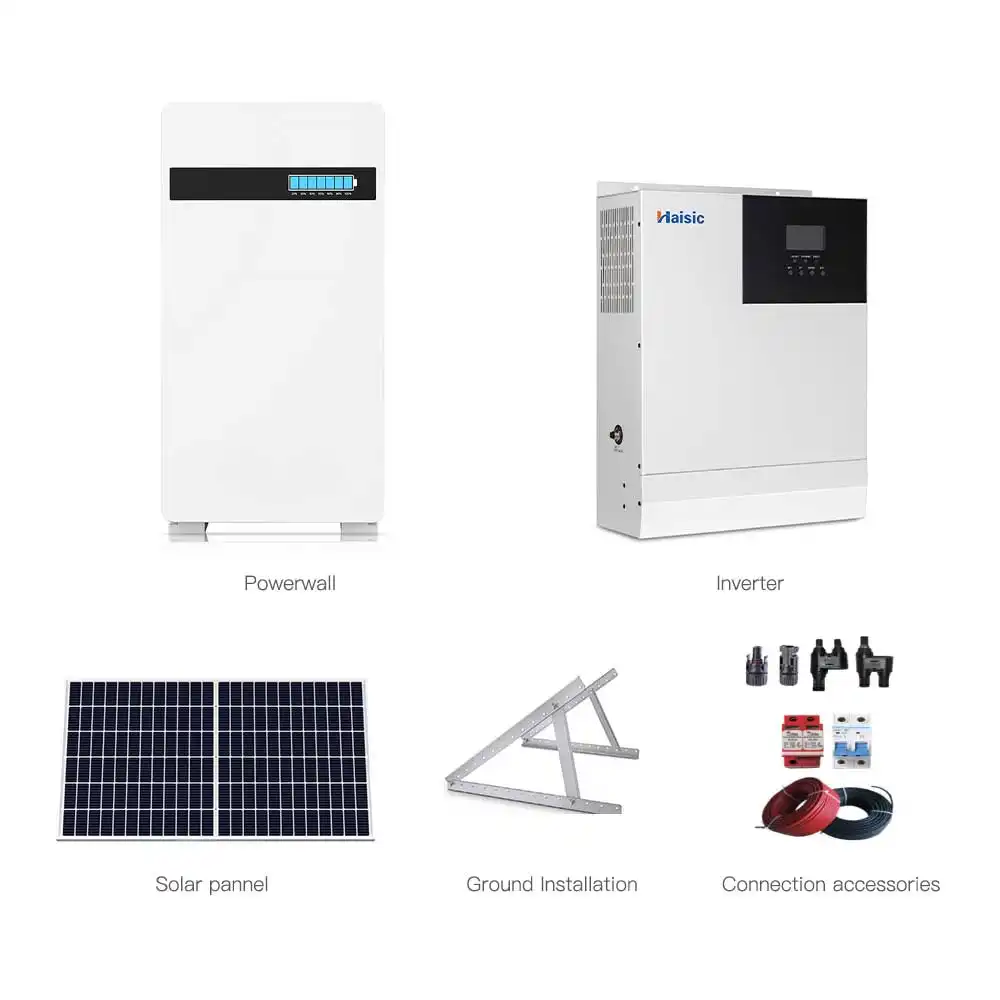
- Direct Powerwall Alternatives: For those who prefer the wall-mounted form factor but want better value, our 51.2V Powerwall energy storage units provide the robust backup capability you expect from a home power storage system but with transparent pricing and open compatibility with various inverters.
By choosing a manufacturer that prioritizes component quality and modularity over proprietary closed ecosystems, you secure a system that is easier to repair, cheaper to expand, and safer for your home in the long run.
Installation, Maintenance, and Safety for Home Power Storage Systems
Getting a home power storage system up and running involves more than just plugging it in. Since these units manage high-voltage electricity and integrate directly with your home\’s main panel, professional installation by a licensed electrician is mandatory. While the physical mounting and wiring might only take a few hours to a day, the pre-installation phase—including site visits and permitting—often takes longer to ensure everything meets local building codes.
Critical Electrical Upgrades
To ensure your residential battery storage functions correctly during a blackout, your installer will likely set up a \”critical loads panel\” or install a smart gateway. This hardware isolates essential circuits (like fridges, lights, and Wi-Fi) so the battery can \”island\” itself from the grid. This prevents your system from sending power back to utility lines while repair crews are working, which is a crucial safety requirement for any grid-tied setup.
Maintenance and Lifespan
Most modern batteries are designed for a \”set it and forget it\” experience. You can typically expect a lifespan of 10 to 15 years, depending on usage cycles and environment. To maximize this longevity:
- Temperature Control: Install units in a garage or shaded area to avoid extreme heat or cold, which degrades performance.
- Monitoring: Use the management software to check state-of-charge and system health regularly.
- Chemistry Matters: Systems utilizing advanced LiFePO4 battery packs offer superior thermal stability and cycle life compared to older lithium-ion types.
Safety Standards
When evaluating options, prioritize LFP battery safety and UL certifications (such as UL 9540). These standards verify that the equipment has passed rigorous testing for fire resistance and electrical reliability. If you are unsure which safety features align with your specific home requirements, reviewing the best battery storage options for solar can help clarify which models meet the highest safety benchmarks. Preventing thermal runaway through proper chemistry choice and certified installation is the best way to protect your home.
The Future of Home Energy Storage
The residential energy landscape is evolving rapidly. A home power storage system is no longer just a static backup unit; it is becoming an intelligent hub that actively manages your household\’s energy efficiency. We are moving toward a future where hardware and software work seamlessly to maximize financial returns and grid independence.
AI-Driven Energy Management
Modern storage solutions are integrating advanced software that uses artificial intelligence to optimize performance.
- Smart Rate Arbitrage: Systems can automatically learn your usage patterns and local utility rates, charging when electricity is cheap and discharging during peak pricing hours to lower bills.
- Weather Prediction: Intelligent batteries analyze weather forecasts to prepare for potential solar production shortfalls or incoming storms, ensuring your home energy storage is fully charged before an outage occurs.
Vehicle-to-Home (V2H) Capabilities
The convergence of electric vehicles (EVs) and home storage is a game-changer. Bidirectional charging technology allows compatible EVs to function as massive mobile batteries. In this setup, your car can power your home during a blackout or feed energy back to the grid, significantly expanding your available backup capacity without buying additional stationary batteries.
Emerging Chemistries and Market Trends
Battery technology is shifting away from traditional nickel-manganese-cobalt (NMC) chemistries toward safer, longer-lasting alternatives.
- LFP Dominance: We are seeing a strong industry pivot to Lithium Iron Phosphate (LFP). These batteries offer superior thermal safety and longer cycle lives. For example, our 51.2V 100Ah floor-mounted home energy storage utilizes this stable chemistry to ensure reliability over 10–15 years of daily use.
- Cost Trajectory: As manufacturing scales and technology matures, the cost per kWh is expected to stabilize and decrease, making robust residential battery storage accessible to more households globally.
Frequently Asked Questions About Home Power Storage
What is the best home power storage system in 2026?
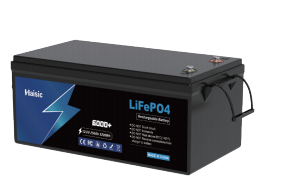
The \”best\” system depends entirely on your specific energy goals, but the market leaders generally share a few traits: Lithium Iron Phosphate (LFP) chemistry for safety, modular capacity, and smart software. While the Tesla Powerwall 3 remains a popular benchmark with its 13.5 kWh capacity, many homeowners now prefer modular options that allow you to stack power as needed. We see a strong shift toward systems that integrate easily with existing solar setups and offer robust warranties. Reliable 12.8V 280Ah BMS battery storage systems are excellent examples of the safe, long-lasting technology powering modern residential setups.
How much does a home battery storage system cost after incentives?
Based on marketplace data, the median cost for energy storage is approximately $1,037 per kWh. For a standard 13.5 kWh residential battery, the gross price typically lands around $14,000 including installation. However, incentives significantly reduce this burden:
- Federal ITC: The 30% tax credit can drop that price to roughly $9,800.
- State Rebates: Programs like California\’s SGIP offer additional cash back based on capacity.
- Performance Programs: Some utilities pay you to access your battery during peak demand, potentially earning you over $1,500 annually through Virtual Power Plant (VPP) participation.
Can I install a home power storage system without solar panels?
Yes, absolutely. You do not need solar panels to benefit from a home power storage system. Standalone batteries can charge directly from the grid. This is a smart strategy for two main reasons:
- Backup Power: You remain protected during grid outages.
- Rate Arbitrage: If your utility uses Time-of-Use (TOU) rates, you can charge the battery when electricity is cheap (off-peak) and discharge it when prices spike, lowering your monthly bill.
How long do home batteries last?
Most modern residential battery storage units are built to last between 10 and 15 years. Manufacturers typically offer warranties that guarantee the battery will retain a certain capacity (usually 70%) after a decade of use or a specific amount of energy throughput. Factors like depth of discharge and temperature control play a huge role here. Systems utilizing LFP chemistry generally offer longer lifespans compared to older lithium-ion technologies.
Are home power storage systems worth it in areas with frequent outages?
For homeowners facing unstable grids, a solar battery backup is often the most reliable investment. Unlike gas generators, batteries provide:
- Instant \”Islanding\”: The system detects a blackout and disconnects from the grid in milliseconds to power your home seamlessly.
- Silent Operation: No noise or fumes.
- Fuel Independence: When paired with solar, you can recharge indefinitely during extended outages, whereas generators require constant refueling.
If you experience regular blackouts, the peace of mind and continuity of power make the ROI clear, even before factoring in potential financial savings from grid services.