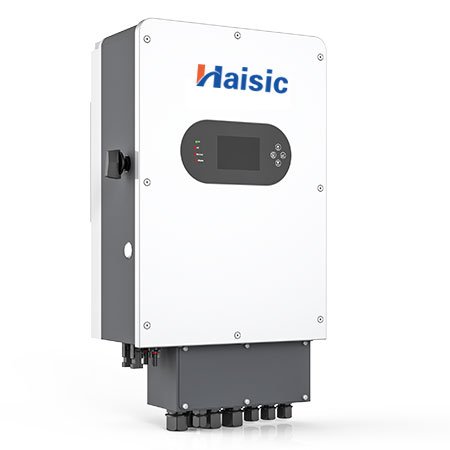


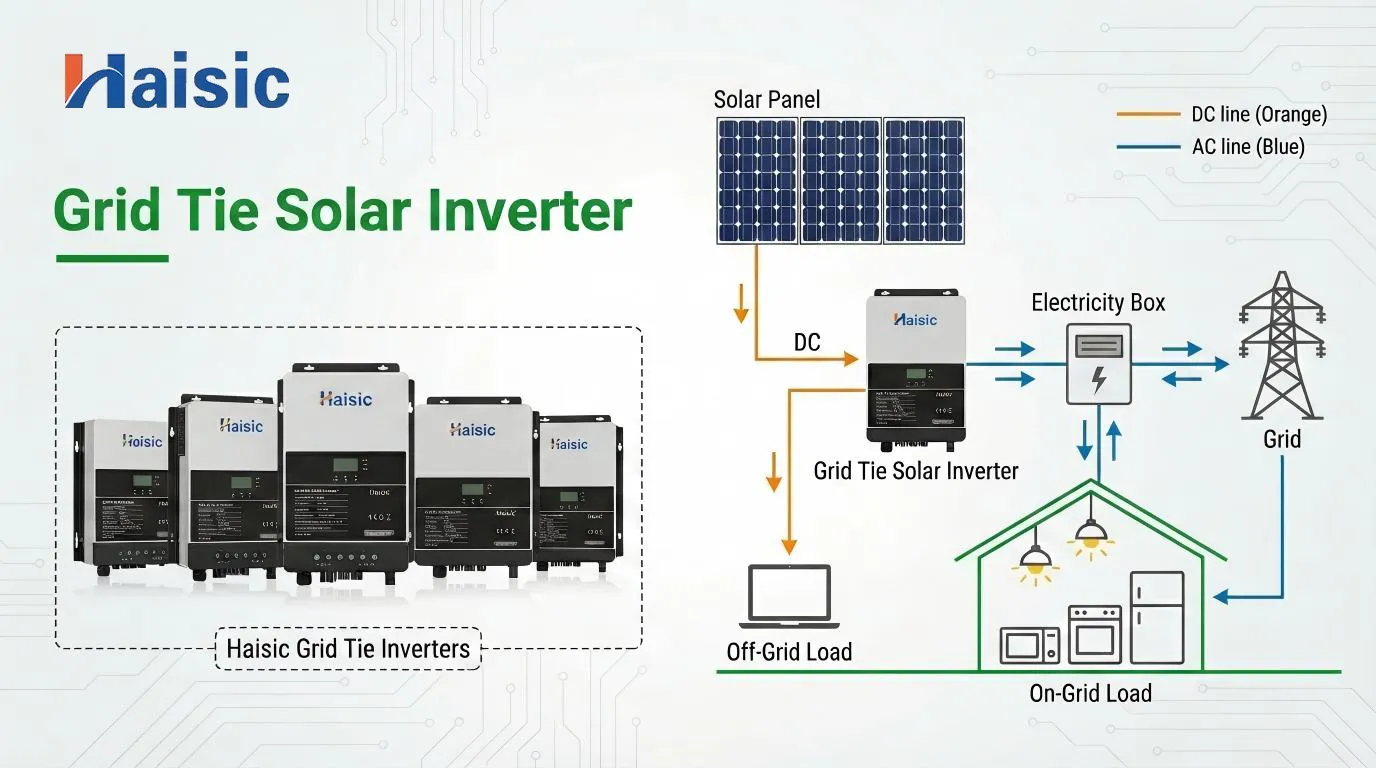
You might already know that a grid tie solar inverter is the most cost-effective way to switch to solar energy.
But do you know exactly what happens to your system when the public power grid fails?
It shuts down.
As an energy storage manufacturer, I see homeowners make this assumption constantly: believing that solar panels automatically guarantee backup power during a blackout. They don\’t.
In this guide, you’re going to learn exactly how grid-tie technology works, how to maximize your ROI through Net Metering, and why upgrading to a hybrid system with battery storage is the only way to secure true energy independence.
Let’s dive right in.
What Is a Grid Tie Solar Inverter?
At the heart of every grid-connected solar system, you will find the grid tie solar inverter. Think of it as the brain of the operation. While your Photovoltaic PV system captures sunlight, the panels generate Direct Current (DC) electricity. Since your home appliances and the utility grid run on Alternating Current (AC), raw solar power is useless without translation.
We use the grid tie solar inverter to handle this critical DC to AC conversion efficiency. It transforms the variable DC output from the panels into a stable AC current that is perfectly synchronized with the frequency and voltage of the public utility grid. This utility grid synchronization is what allows you to seamlessly export excess power to the electric company or pull power when the sun isn\’t shining.
System Differences at a Glance
Understanding where a grid tie inverter fits compared to other setups is crucial for choosing the right path for your energy independence.
| Feature | Grid-Tie System | Off-Grid System | Hybrid System |
|---|---|---|---|
| Primary Power Source | Solar + Utility Grid | Solar + Batteries | Solar + Grid + Batteries |
| Grid Connection | Yes (Required) | No (Completely Independent) | Yes (Optional/Flexible) |
| Backup Power | Utility Grid acts as virtual battery | Physical Battery Bank | Batteries + Grid Backup |
| Complexity | Low (Fewer components) | High (Requires sizing batteries) | Moderate to High |
| Cost | Most Cost-Effective | Higher (Battery costs) | Higher (Inverter + Battery costs) |
Unlike off-grid setups that rely entirely on expensive battery banks, a standard grid-tie setup uses the utility grid as a reliable backup, making it a simpler and often more affordable entry point into solar energy.
How Grid Tie Inverters Work
The core function of a grid tie solar inverter is to act as the gateway between your solar panels, your home, and the utility company. It manages the flow of electricity to ensure your system operates efficiently and safely without manual intervention.
Solar Generation and Conversion Process
When sunlight hits your photovoltaic PV system, the solar panels generate Direct Current (DC) electricity. Since most household appliances and the electric grid operate on Alternating Current (AC), this raw energy cannot be used immediately. The grid tie inverter performs the critical task of converting this DC power into AC. High-quality units focus on maximizing DC to AC conversion efficiency, ensuring that very little energy is lost during this transformation. The result is a clean pure sine wave output that perfectly matches the frequency and voltage of the utility grid.
Consuming Power vs Exporting to the Grid
Once the energy is converted, the grid tied solar inverter prioritizes your home\’s needs. The electricity flows to your main distribution board to power lights, refrigerators, and other devices.
- Self-Consumption: If your home needs power, it uses the solar energy first.
- Exporting Excess: When your system generates more energy than you are using, the inverter automatically feeds the surplus back into the public grid.
- Importing Power: At night or during heavy cloud cover, the system seamlessly pulls electricity from the grid to ensure continuous operation.
Anti-Islanding Safety During Blackouts
Safety is non-negotiable for grid connected solar systems. Every certified grid tie inverter includes a mandatory safety feature known as anti-islanding protection. If the utility grid goes down due to a storm or maintenance, the inverter instantly detects the loss of grid voltage and shuts down solar production within milliseconds.
This prevents your system from sending dangerous electricity back into the power lines, protecting utility workers who are repairing the grid. However, this also means that without a separate DIY home battery backup, a standard grid-tie system will not provide power to your home during a blackout.
Net Metering and ROI Explained
When we look at the financial performance of a solar setup, the grid tie solar inverter is the engine that drives your savings. It is not just about generating power for your immediate needs; it is about effectively managing the exchange of energy with the utility company. This interaction is defined by your Net metering agreement, which dictates how you are compensated for the extra electricity your system pushes back into the grid.
Earning Credits and Buy-Back Rates
The concept is simple math. During peak sunlight hours, your PV system often generates more power than your home can consume. Your inverter handles the utility grid synchronization and exports this surplus.
- Energy Export: The meter spins backward (or records digitally) as power flows to the utility.
- Feed-in Tariff: Depending on local regulations, you earn credits or cash based on a specific Feed-in tariff.
- Nighttime Usage: You use these banked credits to draw power from the grid at night, effectively using the utility grid as a free \”virtual battery.\”
Why Grid-Tie Offers the Fastest ROI
For homeowners focused strictly on Solar energy ROI, a grid-tied configuration is almost always the most cost-effective option. Because this setup does not require the expensive battery banks associated with a hybrid solar inverter, the initial capital required is significantly lower.
- Reduced Upfront Costs: You avoid the high price tag of energy storage systems.
- Minimal Maintenance: With fewer components, there are fewer points of failure and less upkeep.
- Maximum Efficiency: The system focuses purely on immediate consumption and export, ensuring no energy is lost in battery chemical conversion cycles.
By eliminating the need for onsite storage, a grid tie solar inverter accelerates the payback period, making it the smartest financial choice for locations with a stable power grid.
Types of Grid Tie Inverter Configurations
Selecting the right grid tie solar inverter is the most critical decision when designing your photovoltaic PV system. The configuration determines your system\’s efficiency, cost, and ability to expand in the future. We generally categorize these into three main types based on roof conditions and energy goals.
String Inverters for Unshaded Roofs
For most homeowners with a simple roof layout and minimal shading, a string inverter is the most cost-effective and reliable choice. In this setup, solar panels are connected in a series \”string\” and fed into a single centralized inverter.
- Cost-Efficiency: Lower upfront cost compared to other technologies.
- Maintenance: Easier to service since the inverter is typically mounted on a wall at ground level, not on the roof.
- Performance: Excellent for roofs that get consistent sunlight throughout the day.
Microinverters for Complex Setups
If your roof has multiple angles, chimneys, or experiences partial shading from trees, the string inverter vs microinverter debate leans heavily toward microinverters. These are small units attached to the back of each individual solar panel.
- Panel-Level Optimization: Shading on one panel does not drag down the performance of the rest of the array.
- Monitoring: Allows you to track the power output of every single panel independently.
- Flexibility: Ideal for expanding systems one panel at a time.
Hybrid Inverters for Battery Readiness
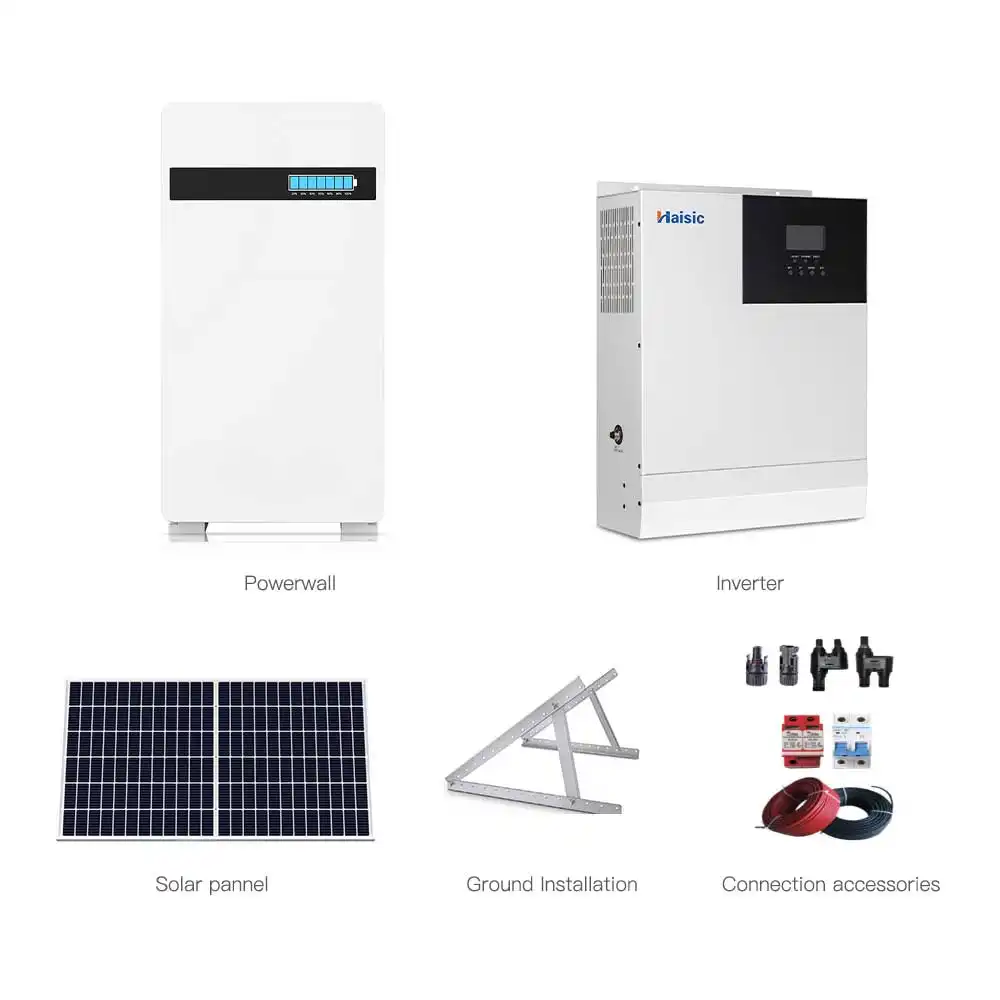
A hybrid solar inverter is the best option if you want the benefits of a grid-tied system today but plan to add energy storage later. Unlike standard inverters, hybrid models can manage power from solar panels, the utility grid, and a battery bank simultaneously.
- Future-Proofing: Eliminates the need to buy a second inverter when you decide to install batteries.
- Energy Independence: Essential for storing excess solar power for night use or backup during outages.
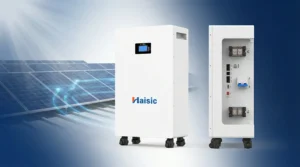
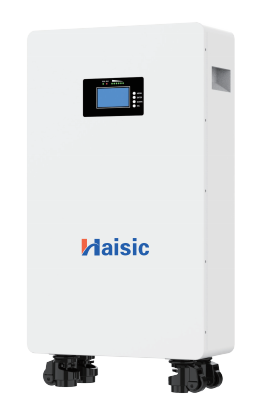
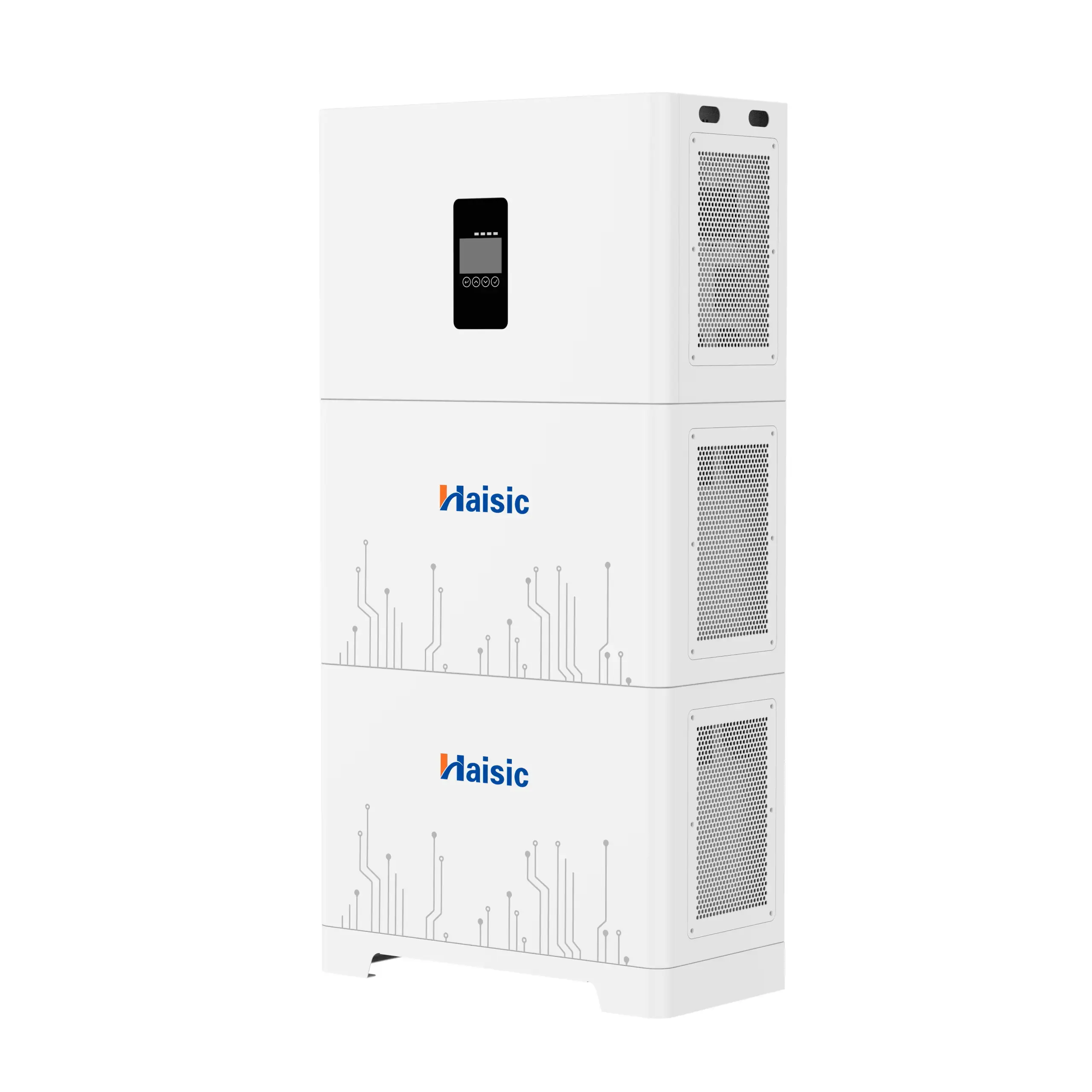
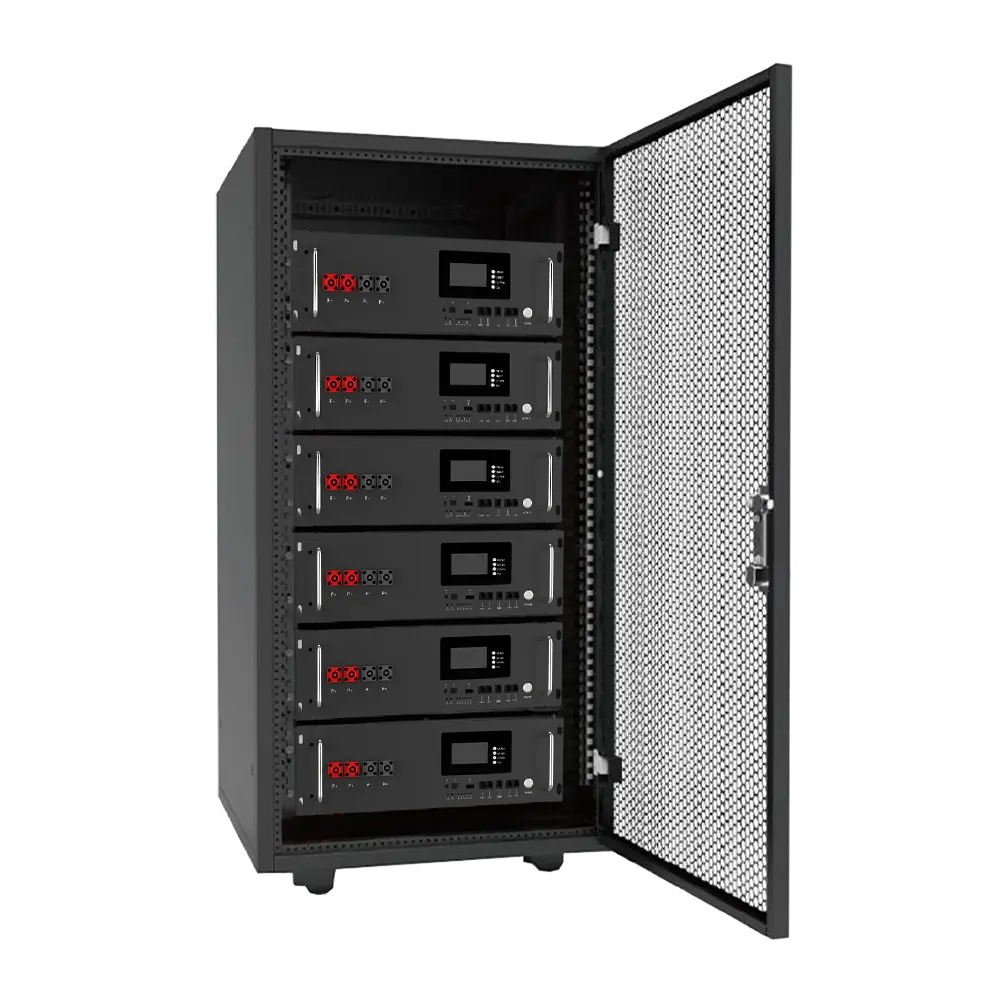
- Integration: These units seamlessly pair with advanced storage solutions, such as a high volt stacked 20kwh battery system, to maximize self-consumption and reduce reliance on the grid.
Key Features to Look For in a Grid Tie Solar Inverter
Selecting the right grid tie solar inverter is critical because it acts as the brain of your entire photovoltaic PV system. A high-quality unit ensures you get the most power out of your panels and maintain a stable connection with the utility grid. Here are the specific specs you need to watch for.
Efficiency Ratings and CEC Standards
The primary job of the inverter is DC to AC conversion efficiency. No conversion is 100% perfect, but top-tier inverters achieve over 97% efficiency. This means less energy is lost as heat and more electricity flows into your home. Always check for CEC (California Energy Commission) or European efficiency ratings to ensure the device meets rigorous performance standards. A higher efficiency rating directly improves your solar panel system efficiency and speeds up your payback period.
MPPT Importance for Mixed Roof Angles
If your roof has multiple planes or faces different directions, you need an inverter with advanced MPPT (Maximum Power Point Tracking) channels. MPPT technology independently monitors and optimizes the voltage for different strings of solar panels. This ensures that if one section of your roof is shaded or facing away from the sun, it doesn\’t drag down the performance of the entire array.
Durability, Monitoring, and Warranty
Since inverters are often installed outdoors, they must be built to last. Look for IP65 rated inverters that offer robust protection against dust and water jets. Beyond hardware, the software is just as important. A modern smart energy management system with a user-friendly mobile app allows you to monitor production in real-time. Finally, check the warranty terms; a standard warranty typically ranges from 5 to 10 years, but premium manufacturers often offer extensions up to 25 years.
Quick Feature Checklist:
| Feature | What to Look For | Why It Matters |
|---|---|---|
| Efficiency | >97% (CEC/Euro Weighted) | Maximizes usable energy output. |
| Protection | IP65 or IP66 Rating | Ensures durability in rain and dust. |
| MPPT | Dual or Multi-MPPT | Optimizes power for complex roof layouts. |
| Monitoring | Wi-Fi/4G App Support | Tracks solar energy ROI and system health. |
| Safety | Anti-islanding Protection | Protects utility workers during outages. |
Sizing and Installation Compatibility
Getting the size right for a grid tie solar inverter is critical for maximizing your system\’s output without wasting money. We focus heavily on the DC-to-AC ratio, which often involves installing more solar panel capacity (DC) than the inverter\’s rated AC output. A ratio between 1.1 and 1.3 is common; this \”over-sizing\” ensures the inverter runs closer to its peak capacity for longer periods, boosting total energy production even when the sun isn\’t blazing.
Beyond sizing, compliance is non-negotiable. Your equipment must meet specific safety standards, such as UL 1741, to legally connect to the utility infrastructure. This certification confirms the system has reliable anti-islanding protection, preventing it from feeding power back into the lines during a blackout. Proper sizing also involves looking ahead; if you plan to retrofit a lithium battery for solar power storage down the road, ensuring your inverter and wiring can handle the load now will save significant hassle later. Always consult local grid codes to ensure your setup handles utility grid synchronization safely and efficiently.
The Hybrid Advantage: Grid-Tie Plus Storage
While a standard grid tie solar inverter is excellent for reducing bills, it has one major limitation: it stops working during a power outage. This is a mandatory safety feature known as anti-islanding protection, which ensures the system doesn\’t feed electricity back into broken power lines and endanger utility workers. To keep the lights on when the grid goes down, you need to evolve from a purely grid-tied setup to a hybrid solution.
Integrating a LiFePO4 battery solar system transforms a simple grid-tied setup into a resilient energy fortress. A hybrid solar inverter manages both the solar panels and a battery bank, giving you the best of both worlds. You get the financial benefits of net metering alongside the security of solar battery backup.
Beating Time-of-Use Rates and Peak Shaving
Beyond backup power, adding storage unlocks smart energy management strategies that maximize your ROI, especially in regions with Time-of-Use rates:
- Arbitrage: Store excess solar energy during the day when electricity rates are low (or when you would otherwise export it for little credit).
- Peak Shaving: Discharge your stored battery power during the evening \”peak\” hours when utility rates are highest. This drastically reduces what you pull from the grid when it costs the most.
- Self-Consumption: Prioritize using your own solar power before buying from the utility, increasing your energy independence.
Planning a solar battery storage installation alongside your inverter upgrade ensures you aren\’t just generating green energy, but controlling exactly when and how you use it to save the most money.
Frequently Asked Questions About Grid Tie Inverters
Navigating the world of solar can raise a few questions. Here are the most common inquiries we get regarding the grid tie solar inverter and how it fits into your daily energy management.
Does a grid tie inverter work during a power outage?
No, a standard grid tied solar inverter will not function during a blackout. This is a mandatory safety feature known as anti-islanding protection. When the utility grid goes down, the inverter must immediately stop exporting power to prevent electrocuting line workers repairing the wires. If you need power during outages, you require a system with battery backup capabilities.
Can I add a battery to a grid tie system later?
Yes, expanding your system is possible. While a standard grid tie inverter doesn\’t support batteries directly, you can retrofit the system. This often involves upgrading to a hybrid solar inverter or adding an AC-coupled battery solution. This transition allows you to store excess energy for night use or emergencies, moving you closer to home energy independence.
Do I still pay an electric bill with a grid tie system?
In most cases, yes, but it is significantly reduced. Even if your photovoltaic PV system generates 100% of your electricity, most utility companies charge a fixed monthly connection fee. However, through a net metering agreement, the credits earned from exporting excess power can often offset the cost of the energy you consume from the grid at night, resulting in a minimal bill.
How long do grid tie inverters last?
These devices are built for durability and outdoor performance. A high-quality grid connected solar system inverter typically lasts between 10 to 20 years, depending on the brand and operating environment. Regular maintenance and ensuring the unit is kept free of debris can help maximize its lifespan and protect your solar energy ROI.