

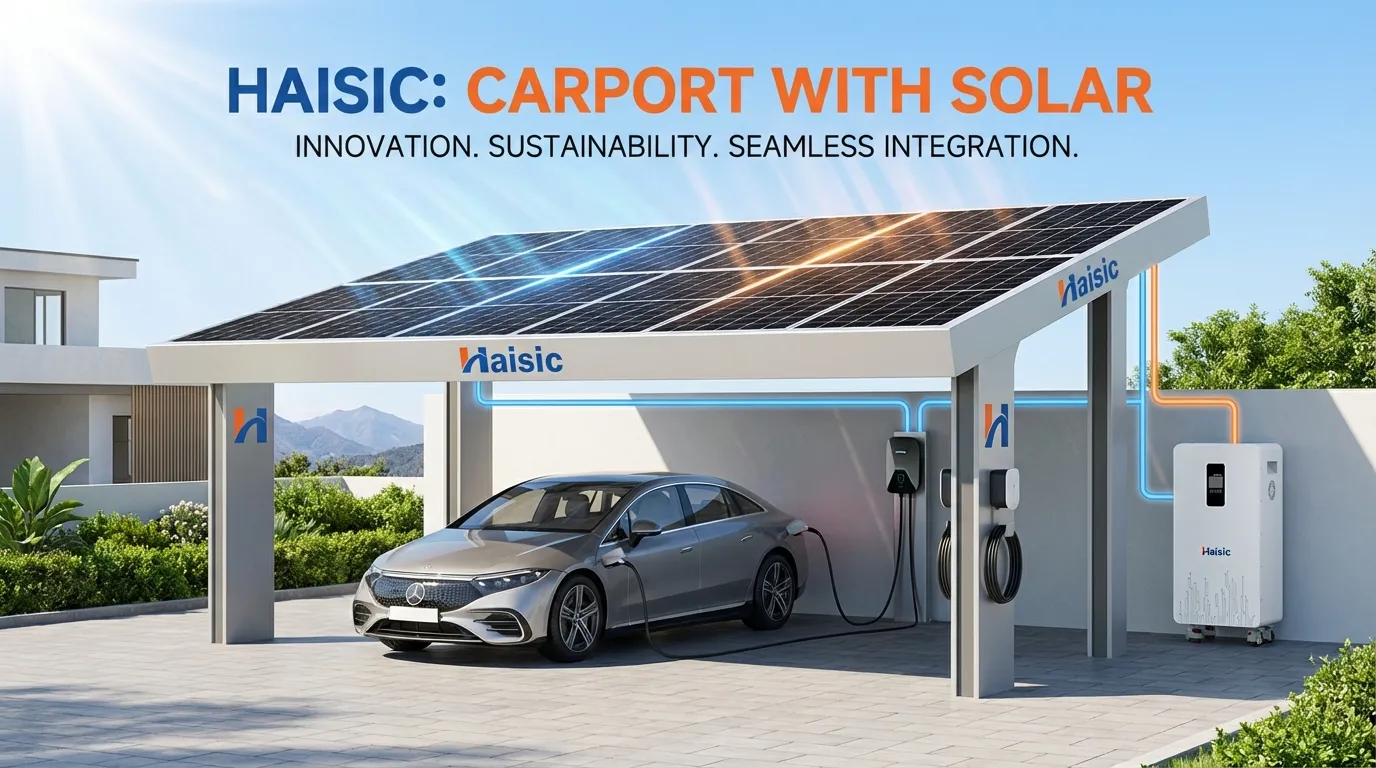
Are you looking to turn your driveway into a productive asset with a carport with solar?
Rooftop solar isn\’t always an option, and leaving your EV exposed to the elements isn\’t ideal either.
A solar carport solves both problems at once. It protects your vehicle while generating clean electricity.
But simply installing panels isn\’t enough.
In this guide, we’re cutting through the noise to cover design options, cost breakdowns, and the critical piece most people miss: energy storage.
You’ll learn exactly how to transform a simple parking spot into an energy-independent power station.
Let’s get into the details.
What Exactly is a Solar Carport?
Defining the Ground-Mounted PV Canopy
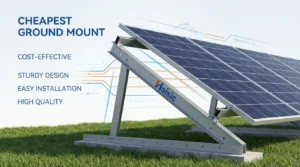
A carport with solar is essentially a multi-functional structure that turns a standard parking spot into a power plant. Instead of mounting panels on an existing roof, the solar panels become the roof. These are ground-mounted PV canopies designed tall enough to shelter vehicles while capturing sunlight from overhead. I view them as the ultimate space hack—you get protection for your car and clean energy generation from the same footprint.
Residential vs. Commercial Applications
The scale changes significantly depending on the use case:
- Residential: Typically designed for driveways or side yards, covering 1 to 2 vehicles. These are compact and often focus on aesthetic integration with the home.
- Commercial: These are massive infrastructure projects found at office parks, schools, or shopping centers. They often utilize multi-column or cantilevered designs to cover dozens or hundreds of parking spots without obstructing traffic flow.
Structural Differences from Rooftop Solar
When I compare a carport with solar panel integration to standard rooftop systems, the engineering requirements are distinct. Rooftop solar relies on the existing building for support. A solar carport must stand alone.
- Foundation: Requires concrete piers or deep footings to handle wind and snow loads.
- Height: Must provide adequate clearance for SUVs and trucks.
- Angle: Orientation is fully customizable during construction, unlike rooftops where you are stuck with the building\’s existing pitch and azimuth.
The Top 5 Benefits of a Carport with Solar
Investing in a carport with solar isn\’t just about finding a place to park; it is a strategic move to maximize the utility of your property. We treat these structures as dual-purpose assets that solve space constraints while generating clean electricity. Whether for a business complex or a private residence, a carport with solar panel installation transforms a static liability—a parking lot or driveway—into a dynamic, income-generating asset.
Here is a breakdown of why this infrastructure makes sense:
1. Efficient Use of Existing Parking Space
Land is expensive. Traditional ground-mounted solar systems require dedicated land, often forcing property owners to choose between real estate development and renewable energy. A PV canopy solves this by utilizing \”functional real estate.\” We build vertically over existing parking spots, meaning you do not lose a single square foot of usable land. This space optimization is crucial for urban areas or commercial sites where every meter counts.
2. Vehicle Protection from Elements
Beyond energy generation, these structures serve their primary function: shelter. A well-constructed solar carport shields vehicles from harsh UV rays, keeping interiors cooler and protecting paint jobs. In colder climates, they prevent snow and ice accumulation on windshields, while in tropical regions, they offer refuge from heavy rain and hail. This protection extends the lifespan of the vehicles parked underneath.
3. Optimized Energy Production
Unlike rooftop solar, which is dictated by the existing pitch and orientation of your roof, a carport is built from scratch. This allows us to design the structure with perfect South-facing orientation (in the Northern Hemisphere) and optimal tilt angles. By maximizing solar panel efficiency, we ensure the system captures the most sunlight possible throughout the day, often outperforming rooftop equivalents that suffer from shading or poor angles.
4. Seamless EV Charging Integration
The synergy between solar carports and electric vehicles is undeniable. Integrating EV charging station infrastructure directly at the parking spot allows for \”sun-to-tank\” fueling. You generate the power right where the car sits, reducing transmission losses and grid reliance. To fully capitalize on this, adding home lithium battery storage ensures that the energy captured during the day is available for charging your EV even after the sun goes down.
5. Increased Property Value and Aesthetic Appeal
A modern carport with solar signals a commitment to sustainability and forward-thinking technology. For commercial properties, this green credential attracts eco-conscious tenants and customers. For residential properties, it adds a high-tech, functional structure that increases resale value. It transforms a standard asphalt slab into a premium, energy-independent parking facility.
| Benefit Category | Key Advantage |
|---|---|
| Space Utilization | Turns parking lots into power plants without using extra land. |
| Asset Protection | Shields vehicles from UV damage, rain, snow, and hail. |
| Energy Yield | Allows for perfect orientation and tilt for maximum generation. |
| EV Readiness | ideal location for installing electric vehicle supply equipment (EVSE). |
| Financial Value | Increases property marketability and reduces operational costs. |
Critical Design Considerations & Types
When we design a carport with solar, we aren\’t just slapping panels on a roof; we are engineering a structure that needs to withstand wind, snow, and decades of exposure. The choices we make in materials and panel technology directly impact the longevity and efficiency of the system.
Structural Materials: Steel, Aluminum, and Wood
The skeleton of your photovoltaic canopy defines its durability.
- Steel: This is the industry standard for commercial and industrial applications. It offers the highest strength-to-weight ratio, allowing for wide spans in cantilever carport design without needing too many columns that obstruct parking.
- Aluminum: Lightweight and naturally resistant to corrosion, aluminum is an excellent choice for coastal areas where salt air is a concern. It’s easier to install but can be more expensive than steel.
- Wood: While wood offers a rustic, aesthetic appeal for residential driveways, it generally requires more maintenance and doesn\’t offer the same structural lifespan as metal options for supporting heavy solar panel arrays.
Panel Technology: Monocrystalline vs. Bifacial
Selecting the right module is crucial for maximizing solar panel efficiency.
- Monocrystalline Panels: These are the traditional, high-efficiency black panels you see on most rooftops. They are reliable and effective for direct sunlight.
- Bifacial Solar Modules: These are often the superior choice for carports. Because a carport is an open structure, light reflects off the concrete or pavement underneath. Bifacial panels capture this reflected light on the backside, potentially boosting energy yield by 10-30% without taking up extra space.
Waterproofing: Rain-Tight vs. Standard
Not all solar carports keep your car dry.
- Standard Gaps: A typical installation clamps panels to rails with small gaps between them. Rain will drip through these gaps. This is cheaper and allows for airflow but doesn\’t provide full shelter.
- Rain-Tight Decking: If the goal is complete weather protection, we use specialized racking systems with gaskets or under-panel decking. This channels water away, effectively turning the solar array into a solid roof that protects vehicles from rain and melting snow.
Planning these structural elements early ensures your system is ready for current needs and future expansions, such as understanding the difference between solar and solar with battery storage for eventual energy independence.
The Economics: Cost, ROI, and Incentives
Investing in a carport with solar involves different financial dynamics than a standard rooftop installation, primarily because you are constructing a new asset rather than just mounting equipment on an existing one. Understanding the cost breakdown and potential returns is essential for making a smart decision for your property.
Cost Breakdown: Structure, Equipment, and Labor
When you price out a carport with solar panel system, the budget is generally split into three main categories. Unlike rooftop solar, a significant portion of your investment goes into the steel or aluminum structural support and the necessary foundation work.
- Structural Components: This includes the heavy-duty steel beams, columns, and racking systems designed to withstand wind and snow loads.
- Solar Equipment: The PV canopy hardware, including bifacial or monocrystalline panels, inverters, and wiring.
- Labor and Site Work: Excavation for concrete piers, trenching for electrical conduit, and the actual assembly of the canopy require specialized labor.
Price Comparison: Carport vs. Rooftop vs. Garage Builds
A carport with solar typically commands a higher price per watt than a rooftop system because you are paying for the construction of the parking structure itself. However, when compared to building a fully enclosed traditional garage, a solar carport is often far more cost-effective. You get the benefit of vehicle protection and shaded parking without the expense of walls, doors, and full insulation, all while the structure pays for itself through electricity generation.
Federal Investment Tax Credit (ITC) and Depreciation
The financial viability of these projects is heavily supported by incentives. The Federal Investment Tax Credit (ITC) allows you to deduct a significant percentage of the total system cost—including the structural components necessary for the solar array—from your federal taxes. For commercial projects, businesses can also leverage accelerated depreciation (MACRS), which allows you to write off the value of the asset much faster than standard property improvements, significantly improving the renewable energy ROI in the first few years.
ROI Calculation and Break-even Analysis
The return on investment for a carport with solar is driven by electricity bill savings and net metering credits. By offsetting expensive grid electricity, the system generates a steady cash flow that eventually covers the initial construction costs. To maximize this return and avoid high time-of-use rates, integrating residential solar energy storage can help you store excess power for use when grid prices are highest. While the break-even period might be slightly longer than a simple rooftop setup due to the structural costs, the added property value and dual-utility of the structure often result in a superior long-term asset.
The Missing Link: Why Your Solar Carport Needs Battery Storage
A carport with solar is a massive asset during peak sunlight hours, but there is often a disconnect between when energy is generated and when it is actually used. Most vehicles and homes demand the most power in the evening, long after the sun has set. Without a storage solution, that valuable excess energy is sent back to the grid, often at a lower value than what you pay to buy it back later. To maximize the return on your investment, capturing that power is essential.
Solving the Generation-Usage Disconnect
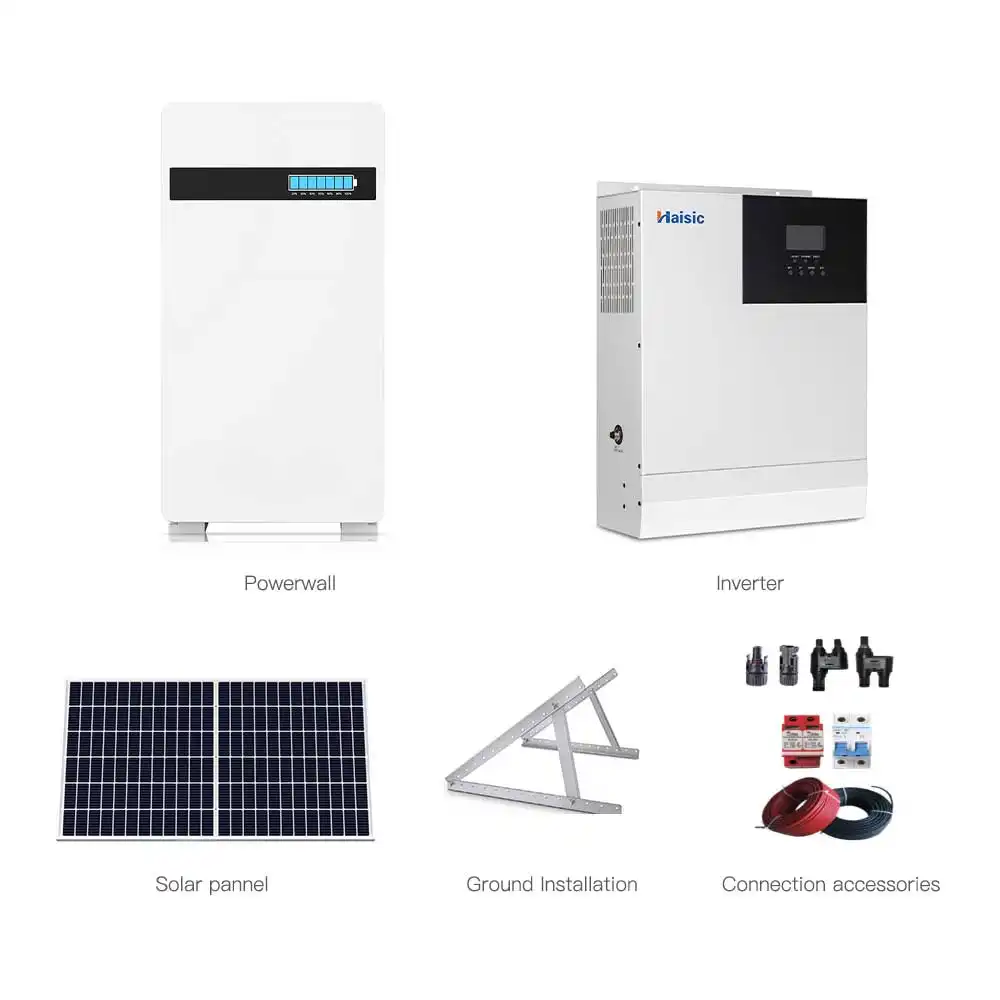
To turn a standard parking structure into a 24/7 energy hub, we integrate battery systems. This allows you to store the surplus electricity generated by the PV canopy during the day and deploy it at night. By installing a robust lithium power wall, you ensure that the clean energy produced on-site stays on-site, directly charging your EV or powering your facility when grid rates are highest.
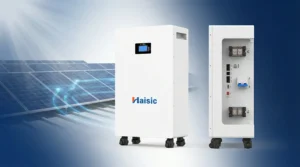
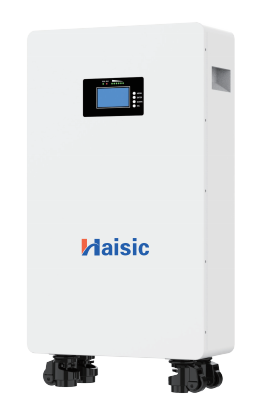
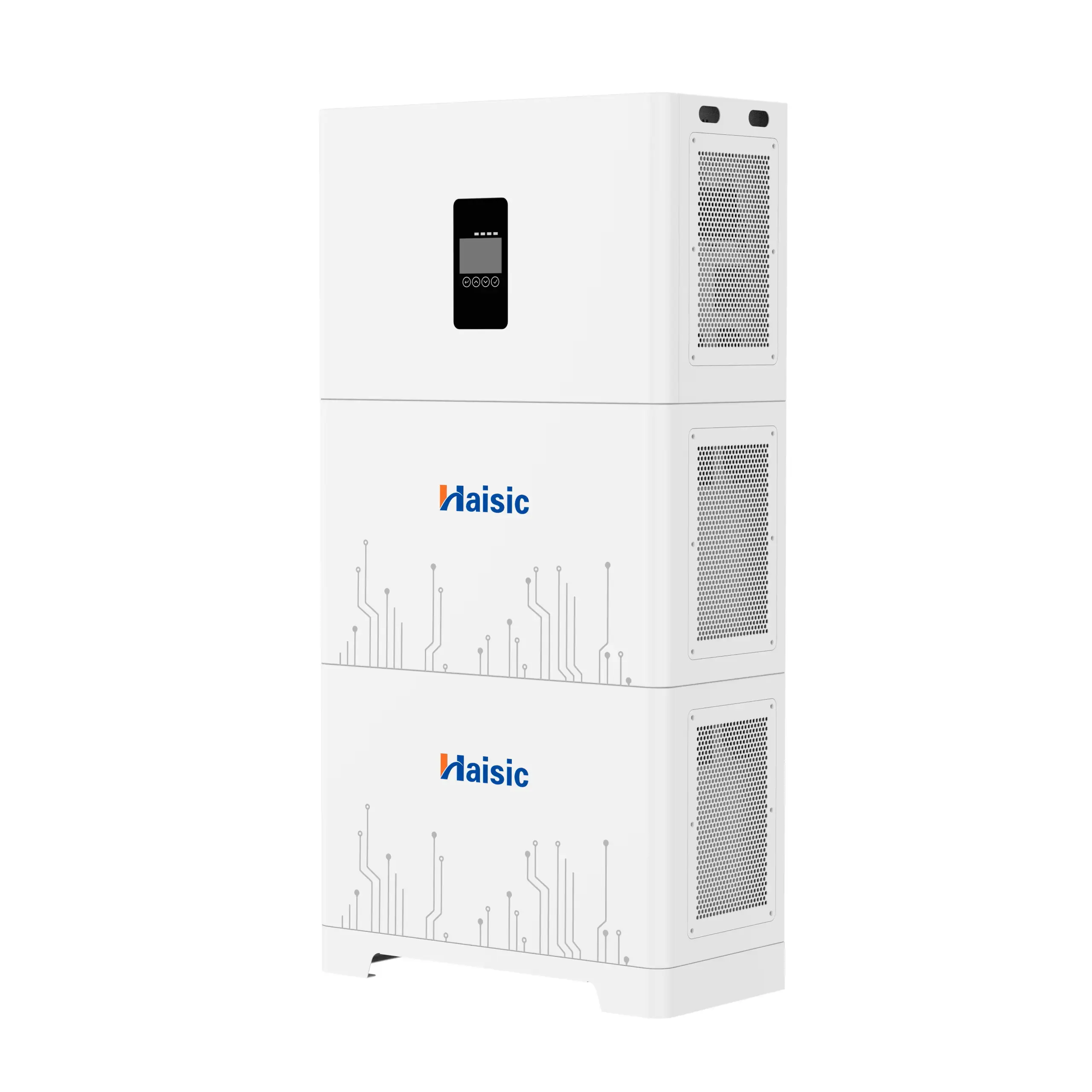
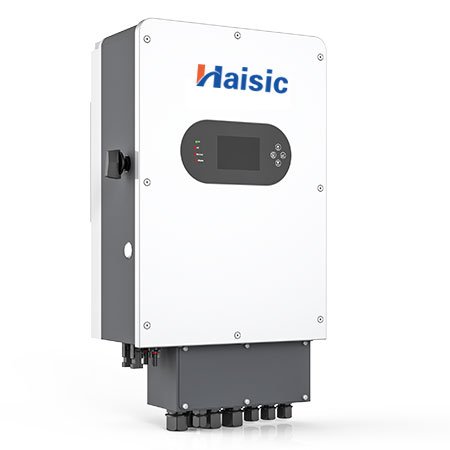
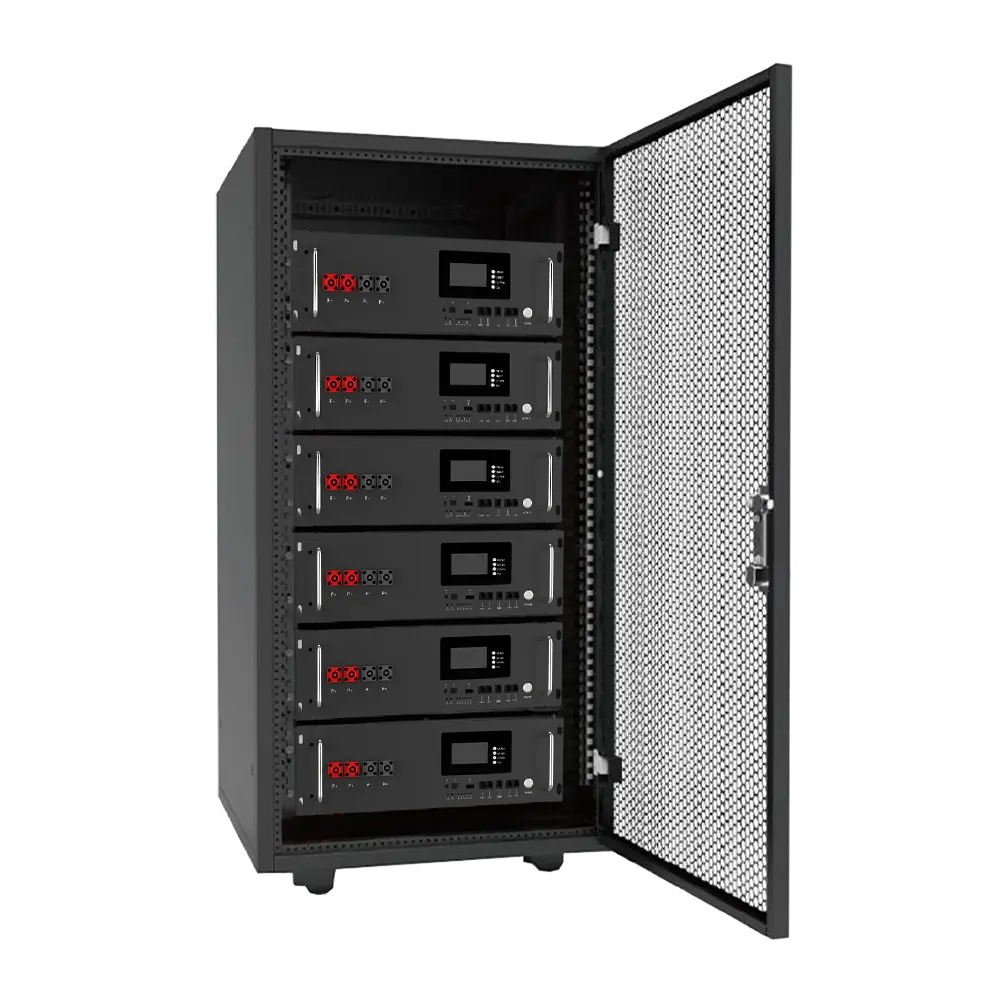
Integrating Haisic Energy Storage Systems
We utilize Haisic Energy Storage Systems to handle this load shifting efficiently. These systems are designed to manage the flow of energy intelligently, ensuring you aren\’t just generating power, but controlling it.
Key advantages of adding storage include:
- Load Shifting: Store energy when it is free (daytime) and use it when grid electricity is expensive (peak evening hours).
- Grid Independence: A reliable 25.6V 200Ah lithium battery for home energy storage provides backup power, keeping essential systems running during blackouts.
- Off-Grid Capabilities: For remote installations, combining a solar carport with high-capacity Lithium-iron phosphate (LiFePO4) batteries creates a self-sustaining ecosystem that doesn\’t rely on utility connections.
Installation Process: Step-by-Step for Your Carport with Solar
Building a carport with solar is a significant construction project that requires more engineering than a standard rooftop install. We approach every project with a systematic workflow to ensure durability and safety.
Site Assessment and Engineering
Before breaking ground, we conduct a thorough site assessment. This isn\’t just about measuring dimensions; we analyze soil conditions to determine the bearing capacity. We also calculate the necessary wind load certification to ensure the canopy can withstand local weather extremes. Finally, we map the sun path to orient the structure perfectly, ensuring the carport with solar panel setup achieves maximum efficiency.
Permitting and Zoning
Solar carports are classified as accessory structures, which means they must comply with specific local zoning laws. We handle the permitting process to ensure the height, setback, and coverage area meet municipal regulations.
Foundation Work
The longevity of the structure depends on what lies beneath. Based on our soil analysis, we select the right foundation type:
- Concrete Piers: Drilled deep and reinforced with rebar for maximum stability in loose soil.
- Helical Piles: Screw-like steel shafts driven into the ground, offering a faster installation process with less excavation mess.
Assembly and System Integration
Once the foundation cures, we erect the structural steel or aluminum frame and mount the PV modules. The final phase involves electrical work, including solar inverter integration and running conduit to the main panel. For homeowners aiming for true residential energy independence, this is the stage where we connect a residential battery energy storage system to capture excess generation for nighttime use. We verify all connections, test the Lithium-iron phosphate (LiFePO4) battery performance if included, and commission the system for operation.
Frequently Asked Questions (FAQs)
Can I build a DIY solar carport?
While you can find DIY kits on the market, building a robust carport with solar is rarely a simple weekend project. These structures require precise engineering to withstand wind loads, snow weight, and local soil conditions. A professional installation ensures the structural steel or aluminum frame is safe and that the electrical integration meets strict code requirements. For most homeowners and businesses, a custom-designed solution offers better durability and warranty protection than a generic kit.
How many panels are needed to charge an EV?
The exact number depends on your vehicle\’s battery size and your daily commute distance. Generally, a PV canopy equipped with 8 to 10 high-efficiency panels (roughly a 3kW to 4kW system) generates enough power to cover the average driver\’s daily needs. To get the most out of this setup, many users pair their carport with a home battery installation, allowing them to store solar energy during the day and charge their EV overnight without drawing from the grid.
Is a solar carport completely waterproof?
Not automatically. Standard carport with solar panel designs usually leave small gaps between modules for airflow and thermal expansion. If your goal is complete protection from rain and melting snow, you need a system designed with water-management rails or a continuous decking layer underneath the panels. This \”rain-tight\” configuration ensures your vehicle stays dry and protected from the elements.