


You might already know that big battery storage is rapidly transforming how the world uses power…
But what does that actually mean for your home or business?
Navigating the landscape of large capacity battery storage can be overwhelming. You have to consider chemistry, grid-scale capabilities, and long-term ROI.
As an energy storage specialist, I know that choosing the right system is the difference between total energy independence and a costly mismatch.
In this guide, you’re going to learn exactly how LiFePO4 battery systems work, the real-world benefits of commercial battery storage solutions, and how to size a high kWh battery bank for your specific needs.
Let’s dive right in.
What Is Big Battery Storage?
When we talk about big battery storage, we aren\’t just talking about a slightly larger version of what’s in your phone. We are referring to massive energy reservoirs designed to power homes, businesses, and even entire electrical grids. Essentially, these systems capture electricity—often from renewable sources like solar or wind—and store it for use when demand peaks or the grid goes down.
Grid-Scale vs. Residential/Commercial Systems
The definition of \”big\” changes depending on who you ask. In our industry, we generally categorize these large capacity battery storage systems into two main buckets:
- Grid-Scale Battery Energy Storage (Utility-Scale): These are the giants. Think massive shipping containers filled with racks of batteries, boasting multi-megawatt (MW) capacities. They stabilize the national grid, regulate frequency, and replace fossil-fuel peaker plants.
- Residential & Commercial Battery Storage Solutions: This is where we see the most direct impact for business owners and homeowners. These systems range from a residential energy storage system (10–30 kWh) meant for whole-home backup to commercial battery storage solutions (100+ kWh) designed to keep factories running or reduce demand charges.
Evolution and Key Drivers
I’ve watched the technology evolve rapidly. We have moved from expensive, experimental pilot projects to today\’s standardized, high-density installations. A few years ago, a large battery storage system was a luxury; today, it is becoming a necessity.
Three main factors are driving this explosive growth:
- Falling Costs: The price per kWh of lithium-ion technology has plummeted, making large battery storage financially viable for private users, not just utility companies.
- Renewable Integration: Solar production doesn\’t always match energy usage. Big batteries solve the \”duck curve\” problem by storing excess solar power for the evening.
- Energy Resilience: With extreme weather and aging infrastructure causing more blackouts, the demand for reliable, independent power is higher than ever.
Key Takeaway: Whether it\’s a large capacity battery storage unit for a hospital or a home battery backup large enough to run AC units, the goal is the same: energy independence and security.
Next Step?
Would you like me to detail the specific components inside these batteries, like the BMS and inverter technologies, in the next section?
How Big Battery Storage Works
Understanding big battery storage isn\’t as complex as it looks. At its heart, the process involves converting electrical energy into chemical energy for storage and back again when demand peaks. However, to do this safely on a large capacity battery storage scale, we need more than just raw battery cells; we need an intelligent, integrated ecosystem.
Core Components of a BESS
A robust system, such as our commercial energy storage systems, relies on four integrated hardware pillars to function effectively:
- Battery Modules: The physical reservoir where energy is stored.
- Power Conversion System (PCS): The inverter that converts Direct Current (DC) from the battery into Alternating Current (AC) usable by your facility or the grid.
- Battery Management System (BMS): The \”brain\” of the operation. It monitors cell voltage, temperature, and current to prevent overcharging or thermal runaway.
- Energy Management System (EMS): The software layer that optimizes performance, deciding when to charge (typically when solar is peaking or rates are low) and when to discharge.
The Shift to LiFePO4 Chemistry
We strictly prioritize LiFePO4 battery systems (Lithium Iron Phosphate) for stationary applications. While other chemistries like NMC are popular in electric vehicles for their light weight, LiFePO4 is the superior choice for static storage. It offers exceptional thermal stability—meaning it is extremely unlikely to catch fire—and longevity. For scalable lithium battery storage, this chemistry is the gold standard because it does not require cobalt and degrades much slower than alternative lithium technologies.
Performance Metrics Explained
When you are looking at a spec sheet for a containerized battery energy storage system, three technical terms determine the real-world value of the unit:
| Metric | Definition | Why It Matters |
|---|---|---|
| Cycle Life | The number of full charge/discharge cycles a unit can handle before capacity drops. | LiFePO4 often hits 6,000+ cycles, offering 10-15 years of daily use. |
| Depth of Discharge (DoD) | The percentage of the battery\’s capacity that can be used safely. | Higher DoD (90%+) means you get more usable energy per kWh purchased. |
| Round-Trip Efficiency | The ratio of energy retrieved vs. energy put in. | High efficiency (95%+) ensures minimal energy loss during the conversion process. |
Would you like me to detail the specific safety protocols and certifications required for installing these large-scale systems?
Major Real-World Big Battery Projects

When we talk about big battery storage, we aren\’t just discussing theories—we are looking at massive infrastructure that is already keeping the lights on around the globe. Observing these grid-scale battery energy storage giants gives us a clear roadmap for the future of energy, proving that battery technology is mature, safe, and ready for widespread adoption.
Landmark Installations Driving Change
Several projects have set the standard for what a large battery storage system can achieve.
- Hornsdale Power Reserve (Australia): Often cited as the project that proved the skeptics wrong, this massive installation stepped in to stabilize the South Australian grid, responding to outages in milliseconds.
- Moss Landing (California): Currently one of the world\’s largest, utilizing an old power plant site to house a colossal amount of energy, proving that large capacity battery storage is the perfect successor to fossil fuels.
- Victorian Big Battery (Australia): Another heavyweight champion that focuses on unlocking higher limits for the transmission network, preventing blackouts during peak summer heat.
Impact on Grid Stability and Economics
These utility-scale BESS (Battery Energy Storage Systems) do more than just store power; they actively manage the quality of electricity.
- Frequency Regulation: They inject or absorb power instantly to keep the grid\’s \”heartbeat\” steady at 50Hz or 60Hz.
- Price Arbitrage: By storing cheap renewable energy (like midday solar) and discharging it when prices spike, they help lower wholesale electricity costs for everyone.
- Resilience: They act as an instant backup, preventing cascading grid failures during storms or equipment faults.
From Grid-Scale to Your Scale
The success of these massive projects directly benefits smaller applications. The engineering lessons learned from managing gigawatts of power have trickled down, making megapack alternatives and residential units safer and more efficient. The same LiFePO4 chemistry trusted to run a city is now available to run your home.
Just as these giants stabilize national grids, a reliable home lithium battery storage system stabilizes your personal energy supply, utilizing the same core principles to protect you from outages and peak pricing. If the technology is robust enough for the grid, it is certainly robust enough for your business or home.
Next Step: Would you like me to detail the specific financial benefits and ROI calculations for installing a big battery system in the next section?
Benefits of Big Battery Storage Systems
Investing in big battery storage is about more than just having backup power; it is about fundamentally changing how you consume and pay for energy. We see first-hand how shifting to a large capacity battery storage system empowers homeowners and businesses to take control of the grid rather than being at its mercy.
True Energy Independence and Backup
The most immediate benefit is security. When the grid fails due to storms or infrastructure issues, a standard generator might run out of fuel, but a whole home battery backup system keeps running silently. With the right capacity, you aren\’t just powering a few lights; you are keeping essential loads like HVAC, refrigerators, and security systems operational for days. Even for those exploring home battery storage without solar, a large battery bank provides critical resilience against unpredictable utility outages.
Financial Control: Peak Shaving and Bill Reduction
For both residential and commercial users, electricity costs are often highest when you need power the most. Commercial battery storage solutions excel at \”peak shaving\”—drawing energy from the batteries during expensive peak hours and recharging them when rates are low. This creates direct savings on monthly utility bills.
- Time-of-Use Arbitrage: Store cheap off-peak energy; use it during expensive peak times.
- Demand Charge Management: Avoid penalties for high power usage spikes in commercial settings.
- Solar Self-Consumption: Store excess solar power instead of selling it back to the grid for pennies.
Long-Term Returns and Environmental Impact
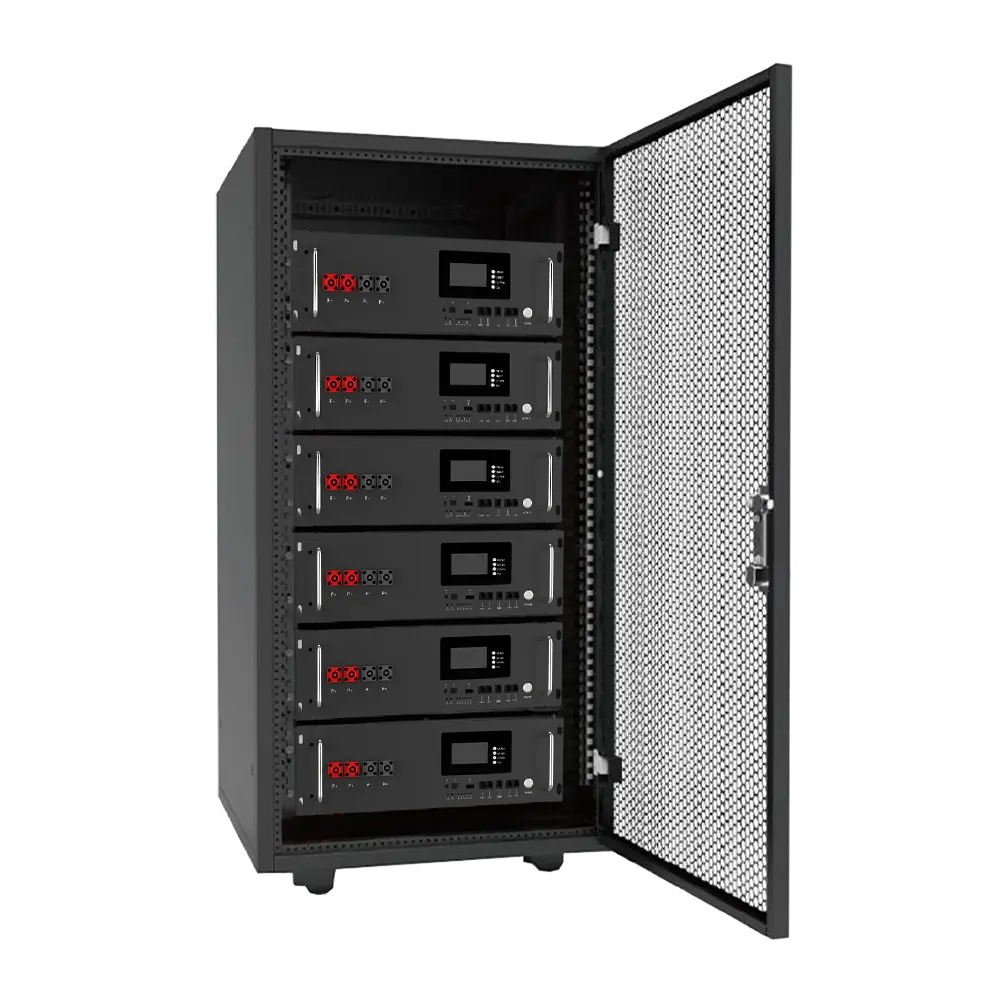
Modern LiFePO4 battery systems are designed for longevity, offering thousands of cycles with minimal maintenance. By reducing reliance on fossil-fuel \”peaker plants\” and maximizing renewable energy use, these systems lower your carbon footprint while securing your financial future. Advanced options, such as the Haisic 268.8kWh high voltage LiFePO4 system, are built to deliver these long-term returns through robust warranties and scalable architecture.
Value Proposition of Large Battery Storage
| Benefit Category | Key Advantage | Impact on User |
|---|---|---|
| Resilience | Instant Backup Power | Seamless operation during blackouts. |
| Financial | Peak Shaving | deeply reduced electricity bills. |
| Environmental | Renewables Integration | Maximized use of solar/wind energy. |
| Operational | Low Maintenance | \”Set and forget\” reliability with LiFePO4 tech. |
Would you like me to help you calculate the ideal battery capacity for your specific daily energy consumption?
Key Trends Shaping Big Battery Storage in 2026 and Beyond
The energy landscape is shifting fast. As we look ahead, the technology driving big battery storage is becoming more accessible, safer, and intelligent. We aren\’t just seeing incremental changes; we are witnessing a complete evolution in how homes and businesses manage power.
Here are the major trends defining the immediate future of the industry:
- Plummeting Costs and Higher Density: The barrier to entry is dropping. Battery energy storage cost 2026 projections indicate that prices will continue to fall while energy density increases. This means we can now fit more capacity into a smaller footprint, making large battery storage viable for properties with limited space.
- The Rise of Hybrid Ecosystems: Standalone batteries are becoming less common. The standard is shifting toward solar battery storage large capacity systems where generation and storage are integrated from day one. For businesses looking to scale, deploying a Haisic ESS energy storage container creates a unified powerhouse that captures renewable energy more efficiently than ever before.
- Smarter Safety and Thermal Management: As capacity grows, so does the need for safety. Modern systems are adopting rigorous safety standards and advanced thermal management to ensure longevity. A robust residential energy storage system now comes equipped with smart monitoring that actively regulates temperature and health.
- Virtual Power Plants (VPPs): This is a game-changer for ROI. By connecting multiple storage units, a virtual power plant battery network can stabilize the grid and generate revenue for the owner. Community-scale storage is turning individual users into active players in the energy market.
Would you like me to help you calculate the ideal capacity for your specific energy needs in the next section?
Choosing the Right Big Battery Storage System for Your Needs
Selecting the correct big battery storage system isn\’t just about picking the largest unit you can find; it\’s about matching capacity to your specific energy profile. I always tell my clients to start with the data. Look at your average daily consumption on your electricity bill and determine your essential loads—the critical appliances (fridges, medical equipment, HVAC) that must keep running during an outage.
Sizing Your System: The Capacity Guide
Getting the size right is crucial to avoid overspending or running out of power when you need it most. We generally categorize large capacity battery storage needs into two main tiers:
- Whole-Home Backup (10–20 kWh): This range is typically sufficient for most standard households looking to keep the lights on and essentials running overnight. A reliable residential energy storage system in this bracket handles daily load shifting effectively.
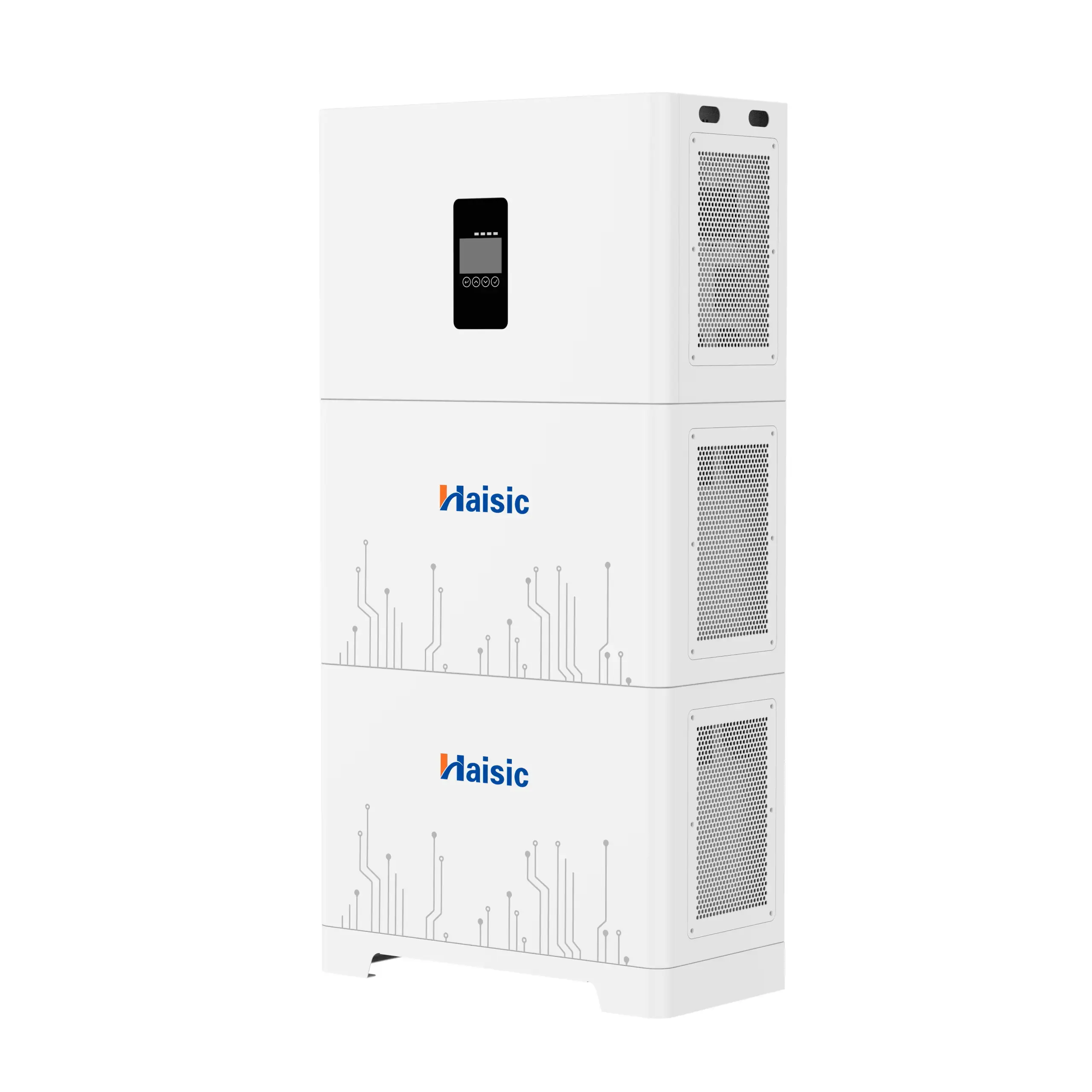
- Extended Off-Grid or Commercial (30–40+ kWh): If you have high-demand appliances, an EV to charge, or need to survive multi-day blackouts, you need serious power. For these scenarios, a 32kWh all-in-one home energy storage system provides the necessary headroom to operate comfortably without constant rationing.
Critical Features to Evaluate
Beyond just the raw kilowatt-hours, you need to look at the architecture of the system.
- Scalability: Needs change. A scalable lithium battery storage design allows you to start smaller and add more battery modules later.
- Certifications: Never compromise here. Ensure the unit has standard safety certifications (like CE or UL) to meet local building codes.
- Inverter Compatibility: Make sure the battery voltage and communication protocols match your existing or planned solar inverter.
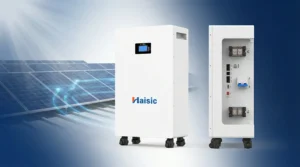
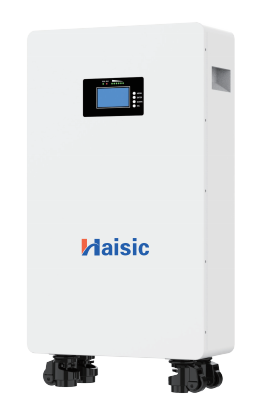
- User Interface: Modern systems, like our touchscreen 20480Wh home energy storage battery, allow for easy monitoring of your state of charge and system health directly from the unit.
ly, prioritize LiFePO4 battery systems (Lithium Iron Phosphate). For large installations, LiFePO4 offers a significant safety advantage over older chemistries like NMC, primarily due to its thermal stability and longer cycle life. When you are installing a high-voltage battery bank in your home or business, safety and longevity should always be the deciding factors.
Would you like me to create a simple calculation table to help your readers estimate their specific kilowatt-hour requirements based on common appliances?
Why Haisic Stands Out in Big Battery Storage
At Haisic, we understand that when you are looking for big battery storage, you aren\’t just buying a box of cells; you are investing in energy security and independence. We have positioned ourselves as a premier manufacturer by focusing strictly on high-capacity, reliable solutions that bridge the gap between residential needs and utility-grade performance.
Versatile and Scalable Lithium Battery Storage
One size rarely fits all in energy storage. That is why we have developed a diverse range of form factors, including rack-mount units, sleek wall-mount options, and our popular stacked systems. Our modular design philosophy means you can start with a large capacity battery storage setup that fits your current budget and expand later as your energy needs grow.
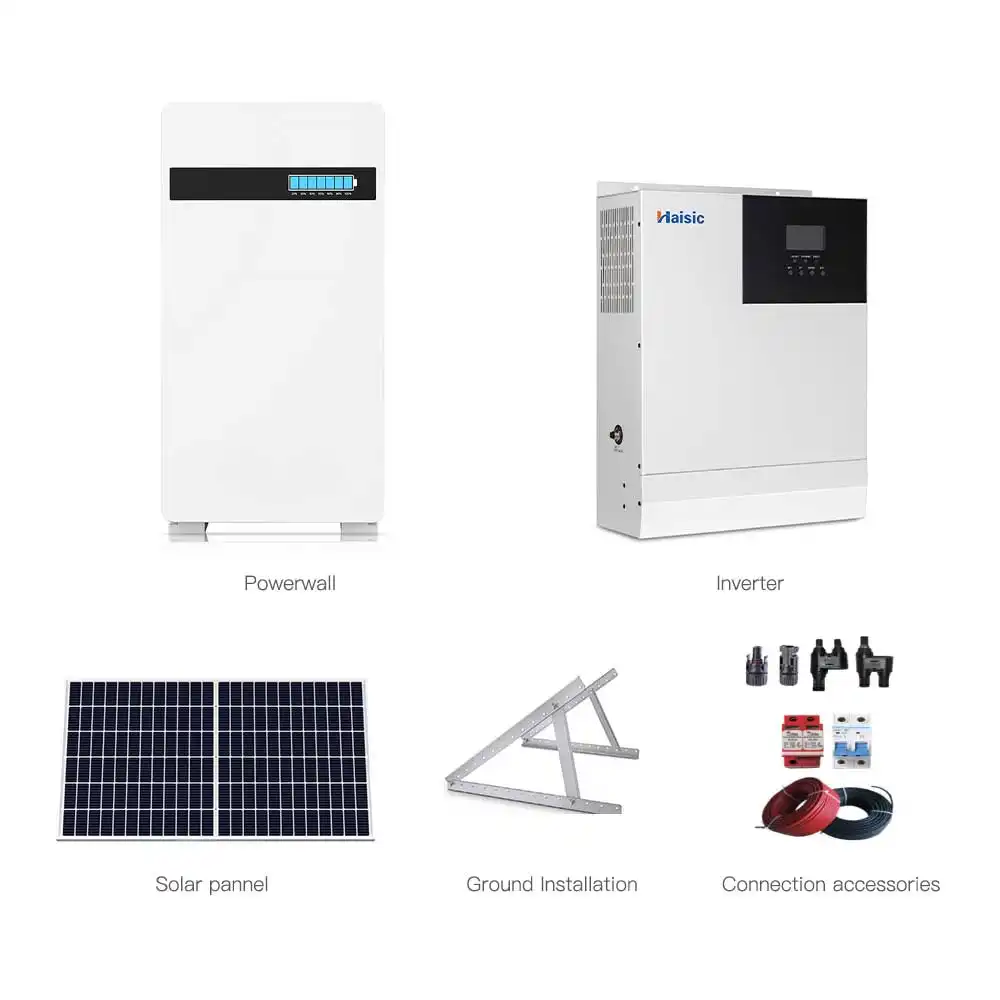
For homeowners seeking robust backup without a massive footprint, our 51.2V 20kWh LiFePO4 energy storage systems offer the perfect balance of power and space efficiency. These units are designed to integrate seamlessly into existing solar setups, providing the \”big battery\” experience in a compact package.
Safety-First LiFePO4 Technology
Safety is non-negotiable for us. We exclusively use LiFePO4 battery systems (Lithium Iron Phosphate) because they offer superior thermal stability and a longer cycle life compared to other lithium chemistries. Every unit is managed by a robust Battery Management System (BMS) that actively monitors temperature, voltage, and current to prevent overcharging or overheating.
For those with higher energy demands, such as large estates or small commercial operations, our 21.5kWh high-voltage home energy storage provides the voltage efficiency and capacity required to run heavy loads for extended periods.
Real-World Applications
Our customers use Haisic systems for more than just keeping the lights on. We see our units deployed in:
- Residential Whole-Home Backup: Keeping essential appliances and HVAC running during grid failures.
- Commercial Resilience: protecting sensitive equipment and inventory for businesses.
- Off-Grid Projects: Powering remote locations where grid connection is impossible or too costly.
We are committed to quality manufacturing and a reliable supply chain, ensuring that when you order a large battery storage system from Haisic, you get a product built to last.
Would you like me to help you compare the specific specifications of the 20kWh system versus the High Voltage 21.5kWh system to see which fits your load requirements better?
Installation and Maintenance Best Practices
Getting a big battery storage system up and running involves more than just plugging in wires. Whether you are setting up a residential energy storage system or a commercial backup, proper installation and care are what guarantee safety and long-term performance.
Professional vs. DIY Considerations
When dealing with large capacity battery storage, safety is the absolute priority. While smaller 12V systems might be a weekend DIY project, high-voltage systems require expertise.
- Safety First: High-voltage DC electricity can be lethal. For whole home battery backup systems involving main panel tie-ins, hiring a certified electrician is usually mandatory to meet local building codes.
- Warranty Validity: Many manufacturers require professional installation to honor the warranty.
- DIY Scope: If you are mechanically inclined, you can often handle mounting the brackets or assembling rack cabinets yourself, but leave the final electrical commissioning to a pro.
Seamless Integration with Solar and Inverters
Your battery is only as good as the equipment managing it. Integrating a large battery storage system with existing solar arrays requires matching voltage windows and communication protocols.
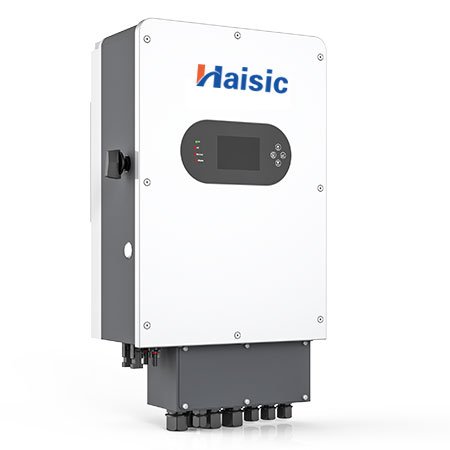
- Inverter Compatibility: Ensure your inverter can handle the charge/discharge rates of a larger bank. For heavy-duty commercial or large residential setups, pairing your storage with a robust Haisic 36KVA Hybrid Solar Inverter ensures the system can manage high loads without bottlenecks.
- Smart Communication: The battery BMS (Battery Management System) and inverter must \”speak\” the same language (CAN or RS485) to optimize charging from solar and discharging during peak times.
Monitoring, Updates, and Maximizing Lifespan
Modern LiFePO4 battery systems are designed for low maintenance, but \”set it and forget it\” doesn\’t mean ignoring it completely. To get the most out of your investment:
- Firmware Updates: Regularly check for over-the-air updates from the manufacturer. These often improve BMS algorithms and efficiency.
- Thermal Management: Keep the installation area within the recommended temperature range. Extreme cold or heat can degrade cell chemistry over time.
- Voltage Balancing: If you are scaling up by adding a 10kWh wall-mounted home energy storage unit to an existing bank, ensure the new and old batteries are at the same voltage level before connecting them. This prevents massive current inrush and protects the BMS.
Quick Maintenance Checklist
| Task | Frequency | Purpose |
|---|---|---|
| Check Connections | Annually | Ensure terminals are tight to prevent resistance and heat. |
| Clean Air Vents | Bi-annually | Prevent dust buildup to maintain proper cooling. |
| App Monitoring | Weekly | Review usage data and check for error codes. |
Would you like me to help you compare the specific installation requirements for wall-mounted versus rack-mounted large battery systems?