

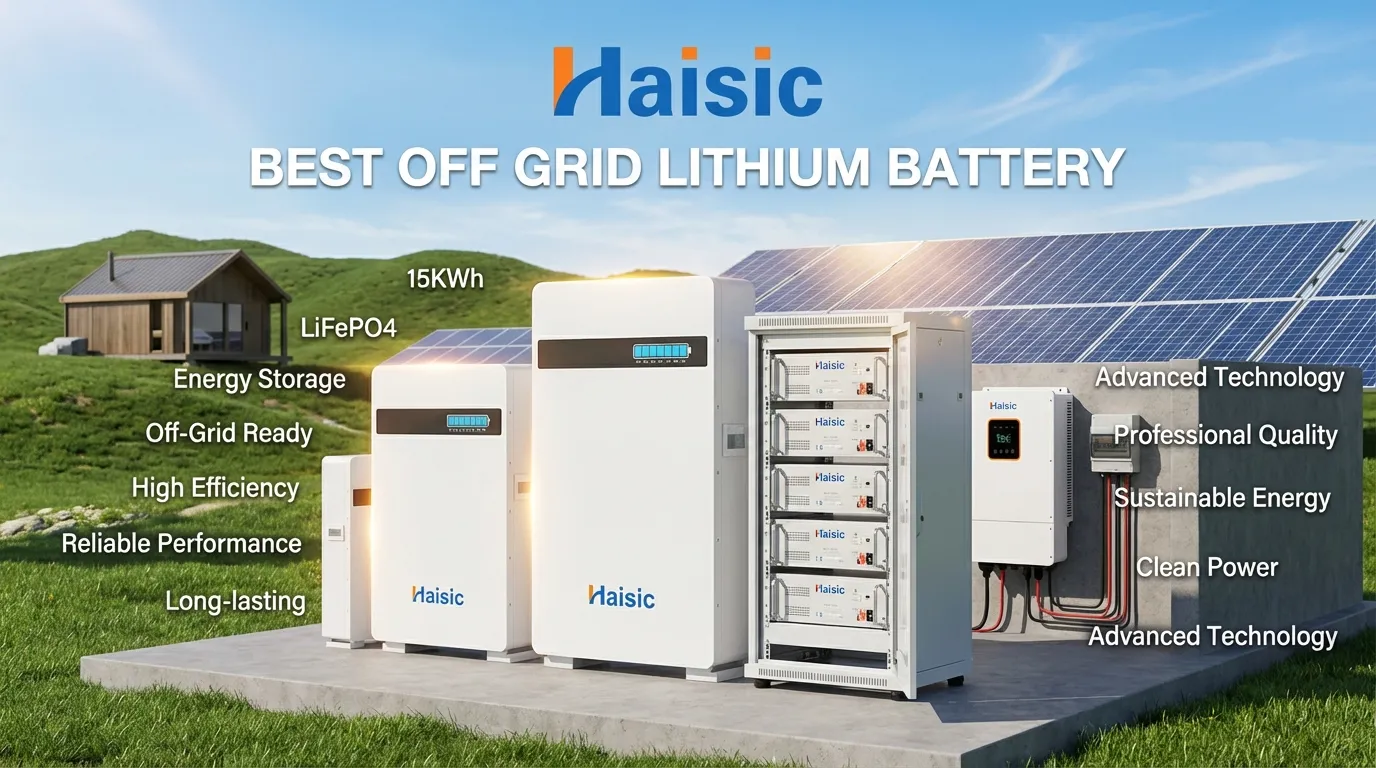
Why LiFePO4 Is The Best Off-Grid Chemistry
When you are miles away from the nearest utility pole, reliability isn\’t just a convenience—it is a necessity. In our experience engineering remote power systems, the chemistry of your battery bank is the single most critical decision you will make. While there are several lithium options on the market, we exclusively recommend LiFePO4 battery chemistry (Lithium Iron Phosphate) as the best off grid lithium battery choice. It offers the optimal balance of safety, longevity, and performance that remote installations demand.
Comparing NMC vs. LiFePO4 Safety Features
Many users are familiar with Nickel Manganese Cobalt (NMC) batteries because they are standard in electric vehicles and portable electronics. However, what works for a car isn\’t necessarily right for a stationary home energy backup. NMC prioritizes energy density (making it lighter), but it sacrifices stability.
LiFePO4 is heavier, but significantly more chemically stable. The phosphate bond is much stronger than the metal-oxide bond in NMC cells. This means LiFePO4 is far less prone to overheating or combustion under stress, making it the safer option for residential and cabin storage where weight is rarely an issue.
Understanding Thermal Runaway Risks in Remote Setups
The biggest risk in energy storage is thermal runaway—a chain reaction where a battery cell heats up uncontrollably. In a remote setup, where fire services might be hours away, this risk must be minimized.
- NMC Threshold: Thermal runaway can begin at temperatures as low as 150°C (302°F).
- LiFePO4 Threshold: Remains stable up to 270°C (518°F).
Crucially, when LiFePO4 does fail, it does not release oxygen. NMC batteries release oxygen when they break down, effectively fueling their own fire. By choosing Lithium iron phosphate safety, we eliminate that self-fueling hazard, ensuring your off-grid system remains secure.
Cycle Life Comparison: Lead Acid vs. NMC vs. Haisic LiFePO4
The \”cost\” of a battery isn\’t just the sticker price; it is the price per cycle. We use Grade A automotive cells in our Haisic battery packs to push cycle life far beyond industry standards. Here is how the chemistries stack up in real-world scenarios:
- Flooded Lead Acid: ~500 cycles (at 50% DoD). Requires regular maintenance and water refilling.
- Standard NMC Lithium: ~2,000 to 2,500 cycles. Good, but degrades faster when kept at high states of charge.
- Haisic LiFePO4: 6,000+ cycles (at 80% DoD). Even after thousands of cycles, our cells retain over 80% of their original capacity.
For a deep cycle solar battery, this longevity means you won\’t be hauling heavy replacements up a mountain road every three years.
Depth of Discharge (DoD) and Usable Capacity Benefits
Capacity on a spec sheet can be misleading. If you buy a 10kWh lead-acid bank, you can realistically only use 5kWh (50% DoD) before you start damaging the plates. With LiFePO4, the usable capacity is nearly identical to the rated capacity.
- Lead Acid: 50% safe discharge limit.
- LiFePO4: 90-100% safe discharge limit.
This superior Depth of Discharge (DoD) means you can install a physically smaller battery bank to achieve the same run-time. A 10kWh LiFePO4 system provides twice the usable energy of a 10kWh lead-acid system, drastically improving the efficiency of your off-grid energy storage.
Critical Specs For The Best Off Grid Lithium Battery
When you are miles from the nearest utility pole, reliability isn\’t a luxury—it\’s a requirement. Finding the best off grid lithium battery involves looking past the glossy sticker and digging into the technical specifications that actually matter. We build our systems to handle the harsh reality of remote living, ensuring you have power when you need it most.
The Brain of the Operation: Battery Management System (BMS)
The Battery Management System (BMS) is the single most important component inside the case. Think of it as the brain protecting your investment. A high-quality BMS constantly monitors voltage, current, and temperature. It balances the cells to ensure they charge and discharge evenly, which maximizes solar battery cycle life.
- Overcharge Protection: Stops energy flow once the battery is full.
- Short Circuit Protection: Prevents hardware damage during electrical faults.
- Smart Monitoring: Many modern BMS units offer Bluetooth or screen data, giving you real-time insight into your off-grid energy storage.
Low-Temperature Cutoff Protection
This is a feature many cheap manufacturers skip, but it is critical for anyone living in a climate with four seasons. Lithium cells can be permanently damaged if you attempt to charge them when the internal temperature is below freezing (0°C / 32°F). The best lithium battery for off-grid solar must have a dedicated low-temperature cutoff sensor. This sensor automatically stops the charging current when it gets too cold and resumes only when the temperature is safe, preventing catastrophic cell failure.
Analyzing Cycle Life and Warranty Terms
Don\’t just look at the price tag; look at the cost per cycle. A standard lead-acid battery might give you 500 cycles, but a premium LiFePO4 unit should deliver over 6,000 cycles at 80% Depth of Discharge (DoD). This longevity is what makes lithium the smart financial choice long-term. Always verify the warranty terms—a 5 to 10-year warranty indicates the manufacturer trusts their Grade A cells. Our battery for home energy storage is engineered to endure thousands of cycles, ensuring your system pays for itself over time.
Expandability and Modular Design
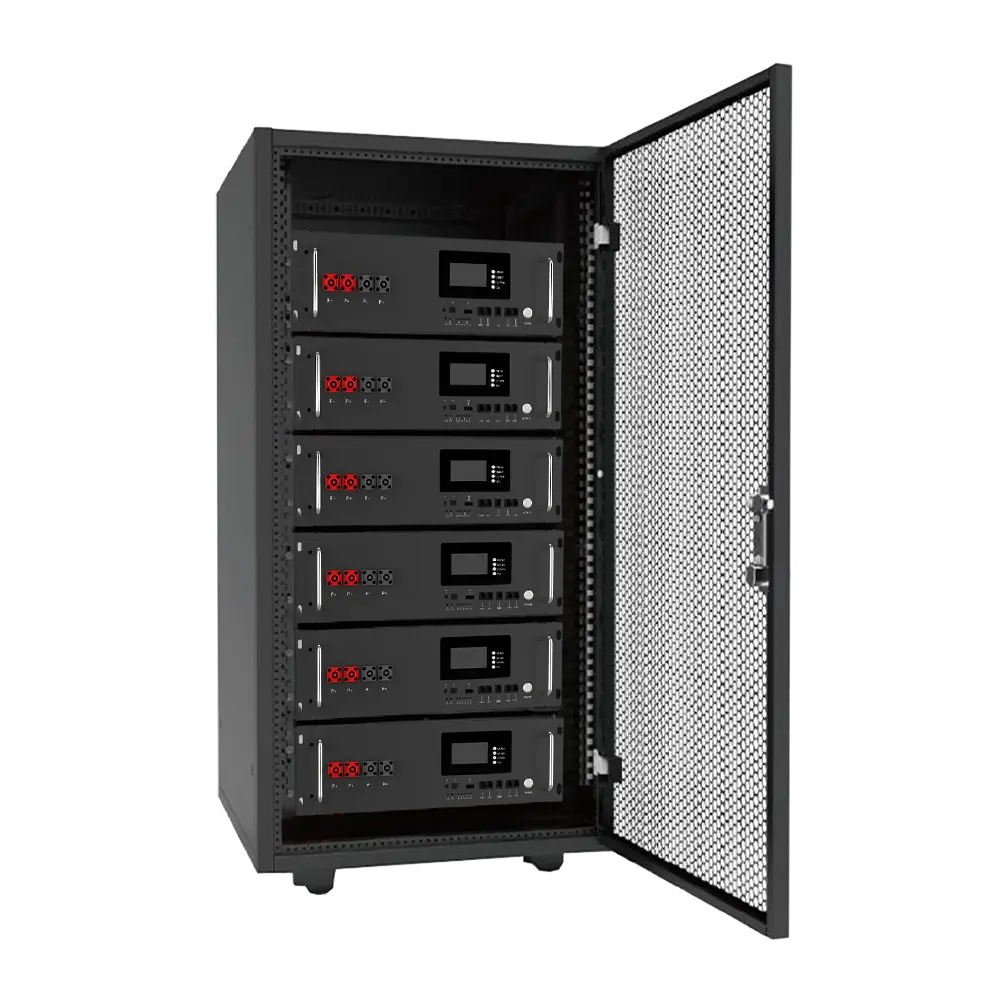
Your energy needs today might not be your energy needs five years from now. You need a system that grows with you. We recommend prioritizing modular designs, such as a rack-mount battery setup, which allows you to easily parallel connect multiple units. This expandability means you can start with a 5kWh bank and expand to 20kWh or more simply by plugging in additional modules, without needing to replace your inverter or overhaul your wiring.
Voltage Selection For Off-Grid Systems
Choosing the right system voltage is the foundation of a reliable power setup. It dictates your inverter choice, wire thickness, and overall system efficiency. While we often focus on capacity, voltage determines how effectively that energy moves from your panels to your appliances.
When to Choose 12V Drop-In Replacements
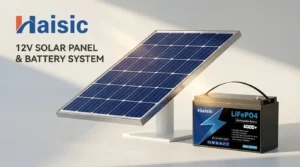
For smaller applications, 12V remains the standard. If you are retrofitting an RV, a boat, or a small hunting cabin that already runs on 12V DC lighting and appliances, sticking to 12V makes sense. It allows you to use \”drop-in\” replacements—removing heavy lead-acid units and slotting in the best lithium battery for off grid use without rewiring the entire system.
However, 12V has limitations. Once your power demand exceeds 2,000 watts, the current (amperage) becomes difficult to manage, requiring massive cables to prevent voltage drop and fire hazards.
Benefits of 48V Systems for Whole-Home Solar
For stationary home energy backup and larger off-grid systems, 48V (often nominally 51.2V in lithium terms) is the industry gold standard. By quadrupling the voltage compared to 12V, you quarter the amperage for the same amount of power. This means cooler running equipment, thinner cables, and significantly higher efficiency.
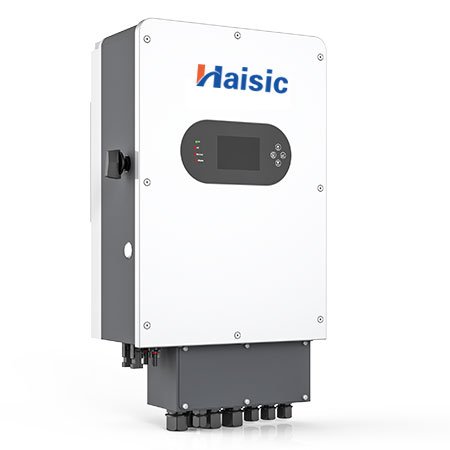
A robust 48V lithium battery bank allows for easier scalability. Most modern hybrid inverters are optimized for this voltage, allowing you to stack multiple units for massive storage capacity. For serious off-grid living, utilizing a dedicated LiFePO4 Battery 51.2V 100Ah ensures you have the stability required for running high-load appliances like air conditioners, well pumps, and power tools.
Efficiency Differences Between Voltage Setups
The efficiency gap between voltages comes down to resistance. Lower voltage systems lose more energy as heat as it travels through wires and fuses. In a comprehensive solar power storage system, minimizing these losses is critical for getting the most out of your solar array.
Here is a breakdown of how voltage impacts system design for a standard 3000W load:
| System Voltage | Current (Amps) | Recommended Wire Gauge | Best Application |
|---|---|---|---|
| 12V | ~250A | 4/0 AWG (Very Thick) | RVs, Vans, Small Cabins |
| 24V | ~125A | 1/0 AWG | Medium Cabins, Small Homes |
| 48V (51.2V) | ~62.5A | 4 AWG (Standard) | Whole-Home Off-Grid, Commercial |
Key Takeaway: If you are building a system to power a house, the best off grid lithium battery setup will almost always be 48V. It reduces installation costs (less copper) and increases the lifespan of your inverter and batteries by reducing thermal stress.
Factory Direct Quality Vs. Rebranded Resellers
When searching for the best off grid lithium battery, the source of the hardware is just as critical as the technical specifications. The market is flooded with resellers who simply purchase generic units, slap a new sticker on the case, and mark up the price. Buying factory-direct eliminates these middlemen, ensuring you get authentic quality and better support. As a manufacturer, I can tell you that direct communication solves technical issues faster than waiting for a reseller to contact their supplier.
Identifying Grade A Automotive Cells
The heart of any best lithium battery for off-grid solar system is the cell quality. Not all lithium cells are created equal.
- Grade A Cells: These are pristine, high-capacity cells originally designed for electric vehicles (EVs). They offer the highest density and longest cycle life.
- Grade B/Recycled Cells: Often used by budget resellers to lower costs. These may have inconsistencies in internal resistance or capacity, leading to imbalances and shorter lifespans.
We prioritize using Grade A automotive cells in our builds. This ensures that the LiFePO4 battery chemistry remains stable and delivers consistent power, which is non-negotiable for remote off-grid setups where reliability is everything.
Advantages of Manufacturing Transparency
Working with a reliable energy storage system supplier provides complete visibility into the production process. Manufacturing transparency means you aren\’t guessing about the quality of the Battery Management System (BMS) or the internal wiring standards. You know exactly what components are managing your energy.
Benefits of transparency include:
- Traceability: Every component can be tracked for quality control.
- Safety Assurance: Verification that safety cut-offs and thermal protections are actually installed, not just listed on a spec sheet.
- Consistent Performance: No \”bait and switch\” tactics where internal components change between batches.
Customization Options for Specific Energy Needs
Resellers typically offer a \”one-size-fits-all\” catalog. However, off-grid projects often require specific voltages or form factors that standard retail units can\’t match. Factory-direct relationships allow for deep customization. Whether you need a unique voltage configuration or a specific casing to fit a tight space, we can adapt the manufacturing line to meet those needs.
You can explore our diverse range of battery products to see how different configurations can be tailored. This flexibility is often the deciding factor in building the best off grid lithium battery bank for complex solar arrays or industrial backup systems.
Installation And Inverter Compatibility
Getting the best off grid lithium battery is only half the battle; installing it correctly ensures it actually delivers power when you need it. We see too many high-quality banks underperform simply because they aren\’t talking to the rest of the system correctly.
Matching Batteries With Solar Charge Controllers
Your battery bank and solar charge controller need to be perfectly synced. You cannot simply drop a lithium battery into a system configured for lead-acid without adjusting the settings.
- Voltage Matching: Ensure your controller supports the specific nominal voltage (12V, 24V, or 48V) of your bank.
- Charging Profile: Most modern MPPT controllers have a specific LiFePO4 mode. If yours doesn\’t, you must use \”User Define\” mode to manually set the Bulk, Absorption, and Float voltages according to our recommended specs.
- Current Limits: Check that the charging current doesn\’t exceed the maximum charge rate of the BMS.
Communication Protocols (CAN/RS485) Explained
For a seamless experience, we rely on data, not just voltage readings. This is where communication protocols like CAN bus and RS485 come into play.
When you connect a lithium solar battery to an inverter using these cables, they establish \”closed-loop communication.\” The battery\’s BMS tells the inverter exactly what the State of Charge (SoC) is, the temperature, and the precise current limits in real-time. This eliminates voltage sag issues and ensures the inverter stops discharging exactly when the battery says so, protecting your investment.
Wall-Mount vs. Rack-Mount Form Factors
Choosing the right physical footprint depends on your available space and future energy goals.
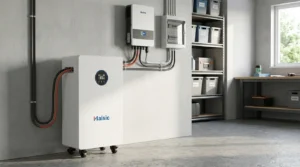
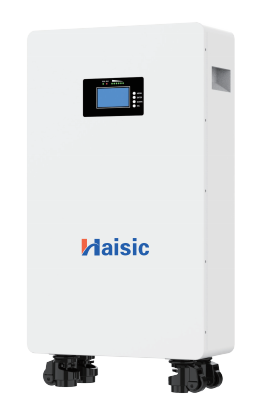
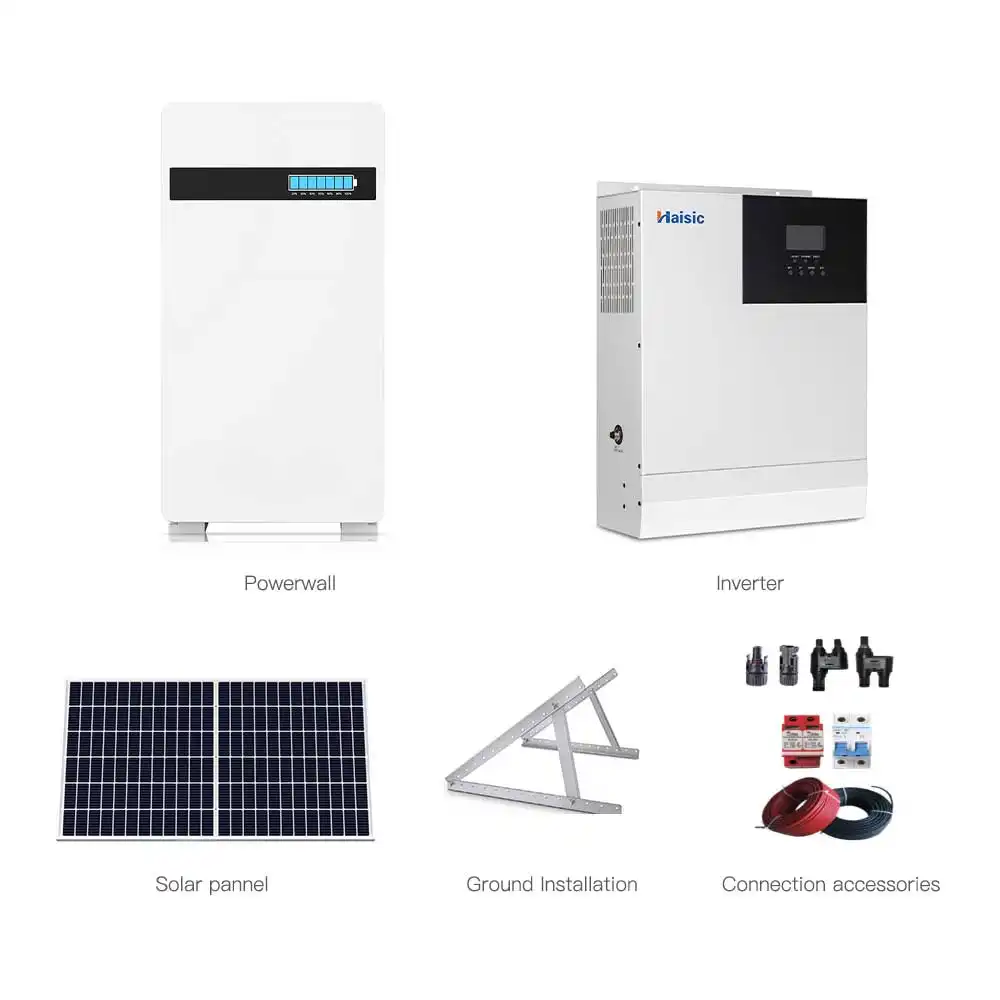
- Wall-Mount: These units, often styled like \”Powerwalls,\” are excellent for saving floor space in tight utility rooms or garages. They offer a clean, finished look.
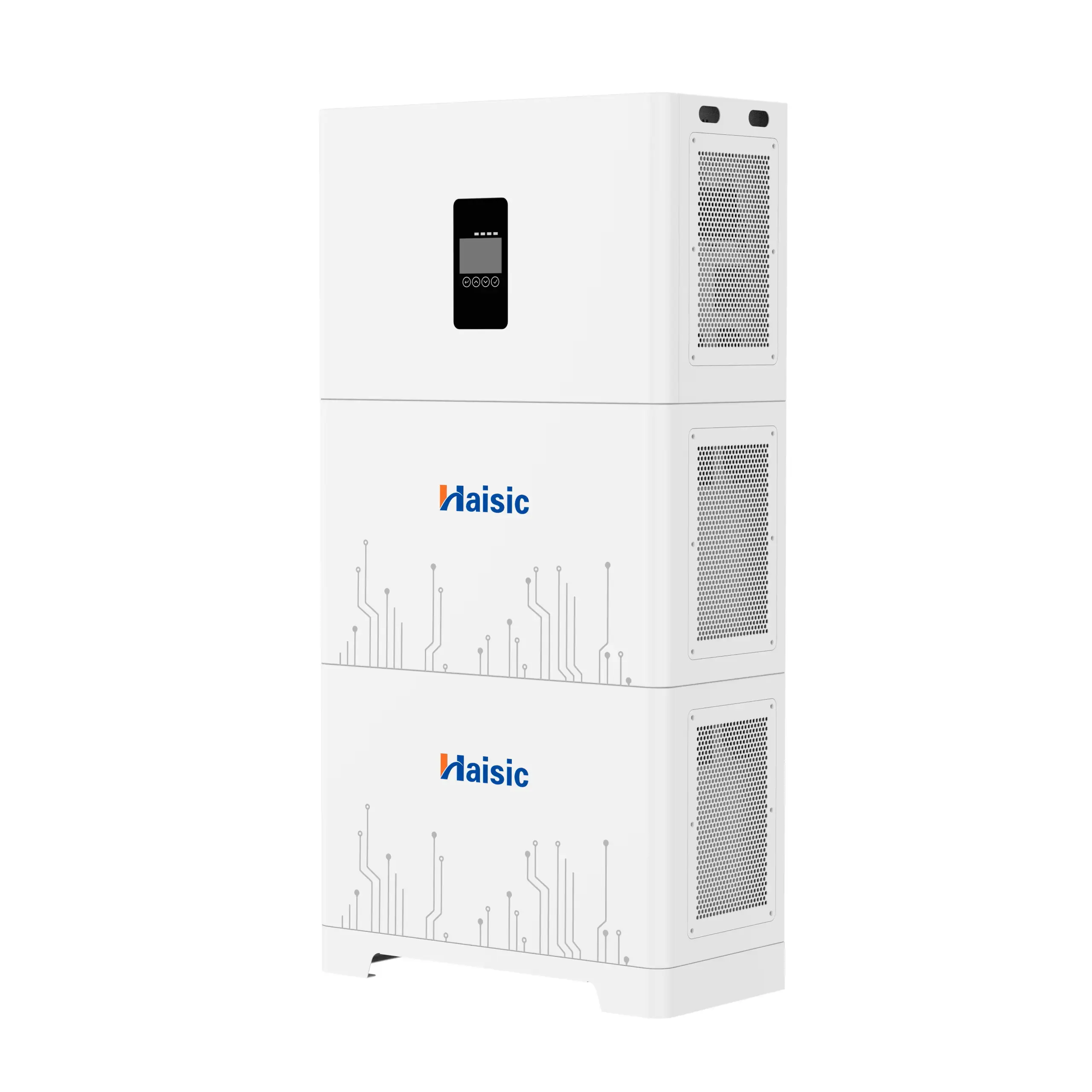
- Rack-Mount: If you anticipate needing more power later, a rack-mount battery design is superior. You can stack multiple modules in a standard server cabinet, making it the standard for scalable ESS battery storage systems. This keeps wiring organized and allows you to add capacity easily without clutter.
Managing Temperature In Remote Locations
Off-grid setups are often in places with extreme weather. While LiFePO4 offers better high-temperature performance than other lithium chemistries, thermal management is still critical.
- Heat: Ensure adequate ventilation. Batteries operating consistently above 45°C (113°F) will degrade faster.
- Cold: Lithium batteries generally cannot be charged below freezing (0°C/32°F) without damage. For remote cabins in cold climates, we recommend installing the bank in an insulated, climate-controlled space or selecting batteries equipped with internal self-heating pads.
Real Cost Analysis And ROI
Comparing Initial Price vs. Cost Per Cycle
When you look at the sticker price, the best off grid lithium battery options always appear more expensive than traditional lead-acid alternatives. However, basing your decision solely on the upfront cost is a financial mistake for off-grid living. The only metric that truly matters is the cost per cycle.
Traditional lead-acid batteries typically offer 500 to 800 cycles at 50% depth of discharge. In contrast, LiFePO4 battery chemistry delivers over 6,000 cycles at 80% depth of discharge. While you might pay double initially for lithium, you are getting ten times the lifespan.
Here is a simple breakdown of the value proposition:
- Lead-Acid: Lower initial buy-in, but requires replacement every 2-3 years.
- Lithium (LiFePO4): Higher initial investment, lasts 10-15 years.
- Usable Capacity: You need twice the rated capacity in lead-acid to match the usable energy of a lithium bank.
Investing in a high-quality 48 volt lithium battery system drastically lowers your cost per kWh over the system\’s lifetime, making it the most economical choice for long-term energy independence.
Long-Term Savings of Maintenance-Free Storage
Beyond the hardware costs, you must account for operational expenses and time. Maintenance-free solar storage is a game-changer for remote setups. With flooded lead-acid batteries, you are tethered to a maintenance schedule that involves checking water levels, equalizing charges, and cleaning corrosion. Failing to do this destroys the battery bank rapidly.
Deep cycle solar battery systems using lithium require zero active maintenance. Once installed, the Battery Management System (BMS) handles cell balancing and protection automatically.
Additional financial benefits include:
- Higher Efficiency: Lithium batteries have a 95%+ round-trip efficiency compared to 80% for lead-acid. You waste less energy, meaning you don\’t need to buy as many solar panels to charge them.
- No Replacement Labor: You avoid the heavy lifting and logistical costs of hauling dead lead batteries off-site and bringing new ones in every few years.
- Voltage Stability: Consistent voltage means your appliances run more efficiently, reducing wear and tear on your inverter and electronics.
Choosing the best lithium battery for off-grid solar is not just about buying a battery; it is about pre-paying for a decade of reliable, hassle-free power.
Frequently Asked Questions About Off-Grid Lithium Batteries
Finding the best off grid lithium battery involves more than just looking at the price tag. We hear these questions every day from customers transitioning to independent energy. Here is the straight talk on what you need to know to protect your investment.
How long do LiFePO4 batteries last off-grid?
Unlike traditional lead-acid options that might fail after 2-3 years, LiFePO4 battery chemistry is built for the long haul. In a typical off-grid setup, you can expect:
- Cycle Life: Over 6,000 cycles at 80% Depth of Discharge (DoD).
- Calendar Life: Approximately 10 to 15 years of serviceable life.
- Consistency: Minimal degradation even with daily cycling.
If you size your bank correctly to avoid draining it completely every night, these batteries often outlast the solar panels charging them.
Can I mix old and new lithium batteries?
We generally advise against mixing old and new units within the same battery bank. As batteries age, their internal resistance changes. If you connect a brand-new deep cycle solar battery with one that has seen five years of use, the older battery will drag down the performance of the new one. The Battery Management System (BMS) may also struggle to balance the cells effectively, leading to premature shut-offs. For the best results, expand your bank with identical units within a short timeframe (usually within 6-12 months of the original purchase).
Do I need a special inverter for lithium batteries?
You do not necessarily need a \”special\” inverter, but you do need a modern one. Your inverter or solar charge controller must allow for custom charging profiles or have a specific lithium setting.
- Voltage Settings: Lithium requires specific bulk and float voltages that differ from lead-acid.
- Communication: The best setups use closed-loop communication where the battery talks to the inverter.
- Compatibility: Most standard lithium ion battery for solar storage systems work seamlessly with major inverter brands like Victron, Growatt, or Deye, provided the settings are correct.
Is a 48V battery better than 12V for solar?
The choice depends entirely on your load requirements.
- 12V Systems: Best for RVs, vans, and small cabins with low power needs. If you are looking for simple 12V lithium solar battery replacements for existing lead-acid banks, this is the way to go.
- 48V Systems: The superior choice for whole-home off-grid systems. A 48V lithium battery bank is more efficient, requires thinner and cheaper cabling, and handles high-wattage appliances (like AC units or pumps) much better without overheating the wires.
For any serious home energy backup, moving to 48V is the industry standard for efficiency and safety.