
Understanding the Basics: Inverter vs. Battery
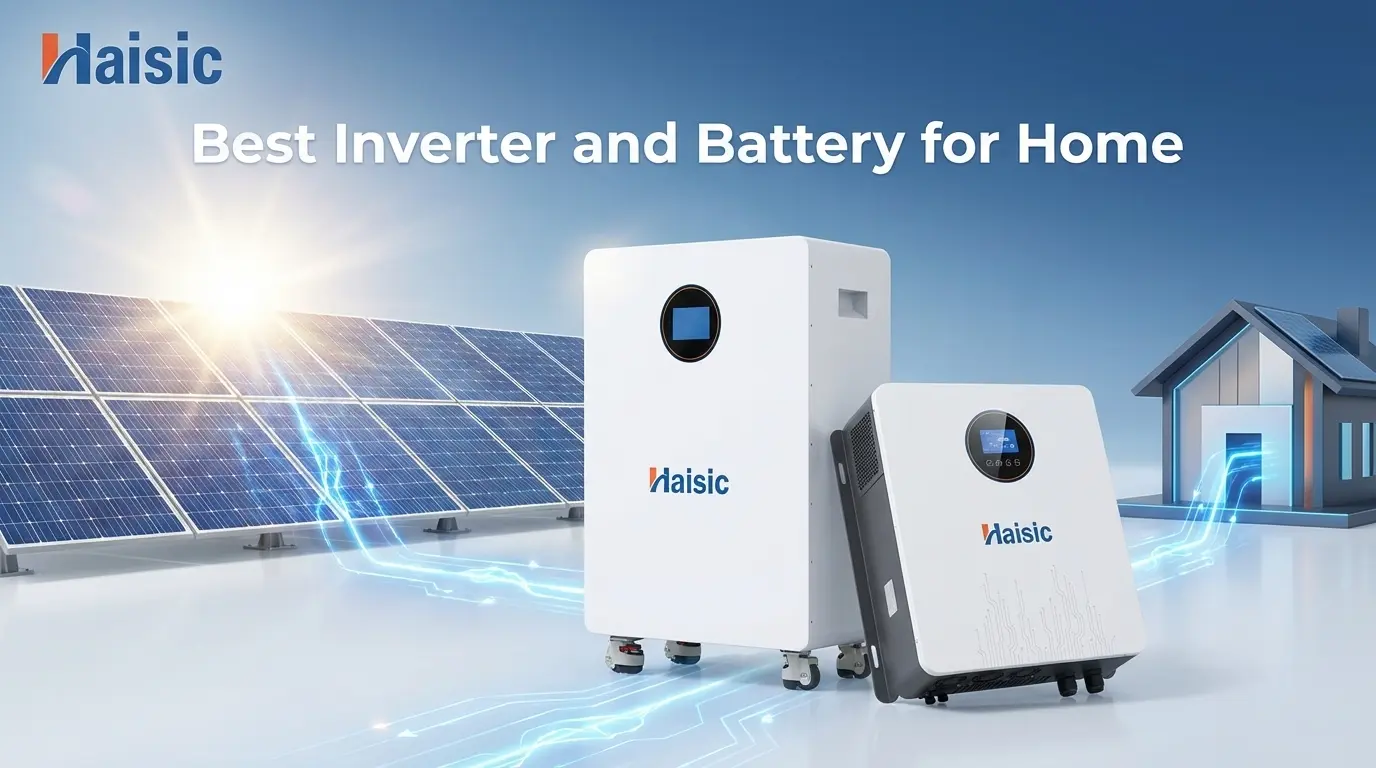
To secure the best inverter and battery for home use, you must first understand the distinct roles these components play in your energy ecosystem. As a manufacturer with over 15 years of engineering expertise, I view these two as the \”brain\” and the \”heart\” of your residential power supply.
The Inverter: Converting DC to AC
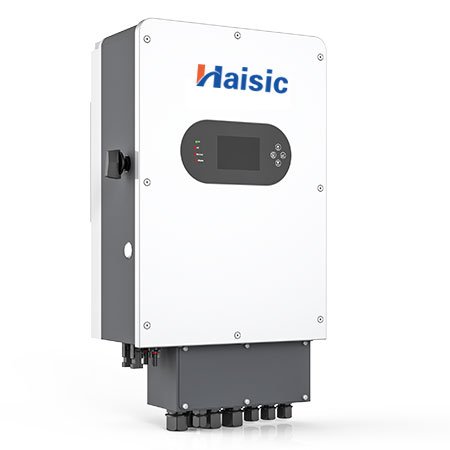
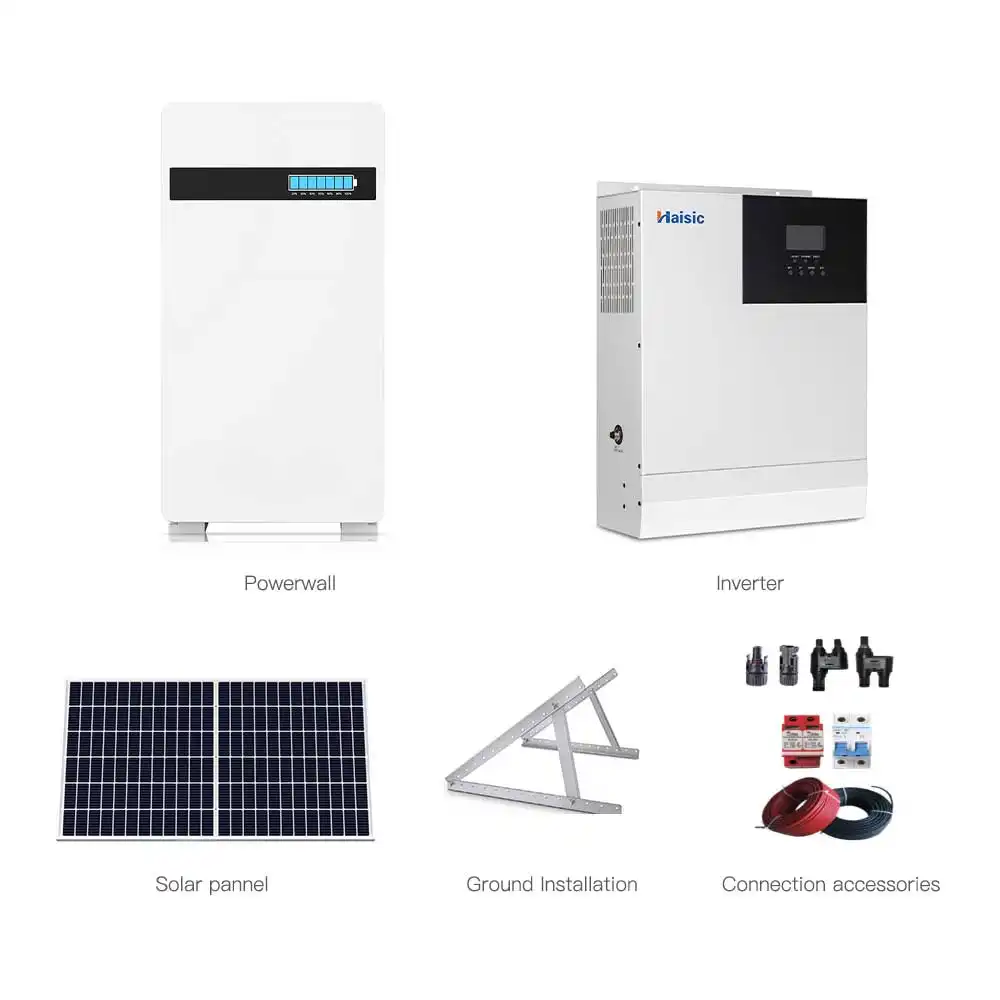
The inverter is the primary engine of your system. While solar panels and batteries operate on Direct Current (DC), your household appliances—from LED bulbs to refrigerators—require Alternating Current (AC). My pure sine wave solar inverters bridge this gap, ensuring that the electricity flowing into your sensitive electronics is clean, stable, and efficient.
The Battery: Your Energy Reservoir
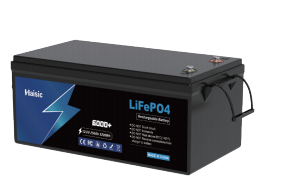
If the inverter is the brain, the battery is the \”fuel tank.\” It stores surplus energy generated during the day or from the grid for use during power outages or peak-rate hours. For modern homes, I prioritize LiFePO4 battery packs because they offer unmatched thermal stability and a lifespan that far exceeds traditional options.
Why System Compatibility Matters
Choosing a matched system is the only way to prevent significant efficiency loss. When you pair a hybrid solar inverter with a compatible LiFePO4 home battery, the integrated Smart BMS (Battery Management System) communicates directly with the inverter. This synergy ensures:
- Minimized Energy Loss: Optimized voltage matching prevents heat buildup and wasted power.
- Extended Hardware Life: Balanced charging cycles protect the battery cells from premature wear.
- Seamless Switching: Faster transition times during grid failures, keeping your Wi-Fi and essential loads running without interruption.
Investing in a cohesive home energy storage system (ESS) rather than piecing together mismatched components is the most reliable path to true energy independence.
Calculating Your Home Power Requirements
To find the best inverter and battery for home use, you first need to know exactly how much energy your household consumes. We simplify this process by breaking it down into three manageable steps.
Step 1: Identify Essential Appliances
Start by listing the devices you need to keep running during an outage. Common residential loads include:
- LED Bulbs: 10W – 15W each
- Ceiling Fans: 50W – 80W each
- Wi-Fi Routers: 10W – 20W
- Refrigerators: 200W – 500W (depending on size and efficiency)
- Laptops/Smart TVs: 50W – 150W
Step 2: The Math (VA vs. Watts)
Understanding the difference between Watts and VA (Volt-Ampere) is critical for choosing the best inverter with battery for home setups. While appliances are rated in Watts, inverters are often rated in VA.
- The Formula: Watts = VA × Power Factor (typically 0.8 for residential systems).
- If your total calculated load is 800W, you should look for an inverter rated at 1000VA or higher to ensure efficiency and safety.
Step 3: Sizing the Battery for Backup Hours
The battery capacity determines how long your backup will last. When performing a battery backup time calculation, consider your required runtime against the Ampere-hour (Ah) rating. When deciding on capacity, learning how to choose the best solar battery for your needs ensures you select a system that matches your lifestyle without overspending.
| Battery Type | Ideal Usage | Backup Potential |
|---|---|---|
| 48V 100Ah Lithium Battery | Small apartments/Essential loads | 4-6 hours for basic lights and fans |
| 200Ah LiFePO4 Battery | 2-3 Bedroom homes | Full evening backup for fridge and electronics |
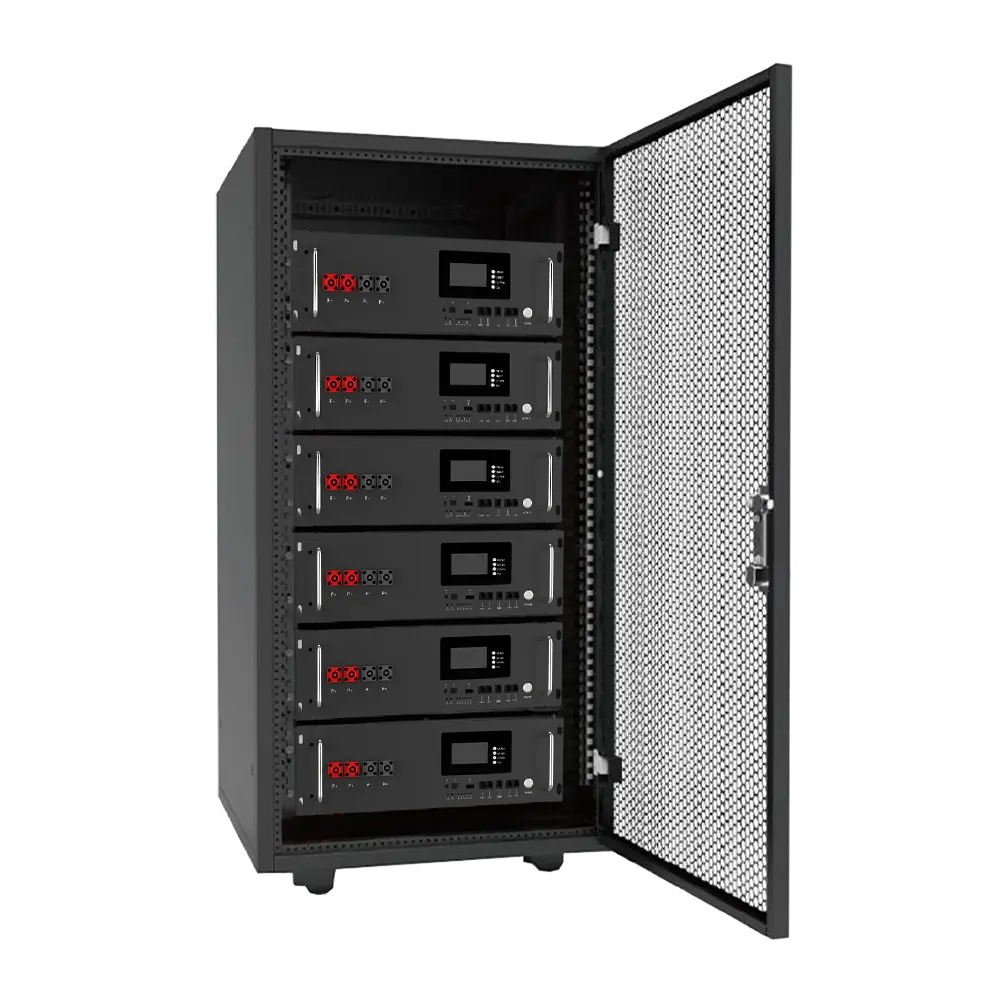
| Stackable Battery Design | Large homes/Off-grid | Scalable up to 26.88kWh for heavy appliances |
Selecting the best inverter battery for home depends on this balance. We provide high-capacity LiFePO4 cells ranging from 100Ah to 400Ah, ensuring that whether you need a compact wall-mounted unit or a massive stackable system, your power requirements are met with precision.
Choosing the Best Inverter: Key Features to Look For
Selecting the right inverter is just as critical as choosing the battery. As a leading manufacturer, we focus on engineering units that don\’t just move power but protect your home’s electronics. To get the best inverter and battery for home performance, you need to look beyond the price tag and focus on the internal technology.
Pure Sine Wave vs. Square Wave
We exclusively produce pure sine wave solar inverters because they provide the cleanest power possible. Unlike cheap square wave inverters that can cause humming in fans or even fry the sensitive circuits of your laptop and Smart TV, a pure sine wave mimics the smooth delivery of the utility grid. This ensures your appliances run cooler, quieter, and last much longer.
Hybrid vs. Off-Grid Inverters
For most modern households, a hybrid solar inverter 5kW or higher is the ideal choice. While off-grid inverters are great for remote cabins, our hybrid models offer the best of both worlds. They manage power from solar panels, batteries, and the grid simultaneously. This flexibility is a core part of our residential solar energy storage solutions, allowing you to sell excess power back to the grid or stay powered during a total blackout.
Smart Features and Durability
We pack our systems with high-end tech to ensure you get the most out of every ray of sunshine. Our inverters feature integrated MPPT charge controllers, which maximize the energy harvested from your panels even on cloudy days.
| Feature | Benefit |
|---|---|
| MPPT Controller | Increases charging efficiency by up to 30% |
| IP65 Rating | Dustproof and waterproof for outdoor installation |
| Wi-Fi/GPRS | Real-time remote monitoring via smartphone |
| Pure Sine Wave | Safe for all sensitive home electronics |
Our hardware is built for the real world. With an IP65 waterproof rating, our inverters are durable enough for outdoor high-efficiency use, resisting dust and moisture. Combined with smart monitoring, you can track your energy production and consumption from anywhere in the world. When looking for the best solar powered generator or home backup setup, these technical standards are what separate a reliable system from a temporary fix.
Choosing the Best Battery: Why LiFePO4 is the Gold Standard
When searching for the best inverter and battery for home use, the battery chemistry is the most critical factor for long-term savings and safety. At Haisic, we have moved away from outdated lead-acid technology to focus exclusively on Lithium Iron Phosphate (LiFePO4) because it offers the highest return on investment for homeowners.
LiFePO4 vs. Lead-Acid: The Reality
Traditional lead-acid and tubular batteries might seem cheaper upfront, but they fail quickly under heavy use. A high-quality LiFePO4 battery pack outperforms them in every category:
- Lifespan: LiFePO4 lasts 10x longer than lead-acid.
- Weight: Lithium is roughly 1/3 the weight, making wall-mounted or stackable installations much easier.
- Maintenance: Our lithium systems are \”set and forget,\” requiring zero water topping or terminal cleaning.
- Efficiency: Lithium provides 95-98% efficiency, whereas lead-acid loses significant energy during charging and discharging.
The 6,000+ Cycle Advantage
We engineer our house battery backup systems to handle over 6,000 charge cycles. In real-world terms, this means more than 10 to 15 years of reliable daily service. While a standard battery might need replacement every 2 or 3 years, our LiFePO4 cells stay strong, ensuring your initial investment pays for itself many times over through consistent energy independence.
Safety and Thermal Stability
Safety is non-negotiable in a residential setting. LiFePO4 is widely recognized as the safest lithium chemistry available. It is incredibly stable and resistant to \”thermal runaway,\” meaning it won\’t catch fire or explode even if punctured or subjected to high temperatures. Every Haisic battery is equipped with a Smart BMS (Battery Management System) that uses intelligent algorithms to monitor cell health, prevent overcharging, and ensure your home remains protected 24/7.
Top Haisic Recommendations for Every Home
Finding the best inverter and battery for home use comes down to matching your daily power consumption with the right hardware. As a direct manufacturer with over 15 years of engineering experience, we design our home energy storage systems to scale perfectly with your lifestyle. Whether you live in a cozy apartment or a large off-grid estate, we have the exact setup you need.
Here are our top configurations for reliable residential power backup.
The Compact Setup: Small Apartments
If you have limited space but still want the security of uninterrupted power, a compact footprint is essential. This setup provides the best inverter battery for home environments where only essential appliances need backup.
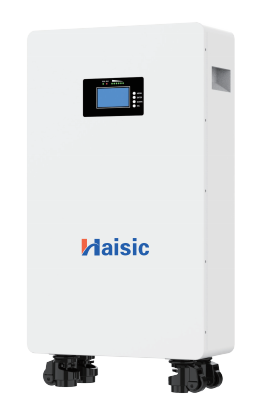
- The Hardware: A 3kW pure sine wave solar inverter paired with a 5.12kWh wall-mounted LiFePO4 battery pack.
- The Benefits: Wall-mounted designs save valuable floor space. The 3kW inverter easily handles daily essentials like LED lighting, Wi-Fi routers, laptops, and a standard refrigerator.
- Ideal For: Small apartments, cabins, or homes looking for a basic emergency backup system.
The Family Powerhouse: 3-4 Bedroom Homes
For standard family homes, energy demands are higher and more varied. You need a system that can handle multiple appliances running simultaneously while maximizing solar energy usage.
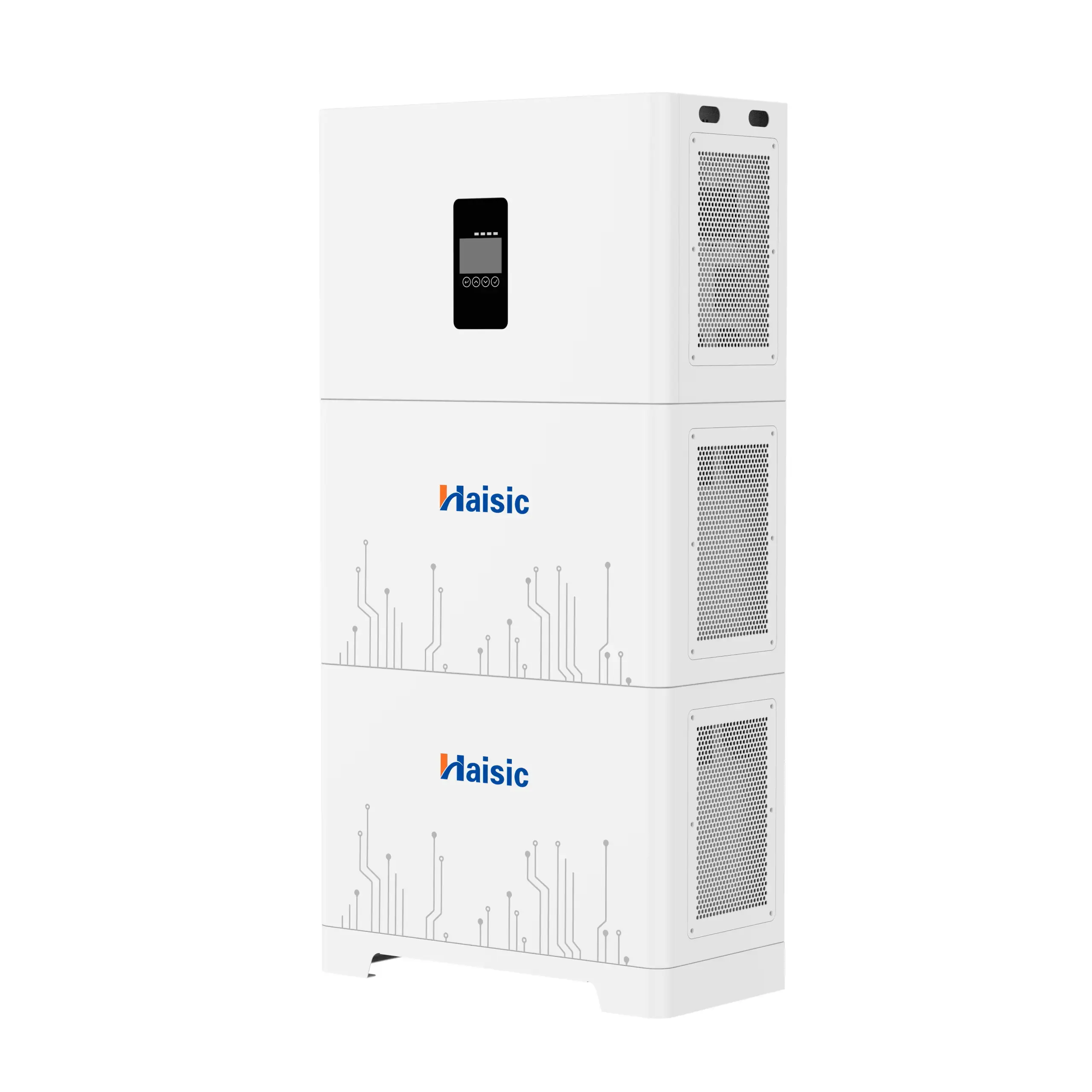
- The Hardware: A 5kW to 8kW hybrid solar inverter combined with a stackable battery design.
- The Benefits: This is the sweet spot for achieving true energy independence. The stackable design allows you to start with a base capacity and easily add more battery modules as your family\’s energy needs grow. The hybrid inverter seamlessly manages power from the grid, solar panels, and the battery.
- Ideal For: 3-4 bedroom homes running multiple TVs, kitchen appliances, washing machines, and home office setups.
The Luxury and Off-Grid Solution: Heavy Loads
When you want to cut ties with the grid completely or need to power heavy-duty appliances, you need a high-voltage, high-capacity system. If you are looking for the absolute best inverter with battery for home luxury setups, this is the tier that delivers zero compromises.
- The Hardware: A 12kW high-voltage hybrid inverter paired with massive storage capacity. For these demanding environments, integrating a high-end touchscreen 20480Wh home energy storage battery ensures you never run out of juice.
- The Benefits: Built with an advanced Smart BMS, this configuration easily handles massive power surges. It provides stable, continuous energy for high-draw equipment without breaking a sweat.
- Ideal For: Large estates, complete off-grid power solutions, and homes running central air conditioners, pool pumps, or Level 2 EV charging stations.
Installation and Maintenance for Your Home Power System
Setting up the best inverter and battery for home use requires attention to detail to ensure long-term efficiency and safety. While our systems are designed for durability, following professional installation standards maximizes your investment.
Optimal Placement and Environment
To keep your best inverter battery for home performing at peak levels, location is everything.
- Ventilation: Install the system in a cool, dry area with plenty of airflow to dissipate heat during heavy charging cycles.
- Sunlight Protection: Avoid direct sunlight exposure. Even though our hybrid inverters carry an IP65 rating for outdoor durability, maintaining a stable ambient temperature helps preserve the chemistry of the LiFePO4 cells.
- Accessibility: Ensure there is enough clearance around the unit for the Smart BMS to communicate effectively via WiFi or GPRS modules.
Safety Protocols and Wiring
Safety is our priority during the manufacturing of every high-voltage stacked system, and it should be yours during setup.
- Correct Wire Gauges: Use heavy-duty cables capable of handling the specific current of your 3kW to 12kW system to prevent overheating.
- Circuit Breakers: Always install dedicated DC and AC circuit breakers to protect your home appliances and the ESS from unexpected surges.
- Firm Connections: Loose terminals are a leading cause of efficiency loss; ensure every connection is torqued to specification.
The \”Set and Forget\” Maintenance Advantage
Choosing the best inverter with battery for home from Haisic means moving away from the high-maintenance demands of old technology.
- Zero Fluid Management: Unlike lead-acid or tubular batteries, our LiFePO4 packs require no water topping or acid checks.
- Automated Health Monitoring: The integrated Smart BMS automatically balances cells and manages thermal stability, meaning you don\’t have to manually intervene.
- Remote Updates: With intelligent algorithms and remote monitoring, we provide a truly \”set and forget\” energy solution that serves your home reliably for over 6,000 cycles.
Why Choose Haisic as Your Energy Partner?
When you are looking for the best inverter and battery for home, you need a direct manufacturer that understands both the core technology and the real-world demands of energy independence. At Haisic, we don\’t just assemble parts; we engineer complete, long-lasting power solutions.
Manufacturing Excellence
Our operations are backed by over 15 years of deep R&D experience in circuit simulation, PCB layout, and smart BMS development. We manufacture our home energy storage systems in a massive 11,000m² state-of-the-art facility. This scale allows us to maintain strict quality control over every LiFePO4 battery pack and pure sine wave solar inverter that leaves our production line. Whether you need a standard setup or a custom residential solar system design, our engineering team delivers unmatched reliability.
Global Certifications
Safety and compliance are non-negotiable. We build the best inverter with battery for home use by adhering to the strictest global standards. Our factory is ISO9001, ISO14001, and ISO45001 certified. Every product carries essential certifications, including CE, FCC, CQC, RoHS, PSE, MSDS, and UN38.3, ensuring secure transport and safe daily operation in your home.
B2B & Dealer Support
We are a trusted partner for global dealers, installers, and distributors. Exporting to over 60 countries and regions, we offer comprehensive OEM and ODM services. From custom branding to tailored capacity configurations, we help our partners scale their businesses with proven, high-performance energy solutions.
Haisic Advantage Overview
| Feature | Haisic Standard | Benefit |
|---|---|---|
| Facility Scale | 11,000m² Factory | Consistent supply and rigorous quality control |
| R&D Experience | 15+ Years | Advanced smart BMS and optimized energy usage |
| Certifications | CE, FCC, UN38.3, ISO | Guaranteed safety and international compliance |
| Global Reach | Exported to 60+ Countries | Proven reliability in diverse climates |
| Partner Support | Full OEM/ODM Services | Custom solutions for B2B and wholesale buyers |
Common Questions About the Best Inverter and Battery for Home
How long does a 200Ah battery last on a full load?
The backup time depends entirely on the system voltage and the total wattage of your appliances. For example, a 51.2V 200Ah LiFePO4 battery provides approximately 10.24kWh of energy. If your home is pulling a constant load of 1,000W (1kW), this battery will last roughly 10 hours. We recommend using a high-capacity solar battery bank for home to ensure you have enough overhead for peak usage periods without draining the cells too quickly.
Can I run an AC on a home inverter?
Yes, you can run an air conditioner on an inverter, provided the system is sized correctly. To handle the high \”startup surge\” of an AC unit, you generally need a 5kW to 12kW pure sine wave hybrid inverter. Our systems are designed with high peak power capabilities to support heavy inductive loads like air conditioners and refrigerators. When paired with a robust off-grid solar power system, you can maintain a cool home environment even during extended power outages.
Is Lithium better than a tubular battery for home use?
Lithium (specifically LiFePO4) is significantly better than traditional tubular or lead-acid batteries for residential energy storage. Here is why:
- Longevity: Lithium offers 6,000+ charge cycles, lasting over 10 years, while tubular batteries usually fail after 2-3 years.
- Depth of Discharge (DoD): You can safely use 90-100% of a lithium battery’s capacity, whereas tubular batteries should not be discharged beyond 50%.
- Zero Maintenance: There is no need to top up water or check acid levels; it is a \”set and forget\” solution.
- Space Saving: Lithium packs are much lighter and more compact, often available in sleek wall-mounted or stackable designs.
When looking for the best inverter and battery for home, choosing LiFePO4 technology ensures the highest safety standards and the lowest total cost of ownership over the life of the system.