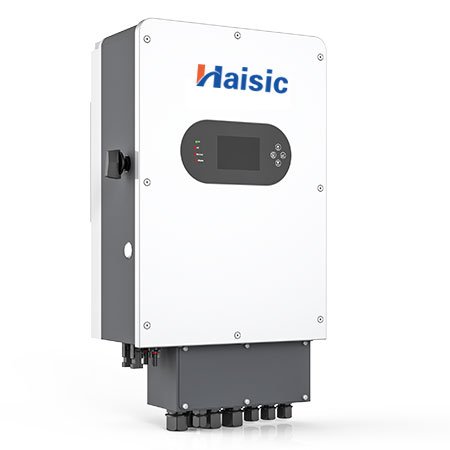
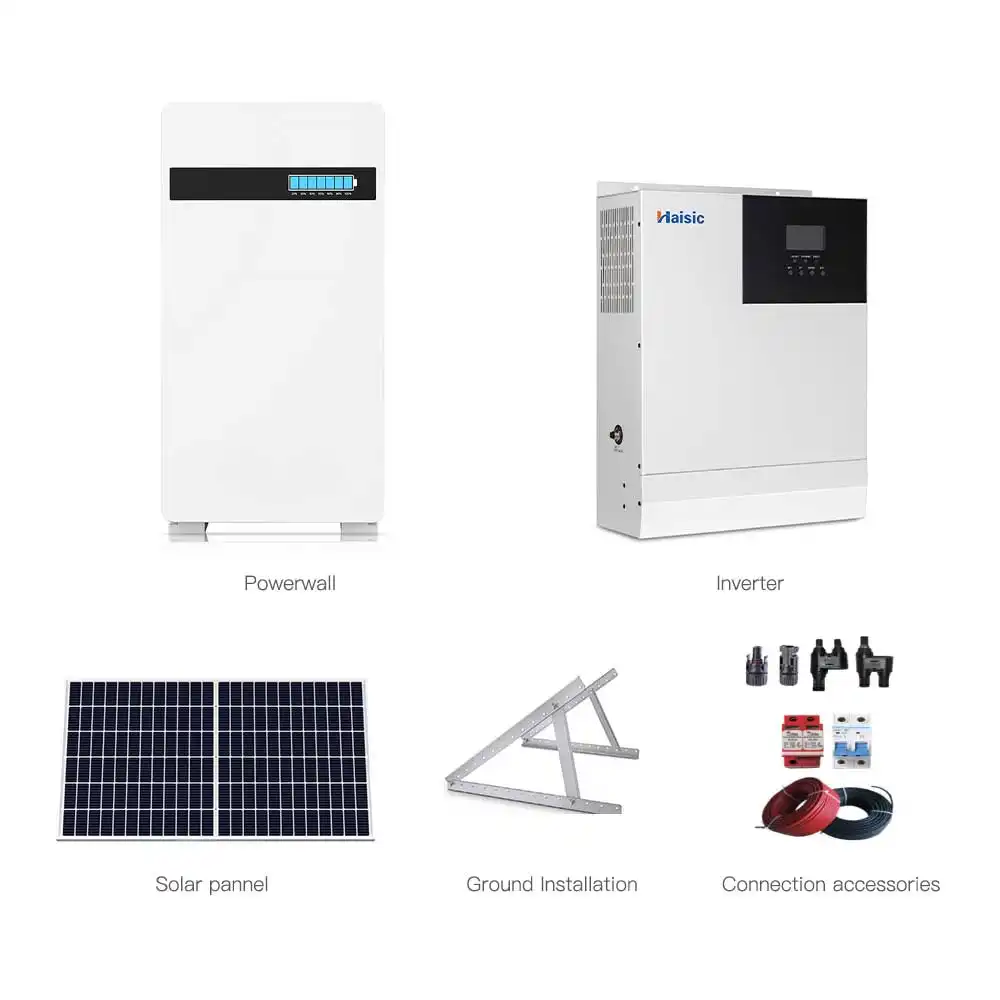
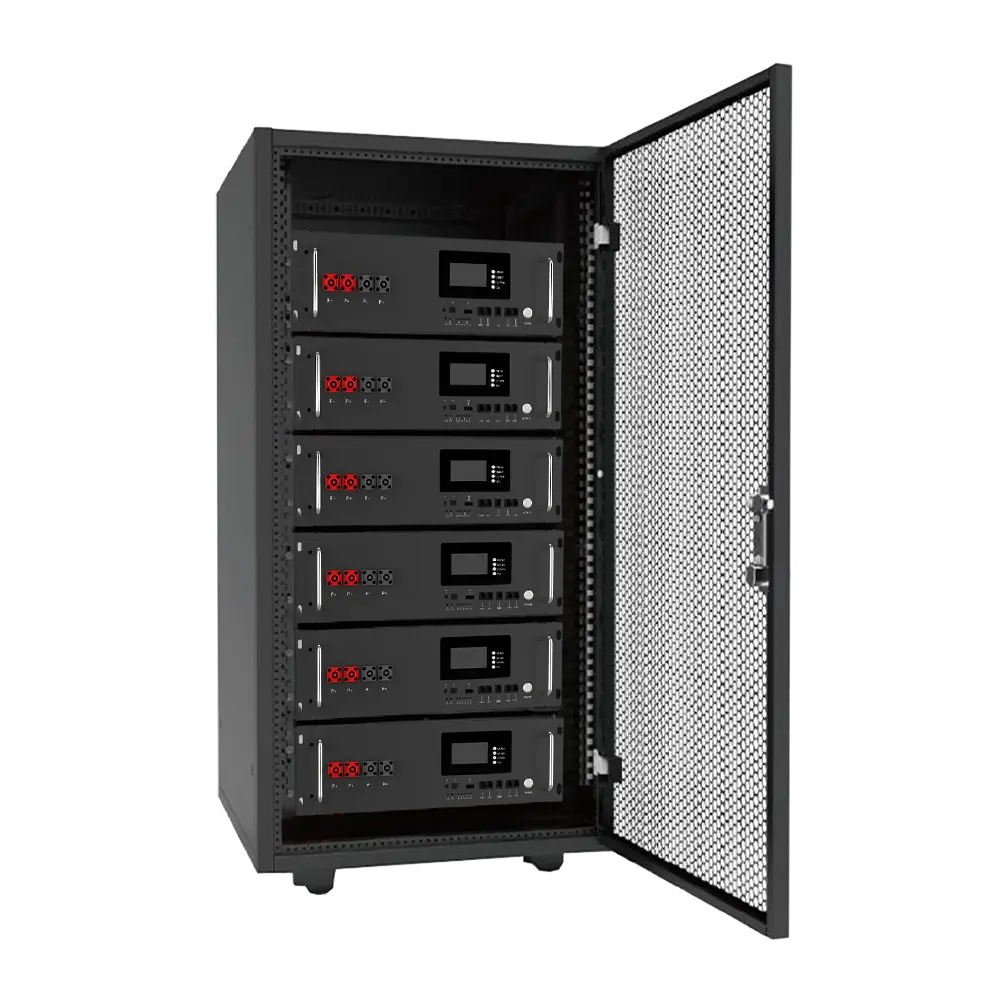


At a Glance: Li-ion vs Lead-Acid for Home Energy Storage
If you’re asking “are li-ion or lead-acid batteries better for home energy storage?”, you’re really asking four things:
What’s cheaper, what lasts longer, what wastes less energy, and what’s safer in my house?
Key Differences for Home Solar and Backup Power
For modern residential solar battery storage and whole-home backup, the trade-off looks like this:
-
Lead-acid (flooded or AGM)
- Low upfront cost
- Bulky, heavy, and needs more space
- Lower usable capacity per cycle
- Real maintenance (especially flooded)
- Best for: rare backup, low budgets, off-grid cabins
-
Li-ion (especially LiFePO4)
- Higher upfront cost, lower lifetime cost
- Compact, lighter, wall-mountable
- Much higher usable capacity and cycle life
- Essentially maintenance-free with built-in BMS
- Best for: daily solar cycling, tight spaces, whole-home backup
Side-by-Side: Cost, Lifespan, Efficiency, Safety
| Factor | Lead-Acid Solar Bank | Li-ion / LiFePO4 Home Battery |
|---|---|---|
| Upfront cost per kWh | Lower | Higher |
| Lifetime cost per kWh | Higher (short life, low DoD) | Lower (long life, high DoD) |
| Cycle life (typical) | ~500–1,500 cycles | ~3,000–8,000 cycles |
| Usable DoD (daily) | ~30–50% | ~80–90% |
| Round-trip efficiency | ~75–85% | ~90–96% |
| Maintenance | Medium to high (flooded), some AGM | Very low / “set and forget” |
| Safety profile (home use) | Gas release, acid, venting needs | Very safe with LiFePO4 + BMS |
| Space & weight | Very heavy, large footprint | Compact, lighter, easier to install |
How Each Fits Into Modern Home Systems
In 2026-style home energy storage systems:
- Lead-acid still works with:
- Older off-grid hardware and legacy charge controllers
- DIY systems where cost beats convenience
- LiFePO4 lithium home batteries are now the default for:
- Hybrid inverters and smart whole-house systems
- Grid-tied solar homes doing time-of-use arbitrage, self-consumption, and EV-friendly setups
If you’re pairing with a modern hybrid inverter and using your battery daily, the ecosystem is already optimized around LiFePO4, not lead-acid.
When a Quick Comparison Table Is Enough
You can usually decide in under a minute:
-
Choose lead-acid if:
- You want lowest upfront cost and
- You’ll cycle the battery only occasionally (emergency backup, cabin)
-
Choose LiFePO4 if:
- You’ll use the battery every day with solar
- You care about space, safety, and long-term ROI
- You want a maintenance-free, modern home battery you don’t have to babysit
For most grid-tied homes in 2026, the honest answer to “are li-ion or lead-acid batteries better for home energy storage?” is:
LiFePO4 wins on lifespan, efficiency, safety, and true cost of ownership. Lead-acid only wins if your budget is razor-thin and your usage is light.
Upfront Cost vs Total Cost of Ownership for Home Batteries
When people ask “are li-ion or lead-acid batteries better for home energy storage?”, cost is usually the first filter. But you can’t just look at the sticker price—you have to look at cost per kWh over the full life of the system.
Typical 2026 Prices: LiFePO4 vs Lead-Acid
For a home-sized battery bank in 2026, here’s what I usually see globally:
- Lead-acid (flooded / AGM, deep-cycle)
- Upfront: $100–$200 per kWh of rated capacity
- Often looks “cheap” for a 5–10 kWh bank
- LiFePO4 (lithium iron phosphate)
- Upfront: $250–$450 per kWh of rated capacity for decent residential systems
- Integrated, smart systems (with BMS, touchscreen, cabinet) sit at the higher end of this range
A compact, plug‑and‑play 10 kWh LiFePO4 home battery unit with BMS and touchscreen, similar to our 20.48 kWh home energy storage battery system, will usually price above a basic lead-acid bank—but the story changes when you factor in lifespan.
Cost per kWh of Storage vs Cost per kWh Delivered
Two different numbers matter:
- Cost per kWh of rated storage
- Lead-acid: lower
- LiFePO4: higher
- Cost per kWh actually delivered over its life
- Lead-acid: often $0.25–$0.50+ per kWh delivered
- LiFePO4: often $0.10–$0.20 per kWh delivered
Why the difference?
- Lead-acid is usually run at 50% depth of discharge (DoD) to avoid killing it early.
- LiFePO4 is safely used at 80–90% DoD and has 3–6× the cycle life.
- So you get far more usable cycles and more usable kWh out of the same nominal size.
How Cycle Life Changes Real Cost Over Time
Typical real-world ranges:
- Lead-acid (AGM / flooded)
- ~500–1,500 cycles at ~50% DoD
- LiFePO4 home battery
- ~3,000–6,000+ cycles at 80–90% DoD
If you cycle daily (solar self-consumption, off‑grid, or peak shaving), LiFePO4 usually wins hard on total cost of ownership because:
- Fewer replacements over 10–15 years
- Less performance drop-off
- Higher efficiency (more of your solar power actually used)
Example: 10 kWh Home Energy Storage Cost Breakdown
Let’s keep it simple and realistic:
Option A – 10 kWh Lead-Acid Bank
- Upfront hardware: $1,500–$2,000
- Usable capacity (50% DoD): ~5 kWh
- Realistic life: 5–7 years with regular cycling, then replacement
- Over 15 years you might buy 2–3 full banks
- Total hardware: $3,000–$5,000+
- More space, more maintenance, more losses
Option B – 10 kWh LiFePO4 Home Battery
- Upfront hardware: $3,000–$4,500 depending on brand, BMS, integration
- Usable capacity (80–90% DoD): 8–9 kWh
- Realistic life: 10–15 years of daily cycling (within warranty)
- Over 15 years: usually no replacement, maybe slight capacity loss
- Total hardware: still $3,000–$4,500, but with roughly 2× usable energy and fewer headaches
If you look at $/kWh delivered over 10–15 years, LiFePO4 often ends up cheaper even though it costs more day one.
Payback Period and ROI: LiFePO4 vs Lead-Acid
Your real payback period depends on:
- Local electricity price and time‑of‑use (TOU) rates
- How much solar you’d otherwise export at low rates
- How often you cycle the battery (daily vs occasional backup)
In most grid‑tied homes that:
- Use solar daily
- Have TOU or expensive evening power
- Want whole‑home backup
LiFePO4 usually gives:
- Shorter payback (because it can safely cycle more every day)
- Higher ROI (you offset more peak power and export less cheap solar)
- Less risk of unexpected replacement costs in year 5–7
Lead-acid can still make sense if:
- You rarely cycle the battery (emergency backup only)
- You’re on a tight upfront budget
- You’re OK with shorter life and lower efficiency
How Incentives and Rebates Affect Your Choice
Government and utility incentives in many regions (US, EU, AU, parts of Asia, etc.) are starting to:
- Favor high-efficiency, long‑life systems
- Require certified, integrated lithium home batteries for rebates
- Sometimes pay a fixed amount per kWh of usable storage
That means:
- A higher‑priced LiFePO4 system may get a larger absolute rebate
- Your net cost gap between lead-acid and LiFePO4 shrinks or even disappears
- The better long‑term performer (LiFePO4) becomes the obvious choice
For homeowners looking at a clean, compact, long-life solution that makes financial sense over a decade or more, a dedicated LiFePO4 unit like our 25.6V 200Ah lithium home energy storage battery is usually the better bet than a low-cost lead-acid bank once you factor in total cost of ownership.
Cycle Life and Real-World Longevity in Home Energy Storage
When you compare Li-ion vs lead-acid home batteries, cycle life is where the gap really shows.
Typical cycle life: AGM & flooded lead-acid
For residential solar battery storage, here’s what most homeowners actually see:
- Flooded lead-acid (off‑grid style banks)
- ~800–1,500 cycles at ~50% depth of discharge (DoD)
- Daily use = roughly 3–6 years before performance becomes annoying
- AGM lead-acid (sealed, “maintenance-lite”)
- ~1,000–2,000 cycles at ~50% DoD
- Daily use = typically 4–7 years if well charged and not overheated
Push lead-acid harder (deep discharges, hot rooms, poor charging), and those numbers drop fast.
LiFePO4 home battery cycle life
Modern lithium iron phosphate (LiFePO4) home batteries are in a different league:
- Quality systems: 4,000–8,000+ cycles at 70–90% DoD
- Daily cycling: 10–15+ years of solid performance is realistic
- After warranty, most still keep 70–80% of original capacity, not fall off a cliff
That’s why a well-built LiFePO4 pack, like a 15 kWh wall-mounted unit in a typical home solar setup, usually pays back over time even if the upfront cost is higher than a lead-acid solar battery bank.
Daily solar cycling over 5–15 years
If you’re cycling once a day with solar:
- Lead-acid
- Years 1–3: OK performance, but you’re already losing capacity
- Years 4–6: Noticeable drop in runtime, more frequent low‑voltage cutoffs
- Often needs full replacement once or twice in a 10–15 year solar system life
- LiFePO4
- Years 1–10: Fairly stable capacity, predictable backup runtime
- Years 10–15: Gradual fade, but still usable for most home backup needs
In real homes, this means fewer swaps, less labor, and less downtime with LiFePO4.
How depth of discharge (DoD) changes lifespan
DoD is simply how much of the battery you actually use each cycle:
- Lead-acid
- Designed to be kept shallow: 30–50% DoD is ideal
- Regularly draining to 80% or 100% DoD can almost halve cycle life
- LiFePO4
- Comfortable with 70–90% DoD every day
- Running deeper doesn’t crush lifespan the way it does with lead-acid
For the same “usable” kWh, you often need more nominal capacity with lead-acid than with LiFePO4, which makes cheap banks less cheap in practice.
What warranties really mean for usable lifespan
Most LiFePO4 home batteries ship with:
- 10+ year warranties
- A cycle limit (e.g. 6,000 cycles)
- An end-of-warranty capacity guarantee (often 60–80%)
That gives you a clear floor for how long the battery is expected to remain useful.
Lead-acid warranties are usually:
- Shorter (2–5 years common)
- Based more on defects than guaranteed cycle life
- With no clear promise of how much capacity you’ll have after heavy cycling
In other words, a LiFePO4 warranty is closer to a performance contract, while lead-acid is mostly a “no early failure” promise.
When lead-acid degradation becomes a real problem
Lead-acid starts becoming painful at home when:
- Your backup time during outages shrinks year by year
- You see more low-voltage cutoffs at night in off-grid or hybrid setups
- Voltage sags so much that your inverter complains under heavier loads
- Adding new batteries to an old bank doesn’t work well because of imbalance
For homeowners who want a set-it-and-forget-it whole-house battery backup, this is why most are moving to LiFePO4-based systems, such as compact wall-mounted home lithium battery storage solutions that keep stable capacity across thousands of cycles.
Depth of Discharge and Usable Capacity for Home Solar Storage
What depth of discharge (DoD) really means
Depth of discharge (DoD) is how much of your battery’s stored energy you actually use before recharging.
- 100% DoD = you drain the battery from full to empty
- 50% DoD = you only use half the stored energy, then recharge
Higher DoD = more usable capacity per cycle, but also more stress on the battery (especially for lead-acid).
Recommended DoD for lead-acid in home setups
For home solar and backup, you shouldn’t regularly deep-cycle lead-acid if you want it to last.
- Flooded / AGM lead-acid:
- Daily cycling: keep it around 30–50% DoD
- Occasional backup: up to 70–80% DoD, but not every day
- Going to 80–100% DoD often will slash cycle life and force early replacement
That means a “10 kWh” lead-acid bank realistically gives you 3–5 kWh of daily usable energy if you’re treating it gently.
Recommended DoD for LiFePO4 in residential storage
LiFePO4 (lithium iron phosphate) is built for deeper cycling.
- Normal daily use: 80–90% DoD is standard
- Many quality systems are rated at ≥6000 cycles @ 80–90% DoD
- Short-term emergencies: you can go close to 100% DoD without panic
With a 10 kWh LiFePO4 home battery, you can usually count on 8–9 kWh usable every day. That’s a huge jump in practical capacity vs. lead-acid at the same nameplate size.
If you’re looking at a 10 kWh wall-mounted system, something like a 10kWh LiFePO4 home energy storage battery is designed to be used at this higher DoD safely.
How usable capacity changes system sizing for your house
Because of DoD limits, “same kWh” on paper is not the same in real life:
| Bank Size (Nameplate) | Chemistry | Typical DoD | Real Usable kWh |
|---|---|---|---|
| 10 kWh | Lead-acid | 40% | ~4 kWh |
| 10 kWh | LiFePO4 | 85% | ~8.5 kWh |
So for the same usable energy, you often need:
- 2× bigger lead-acid bank vs. lithium
- More space, more cabling, and more weight with lead-acid
If your home has limited space (wall or floor), it’s usually smarter to size around usable capacity, not just nameplate kWh.
DoD and backup runtime during grid outages
Your DoD setting directly decides how long the lights stay on when the grid fails:
- Lead-acid (conservative 40–50% DoD):
- Shorter usable runtime from a given bank
- You may need double the lead-acid kWh to ride through a long outage
- LiFePO4 (80–90% DoD):
- Much longer backup time from the same nominal kWh
- Better for whole-home backup and multi-day storm events
If outages are common in your area, LiFePO4 gives you more hours of real backup per dollar.
How DoD affects expansion and future energy needs
Your DoD strategy also affects how you grow the system later:
-
With lead-acid:
- Lower DoD = you need a larger initial bank to leave headroom
- Adding new batteries later to an old bank is tricky (age mismatch issues)
- Expansion can mean replacing the whole bank
-
With LiFePO4:
- High usable DoD = you can start smaller and still get solid performance
- Modular systems (e.g., 51.2V 100Ah floor-mounted LiFePO4 units like this 51.2V 5.12 kWh home storage battery) make it easier to add more capacity later
- You plan expansions by stacking more units instead of oversizing from day one
In simple terms:
Lead-acid forces you to oversize early and still live with shallow usable capacity.
LiFePO4 lets you use more of what you pay for, and scale up more cleanly as your home’s energy use grows.
Charging Efficiency and Energy Losses in Home Battery Systems
When you’re choosing between li-ion vs lead-acid for home energy storage, charging efficiency is where lithium iron phosphate (LiFePO4) really pulls ahead.
Round-trip efficiency: li-ion vs lead-acid
Round-trip efficiency = energy out ÷ energy in.
Typical real-world numbers for home systems:
| Battery type | Round‑trip efficiency |
|---|---|
| Flooded lead-acid | ~75–82% |
| AGM / gel lead-acid | ~80–85% |
| LiFePO4 home battery | ~92–97% |
So for every 10 kWh you push into a battery bank:
- Lead-acid might only give you 7.5–8.5 kWh back
- LiFePO4 usually returns 9.2–9.7 kWh back
The “missing” energy is lost as heat and charging overhead.
How many kWh you actually get back from solar
Let’s say your solar sends 10 kWh/day into storage:
- Lead-acid (80%):
10 kWh in → 8 kWh usable → 2 kWh lost daily - LiFePO4 (94%):
10 kWh in → 9.4 kWh usable → 0.6 kWh lost daily
Over a year (365 days):
- Lead-acid: ~730 kWh wasted
- LiFePO4: ~220 kWh wasted
At just $0.20/kWh, that’s $146 vs $44 per year burned in losses – and much more in markets with high power prices.
If you want a deeper breakdown of how this plays into real system economics, I’ve covered typical solar battery storage costs per kWh and savings in detail.
Impact on your bill and solar savings
Higher efficiency means:
- More self-consumption of your solar instead of buying from the grid
- Shorter payback time on the battery
- Better value if you’re doing:
- Time-of-use arbitrage (charge cheap, discharge expensive)
- Daily solar shifting (day to night)
- Peak demand shaving
For grid-tied homes with daily cycling, the efficiency gap is often worth thousands of kWh over 10–15 years. That directly shows up on your power bill.
Why li-ion efficiency matters more for daily cycling homes
If you cycle the battery:
-
Every day (solar self-use / time-of-use rates)
LiFePO4’s extra 10–15% efficiency compounds fast. Over 10 years, you might run 3,000+ cycles, which turns “small” efficiency differences into big money and better ROI. -
Occasionally (pure backup, a few times a year)
Efficiency still matters, but not nearly as much as for heavy cycling. In that case, some homeowners can live with lead-acid losses if upfront cost is everything.
For most modern, grid-tied homes using solar daily, LiFePO4 is usually the better financial and energy play.
Charging profile differences: li-ion vs lead-acid
Lead-acid and LiFePO4 don’t charge the same way:
-
Lead-acid:
- Multi-stage: bulk → absorption → float
- Slows down near the top, spends long time in absorption
- Loses more energy as heat and gassing
- Needs accurate voltage settings to avoid damage
-
LiFePO4:
- Fast bulk charge to near 100%
- No long “float” stage needed
- Less heat, less waste
- Smart BMS handles protection and optimizes charging
That’s why all-in-one and hybrid inverters are now designed primarily around lithium home battery charging, with more advanced control and higher round-trip performance. If you’re aiming for a modern, high-efficiency setup, pairing a good inverter with a quality LiFePO4 battery (like our own Haisic LiFePO4 home battery line) is usually the cleanest route.
Hidden costs of energy losses over 10+ years
Energy lost in an inefficient battery bank is money you never see again. Over 10–15 years, those “small” daily losses become:
- Higher lifetime cost per kWh delivered
- Longer payback on your home battery storage
- More solar generation needed just to “feed” battery losses
- Extra wear on your inverter and charging hardware
Example over 10 years (10 kWh/day into storage, $0.20/kWh):
- Lead-acid losses (~2 kWh/day):
2 × 365 × 10 = 7,300 kWh lost → $1,460 gone - LiFePO4 losses (~0.6 kWh/day):
0.6 × 365 × 10 ≈ 2,190 kWh lost → $438
That’s over $1,000 difference in hidden energy cost from efficiency alone, not counting the fact that lead-acid often needs earlier replacement.
If you care about long-term ROI, a lower lifetime cost per kWh, and squeezing every bit out of your solar, high‑efficiency LiFePO4 isn’t a luxury – it’s the smarter default for most home energy storage setups.
Weight, Size, and Installation Practicality at Home
Lead-acid battery bank space needs
A lead-acid solar battery bank is big, heavy, and bulky for the usable energy you get. To hit 10–15 kWh:
- You’re usually looking at a full shelf or rack in a garage or utility room
- Floor space: often 0.5–1 m² just for batteries, plus space to access and service them
- Each battery can weigh 25–60 kg, and you need several in series/parallel
If space is tight or you’re in an apartment, lead-acid quickly becomes a non-starter.
LiFePO4 compactness and mounting
LiFePO4 home batteries pack more kWh into less space and weight, which is why I prefer them for modern homes:
- A single 51.2V LiFePO4 module (like a 10 kWh wall-mount battery) can replace an entire lead-acid bank
- Slim, stackable, or wall-mount designs fit neatly along a wall in a garage, hallway, or utility closet
- Much lighter per kWh, so one or two people can handle installation with normal lifting tools
You simply get more storage in a smaller, cleaner footprint.
Floor loading, wall mounting, structure
Weight and structure matter, especially in older homes:
- Lead-acid banks concentrate a lot of weight in a small spot; they’re best on solid concrete slabs
- LiFePO4 wall units spread load along the wall; lighter weight per kWh makes wall-mounting realistic
- For multi-story installs, LiFePO4 wins—less stress on floors, easier to place near the main panel
Always check wall strength and anchors if you’re hanging 50–100+ kg.
Noise, ventilation, and placement
Placement isn’t just about space; it’s about comfort and safety:
- Flooded lead-acid needs ventilation for hydrogen gas and should not be in living areas
- AGM lead-acid is better but still happier in a ventilated garage or shed
- LiFePO4 systems are sealed, quiet, and have no normal gas release—garage, utility room, even indoors (where code allows) is usually fine
In practice, LiFePO4 gives you far more flexibility in modern homes and dense neighborhoods.
Installation cost vs size and weight
Bigger, heavier, and messier = higher labor cost:
- Lead-acid: more units to wire, more racks, more time to move and position heavy batteries
- LiFePO4: fewer modules, faster wiring, cleaner layout, simpler mounting
Most installers will quote lower labor on a compact LiFePO4 rack or a single 51.2V 100Ah–400Ah LiFePO4 home battery than on a large lead-acid bank.
Planning space for future expansion
If you know your loads will grow (EV, heat pump, more solar), you want an easy path to scale:
- Lead-acid banks are bulky; adding more later often means new racks and more floor space
- LiFePO4 is modular—stack another cabinet or hang another wall unit beside the first
- You can pre-plan a simple “battery wall” or rack line and expand as budget allows
For most homes, LiFePO4’s compact, modular design is simply more practical long term.
Maintenance Needs and Hassle Factor for Homeowners
When you’re comparing Li-ion vs lead-acid home batteries, the real day-to-day difference is how much hassle you’re willing to live with.
Flooded lead-acid: hands-on, or they fail early
Flooded lead-acid solar batteries are cheap upfront, but they demand regular care:
- Check and top up water every 1–3 months
- Clean terminals and remove corrosion
- Equalization charging (periodic high-voltage charge) with a compatible charger
- Ventilation checks to safely vent hydrogen gas
Skip this, and you’ll see:
- Fast capacity loss in 1–3 years
- Sulfation (hard crystals on plates) that can’t be reversed
- Higher risk of overheating or gassing under heavy charge
They’re fine if you’re a DIY owner who likes tools and doesn’t mind a maintenance schedule. Otherwise, they’re a headache.
AGM lead-acid: less work, still not “zero effort”
AGM (sealed) lead-acid home batteries cut the mess but still need:
- Correct charging voltage (overcharge kills them fast)
- Occasional terminal checks and cleaning
- Good ventilation in enclosed rooms
- Monitoring for voltage imbalance in larger banks
You don’t need to add water, but if the charger is not set up right or the system runs too deep too often, AGM batteries can drop to half capacity in a few years.
LiFePO4: real “set it and forget it”
Modern LiFePO4 home batteries are basically maintenance-free:
- No water topping
- No equalization charge
- No off-gassing in normal use
- Minimal terminal cleaning in a properly installed system
A built-in battery management system (BMS) handles:
- Overcharge / over-discharge protection
- Cell balancing
- Temperature protections
Your “maintenance” is mostly checking the app or inverter screen now and then. That’s it.
Time, tools, and skill level
- Flooded lead-acid:
- Time: hours per year
- Tools: multimeter, distilled water, wrenches, safety glasses, sometimes hydrometer
- Skill: comfortable working around acid, wiring, and charger settings
- AGM:
- Time: low to moderate
- Tools: basic hand tools, multimeter
- Skill: need to understand correct charge profiles
- LiFePO4:
- Time: almost zero
- Tools: none after install
- Skill: basic app/inverter usage
What happens if you skip maintenance?
- Flooded lead-acid: loses capacity fast, may dry out, plates exposed, early failure
- AGM: silent early death from chronic over/undercharge, no easy fix
- LiFePO4: BMS usually prevents user damage; abuse is harder unless it’s badly installed
Best choice for “set it and forget it” homes
If you want a low-hassle home battery that just works with your solar and backup system, LiFePO4 is the clear winner. It fits modern “install once and monitor on your phone” expectations, especially in grid-tied homes, townhouses, and small urban spaces.
For a real-world example of a maintenance-free setup, you can look at an integrated 10 kWh LiFePO4 home storage system with touchscreen monitoring, similar to our 10240Wh home energy storage system, which is designed specifically for “install it, use it, don’t worry about it” homeowners.
Safety and Fire Risk for Home Energy Storage in 2026
When people ask “are li‑ion or lead-acid batteries better for home energy storage,” safety is usually one of the first concerns. In 2026, the picture is much clearer than it was a few years ago.
Real fire risks with older lithium chemistries
Not all lithium batteries are equal. Older NMC/NCA chemistries (common in early home batteries and EVs) can go into thermal runaway if:
- They’re overcharged or badly managed
- Cells are damaged or punctured
- Cooling and protections fail
Thermal runaway means a rapid, self-heating reaction that can cause fire and toxic smoke. Modern systems have reduced this risk with better BMS and standards, but old or no‑name lithium packs are still a concern, especially in DIY installs.
Why LiFePO4 is safer than NMC and lead-acid
For home energy storage in 2026, LiFePO4 (lithium iron phosphate) is the safety sweet spot:
- Much more thermally stable than NMC/NCA
- Very low chance of thermal runaway under normal use
- Stable chemistry even at higher temperatures
- No flammable solvent gas buildup like flooded lead-acid
This is why we build our wall-mounted and stackable home batteries around LiFePO4 cells with integrated BMS and protections, similar to what you see in modern Powerwall-style systems like our 51.2V 100Ah Powerwall LiFePO4 home battery.
Lead-acid gas, venting, and explosion risk
Lead-acid is “old school,” but not automatically safer:
- Flooded lead-acid releases hydrogen gas while charging
- Poor ventilation can lead to explosion risk if gas builds up near a spark
- Overcharging can cause boiling electrolyte, venting, and corrosion
- AGM/gel reduce spilling and gas but don’t remove the risk completely
If you place a big flooded lead-acid bank in a small, closed room with no fan or venting, you’re taking a real safety gamble.
BMS protections in modern home LiFePO4 batteries
The big advantage of modern LiFePO4 home batteries is the built-in Battery Management System (BMS). A good BMS adds hard protection layers:
- Overcharge / over-discharge cutoff
- Overcurrent and short-circuit protection
- Cell balancing to prevent weak cells from failing early
- Temperature monitoring and automatic shutdown outside safe range
On higher-end systems, the BMS also talks directly to the inverter, so charging and discharging stay inside safe limits. That’s standard on quality all‑in‑one and stackable systems like our stackable 2kW–7kW+ home storage units (stackable LiFePO4 home energy storage).
Why good installation matters more than chemistry
Even the safest battery can be dangerous if it’s installed badly. For both lead-acid and LiFePO4:
- Keep clearances around the battery for airflow and service
- Use correct cables, fuses, and breakers sized for the system
- Bond and ground according to local code
- Protect from direct sunlight, water, and physical damage
- Don’t stack random brands or DIY packs without proper engineering
A professional installer who understands residential solar, hybrid inverters, and local code reduces your risk more than any single spec on a datasheet.
Indoor battery safety best practices for homeowners
If you’re putting a home battery system in a garage, basement, or utility room, stick to these rules:
- Avoid bedrooms and living spaces; choose a separate room or garage
- Keep batteries off the floor if flooding is possible
- Provide ventilation (mandatory for flooded lead-acid, good idea for all)
- Keep flammables (paint, fuel, cardboard) well away from the battery area
- Install a smoke detector nearby and, for lead-acid, consider gas detection
- Don’t cover the battery with boxes, insulation, or fabrics
- Follow the manufacturer’s temperature and clearance guidelines
- Never bypass BMS, fuses, or safety features “to get more power”
In 2026, for most homes, LiFePO4 with a proper BMS and professional install gives the best balance of safety, performance, and peace of mind compared to older li‑ion chemistries and traditional lead-acid banks.
Temperature Performance in Real Home Conditions
Li-ion vs lead-acid home battery performance in hot and cold
For real homes, climate matters as much as chemistry. Temperature can quietly kill a battery years before its “paper” lifespan.
How cold winters hit lead-acid battery capacity
Lead-acid (flooded or AGM) hates the cold:
- At 0°C (32°F), you can lose 20–30% of usable capacity.
- At -20°C (-4°F), capacity loss can push 40–50%.
- Voltage drops faster, so in off‑grid cabins and garages you’ll see shorter runtimes and more generator use.
If you live in a cold region and store lead-acid in a detached garage or shed, you either insulate and heat the battery room or accept weak winter performance.
Heat + lead-acid = short lifespan
Lead-acid life is normally rated at 25°C (77°F). Every ~8–10°C (15–18°F) above that:
- Cycle life can drop by 30–50%
- Plates corrode faster, water loss increases (for flooded), and capacity fades early
Hot garages, attics, and boiler rooms can turn a “5–7 year” lead-acid bank into a 3–4 year headache.
LiFePO4 low‑temperature behavior
LiFePO4 (lithium iron phosphate) holds capacity well in the cold:
- At 0°C (32°F), you still keep most of your capacity and voltage stays stable
- Discharging in the cold is usually fine; performance drops modestly, not dramatically
The catch: charging below 0°C (32°F) without protection can damage LiFePO4 cells. That’s where a good BMS (battery management system) and optional internal heaters matter.
High‑temperature tolerance and derating for lithium
Modern LiFePO4 home batteries handle heat better than both lead-acid and older NMC lithium chemistries:
- Normal operating range: roughly 0–45°C (32–113°F)
- Short periods of heat are OK, but long‑term operation above 35°C (95°F) will still reduce cycle life
- A quality system will derate (limit charge/discharge power) if temps climb too high, to protect the cells
In practice, a wall‑mounted LiFePO4 unit in a hot garage will age slower than a lead-acid bank in the same spot, especially in 2026‑era systems designed for residential use.
Built‑in heating and BMS for cold‑climate homes
For cold countries or high altitudes, look for:
- Integrated BMS with:
- Low‑temperature charge protection (auto blocks charging when too cold)
- Over/under‑voltage, over‑current, and high‑temperature protections
- Built‑in heating pads or heater kits:
- Allow safe charging below freezing
- Automatically pre‑heat cells before charging from solar or grid
Many modern LiFePO4 home batteries, including stacked high‑voltage 20–30 kWh units like these modular high‑volt stacked systems, ship with advanced BMS logic and optional heating specifically for harsh winters.
Choosing the right battery for your local climate
Use climate as a simple filter:
- Cold winters, indoor space available (utility room, basement):
- LiFePO4 is usually best; just make sure it has a smart BMS and low‑temp protections.
- Cold and batteries must go in an unheated outbuilding:
- LiFePO4 with built‑in heating or insulated enclosure is the top choice.
- Lead-acid can work, but expect big winter capacity loss and earlier replacement.
- Very hot regions, no AC in garage:
- LiFePO4 again beats lead-acid on lifespan and stability.
- Keep any chemistry off sun‑baked walls and allow ventilation.
If your climate swings hard between seasons and you want predictable performance for daily solar cycling and backup, a LiFePO4 home battery with a robust BMS and thermal management is almost always the safer long‑term bet.
Inverter Compatibility with Home Solar and Backup Systems
Getting inverter compatibility right is what makes your home battery system feel “invisible” and reliable, whether you stay with lead‑acid or move to LiFePO4.
Lead‑acid with legacy inverters and chargers
Most older off‑grid and backup systems were built around 12/24/48 V lead‑acid banks. They usually work fine with:
- Simple voltage‑based charging (bulk / absorb / float)
- No data cable between battery and inverter
- Wide voltage windows, so the inverter doesn’t trip early
If you’re staying with lead‑acid, you mainly match:
- System voltage (12/24/48 V)
- Max charge current
- Correct charge profile (AGM, flooded, gel)
LiFePO4 with hybrid and all‑in‑one inverters
Modern LiFePO4 home batteries are built for hybrid and all‑in‑one inverters used in grid‑tied solar plus backup:
- Support for 48 V low‑voltage or high‑voltage stacks
- Direct communication with the inverter via CAN/RS485
- Built‑in BMS that controls charge/discharge safely
If you’re looking at a compact residential ESS, check that your inverter lists LiFePO4 support and can talk to a “lithium battery with BMS”, like a dedicated 25.6 V 280 Ah residential ESS module.
High‑voltage vs low‑voltage battery systems
At home, you’ll mostly see:
-
Low‑voltage (LV): 24 V or 48 V
- Common in small off‑grid, cabins, simple backup
- Easier for DIY, cheaper inverters, lower fault energy
-
High‑voltage (HV): typically 150–600+ V battery stacks
- Used with advanced hybrid inverters
- Higher efficiency, thinner cables, better for whole‑home backup and larger systems
Lead‑acid is almost always LV. LiFePO4 gives you both LV rack batteries and HV stackable systems used in more advanced residential setups.
Smart inverter communication and protocols
With lithium home batteries, you don’t want the inverter “guessing” based on voltage alone. Look for:
- Supported protocols: CAN, RS485, sometimes Modbus
- Battery brand / model in the inverter menu
- Real‑time data: SoC, temperature, alarms, max charge/discharge current
This lets the inverter follow the BMS limits automatically and protects your LiFePO4 pack during faults, cold weather, or high loads.
Upgrading from lead‑acid to LiFePO4
If you already have a lead‑acid bank and want to upgrade:
- Confirm your inverter/charger has a “User‑defined” or “Lithium” profile
- Check max charge voltage and current match the new LiFePO4 battery specs
- Make sure low‑voltage disconnect and reconnect limits can be adjusted for lithium
- Ideally, choose a LiFePO4 battery that’s approved or tested with your inverter brand
For older, very basic inverters, LiFePO4 can still work in voltage‑only mode, but you lose some protection and smarts. Sometimes it’s smarter to upgrade both inverter and battery together as a clean residential ESS.
What to check in your inverter specs before switching batteries
Before you swap or buy, go through this checklist:
- System voltage: 12/24/48 V (LV) or HV range supported
- Max charge current vs battery recommended charge current
- Max PV input power and AC output rating vs your target kWh and loads
- Lithium / LiFePO4 profile available in firmware
- Supported communication: CAN / RS485 and listed battery partners
- Operating temperature range and derating behavior
- Compliance and safety standards (UL, IEC, etc.) for your region
If you’re building a future‑proof setup or planning to scale toward larger residential or even small commercial storage later, it’s worth choosing inverters and batteries that are already used in modular ESS solutions similar to our larger container energy storage systems.
Environmental Impact and Battery Recycling
Raw materials & mining footprint
Lead-acid batteries
- Use large amounts of lead and sulfuric acid.
- Lead mining and smelting are energy‑intensive and highly toxic if not well managed.
- The upside: the chemistry is simple, and almost all materials are recyclable.
Li-ion / LiFePO4 batteries
- Standard li-ion (NMC/NCA) use lithium, nickel, cobalt, manganese – cobalt and nickel have higher social and environmental concerns.
- LiFePO4 (LFP) replaces cobalt and nickel with iron and phosphate, which are more abundant and less toxic.
- Mining is still resource‑heavy, but the overall risk profile of LiFePO4 is much cleaner than classic li-ion and easier to manage at scale.
Recycling rates & infrastructure
- Lead-acid:
- Mature recycling stream; in many regions, >95% of lead-acid batteries are recycled.
- Closed-loop systems recover lead, plastic, and acid efficiently.
- Li-ion / LiFePO4:
- Recycling industry is catching up fast but still not as universal as lead-acid.
- Processes recover lithium, copper, aluminum, and sometimes iron phosphate.
- In 2026, recycling access depends heavily on your country and installer network.
If you’re planning a long-term residential system, it’s worth checking what your installer or storage provider offers around end-of-life handling and whether they partner with established recyclers. Many providers discuss this in their battery storage service details.
Carbon footprint over full life
- Lead-acid has a lower manufacturing footprint per battery, but:
- Shorter lifespan and lower efficiency mean you burn more total energy and materials over 10–15 years.
- LiFePO4 has a higher manufacturing footprint per kWh upfront, but:
- Much longer cycle life and higher round‑trip efficiency usually mean lower carbon per kWh delivered over its life.
- For daily solar cycling, LiFePO4 almost always wins on lifetime carbon intensity.
Toxicity, leakage & disposal
- Lead-acid:
- Lead and acid are both hazardous.
- Risk points: cracked cases, poor venting, and improper disposal.
- Absolutely must be handled by proper recycling channels; never landfill.
- LiFePO4:
- No liquid acid, no lead, no cobalt.
- Lower risk of leakage and soil/water contamination.
- Still should go through formal recycling, but home toxicity risk is much lower.
How longer life and efficiency change total impact
This is where LiFePO4 shines for home energy storage:
- More cycles = fewer packs made, shipped, and installed over 10–20 years.
- Higher efficiency (less energy lost as heat) = more of your solar power is actually used, lowering the effective carbon footprint of each kWh you consume.
- Better stability = fewer failures and replacements.
If you’re aiming for both strong economics and lower environmental impact, a high‑quality LiFePO4 home battery with documented cycle life and clear end‑of‑life support (often detailed in a vendor’s technical blogs and case studies) is usually the best balance right now.
When Lead‑Acid Batteries Still Make Sense for Home Use

LiFePO4 is usually the best battery for home energy storage today, but lead‑acid still has a place if your use case is very specific and your budget is tight.
Ultra‑budget off‑grid and seasonal properties
Lead‑acid can still win when:
- You only visit a cabin or farm a few times a year
- Power use is light (lights, small pump, phone charging)
- Every dollar of upfront cost matters more than long‑term ROI
In these cases, a simple flooded or AGM lead‑acid solar battery bank is cheap, easy to source locally, and “good enough” for occasional use.
Rarely used backup systems
If your grid is reliable and outages are rare:
- A small lead‑acid backup bank can keep lights, router, and a few essentials on
- Cycle count stays low, so shorter cycle life isn’t a big problem
- You mainly care about having something when the power fails, not daily solar optimization
Here, the lower cost per kWh upfront can make sense versus a premium lithium home battery system.
DIY‑friendly flooded lead‑acid setups
For hands‑on DIY users, flooded lead‑acid offers:
- Simple wiring and basic charge controls
- Easy cell-by-cell replacement when one battery fails
- No need for an integrated BMS or advanced communication with inverters
If you understand equalization charging, water top‑ups, and safety around hydrogen gas, you can keep an off‑grid lead‑acid solar battery bank running for years at low cost.
When weight and space don’t matter
Lead‑acid batteries are heavy and bulky, but if you have:
- A large, dry, ventilated shed, garage, or outbuilding
- No concern about floor loading or aesthetics
- Short cable runs to your inverter / DC distribution
Then the size and weight penalty is mostly a non‑issue, and cost per kWh becomes the main driver.
Homes with existing lead‑acid hardware
If you already own:
- A lead‑acid‑only inverter/charger
- Charge controllers tuned for flooded or AGM batteries
- A working battery rack and cabling built for 12/24/48 V lead‑acid banks
It can be cheaper to replace batteries with the same chemistry instead of re‑engineering the whole system. In that scenario, squeezing a few more years from lead‑acid while planning a future upgrade to a LiFePO4 powerwall‑style unit can be a smart move.
Getting the most value from lead‑acid
If you decide to stick with a lead‑acid solar battery bank, maximize value by:
- Keeping depth of discharge shallow (ideally 30–50% DoD for daily use)
- Avoiding long periods at partial charge—fully charge regularly
- Maintaining proper temperature (avoid extreme heat and deep cold)
- Checking water levels and terminals if you’re using flooded cells
- Using a quality charger/inverter with correct charge profiles
Use lead‑acid where it genuinely fits: low‑cycle, low‑duty, budget‑constrained, and space‑rich setups. For most modern, daily‑cycling home energy storage needs, it’s still worth looking at compact LiFePO4 systems like a 51.2 V wall‑mounted battery when you’re ready to step up to higher efficiency and longer life.
When LiFePO4 Is the Best Choice for Home Energy Storage
LiFePO4 for daily solar cycling and self-consumption
If you’re running solar every day and want to use as much of your own power as possible, LiFePO4 wins over lead-acid every time.
- High cycle life: 4,000–6,000+ cycles is normal, even at deep discharge. That’s 10–15 years of daily use.
- High depth of discharge (DoD): You can safely use 80–90% of the rated capacity without killing the battery.
- High round‑trip efficiency: 90–95% means more of your solar actually gets used in your home, not lost as heat.
For homeowners focused on maximizing solar self-consumption and cutting the grid bill long term, LiFePO4 is simply the best battery for home energy storage.
Whole-home backup and longer outage protection
For serious whole-house battery backup, LiFePO4 is the practical choice.
- Stable voltage under load: Keeps sensitive electronics, fridges, well pumps, servers, and HVAC happier.
- Longer runtime: Higher usable capacity per kWh installed, so outages feel shorter.
- Fast recharge: You can quickly refill from solar or generator between outages.
If you live where blackouts, storms, or grid failures are common, LiFePO4 gives you reliable, repeatable backup, not just “emergency lights only.”
Peak shaving and time-of-use (TOU) arbitrage
If your utility has time-of-use rates or big demand charges, LiFePO4 shines for energy arbitrage.
- Charge when power is cheap (or solar is strong).
- Discharge when rates spike in the evening.
- Repeat this every single day without burning through the battery in a few years.
Because of the long cycle life and strong efficiency, LiFePO4 is the best match for peak shaving and TOU optimization in modern residential solar battery storage.
Tight spaces, indoor installs, and modern neighborhoods
In many global markets, we’re installing in townhouses, apartments, tight garages, and small utility rooms. Space is money.
LiFePO4 home batteries solve this:
- Compact and lightweight vs a bulky lead-acid solar battery bank.
- Wall-mount, rack-mount, or stackable designs for clean installs.
- No venting fumes like flooded lead-acid, so indoor installation is much easier.
If you care what your battery wall looks like, or you’re working with tight spaces in modern neighborhoods, LiFePO4 is the clear winner.
Future-proofing for EV charging and load growth
Loads at home are only going one way: up. EVs, heat pumps, induction cooking, home offices, crypto mining, you name it.
LiFePO4 helps you stay ahead:
- Higher power output to handle EV charging support and heavy loads.
- Easy to add more capacity later with modular packs.
- Designed to pair with hybrid inverters and smart home energy management.
If you expect bigger loads over the next 5–10 years, LiFePO4 gives you real future-proofing instead of a system you’ll outgrow.
Why most grid-tied solar homes benefit more from LiFePO4
For most grid-tied solar homeowners globally, the pattern is the same:
- Daily cycling to maximize solar usage
- Need for reliable backup
- Limited indoor space
- Smart meters and TOU pricing
- Plans for EVs or new electric loads
In that reality, LiFePO4 vs lead-acid for solar isn’t a close call. LiFePO4 typically delivers:
- Lower cost per kWh delivered over its life
- Better performance for daily use and backup
- Less maintenance and fewer headaches
That’s why, in my own projects and platforms, LiFePO4 is the default choice for home energy storage unless the homeowner has a very niche, ultra-low-budget, low‑cycle use case.
Practical Decision Guide: Are Li‑ion or Lead‑Acid Batteries Better for Home Energy Storage?
Key questions to ask first
Before you pick li‑ion or lead‑acid for home energy storage, be clear on:
- How often will you cycle the battery?
- Daily solar self‑consumption?
- Only a few times a year for outages?
- What’s your real backup goal?
- Keep lights, internet, and fridge on?
- Or run the whole house including AC/heat?
- What’s your budget today vs over 10–15 years?
- Lowest upfront price?
- Best total cost of ownership?
- How much space do you have?
- Tight garage / utility room?
- Plenty of basement or outbuilding space?
- What’s your climate like?
- Very hot summers?
- Freezing winters?
- Are you OK with maintenance?
- Happy to check water levels and voltages?
- Want true “set it and forget it”?
Your answers to these drive the chemistry choice more than any spec sheet.
How budget, space, and climate shape the choice
Lean budget, lots of space, mild climate
- Flooded or AGM lead‑acid can work if you accept shorter life and lower efficiency.
- Best for cabins, sheds, or low‑duty backup.
Limited space, modern neighborhood, mixed climate
- LiFePO4 home batteries win on compact size, efficiency, and long life.
- Much easier to mount neatly on walls or in small utility rooms.
Harsh climates (very hot or cold)
- Quality LiFePO4 systems with built‑in BMS and heating manage temps better.
- Lead‑acid loses capacity fast in the cold and ages quickly in the heat.
Simple decision flow: from goals to chemistry
Use this quick logic:
-
Will you cycle the battery most days?
- Yes → LiFePO4 (li‑ion)
- No, just backup → Go to 2
-
Is your upfront budget tight and usage rare?
- Yes → Lead‑acid is acceptable
- No → LiFePO4 for longer life and better ROI
-
Do you lack space or want a clean, compact install?
- Yes → LiFePO4
- No → Either, depending on cost and cycle needs
-
Do you want zero maintenance and app‑level monitoring?
- Yes → LiFePO4
- No / DIY‑oriented → Lead‑acid can still fit
Real‑world examples and recommended setups
Example 1: Grid‑tied solar home, daily cycling (10–15 kWh/day)
- Goal: Max self‑consumption, time‑of‑use savings, outage backup
- Best fit: 10–20 kWh LiFePO4 wall‑mounted system + hybrid inverter
- Reason: High cycle life, high efficiency, tight space, strong ROI
Example 2: Rural cabin, weekends only, off‑grid
- Goal: Occasional use, low cost, lots of physical space
- Best fit: Flooded lead‑acid bank + basic charge controller
- Reason: Few cycles per year, DIY‑friendly, easier to replace individual batteries
Example 3: Urban home, short outages, small backup load
- Goal: Keep essentials on for a few hours
- Best fit: Small LiFePO4 battery (5–10 kWh) + all‑in‑one inverter
- Reason: Compact, silent, low maintenance, family‑friendly install
Mixing chemistries: when it works and when to avoid it
- Avoid mixing lead‑acid and li‑ion in the same bank or same inverter input.
- Different voltages, charging curves, and internal resistance cause imbalance and damage.
- Mixing might be OK when:
- You keep separate systems (e.g., old lead‑acid backup for a shed, new LiFePO4 for the house).
- Each has its own charger/inverter and protections.
- If you’re planning to upgrade from lead‑acid to LiFePO4, plan the new system as primary and let the old bank wind down separately.
Planning for upgrades and expansion
To keep your options open:
- Choose a scalable inverter/hybrid system
- Make sure it’s LiFePO4‑ready and supports adding more battery modules later.
- Check communication protocols (CAN/RS485) for modern lithium batteries.
- Leave physical space for expansion
- Wall area or floor space for extra modules
- Conduit and breakers sized for higher future capacity
- Think ahead about new loads
- Future EV charging, heat pumps, or electric cooking
- Bigger future loads favor LiFePO4 due to higher power density.
- Work with a vendor that thinks long‑term
- A manufacturer with a clear roadmap and strong support history matters.
- I build my LiFePO4 solutions specifically for long‑term residential use, and you can see how we design around safety, lifespan, and scalability on our company overview page.
If you want something you can install once, run daily, and expand over time, li‑ion (especially LiFePO4) is usually the best battery for home energy storage. Lead‑acid still has a place for ultra‑budget, low‑cycle, space‑rich setups — but most modern homes get more value from a solid LiFePO4 system.
Choosing a LiFePO4 Brand for Home Energy Storage
When you’re comparing LiFePO4 vs lead-acid for home energy storage, the chemistry is only half the story. The brand and build quality decide whether your residential solar battery storage runs smoothly for 10+ years or becomes a headache.
What to look for in a quality LiFePO4 home battery
For a lithium iron phosphate home battery, I always check:
- Certified cells:
- Grade A LiFePO4 cells
- Reliable sourcing, full traceability
- Clear specs (not just marketing):
- Usable kWh at a specific depth of discharge (DoD)
- Rated cycle life at that DoD and temperature
- System integration:
- Works with common hybrid inverters and all‑in‑one systems
- Supports CAN/RS485 communication and major inverter brands
- Local support:
- Service centers or partners in your region
- Real response times, not just a contact form
This is what I focus on with my own LiFePO4 systems for global customers: solid cells, honest specs, and simple integration.
Why cell grade, BMS design, and build quality matter
With li-ion vs lead-acid home batteries, lithium is less forgiving of bad design. Key points:
- Cell grade
- Grade A cells = stable capacity, better home battery cycle life
- Cheap mixed-batch cells = early failures and weak performance
- BMS (Battery Management System)
- Protects against overcharge, deep discharge, short circuit, and high/low temps
- Supports smart features: SOC accuracy, remote monitoring, inverter comms
- Build quality
- Strong casing, solid busbars, clean internal layout
- Good thermal design for temperature performance and safety
Cut corners here, and your “10,000-cycle” lithium home battery might not survive heavy home solar power outage backup use.
Understanding cycle life claims vs real-world performance
Every home battery system looks amazing on paper. I ignore the hype and look for:
- Cycle life stated with context:
- At what DoD? (e.g., 80% DoD vs 100% DoD)
- At what temperature? (25°C or real-world 35–40°C in a garage?)
- Daily cycling or light backup use?
- Real usage examples:
- Installations running 3–5 years with daily solar cycling
- Measured capacity after thousands of cycles
A good LiFePO4 home battery brand will publish test data, not just “up to 10,000 cycles” marketing lines.
How to read warranties and fine print
Warranty is where many residential battery storage 2026 products get tricky. I always check:
- Years + energy throughput:
- Example: “10 years OR 6,000 cycles OR X MWh throughput”
- Capacity guarantee:
- What % capacity is guaranteed at year 10? (e.g., 60% vs 70% vs 80%)
- Usage limits:
- Daily cycling allowed? Backup-only?
- Temperature window required for full warranty?
- Service process:
- Who pays shipping?
- On-site swap vs ship-it-back and wait?
If the warranty sounds generous but the fine print is stacked against normal home solar battery storage use, I move on.
Why case studies and install history matter
For global homeowners, I put a lot of weight on:
- Real installs similar to your use:
- Grid-tied with whole house battery backup
- Off-grid home battery storage with daily deep cycling
- Time-of-use / peak shaving setups
- Installer feedback:
- Are local installers happy with reliability and support?
- Documented performance:
- Long-term monitoring data
- Case studies from climates similar to yours
Proven history is the best way to reduce risk when picking a LiFePO4 vs lead-acid for solar upgrade.
When a premium LiFePO4 system is worth the higher price
A higher-end LiFePO4 home battery (like a well‑built modular rack system or a premium wall‑mount pack) does justify its price when:
- You’re cycling daily for self-consumption and TOU savings
- You need clean integration with hybrid inverters, EV chargers, and smart homes
- You care about safety, indoor installs, and tight spaces
- You want 10–15 years of low-hassle use, not constant replacements
You pay more upfront per kWh, but lower cost per kWh delivered, less downtime, and far fewer surprises usually make the premium system the better long-term deal.