











فك شفرة كيمياء الليثيوم: لماذا يفوز LiFePO4 في عام 2026
عند الاستثمار في ن بطارية ليثيوم أيون للطاقة الشمسية, ، تحدد الكيمياء المحددة داخل الغلاف السلامة وطول العمر والأداء. في حين أن السوق يقدم خيارات متنوعة، فقد تحول الصناعة بشكل حاسم نحو فوسفات حديد الليثيوم (LiFePO4) كمعيار فائق لتخزين الطاقة الثابتة.
LFP مقابل NMC: مقارنة وجهاً لوجه
لسنوات، هيمنت بطاريات نيكل منغنيز كوبالت (NMC) على السوق بسبب كثافة الطاقة العالية، مما جعلها شائعة للمركبات الكهربائية حيث الوزن أمر بالغ الأهمية. ومع ذلك، بالنسبة لـ المنازل ESS أو مشروع الطاقة الشمسية التجاري، الوزن أقل أهمية من الاستقرار.
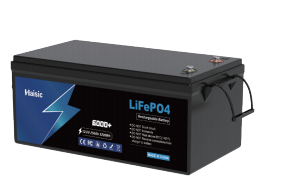
- العمر الافتراضي: توفر بطاريات LiFePO4 باستمرار أكثر من 6,000 دورة عند 80٪ عمق التفريغ (DoD)، في حين أن بطاريات NMC النموذجية غالبًا ما تتحلل بعد 2000-3000 دورة.
- السلامة: التركيب الكيميائي لـ LFP غير قابل للاحتراق بطبيعته. لا يطلق الأكسجين أثناء الأحداث الحرارية، مما يزيل فعليًا خطر الهروب الحراري - وهو عامل أمان حاسم للأنظمة المثبتة في المنازل أو المرائب.
الاستقرار الحراري للتركيبات السكنية
إدارة درجة الحرارة هي القاتل الصامت لكفاءة البطارية. تتميز كيمياء LiFePO4 بنطاق درجة حرارة تشغيل أوسع واستقرار حراري فائق مقارنة بغيرها بطارية ليثيوم أيون للطاقة الشمسية خيارات. هذا يجعل LFP الخيار المفضل للتركيبات الداخلية حيث السلامة لها أهمية قصوى. تم تصميم أنظمتنا للعمل بكفاءة دون أنظمة التبريد النشطة المعقدة التي تتطلبها غالبًا الكيمياء المتقلبة، مما يبسط الصيانة ويقلل من نقاط الفشل.
معيار هايسك: LiFePO4 عالي الجودة
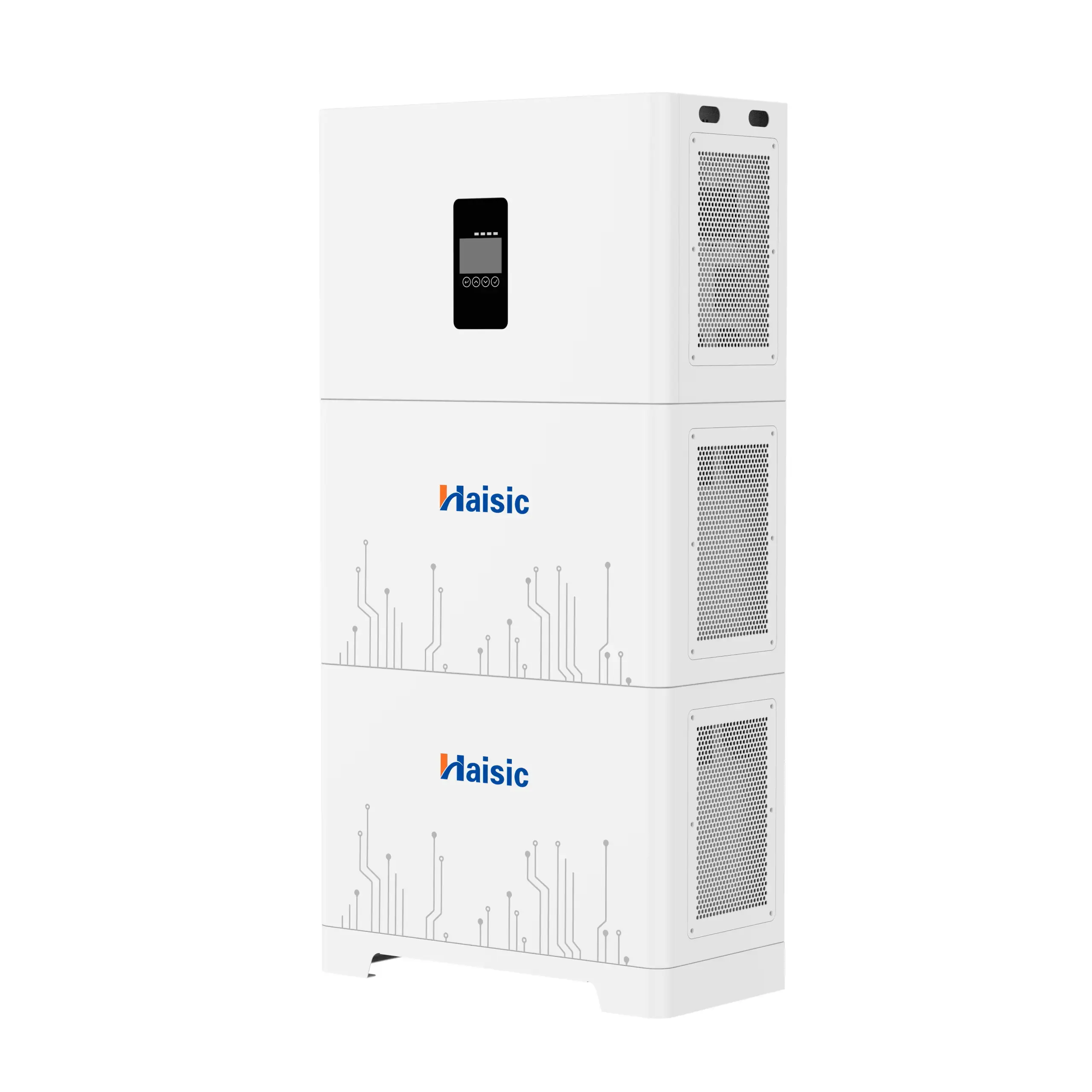
At Haisic, we don\’t compromise on cell quality. We exclusively utilize automotive-grade LiFePO4 cells for our أنظمة بطاريات 51.2 فولت. سواء كنت تبحث عن وحدات مثبتة على الحائط أو وحدات نمطية قابلة للتركيب على الرف، فإن كل منتج مبني على أساس من السلامة والتحمل. من خلال إعطاء الأولوية لكيمياء LFP عالية الجودة، فإننا نضمن أن انتقالك إلى تخزين الطاقة الشمسية هو استثمار طويل الأجل، وليس تجربة قصيرة الأجل.
اقتصاديات طول العمر: دورة الحياة وعائد الاستثمار
عند التقييم بطارية ليثيوم أيون للطاقة الشمسية system, the initial sticker price is often the most misleading metric. As manufacturers, we look at the long-term value, specifically focusing on the \”Levelized Cost of Storage\” (LCOS). This calculation reveals the true cost of every kilowatt-hour you store and retrieve over the battery\’s entire lifespan.
فهم دورة الحياة: الميزانية مقابل الدرجة الاحترافية
لم يتم إنشاء جميع كيمياء الليثيوم على قدم المساواة. قد توفر بطارية قياسية من الدرجة الاستهلاكية 2000 إلى 3000 دورة قبل أن تتدهور سعتها بشكل كبير. في المقابل، درجة احترافية ليثيوم فوسفات الحديد (فوسفات حديد الليثيوم) تم تصميم الأنظمة لتحقيق التحمل.
في هايسك، بطارية شمسية ليثيوم حلولنا مصنفة لـ 6000+ دورة شحن. هذه المدة الطويلة تغير بشكل أساسي اقتصاديات استثمارك:
- بطارية اقتصادية: يتم استبدالها كل 5-7 سنوات.
- LiFePO4 احترافية: تعمل لمدة 15+ سنة.
من خلال الاستثمار في تكنولوجيا الدورة العالية، فإنك تقوم بشكل فعال بتثبيت سعر طاقة أقل لأكثر من عقد من الزمان، وتتجنب التضخم وتكاليف الاستبدال المرتبطة بالبدائل الأرخص.
معامل الكفاءة 95%: منع تسرب الطاقة
الكفاءة هي هامش الربح الخفي في تخزين الطاقة الشمسية. تقيس كفاءة الذهاب والإياب مقدار الطاقة التي تحصل عليها مقارنة بالمقدار الذي تضعه. غالبًا ما تهدر تقنيات الرصاص الحمضية القديمة 15-20% من الطاقة المحصودة على شكل حرارة.
تهدف أنظمة الليثيوم الحديثة إلى معيار أعلى بكثير. توفر خلايا LiFePO4 عالية الجودة كفاءة ممتازة في الذهاب والإياب، وغالبًا ما تتجاوز 95% على مستوى الخلية. هذا يعني أن كل واط تقريبًا تولده الألواح الشمسية الخاصة بك يتم التقاطه وإتاحته للاستخدام. بالنسبة للاحتياجات السكنية أو التجارية الأكبر، أنظمتنا المكدسة عالية الجهد utilize high-voltage connections to further reduce current transmission losses, ensuring that your solar harvest isn\’t lost to \”energy leakage\” before it even powers your home.
الإدارة الذكية: دور نظام إدارة البطارية المتكامل
نظام عالي الأداء بطارية ليثيوم أيون للطاقة الشمسية يتطلب الإعداد أكثر من مجرد كيمياء متميزة؛ إنه يحتاج إلى عقل متطور. في هايسك، نقوم بتصميم حلول تخزين الطاقة لدينا نظام إدارة البطارية (BMS) يعمل كوحدة تحكم مركزية للطاقة الخاصة بك. هذه الوحدة المتكاملة هي الفرق بين البطارية التي تفشل قبل الأوان والبطارية التي توفر طاقة موثوقة لأكثر من عقد من الزمان.
عقل البطارية
نظام إدارة البطارية هو خط الدفاع الأول الخاص بك. يراقب باستمرار المعلمات الهامة مثل الجهد والتيار ودرجة الحرارة الداخلية. إذا اكتشف النظام أي حالات شاذة - مثل الشحن الزائد المحتمل أو التفريغ العميق أو ماس كهربائي - فإنه يتدخل على الفور لقطع الدائرة وحماية الأجهزة. هذا المستوى من الحماية قياسي عبر خطوطنا السكنية والتجارية، مما يضمن بقاء استثمارك آمنًا من الأعطال الكهربائية والمخاطر الحرارية.
الخوارزميات الذكية وموازنة الخلايا
يتم تحديد طول العمر من خلال مدى جودة عمل الخلايا الفردية داخل العبوة معًا. يستخدم نظام إدارة البطارية الخاص بنا خوارزميات ذكية لأداء موازنة الخلية النشطة في الوقت الفعلي.
- شحن موحد: يضمن وصول كل خلية إلى الشحن الكامل في وقت واحد، مما يمنع الخلايا الضعيفة من خفض السعة الإجمالية للنظام.
- عمر افتراضي ممتد: من خلال تقليل الضغط على المكونات الفردية، فإننا نزيد من عمر الدورة الكاملة نظام بطارية شمسية LiFePO4, ، مما يساعدك على تحقيق أكثر من 6000 دورة مصنفة.
- الكفاءة: يعمل على تحسين تدفق الطاقة لتقليل الفاقد أثناء عملية الشحن والتفريغ.
المراقبة عن بعد عبر إنترنت الأشياء
يجب أن يوفر تخزين الطاقة الحديث شفافية كاملة. تتميز أنظمتنا بتكامل إنترنت الأشياء، مما يسمح لك بتتبع حصاد الطاقة واستهلاكها مباشرةً عبر الهاتف الذكي أو جهاز الكمبيوتر. يمكنك عرض بيانات في الوقت الفعلي عن حالة الشحن (SOC) وحالة الصحة (SOH)، مما يمنحك القدرة على إدارة استخدام الطاقة بكفاءة من أي مكان في العالم.
قابلية التوسع وتصميم النظام: إيجاد ما يناسبك تمامًا
عند تصميم نظام للطاقة الشمسية، نادرًا ما يناسب مقاس واحد الجميع. يكمن جمال التكنولوجيا الحديثة بطارية ليثيوم أيون للطاقة الشمسية في تصميمها المعياري. سواء كنت تقوم بتشغيل منزل لعائلة واحدة أو منشأة صناعية كبيرة، فقد صممنا أنظمتنا لتنمو جنبًا إلى جنب مع احتياجاتك من الطاقة.
الحلول السكنية: مثبتة على الحائط مقابل قابلة للتكديس
بالنسبة لأصحاب المنازل، غالبًا ما تكون الجماليات مهمة بقدر أهمية الأداء. نحن نقدم شكلين أساسيين لتناسب بيئات التثبيت المختلفة:
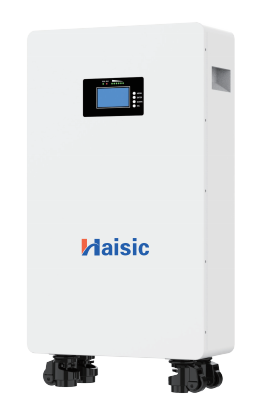
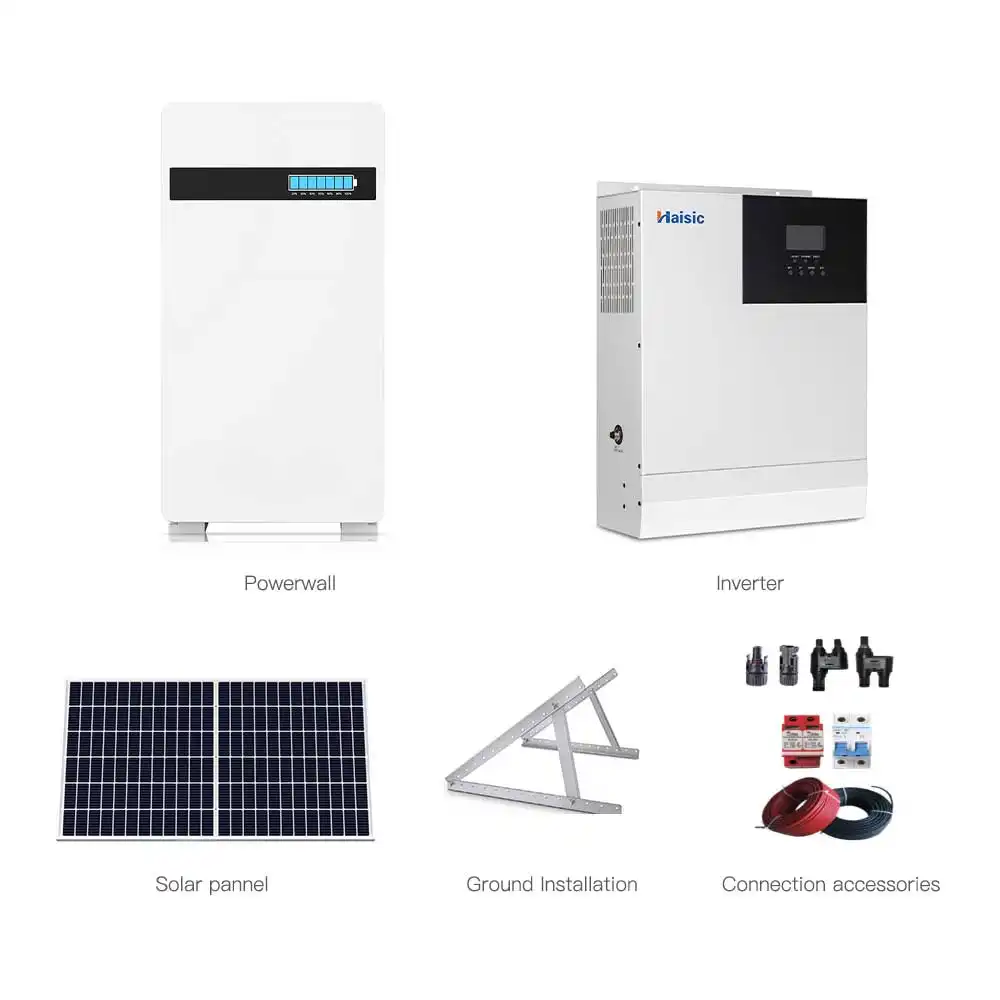
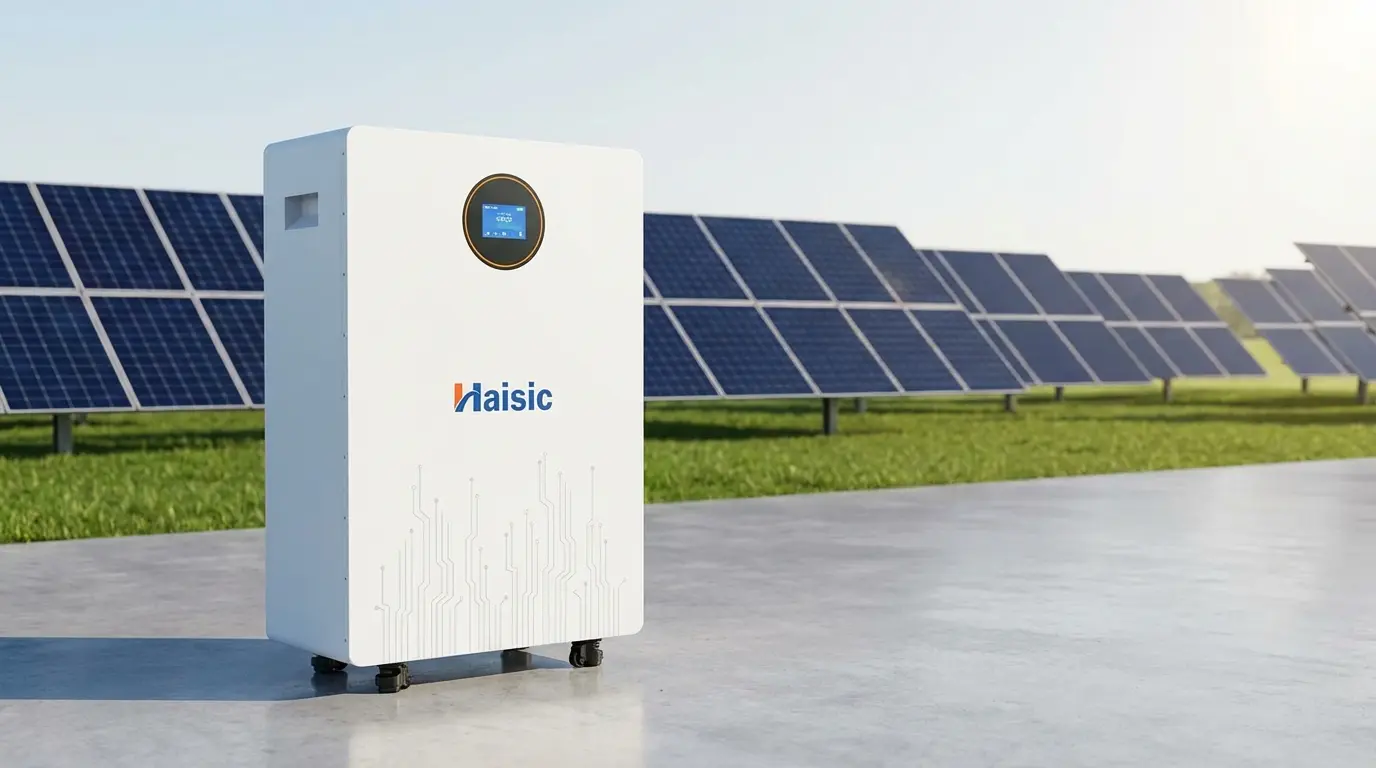
- الوحدات الجدارية: مثالية للجراجات أو غرف المرافق حيث تكون مساحة الأرضية محدودة. توفر هذه الوحدات، مثل سلسلة PowerWall الخاصة بنا، مظهرًا أنيقًا وصغير الحجم مع توفير تخزين قوي للطاقة.
- تصاميم معيارية قابلة للتكديس: إذا كنت تتوقع زيادة استهلاكك للطاقة - ربما بسبب شراء سيارة كهربائية أو توسيع المنزل - فإن أنظمتنا القابلة للتكديس هي الخيار الأفضل. يمكنك البدء بوحدة أساسية 5 كيلو وات في الساعة أو 10 كيلو وات في الساعة وتكديس وحدات إضافية بسهولة لزيادة السعة دون إعادة توصيل النظام بأكمله.
تطبيقات C&I: طاقة مثبتة على الرف
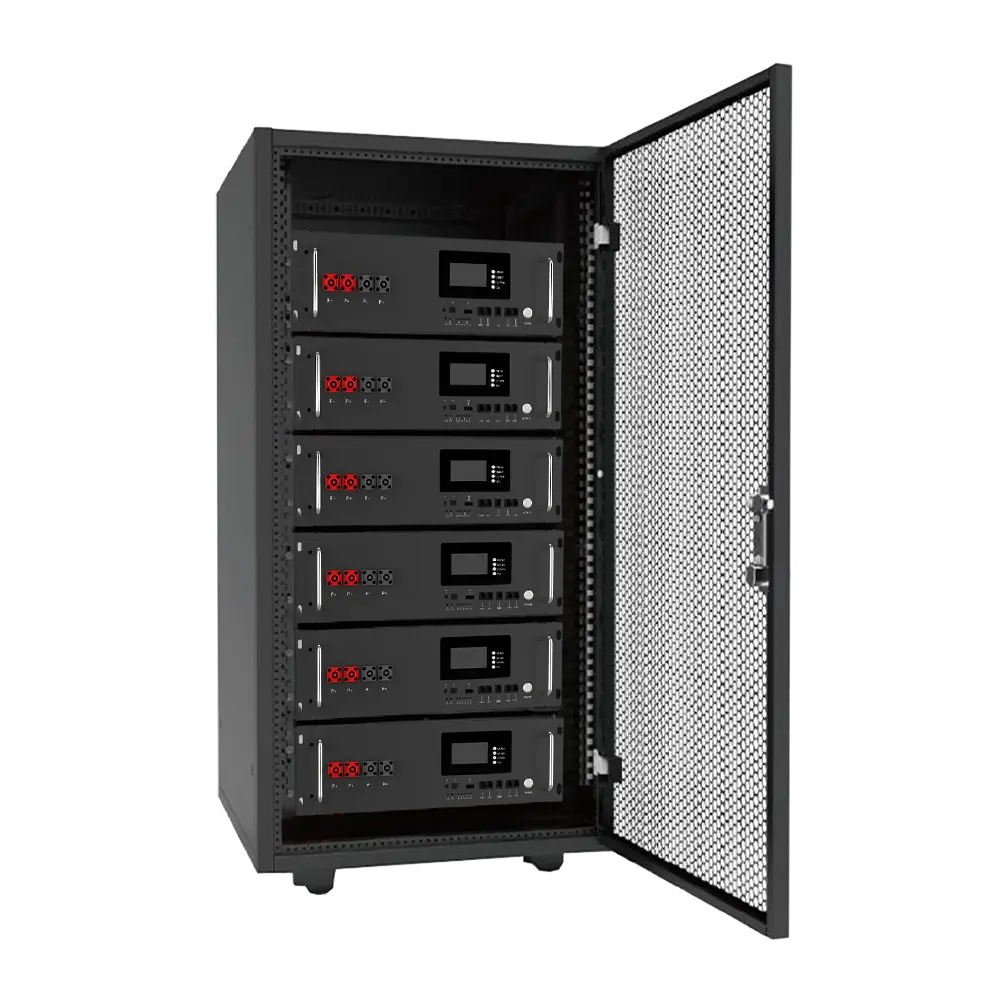
بالنسبة للقطاعات التجارية والصناعية (C&I)، تترجم قابلية التوسع بشكل مباشر إلى توفير في التكاليف. لدينا رفوف مثبتة بطارية ليثيوم أيون للطاقة الشمسية تم تصميم الأنظمة لخوادم قياسية، مما يسمح للشركات ببناء بنوك طاقة ضخمة بكفاءة.
هذه الأنظمة حاسمة لاستراتيجيات مثل التوفير في الذروة، حيث تقوم بتفريغ طاقة البطارية خلال ساعات التعرفة المرتفعة لتقليل رسوم الطلب. ندعم الاتصالات المتوازية التي تسمح لهذه الأنظمة بالتوسع من 50 كيلوجرام ساعة إلى حلول حاويات بمستوى ميغاواط، مما يوفر الطاقة الثقيلة المطلوبة للتصنيع أو العمليات واسعة النطاق.
توافق المحول بدون فجوات
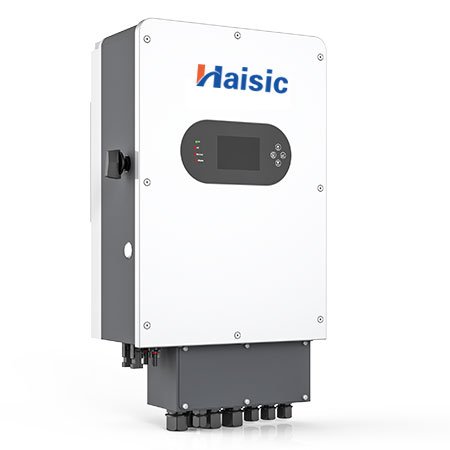
البطارية لا تكون جيدة إلا بقدرتها على التواصل مع بقية نظامك. نضمن أن بطارية ليثيوم لتخزين الطاقة الشمسية يتكامل بسلاسة مع محولات الطاقة الشمسية الهجينة الكبرى.
يدعم نظام إدارة البطارية (BMS) لدينا بروتوكولات اتصال متعددة (CAN/RS485/RS232)، مما يضمن توافقًا سهلاً مع علامات تجارية عالية المستوى للمحولات. يسمح هذا الاتصال السلس للمحول بقراءة حالة شحن البطارية بدقة، مما يحسن دورات الشحن ويحمي استثمارك من اليوم الأول.
إرشادات التركيب والسلامة لعام 2026
عند نشر بطارية ليثيوم أيون للطاقة الشمسية نظام، السلامة والمرونة البيئية تعتبران بنفس أهمية السعة. نحن لا نبني البطاريات فقط لتخزين الطاقة؛ نحن نصممها لتبقى على قيد الحياة في ظروف العالم الحقيقي حيث يتم تركيبها، من الكراجات السكنية إلى المواقع الصناعية.
تصنيفات IP65: أهمية مقاومة الطقس
ليس كل تركيب يحدث في غرفة محكومة بالمناخ. بالنسبة لأصحاب المنازل والشركات الذين يضعون المعدات في مساحات شبه خارجية أو بيئات مغبرة، فإن حماية الدخول لا تقبل التفاوض.
- حماية من الغبار: صناديقنا محكمة الإغلاق لمنع تراكم الغبار على الدوائر الداخلية، مما قد يسبب دوائر قصيرة مع مرور الوقت.
- مقاومة الرطوبة: بتصاميم مصنفة IP65 لمحولات الطاقة الشمسية الهجينة وبتصنيفات IP54 القوية للخزائن التجارية، تتحمل أنظمتنا الرطوبة ورش الماء. تضمن هذه المتانة بقاء استثمارك آمنًا، حتى لو لم تكن بيئة التركيب مثالية.
موثوقية عالية الجودة UPS: معيار 4 مللي ثانية
البطارية الشمسية لا تكون جيدة إلا بقدرتها على الاستجابة خلال انقطاع التيار. تقدم أنظمتنا المتكاملة سرعة انتقال أقل من 4 مللي ثانية. هذا أداء من مستوى UPS، مما يعني أنه عند فشل الشبكة، تظل أجهزتك الحيوية—الحواسيب، المعدات الطبية، وأجهزة التوجيه Wi-Fi—مستمرة في العمل بدون إعادة ضبط. تحقق استمرارية سلسة، مع الانتقال من الشبكة إلى طاقة البطارية على الفور.
اعتبارات OEM/ODM المهنية
بالنسبة للموزعين الذين يتطلعون إلى التوسع، فإن الشراكة مع المصنع المناسب هي أكبر بروتوكول أمان على الإطلاق. ندير قاعدة إنتاج بمساحة 11,000 متر مربع مع أكثر من 12 سنة من خبرة البحث والتطوير. سواء كنت تنشر وحدة سكنية أو نظام تخزين طاقة البطارية على نطاق واسع, أنت بحاجة إلى شريك يضمن الامتثال. ندعم تصنيعنا بشهادات شاملة مثل UL، CE، و UN38.3، لضمان أن كل وحدة تخرج من مصنعنا تلتزم بمعايير السلامة العالمية الصارمة.
الأسئلة الشائعة (FAQs) حول تخزين الطاقة الشمسية ببطاريات الليثيوم أيون
كم سنة تدوم بطارية الليثيوم الشمسية فعليًا؟
في هيسيك، نقوم بتصميم أنظمتنا لتحمل الزمن، وليس فقط للتخزين المؤقت. وحداتنا من الليثيوم فوسفات الحديد (LiFePO4) مصنفة لـ أكثر من 6000 دورة شحن. من الناحية العملية، إذا قمت بتشغيل البطارية مرة واحدة يوميًا، فإن عمر الخدمة يتجاوز 15 عامًا قبل أن تتدهور السعة بشكل كبير. هذا يتفوق بكثير على البدائل التقليدية من الرصاص الحمضي، مما يجعل العائد على الاستثمار على المدى الطويل في بطارية ليثيوم أيون للطاقة الشمسية إعداد أعلى بكثير.
هل بطاريات الليثيوم فوسفات الحديد (LiFePO4) أكثر أمانًا من بطاريات الليثيوم NMC التقليدية؟
السلامة هي السبب الرئيسي لاختيار كيميائية LiFePO4 على NMC (النيكل والمنغنيز والكوبالت). بطاريات LFP تتمتع باستقرار حراري وكيميائي متفوق. لديها عتبة أعلى بكثير للانفلات الحراري، مما يعني أنها لا تشتعل أو تنفجر تحت درجات حرارة عالية أو ضغط مادي. هذا الاستقرار يجعلها الخيار الأكثر أمانًا للتركيبات الداخلية السكنية والمشاريع التجارية الحرجة.
هل يمكنني إضافة وحدات أكثر إلى نظام البطارية الخاص بي لاحقًا؟
نعم، التوسع هو جزء أساسي من فلسفة تصميمنا. نحن ندرك أن احتياجات الطاقة تتزايد مع مرور الوقت. سواء كنت تستخدم وحداتنا المثبتة على الحائط أو أنظمة الرفوف، فإن نظام إدارة البطارية (BMS) يدعم الاتصالات المتوازية. يمكنك البدء بسعة أصغر وإضافة وحدات أكثر لاحقًا دون استبدال العاكس الخاص بك. لمزيد من التفاصيل حول تكامل النظام، يمكنك قراءة كيف تعمل بطاريات تخزين الطاقة المنزلية في المنزل لرؤية كيف يتناسب التوسع المعياري مع الحياة اليومية.
ما هو العمق المثالي للإفراغ لتعظيم عمر البطارية؟
أحد المزايا الضخمة لـ A بطارية ليثيوم أيون لتخزين الطاقة الشمسية هو السعة القابلة للاستخدام. على عكس بطاريات الرصاص الحمضي، التي لا ينبغي تفريغها أقل من 50%، يمكن لأنظمة LiFePO4 لدينا التعامل بأمان مع عمق إفراغ (DoD) يصل إلى 80% إلى 90% daily. This allows you to utilize nearly all the energy you store without shortening the battery\’s lifespan.