
What Can a 20 kWh Solar System Actually Power?
If you are tired of unpredictable power cuts or surging energy tariffs, you are probably wondering what a 20 kWh solar system can genuinely handle. We manufacture and supply these residential energy storage systems (ESS), so let me give you the reality of what 20 kWh means for your daily life, without the confusing technical jargon.
To put it simply, the average household consumes roughly 8 to 10 kWh of electricity per day. This means a fully charged 20kWh home battery backup holds enough usable energy to run a standard home for about two whole days, completely independent of the grid.
Whole House Battery Backup: Appliance Breakdown
When the grid goes down, you need to know exactly which appliances will stay online. Here is what a high-capacity 20 kWh solar system supports during an outage:
| Appliance | Power Draw (Approx.) | How a 20 kWh System Handles It |
|---|---|---|
| Refrigerators & Freezers | 100W – 400W | Runs continuously for days, ensuring you never lose hundreds of pounds in spoiled food. |
| HVAC / Heat Pumps | 3,000W+ | Can run intermittently for several hours to keep your home\’s climate comfortable. |
| Water Pumps | 700W – 1,500W | Powers well pumps effortlessly so you never lose running water or flushing toilets. |
| LED Lighting & WiFi | 50W – 100W | Barely makes a dent. Keeps your home bright and connected indefinitely. |
| Electric Vehicles (EV) | 7,000W (Level 2) | Provides a crucial emergency top-up charge (giving you roughly 60-80 miles of driving range). |
Estimated Backup Duration Based on Load
How long your power lasts depends entirely on what you leave switched on. Here is a realistic look at your backup timeframe based on standard household usage:
- Heavy Load (HVAC, electric oven, EV charging): 10 to 15 hours. Perfect for riding out immediate, short-term power failures without compromising your lifestyle.
- Average Load (Fridge, lights, TV, occasional microwave): 24 to 48 hours. The sweet spot for typical daily living and overnight stability.
- Essential Load (Fridge, router, emergency lighting only): 3 to 5 days. Ideal for prolonged winter storms or severe, multi-day grid infrastructure failures.
By installing a 20 kWh solar system, you stop worrying about when the power will come back on—because your house never lost it in the first place.
Who Needs a 20 kWh Solar System?
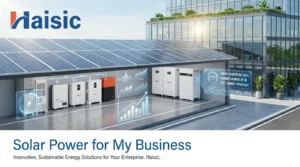
As an energy storage manufacturer, we know that a 20 kWh solar system is not just a luxury—it is a practical necessity for properties with serious energy demands. With rising energy costs across the UK and unpredictable weather frequently putting strain on the National Grid, having substantial backup capacity fundamentally changes how you manage your power.
Here is exactly who benefits most from upgrading to a high-capacity setup:
- Large Residential Properties: Big family homes naturally draw a lot of power. If you are running heat pumps, electric ovens, underfloor heating, or EV chargers, standard storage quickly falls short. Installing a robust residential solar battery system provides genuine whole house battery backup, easily handling your high baseline demands and multiple power-hungry appliances at once.
- Off-Grid Living: For remote rural properties or cabins aiming for 100% self-sufficiency, a 20kWh home battery backup is strictly non-negotiable. It serves as the reliable engine of an off-grid solar power system, storing enough vital energy during our short British winter days to carry you comfortably through the long, dark nights.
- Areas Prone to Power Outages: If you live at the end of the line or in a region vulnerable to storm damage, relying entirely on the grid is a massive risk. A dependable lithium-ion battery for solar power storage ensures your heating, lighting, and refrigeration stay perfectly operational when the local network inevitably drops out.
- Commercial & Industrial Applications: Small businesses simply cannot afford operational downtime. A 20 kWh residential energy storage system (ESS) scales perfectly for light commercial use, supplying critical lithium iron phosphate backup power to keep your servers, security systems, and tills running without skipping a beat.
This level of heavy-duty storage guarantees you are not just generating clean energy, but actually keeping it to use on your own terms.
The Heart of the System: Why Storage Matters More Than Ever
Relying purely on solar panels creates a simple problem: if you do not use the power exactly when it is generated, you lose it. In the UK, exporting surplus daytime energy back to the national grid rarely provides a decent financial return compared to the high cost of buying electricity during peak evening hours. To achieve genuine solar self-sufficiency, a 20 kwh solar system requires a robust storage solution to capture and hold that excess energy.
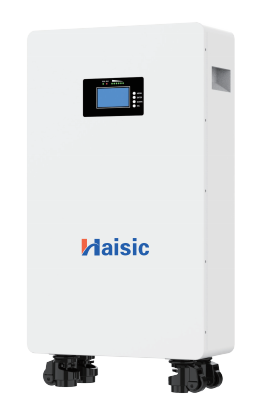
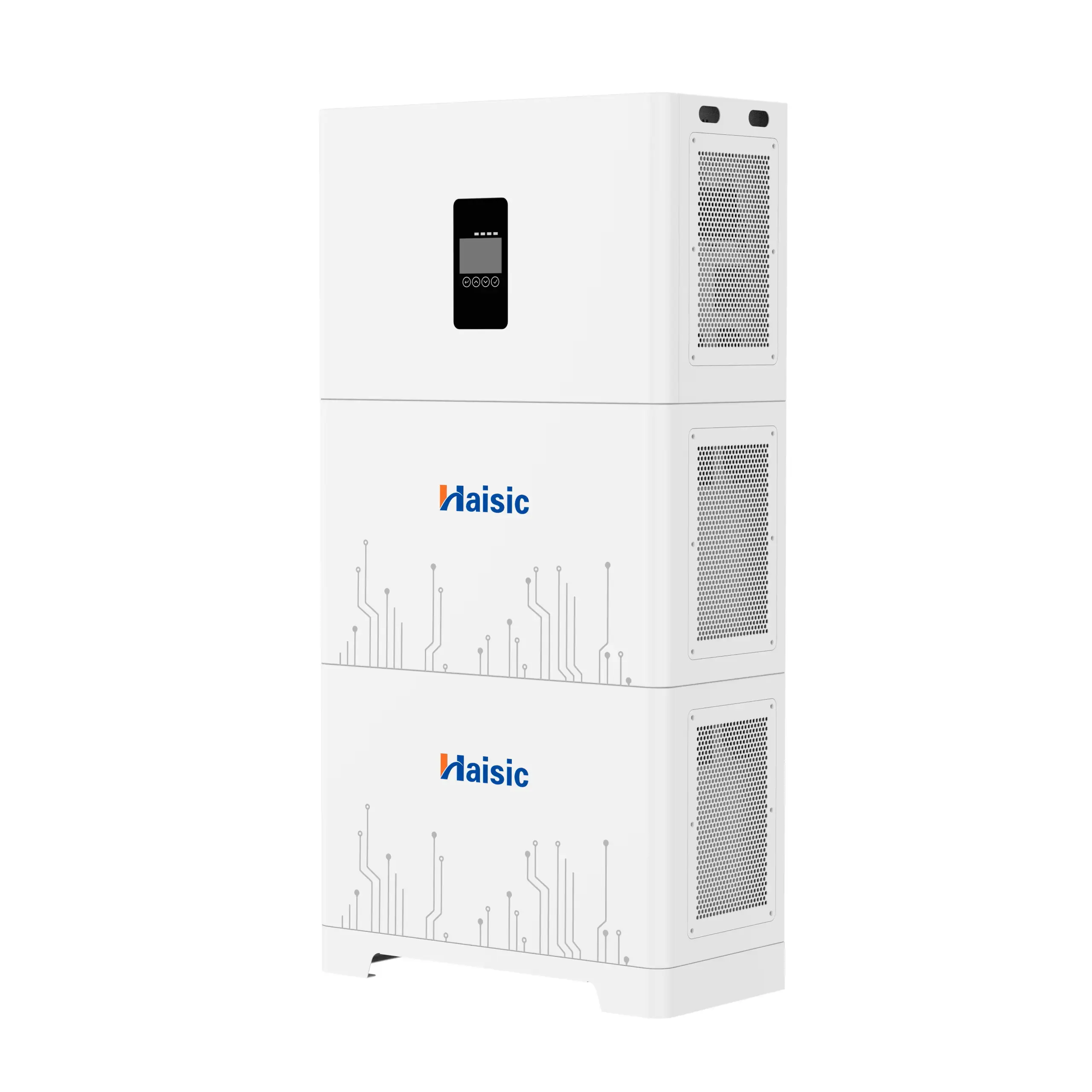
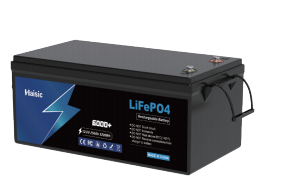
Haisic 51.2V 20kWh LiFePO4 Home Energy Storage System
As a dedicated energy storage manufacturer, we engineered the Haisic 51.2V 20kWh LiFePO4 Home Energy Storage System to be the reliable backbone of your power setup. Whether you are aiming to go entirely off-grid or simply shield your home from rising energy tariffs, this residential energy storage system (ESS) ensures your power stays under your control. If you are upgrading your property and looking into a reliable new battery energy storage system, our 20kWh unit delivers the performance needed for unpredictable UK weather.
Here is exactly what makes our high capacity solar storage system work:
- Safest Battery Chemistry: We build our units using Lithium Iron Phosphate (LiFePO4). It is universally recognised as the safest, most thermally stable lithium technology available, providing a highly efficient deep cycle solar battery without the fire risks associated with older battery types.
- Decades of Longevity: The true value of a battery lies in its lifespan. Our 51.2V solar battery is rated for 6,000+ charge cycles. In real-world terms, that delivers well over 15 years of daily charging and discharging without any massive drop in holding capacity.
- Intelligent Smart Tech: An advanced Battery Management System (BMS) serves as the central brain of the unit. The BMS continuously optimises energy flow, balances the internal cells, and strictly protects the battery from overcharging, deep depletion, and extreme temperature fluctuations.
Cost-Effectiveness and Long-Term ROI
When investing in a 20 kWh solar system, it is easy to fixate on the initial price tag. However, to understand the genuine value of your investment, we always advise looking closely at the Total Cost of Ownership (TCO) over the system\’s entire lifetime. The upfront cost is only a small part of the financial picture.
Breaking Down the True Cost
- Beating Peak Utility Rates: UK energy tariffs heavily penalise evening usage. A 20kWh home battery backup allows you to seamlessly switch to stored power during these expensive peak hours, slashing your monthly electricity bills.
- Maximising Solar Self-Consumption: Why export your daytime solar generation to the grid for pennies on the pound? A high capacity solar storage setup lets you capture that surplus energy, ensuring your home runs on free power even after the sun sets.
- Understanding TCO: Whether you are calculating the baseline 12kw solar system with battery storage cost or scaling up to a robust 20 kWh setup, the larger capacity frequently delivers a faster Return on Investment (ROI) by almost entirely eliminating your reliance on the national grid.
The Financial Advantage of Modern Chemistry
Traditional lead-acid batteries and older lithium models simply cannot compete with modern LiFePO4 energy storage when it comes to your wallet.
- Zero Maintenance: Unlike older technologies that require regular fluid top-ups and strict ventilation, our modern batteries are entirely fit-and-forget.
- Prolonged Lifespan: Delivering 6,000+ charge cycles means you will not be facing the cost of replacement batteries every five to seven years.
- Consistent Value: Integrating premium residential solar energy storage protects your property from rising energy costs for well over a decade.
By shifting your focus from the immediate 20kw solar battery cost to the daily savings and long-term reliability, the financial case for a high-quality 20 kWh setup becomes undeniable.
Safety Standards and Reliability
When investing in a 20 kWh solar system, safety is simply non-negotiable. British households and businesses need complete confidence that their residential energy storage system (ESS) is secure, stable, and built to last. Certifications are the only real proof that a supplier has met strict, independent testing standards rather than just making empty promises.
As an established energy storage manufacturer, we back up our systems with serious infrastructure. Our operations are housed in a cutting-edge 11,000m² manufacturing facility, driven by over 15 years of R&D engineering expertise. Whether you require a standard 20kWh home battery backup or a bespoke OEM/ODM solar battery solution, we ensure absolute reliability from the factory floor to your property.
Essential Battery Certifications
Before installing any high capacity solar storage unit, always verify that the product carries these crucial credentials:
- ISO9001: Ensures consistent, high-quality management processes during manufacturing.
- CE: Confirms the system meets strict health, safety, and environmental protection standards required for the UK and European markets.
- FCC: Verifies that electromagnetic interference is kept well within safe limits.
- RoHS: Guarantees the hardware is completely free from hazardous, restricted materials.
- UN38.3: The mandatory safety certification for the rigorous testing and safe transport of lithium batteries.
Integrating Your 20 kWh Solar System
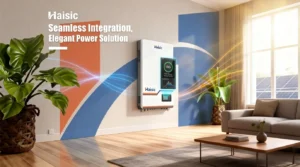
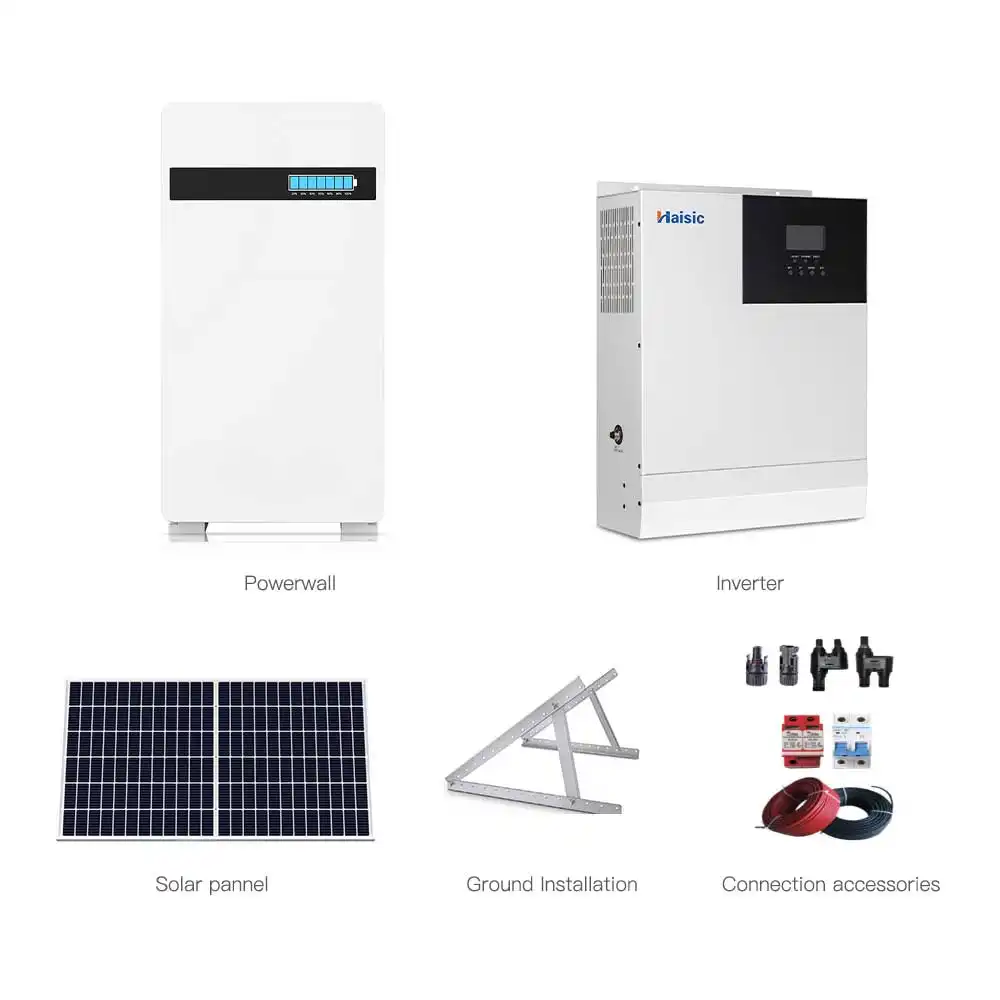
Adding a 20 kWh solar system to your property is straightforward, whether you are retrofitting an existing array or building a setup from scratch. As a manufacturer, we design our units to connect seamlessly with modern UK infrastructure.
Solar Hybrid Inverter Compatibility
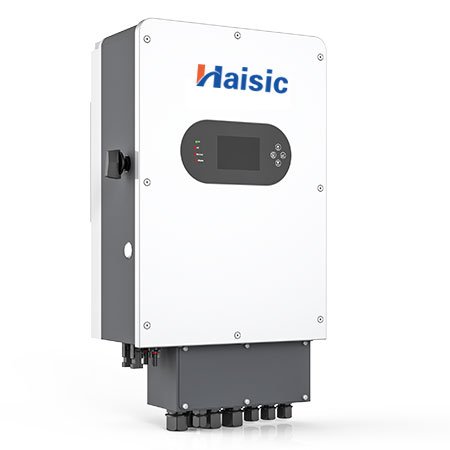
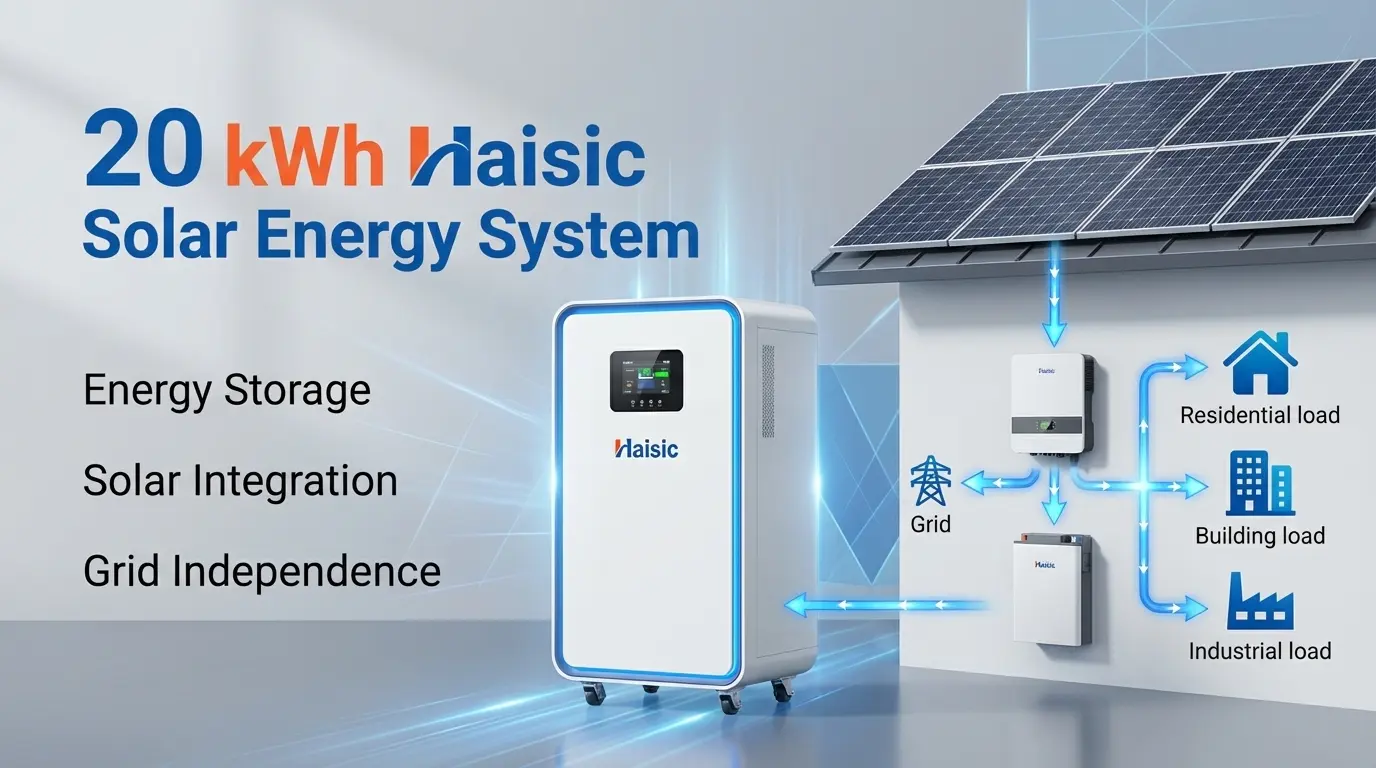
The key to a smooth installation is solar hybrid inverter compatibility. The inverter serves as the brain of your setup, directing power between your solar panels, the battery, and the National Grid.
- Existing setups: If you already have panels on your roof, you simply need to verify that your current inverter can handle two-way DC/AC power flows.
- New installations: We recommend pairing your new system with a dedicated hybrid inverter to maximise your energy harvest. Integrating reliable battery storage for home ensures you capture every bit of solar energy generated during those brief British sunny spells.
Space and Installation Requirements
A residential energy storage system (ESS) of this capacity holds a lot of power, but the physical footprint remains highly manageable. Here is what you need to plan for:
- Residential Homes: You will need a dry, well-ventilated area such as a garage or utility room. The unit\’s size is roughly equivalent to a tall, slim fridge. Many systems offer modular stacking or wall-mounting options to preserve floor space in smaller UK properties.
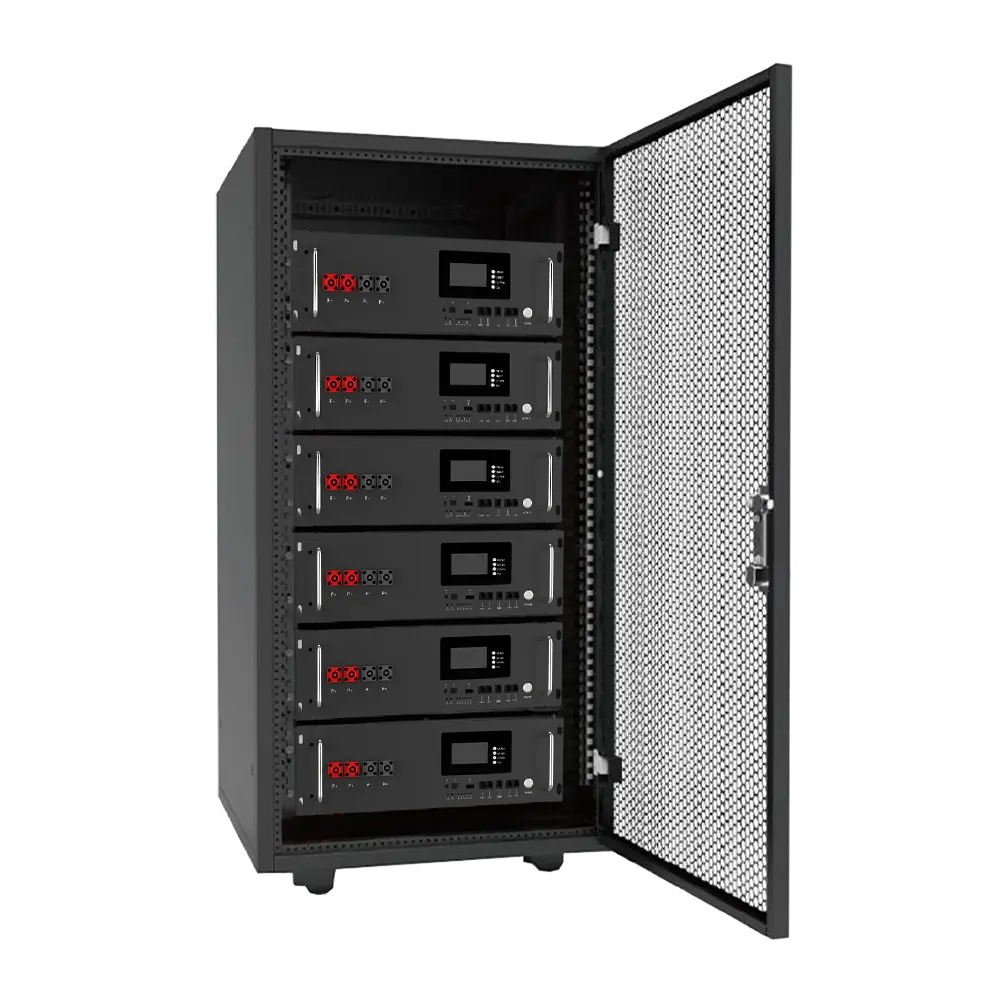
- Commercial Spaces: For business premises, 51.2V solar battery units can easily be banked together in a dedicated plant or server room. While space is usually less restricted, installing the units with clear front access is essential for straightforward maintenance and scaling.
FAQs: Your 20 kWh Solar System Questions Answered
How many panels charge a 20 kWh solar system?
Generating enough power heavily depends on our unpredictable UK weather. Generally, you need a 5kW to 6kW solar array to fully charge a 20kWh home battery backup in a single sunny day. That is roughly 12 to 15 standard 400W solar panels. In the darker winter months, you will likely need to top up the battery overnight using cheaper off-peak grid tariffs.
Can it run a heat pump or central AC off-grid?
Yes, it can. While central AC is less common here, a heavy electrical load like a modern air-source heat pump or aircon unit draws roughly 3kW to 4kW per hour. A robust 20 kwh solar system handles these heavy loads comfortably, keeping them running for 4 to 6 hours during a grid outage.
What is the lifespan of a LiFePO4 battery?
When you install a premium China energy storage system built with Lithium iron phosphate (LiFePO4) chemistry, you secure market-leading longevity. We build our batteries to deliver over 6,000 charge cycles. If your household cycles the battery fully once a day, that translates to more than 15 years of reliable daily service without significant capacity degradation.
Is 20 kWh enough for total off-grid living?
For an energy-efficient UK property, 20 kWh is a massive step towards total solar self-sufficiency. A complete off-grid solar power system of this size covers daily cooking, lighting, and standard electronics effortlessly. However, if you run multiple heavy-draw appliances, charge an electric vehicle, or rely entirely on electric heating through the dark winter months, you may need to scale up your residential energy storage system (ESS) or add a backup generator.