

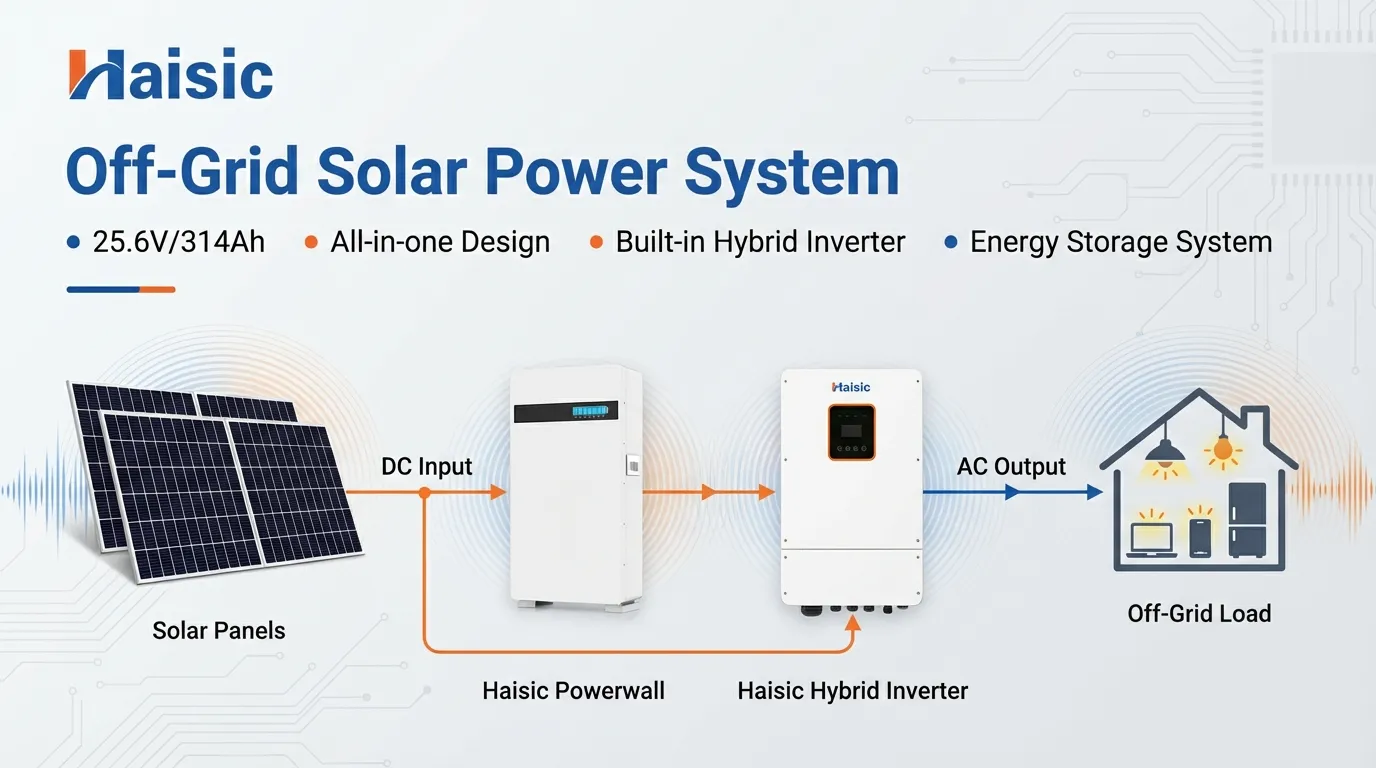
How an Off-Grid Solar Power System Actually Works
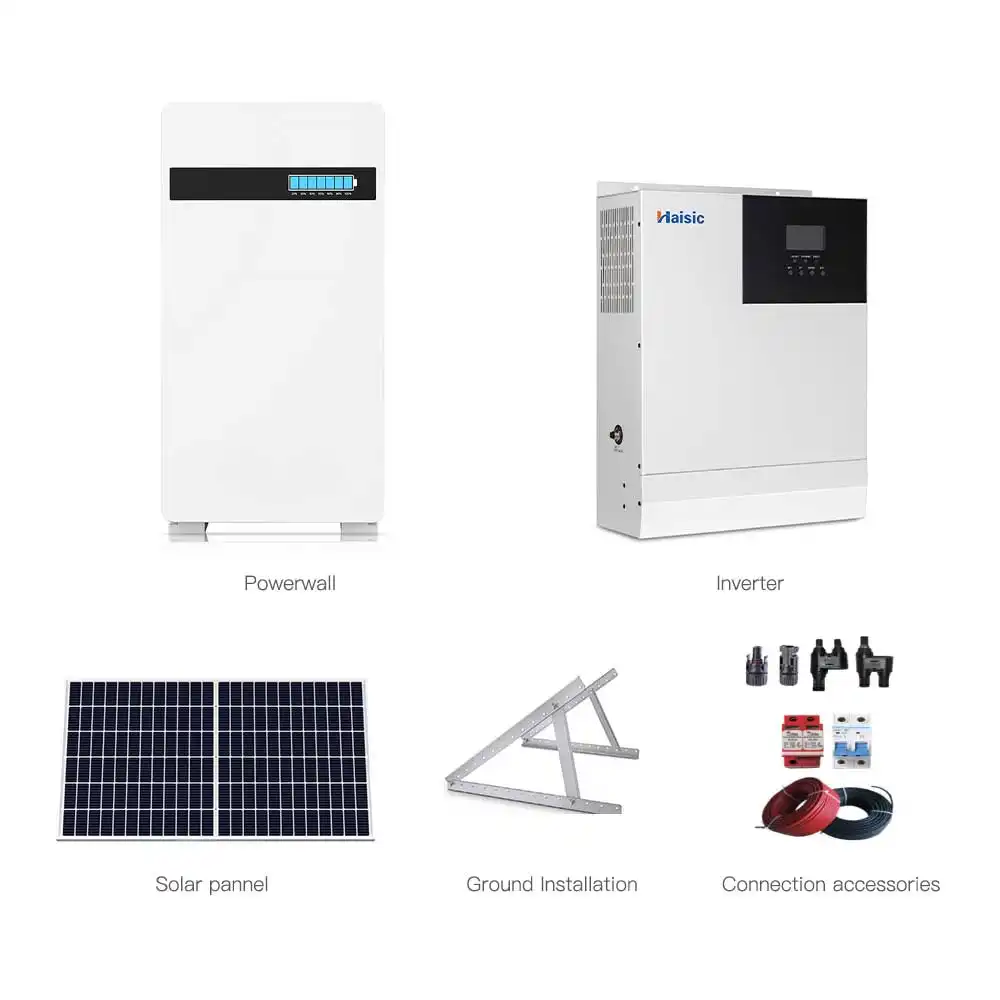
When we talk about an off grid solar power system, we aren\’t just talking about slapping some glass panels on a roof. We are building a self-sufficient ecosystem. A true stand-alone photovoltaic system operates independently of the utility grid, meaning you are your own power plant. The goal is simple: capture energy when it\’s available, store it efficiently, and deliver it reliably when you flip a switch.
The Energy Flow: From Sun to Socket
Understanding the journey of a single electron in your system helps demystify the tech. Here is the step-by-step breakdown of how raw sunlight becomes usable electricity:
- Generation (The Source): Sunlight hits your solar array, exciting electrons and creating Direct Current (DC) electricity.
- Regulation (The Gatekeeper): This raw power flows into the 太阳能充电控制器. This component is critical. It regulates the voltage and current coming from the panels to match what your batteries can handle. Without this, you risk overcharging and destroying your storage.
- Storage (The Tank): The regulated power fills your battery bank. This is your reservoir for the night and cloudy days.
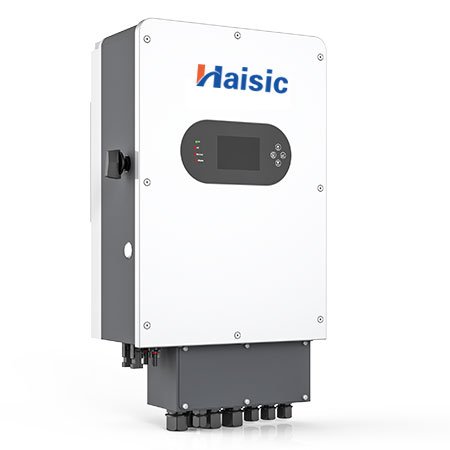
- Inversion (The Translation): Since most home appliances run on Alternating Current (AC), the energy moves from the battery to the inverter, which converts DC to AC.
- Consumption (The Load): Finally, the power reaches your breaker panel and powers your lights, fridge, or laptop.
Why the Battery Bank is the Real Hero
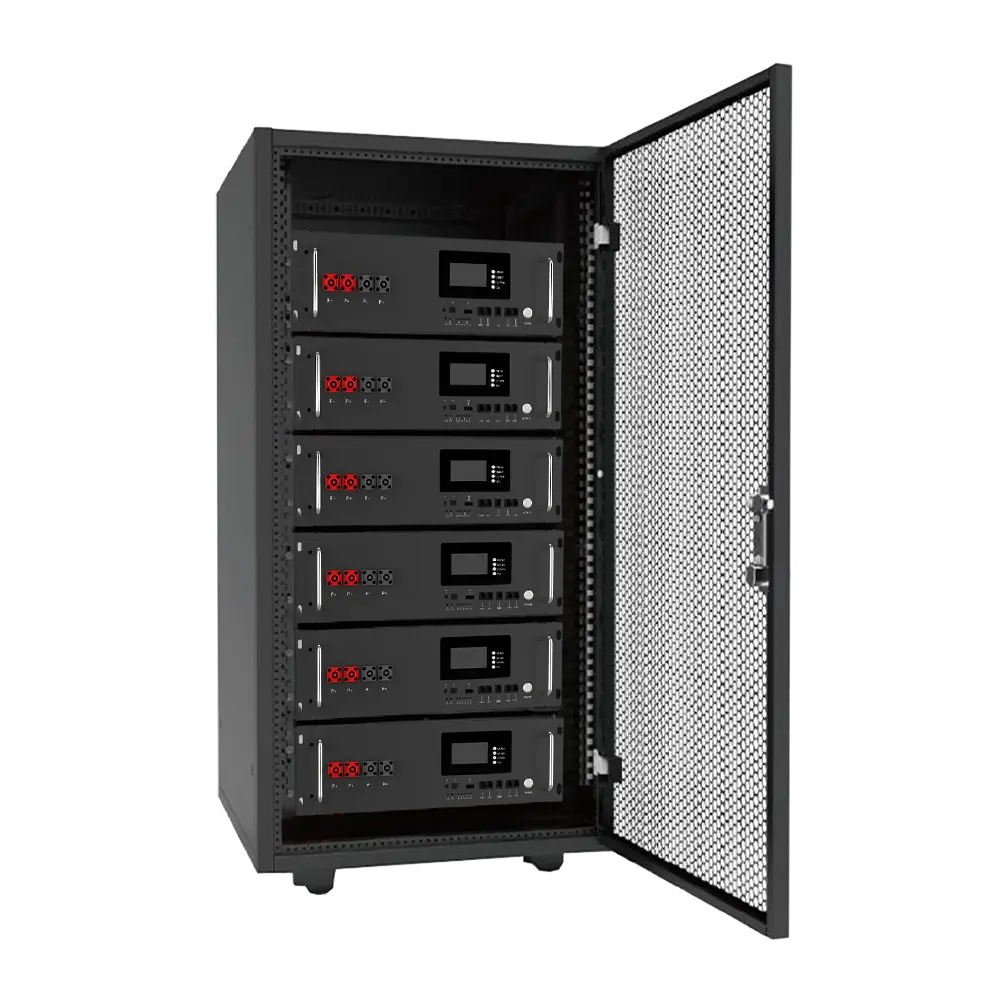
Solar panels often get all the glory, but in an off grid solar electric system, the battery bank is the backbone. The sun doesn\’t shine 24/7, but your need for power often does.
- Bridging the Gap: 你的 LiFePO4电池储存 or lead-acid bank stores energy generated at noon so you can brew coffee at 6 AM the next day.
- System Stability: A properly sized battery bank stabilizes the voltage for your inverter, ensuring sensitive electronics don\’t crash.
- Protection by the Controller: The health of this \”hero\” relies entirely on the charge controller. As detailed in technical specifications, the controller prevents 过充电 (which causes gassing and explosions in older battery types) and over-discharging (which kills battery lifespan).
By prioritizing high-quality 能源存储解决方案, you ensure that your off the grid solar system is not just a daytime hobby, but a reliable utility replacement.
Essential Components: The Hardware You Need
构建一个可靠的 off grid solar power system requires selecting components that work seamlessly together. We don\’t just throw parts together; we engineer a balance between energy harvest and storage capacity. The hardware you choose dictates the efficiency, safety, and longevity of your entire setup.
cURL Too many subrequests.
cURL Too many subrequests.
- cURL Too many subrequests. cURL Too many subrequests.
- 多晶硅: cURL Too many subrequests.
cURL Too many subrequests.
cURL Too many subrequests.
cURL Too many subrequests.
cURL Too many subrequests. cURL Too many subrequests. cURL Too many subrequests.
- cURL Too many subrequests. cURL Too many subrequests.
- cURL Too many subrequests. cURL Too many subrequests.
cURL Too many subrequests.
- cURL Too many subrequests. cURL Too many subrequests. 10-30% cURL Too many subrequests.
- cURL Too many subrequests. cURL Too many subrequests.
- cURL Too many subrequests. cURL Too many subrequests.
cURL Too many subrequests.
cURL Too many subrequests., LiFePO4电池储存 cURL Too many subrequests.
cURL Too many subrequests. cURL Too many subrequests. cURL Too many subrequests.
cURL Too many subrequests.
cURL Too many subrequests.
cURL Too many subrequests.
| 特征 | cURL Too many subrequests. | cURL Too many subrequests. |
|---|---|---|
| 波形 | cURL Too many subrequests. | cURL Too many subrequests. |
| 兼容性 | cURL Too many subrequests. | cURL Too many subrequests. |
| 效率 | 高 | 更低 |
| 成本 | cURL Too many subrequests. | cURL Too many subrequests. |
对于任何 off grid solar power system cURL Too many subrequests. 纯正弦波逆变器 cURL Too many subrequests.
Sizing Your System: The Math Behind the Magic
构建一个可靠的 off grid solar power system isn\’t about guessing; it is about precision. If you undersize your setup, you will be sitting in the dark during the first cloudy week. If you oversize it without a plan, you are wasting money on capacity you will never use. We approach this with a simple three-step calculation to ensure your system handles your real-world needs.
Step 1: Auditing Your Daily kWh Consumption
Before buying a single panel, you must know exactly how much energy your lifestyle demands. This is the foundation of the entire design. We create a load list that details every appliance you plan to run, its wattage, and how many hours per day it operates.
- List every device: Lights, fridge, laptop, water pump, etc.
- Calculate Watt-hours: Multiply the device wattage by the hours used (e.g., a 10W bulb on for 5 hours = 50Wh).
- Sum it up: Add everything together to get your total daily kilowatt-hour (kWh) consumption.
Don\’t cheat on this number. If you think you might add a freezer or power tools later, factor that buffer in now. This total daily requirement dictates the size of everything else in the chain.
Step 2: Calculating Battery Storage for Cloudy Days
The sun doesn\’t shine 24/7, and weather is unpredictable. Your battery bank needs to be large enough to power your home through \”days of autonomy\”—the number of days you can run without any solar input. For most off-grid setups, we recommend planning for at least 2 to 3 days of autonomy.
However, you cannot just match the battery capacity to your usage; you must account for Depth of Discharge (DoD). You never want to drain a battery to 0%.
- 铅酸: Generally limited to 50% usable capacity.
- 锂电池(LiFePO4): Can safely use 80-90% of capacity.
This is why we prefer a high-quality 太阳能储能锂电池, as it allows for a smaller physical footprint with more usable energy. To size this, take your daily kWh consumption, multiply it by your days of autonomy, and then divide by the battery\’s recommended DoD. This ensures your lights stay on even during a winter storm.
Step 3: Sizing the Solar Panel Array
Once you know how much energy you burn and how much storage you need, you have to figure out how to refill that tank. The solar panel array calculation depends heavily on your geographic location and \”Peak Sun Hours\”—not just daylight hours, but the hours where the sun is strong enough to generate maximum power.
- Determine Peak Sun Hours: Look up the average for your specific location (usually between 3 to 5 hours).
- Calculate Required Input: Divide your total daily Wh consumption by your Peak Sun Hours.
- Add Efficiency Buffer: Solar systems have losses due to wiring, heat, and conversion inefficiencies. We always add a 25-30% buffer to the final number.
For example, if you need 3000Wh per day and have 4 peak sun hours, you theoretically need 750W of solar. Adding the 30% buffer brings you to roughly 1000W (1kW) of solar panels. This ensures that even on days with less-than-perfect conditions, your off grid solar power system can fully recharge the battery bank.
Installation and Safety: Don\’t Burn the House Down
构建一个可靠的 off grid solar power system requires more than just connecting wires; it demands strict adherence to safety protocols to prevent fire hazards and equipment failure. We are dealing with high-current DC electricity, which can be unforgiving if managed incorrectly. A proper installation ensures that your investment lasts for decades rather than becoming a safety liability.
Wiring, Fuses, and Breaker Sizes
The most common point of failure in a stand-alone photovoltaic system is undersized wiring. DC power suffers from voltage drop over distance. If your wires are too thin for the current (Amps) flowing through them, they will heat up, cause resistance, and potentially catch fire. You must size your cables based on the maximum current rating of your charge controller and inverter.
Fuses and circuit breakers are your safety net. They protect the wiring, not just the device. You need overcurrent protection installed at three critical points:
- Between the solar array and the charge controller.
- cURL Too many subrequests.
- cURL Too many subrequests.
cURL Too many subrequests. 51.2V 100Ah LiFePO4电池, cURL Too many subrequests.
cURL Too many subrequests.
| cURL Too many subrequests. | cURL Too many subrequests. | cURL Too many subrequests. |
|---|---|---|
| cURL Too many subrequests. | cURL Too many subrequests. | cURL Too many subrequests. |
| cURL Too many subrequests. | cURL Too many subrequests. | 40A |
| cURL Too many subrequests. | cURL Too many subrequests. | 80A |
| cURL Too many subrequests. | cURL Too many subrequests. | cURL Too many subrequests. |
cURL Too many subrequests.
cURL Too many subrequests. off grid solar electric system cURL Too many subrequests.
cURL Too many subrequests. lithium power wall cURL Too many subrequests.
- cURL Too many subrequests. cURL Too many subrequests.
- 温度: cURL Too many subrequests.
- cURL Too many subrequests. cURL Too many subrequests.
cURL Too many subrequests.
cURL Too many subrequests.
cURL Too many subrequests.
cURL Too many subrequests. 能源独立. cURL Too many subrequests. off grid solar power system, cURL Too many subrequests. 住宅用电池储能系统 cURL Too many subrequests.
主要优势:
- cURL Too many subrequests. cURL Too many subrequests.
- 环境影响: cURL Too many subrequests.
- 可靠性: cURL Too many subrequests.
cURL Too many subrequests.
cURL Too many subrequests. cURL Too many subrequests. can be steep. The most significant expense is often the battery bank. Understanding the 住宅太阳能系统的备用电池成本 is vital for budgeting, as compromising on storage quality often leads to frequent, expensive replacements down the line.
Maintenance is another reality check. Unlike grid power, if something breaks, you have to fix it.
- Battery Health: You must monitor state-of-charge to prevent over-discharging. A quality charge controller (MPPT or PWM) is non-negotiable here; it acts as the system\’s brain, preventing damage from overcharging and ensuring efficient energy harvest.
- System Sizing: Improper sizing leads to power shortages. You need to calculate your loads accurately to ensure your 太阳能储能解决方案 can handle consecutive cloudy days.
- Component Care: Regular checks on wiring, connections, and panel cleanliness are required to maintain peak efficiency.
FAQ: Common Questions About Off-Grid Solar
Can I run my AC on an off-grid system?
Yes, you can absolutely run air conditioning, but it requires careful planning. AC units are heavy consumers of electricity and have a high startup surge, meaning your off grid solar power system needs to be sized specifically to handle that load. You cannot simply plug a central AC unit into a small DIY solar kit.
To run AC effectively, you need two things:
- A Powerful Inverter: You must use a 纯正弦波逆变器 capable of handling the initial power spike (surge wattage) when the compressor kicks on.
- Massive Storage: Cooling draws continuous power. A standard battery setup might drain in an hour. For consistent cooling, we recommend a robust 高压锂铁磷酸盐(LiFePO4)家用能源储存系统 that can sustain high-amperage discharge without overheating or voltage sag.
How long do LiFePO4 batteries actually last?
LiFePO4电池储存 is the industry standard for longevity. Unlike traditional lead-acid batteries that might fail after 3-5 years, Lithium Iron Phosphate batteries are built to last 10到15年 in a well-managed system.
The lifespan is determined by \”cycles.\” A quality LiFePO4 unit typically offers:
- 3,000 to 6,000 cycles 在80%放电深度(DOD)下。.
- 零维护 (no watering or equalizing required).
- Consistent voltage throughout the discharge curve.
Because they last so long, the cost per kilowatt-hour over the life of the system is significantly lower. Integrating a reliable 25.6V touch screen home energy storage battery ensures you aren\’t replacing your battery bank every few years.
Do I really need a backup generator?
If you are living full-time off the grid, the answer is usually yes. While we strive for total 能源独立, weather is unpredictable. During extended periods of rain, snow, or heavy cloud cover, your solar panel array may not harvest enough energy to fully recharge your battery bank.
Backup generator integration serves as a critical safety net:
- Protects Batteries: Prevents your battery bank from sitting at a low state of charge for days, which can degrade health.
- cURL Too many subrequests. cURL Too many subrequests.”
- cURL Too many subrequests. cURL Too many subrequests. MPPT太阳能充电控制器 cURL Too many subrequests.