
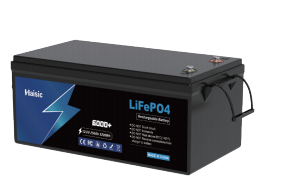
Understanding Whole House Battery Backup Systems
What Is a Whole House Battery Backup System?
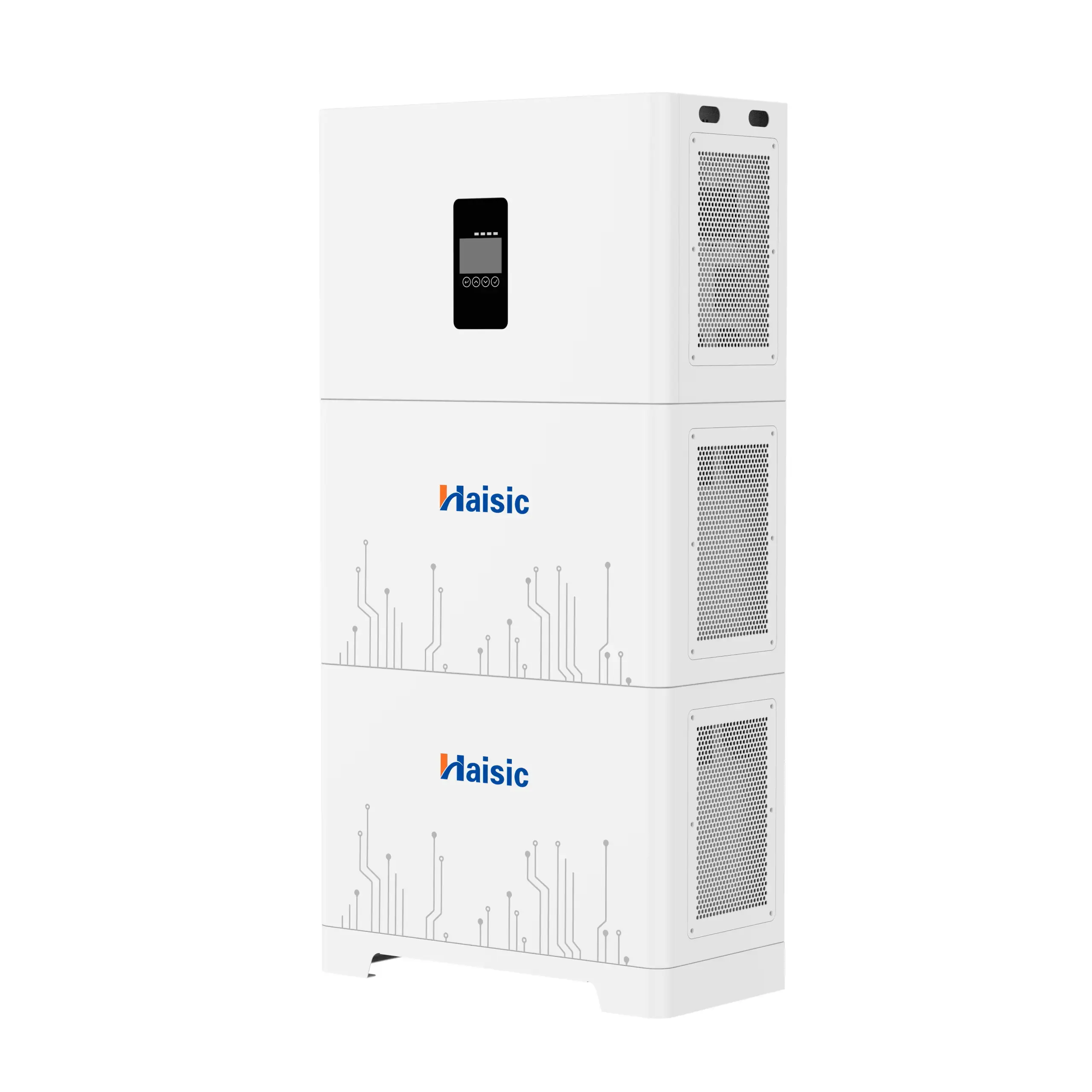
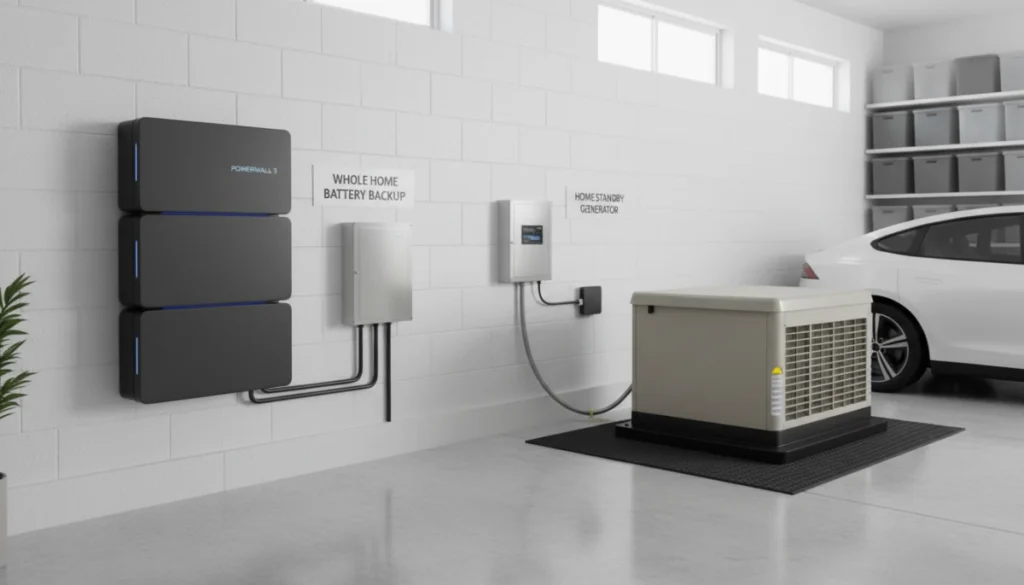
A whole house battery backup system (also called a whole home battery system or home energy storage system) is a large battery installed in your home that keeps your lights, outlets, internet, and critical appliances running when the grid goes down.
Instead of firing up a noisy engine like a generator, it silently pulls stored electricity from a lithium-ion home battery (or similar) and feeds it into your home’s electrical panel.
In everyday life, it also helps you:
-
- Store cheap or solar power
- Use that stored energy when grid prices spike
- Reduce reliance on the utility and improve energy resilience
How Whole Home Battery Backup Works During Outages
When the grid fails, a home battery backup system takes over automatically in a fraction of a second:
- Grid power fails – a power outage hits your street.
- An automatic transfer function in the battery inverter detects it.
- Your home is instantly “islanded” (separated) from the grid.
- The battery inverter starts powering your selected circuits or your whole house.
To you, it feels like:
- No blinking clocks
- No manual start
- No refueling stress
It’s truly silent home backup and fuel‑free backup.
Main Components of a Home Battery Backup System
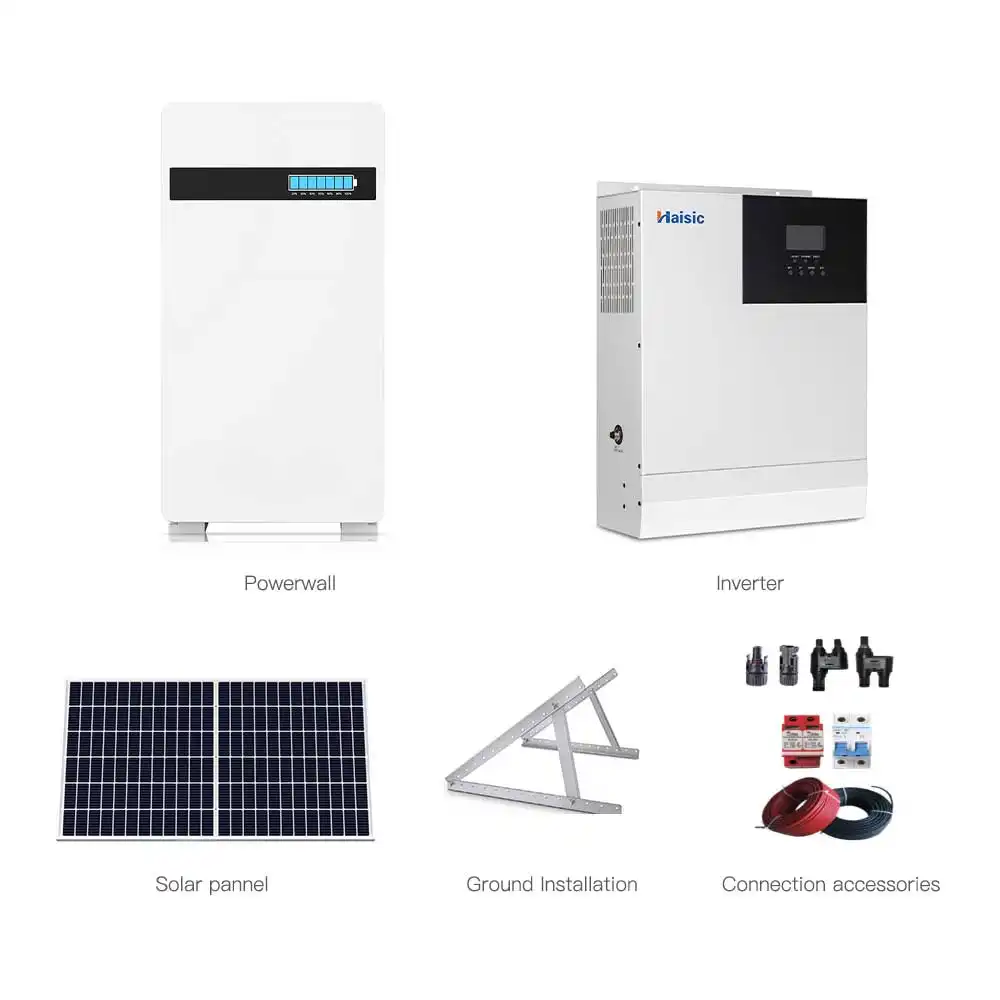
A modern home battery backup system is made up of a few core pieces:
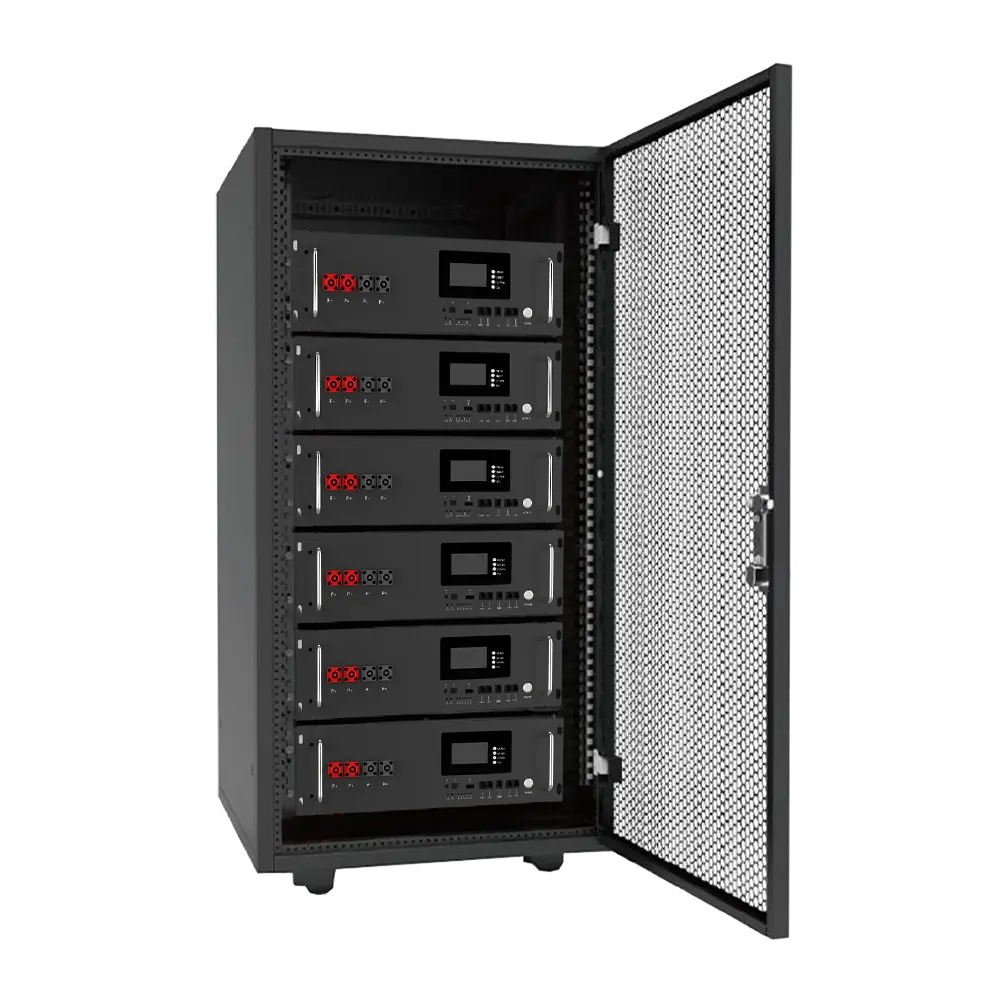
- Battery pack(s) – usually lithium-ion; stores the energy.
- Hybrid inverter / battery inverter – converts DC from the battery to AC for your home, manages charging, and handles islanding.
- Energy management system (EMS) – the “brain” that decides when to charge, discharge, or pull from the grid.
- Backup load panel (optional) – a subpanel for critical circuits like fridge, lights, Wi‑Fi, medical devices.
- Monitoring app or portal – lets you track usage, set priorities, and control your system from your phone.
This is the “all‑in‑one” alternative to a standby generator plus fuel tank and transfer switch.
Grid-Charged vs Solar-Charged Battery Backup
You can run a home battery backup system in two main ways:
1. Grid-charged battery backup
- Battery charges from the utility grid.
- Simple backup solution even if you don’t have solar.
- Can be set to charge when power is cheap and discharge when it’s expensive (time‑of‑use savings).
2. Solar-charged battery backup (solar plus storage system)
- Battery charges from solar panels on your roof or property.
- During outages, you can keep charging the battery with solar as long as the sun is out.
- Enables clean energy backup, fuel‑free backup, and deeper energy independence.
Most homeowners now choose solar integration battery setups for maximum value.
Whole House Battery Backup Capacity and Sizing
“How big a battery do I actually need?”
Battery capacity is measured in kilowatt-hours (kWh). A typical whole home system ranges roughly from 10–40+ kWh, depending on:
- Home size and number of occupants
- Critical loads (fridge, lights, Wi‑Fi, medical devices)
- Whether you want partial backup or true whole home backup (including HVAC)
- Local outage duration (minutes vs hours vs days)
- Whether you have solar to recharge the battery
A rough idea:
- 10–15 kWh – essential circuits for a day
- 20–30 kWh – essentials + moderate HVAC / more comfort
- 40+ kWh – larger homes, more loads, longer backup
You size whole house battery backup very differently than a generator, because energy (kWh) matters just as much as power (kW).
Smart Energy Management and Load Prioritization
One of the biggest advantages over a generator is smart energy management. Your home battery backup system can:
- Prioritize critical loads (fridge, lights, Wi‑Fi, medical, sump pump)
- Limit or shed heavy loads (EV charger, pool pump, electric oven) during outages
- Automatically switch modes based on:
- Time-of-use rates
- Solar production
- Battery state of charge
This load prioritization stretches your backup power runtime, so your stored energy lasts longer without you walking around flipping breakers.
Scalability and Modular Battery Expansion
Worried about “outgrowing” your system?
Modern whole home battery systems are typically modular:
- Start with a base unit (for example, 10–15 kWh).
- Add more battery modules later as your needs grow (EV, home office, more A/C).
- Expand both capacity (kWh) and power (kW) with additional units.
This modular design means you can:
- Start smaller to fit your budget
- Upgrade over time instead of overpaying on day one
It’s a flexible alternative to buying an oversized generator upfront.
Battery Chemistry Options (Lithium-Ion vs Others)
Not all home backup batteries are the same. Main options:
Lithium-ion (NMC, NCA)
- High energy density (more energy in less space)
- Common in EVs and many home systems
- Great performance, but can run warmer
Lithium Iron Phosphate (LFP or LiFePO₄)
- Very stable and safe chemistry
- Longer cycle life and lower degradation
- Excellent for whole house battery backup
Lead-acid / AGM / Gel
- Older tech, cheaper upfront
- Much shorter life, lower usable capacity, heavy
- Rarely worth it for modern whole home backup
For a whole home battery system, LFP lithium-ion is quickly becoming the preferred standard in 2026.
Lifespan, Warranty, and Degradation Over Time
Batteries don’t last forever, but modern home energy storage systems are built for long service:
- Typical warranty: 10 years, often with a defined energy throughput (MWh)
- Expected cycle life: 4,000–10,000+ cycles depending on chemistry and usage
- Degradation: capacity slowly decreases over time, usually to ~60–80% of original capacity at end of warranty
What this looks like in real life:
- Daily cycling plus occasional outages for 10+ years
- Reduced, but still usable backup capacity after the warranty
- No fuel, no oil, no spark plugs, no tune-ups
Your main long-term cost is eventual battery replacement, not ongoing fuel or maintenance like a generator.
Typical Use Cases for Whole House Battery Backup
Whole house battery backup is especially strong in these situations:
- Frequent short outages – storms, grid glitches, rolling blackouts
- Homes with solar panels – maximize self-consumption and keep running during grid failures
- Noise-sensitive neighborhoods / HOAs – silent, quiet backup power with no generator noise
- Eco-conscious homeowners – emissions-free backup power with no fumes or carbon monoxide risk
- Time-of-use and demand charge areas – use the battery for peak shaving and bill savings
- Remote work, medical equipment, home servers – need instant, seamless transfer and high reliability
In all these cases, a whole house battery backup system offers clean energy backup and everyday value, not just a machine that sits idle waiting for the next storm.
Understanding Home Generators
What is a whole house generator?
A whole house generator (also called a whole home generator or standby generator) is a permanently installed backup power system that automatically powers most or all of your home when the grid goes down. It’s hard‑wired into your electrical panel and designed to run big loads like HVAC, well pumps, fridges, and freezers.
Standby generator vs portable generator
Standby generator:
- Fixed installation outside the home
- Starts automatically when there’s a power outage
- Connects through an automatic transfer switch (ATS)
- Can back up the entire home or critical circuits
- Higher upfront cost, lower hassle once installed
Portable generator for home:
- Moveable, usually on wheels
- Needs manual start and manual connection (extension cords or inlet with manual transfer switch)
- Limited power output, better for essentials only
- Lower upfront cost, more hands‑on setup and fueling
If you want “set-and-forget” backup for the whole house, a standby generator makes more sense than a portable.
How home generators work during a power outage
Here’s how a whole house generator works when the grid fails:
- The transfer switch senses the outage within seconds.
- The standby generator starts automatically.
- The ATS disconnects your home from the grid and connects it to the generator.
- Power flows to your home until the grid returns.
- When utility power stabilizes, the ATS switches you back and shuts the generator down.
Portable generators follow the same concept but need you to:
- Start the unit manually
- Plug into selected circuits or a manual transfer switch
- Manage loads so you don’t overload the generator
Fuel types: natural gas, propane, diesel, gasoline
The fuel type is a key difference in the whole house battery backup vs generator discussion:
Natural gas generator
- Tied to your gas line
- No refilling during outages
- Great for urban/suburban areas where gas infrastructure is reliable
Propane generator
- Uses onsite tanks (above or underground)
- Cleaner than diesel
- Ideal for rural homes or places without natural gas
Diesel home generator
- Strong starting torque and high power output
- Good for heavy loads and extreme conditions
- Needs proper fuel storage and maintenance
Gasoline generator (usually portable)
- Easy to find fuel, but limited storage time
- Best for short-term or temporary backup, job sites, or seasonal cabins
Generator sizing for whole house backup
Proper generator sizing is critical so you don’t overload the system or waste money on oversized equipment. Most homeowners look at:
- Essential loads only (8–14 kW): fridge, lights, outlets, internet, small AC
- Partial home backup (14–20 kW): most circuits, smaller homes, moderate HVAC
- True whole home backup (20–30+ kW): large homes, big central AC, well pumps, electric ranges, EV chargers
To size correctly:
- List everything you want to run during an outage
- Note both running watts and starting (surge) watts for motors and compressors
- Add a safety margin (usually 20–25%)
Automatic transfer switch vs manual transfer
Automatic Transfer Switch (ATS)
- Standard for standby generators
- Detects power loss and switches over automatically
- Provides seamless, safe isolation from the grid
- Best for whole home generator setups
Manual transfer switch
- Common with portable generators
- You flip the switch yourself during an outage
- Cheaper, but needs you on-site and available
- Reduces risk compared to backfeeding via outlets
Installation requirements and local codes
Home generators are not plug-and-play. You must consider:
- Placement rules: clearance from doors, windows, vents, property lines
- Local codes and permits: electrical, gas, and sometimes noise regulations
- Professional installation: licensed electrician + plumber or gas fitter
- Foundation: concrete pad or pre-fab base for the generator
- Gas line and regulator: correctly sized for fuel demand
Non-compliant installation can void warranties, cause unsafe backfeed to the grid, or create carbon monoxide risks.
Generator lifespan and replacement cycles
A quality whole home generator can last:
- Around 10–15 years or 2,000–5,000+ hours with proper maintenance
- Portable generators typically have shorter lifespans
You’ll need to plan for:
- Regular oil and filter changes
- Spark plug and air filter replacement
- Load testing and annual service
- Potential overhaul or replacement after prolonged heavy use
This ongoing schedule is a big contrast in the house battery backup vs generator comparison, where batteries lean more toward low-maintenance.
Typical use cases for home generators
Home generators shine when you:
- Live in areas with multi-day or severe outages from storms, hurricanes, ice, or wildfire shutoffs
- Have critical loads: wells, septic systems, medical devices, sump pumps, big HVAC
- Own a large home with high surge loads that push beyond typical battery system limits
- Run rural properties, farms, or workshops that need lots of continuous power
- Have easy access to natural gas or large propane storage
For homeowners comparing whole house battery backup vs generator, generators usually win on long runtime and high power output, while batteries win on quiet, clean, low-maintenance backup and easy solar integration.
Whole House Battery Backup vs Generator: Core Comparison
When you compare whole house battery backup vs generator, you’re really choosing between clean, quiet automation and raw, fuel-driven power.
Cost: Battery vs Generator
Upfront cost (typical ranges, global ballpark):
| System Type | Upfront Cost (Equipment Only) | Notes |
|---|---|---|
| Whole house battery backup system | Medium–High | Higher cost per kWh, but fuel-free |
| Standby generator (natural gas/LP) | Medium | Lower per kW, but fuel + install add up |
| Portable generator | Low | Limited comfort, manual operation |
- Battery backup: Higher purchase price, especially for whole home battery systems sized to run HVAC.
- Generator: Often cheaper upfront per kW of power, especially standby natural gas or propane generators.
Installation Cost & Complexity
- Battery backup installation:
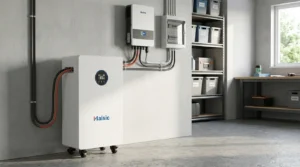
- Indoor or garage wall-mount.
- Needs electrician + possibly solar installer.
- Usually simpler permits than a permanent generator.
- Generator installation:
- Outdoor concrete pad, gas line, exhaust clearances.
- Requires electrician + plumber/gas fitter.
- Permits, noise rules, and local codes add time and cost.
Long-Term Ownership Cost
| Cost Factor | Battery Backup System | Home Generator |
|---|---|---|
| Fuel | None (grid or solar) | Ongoing (gas, diesel, propane) |
| Maintenance | Very low | Regular service required |
| Replacement cycle | Battery pack after years | Engine wear, parts, overhaul |
- Batteries: No fuel, minimal service. Major cost is eventual battery replacement, usually after many years.
- Generators: Ongoing fuel cost, oil changes, filters, inspections, and occasional repairs.
For rough budgeting on energy storage itself, I look at tools like these solar battery storage cost breakdowns to map lifetime cost vs a standby generator.
Backup Power Runtime: Short vs Extended Outages
- Whole house battery backup:
- Ideal for short and medium outages (a few hours to 1–2 days, depending on size and usage).
- Runtime extends dramatically with smart load management and solar charging.
- Generator:
- Built for multi-day or even multi-week blackouts if fuel is available.
- Runtime is limited mainly by fuel supply and maintenance.
Power Output & Large Loads (HVAC, Well Pump)
- Battery backup:
- Can run HVAC and large loads if sized correctly.
- May require load prioritization (e.g., avoid running dryer + AC + oven at once).
- Generator:
- Easier to size for large surge loads (wells, big HVAC, pumps).
- Heavy-duty standby generators can handle almost any residential load.
Noise Levels: Silent vs Loud
- Whole home battery system:
- Near-silent. Just a quiet fan at times.
- Perfect for dense neighborhoods, HOAs, or night-time outages.
- Generator:
- Noticeable engine noise, even with enclosure.
- Can bother neighbors, especially at night or in compact areas.
Environmental Impact & Air Quality
- Battery backup:
- Zero on-site emissions during use.
- Ideal if you care about clean energy backup and lower carbon footprint.
- Generator:
- Burns fuel, releases **CO₂, NOx, partic
Pros and Cons of Whole House Battery Backup
Key advantages of a whole house battery backup
A whole home battery system is the cleanest, quietest way to keep your house running when the grid fails. Compared with a standby generator, whole house battery backup vs generator comes down to experience: batteries feel invisible, generators never do.
Core benefits:
Quiet operation & zero on-site emissions
A home battery backup system runs silently with no exhaust, no fumes, and no carbon monoxide risk inside or outside the home. That’s a huge win if you live in a dense neighborhood, have kids, or just hate the sound of a roaring generator.Instant, seamless transfer during outages
A properly designed whole home battery system switches over in a fraction of a second. Lights stay on, Wi‑Fi keeps running, the fridge doesn’t blink. No manual start, no extension cords.Lower ongoing costs with solar battery storage
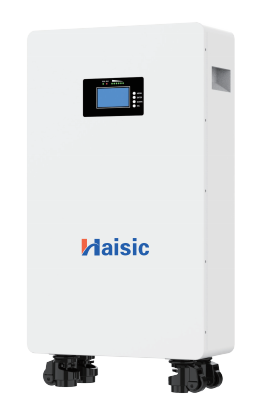
When you pair a home battery backup system with solar, you’re not buying fuel. The sun “refills” the battery every day. Over time, this cuts operating costs compared to paying for propane, diesel, or gasoline. Systems like our high-capacity 51.2V Haisic home energy battery are built exactly for this solar plus storage setup.Fuel-free backup, no refueling stress
No gas runs, no propane deliveries in storms, no fuel storage issues. Your backup power isn’t tied to a gas station or truck schedule—huge during widespread outages.Remote monitoring & smart home integration
Modern home energy storage systems tie into apps and smart home platforms. You can:- Check state of charge in real time
- Prioritize critical loads
- Switch modes (backup, self-consumption, time-of-use savings) from your phone
Works with solar during grid outages
A standard solar-only home often shuts down when the grid is out. A solar plus storage system with a whole house battery backup keeps solar producing and charging the battery while the grid is down.Supports time-of-use and peak shaving savings
In markets with time-of-use rates, you can charge the battery when power is cheap and use it when power is expensive. That’s peak shaving, and over a few years it can offset a big chunk of the system cost.
Limitations of battery backup systems
Even the best whole home battery system isn’t perfect, and it’s not always a drop‑in replacement for a large generator.
Key trade-offs:
Upfront cost challenges & financing
A true whole house battery backup that can run big loads (HVAC, well pump, etc.) isn’t cheap. Installed cost is usually higher upfront than a basic portable generator. Many homeowners offset this with tax credits, rebates, and financing.Runtime limits for very long outages
For multi‑day blackouts with heavy usage and poor solar conditions, batteries have limits. You either:- Reduce loads (no pool heater, no EV charging, limited HVAC), or
- Add more capacity, or
- Use a whole house battery backup with generator hybrid setup for long storms.
Battery replacement cycle & end‑of‑life handling
Lithium-ion home batteries slowly degrade. After 10–15 years of cycling, you’ll likely replace modules. The good news: reputable vendors build in recycling and offer strong warranties; still, it’s a long‑term cost to plan for.
Best‑fit homeowners for whole house battery backup
A house battery backup vs generator choice depends on how you live and where you live. Whole home batteries are a strong fit if you:
- Have frequent short or medium-length outages
- Already have solar or plan to install it soon
- Care about quiet, clean, indoor‑safe backup power
- Live in an area with noise restrictions or close neighbors
- Want low-maintenance, fuel-free backup and smart controls
- Value bill savings and long‑term ROI over the lowest upfront cost
For many global homeowners, a scalable system like our 25.6V 305Ah Haisic home energy storage battery gives the right balance: enough backup power for real-life outages, tight solar integration, and a much better user experience than a traditional home generator.
Pros and Cons of Home Generators
Key advantages of standby and portable generators
Home generators – both standby generators and portable generators for home – are still a strong backup power solution in many markets.
Why people choose generators:
High power output for large homes and heavy loads
A properly sized whole home generator can run central HVAC, well pumps, sump pumps, freezers, and multiple appliances at once. For big houses or homes with heavy equipment, a generator can deliver more kW than most whole house battery backup systems.Better suited for multi-day or extreme outages
As long as you have fuel (natural gas, propane, diesel, or gasoline), a generator can run for days or even weeks. In regions hit by hurricanes, ice storms, or long grid failures, this is a big deal.Lower upfront cost for some generator options
Small to mid-size portable generators usually cost far less upfront than a whole house battery backup or large standby system. Even many standby generators come in cheaper than a full whole home battery system sized for the same load.Fuel flexibility: propane, natural gas, diesel, gasoline
You can pick a natural gas generator tied to a gas line, a propane generator with a tank, or a diesel home generator for high torque and longer runtime. This flexibility helps in rural or off-grid setups where grid power is weak.Known, familiar technology
Generators are simple, mechanical, and well-understood. Most electricians and service techs know how to install and fix them, which makes many homeowners feel comfortable compared to newer home battery backup systems.
Limitations and downsides of generators
Generators do the job, but they come with trade-offs that matter more in dense neighborhoods and eco‑focused markets.
Main drawbacks:
Fuel availability and storage during emergencies
Gas stations may be closed or empty during storms. Storing gasoline or diesel safely at home is a hassle and a fire risk. Even propane deliveries can be delayed. If fuel runs out, your backup is gone.Noise, fumes, and neighbor disturbance
Generators are loud – especially portables. Running them at night can upset neighbors and break HOA rules. Exhaust fumes and vibration make them far from a silent home backup solution.Regular maintenance and upkeep
Generators need:- Oil changes
- Filter replacements
- Periodic testing and exercise runs
- Professional servicing
Skip this, and the risk of failure during a power outage backup goes way up. Generator maintenance is real time and money.
Breakdowns and reliability risks
Carburetors gum up, batteries die, and engines sometimes won’t start after sitting for months. Unlike a whole house battery backup with generator hybrid, a generator-only setup can leave you exposed if it fails at the wrong time.Environmental impact and emissions regulations
Every generator burns fuel and emits CO₂, NOx, and particulates. Many cities are tightening rules on generator noise levels and emissions. Compared with a fuel-free backup like solar plus battery, generators are much less “clean.”
Best-fit homeowners for whole home generators
A whole home generator usually makes the most sense for:
- Large homes with high surge loads (big HVAC, pumps, electric cooking)
- Rural properties with easy access to propane or natural gas
- Areas with long, multi-day blackouts where backup power runtime must be extreme
- Owners who prioritize lowest upfront cost and are comfortable with generator maintenance and fuel management
- Farms, workshops, and job sites where mobile, high-watt portable generators are useful beyond just home backup
For homeowners who care more about quiet, clean energy backup, smart control, and fuel-free operation, a whole house battery backup or hybrid setup is usually a better long‑term play.
When a Whole House Battery Backup Makes More Sense
Whole house battery backup vs generator is not a close call in some situations – batteries are simply the smarter move.
Frequent short or medium outages
If your grid drops out often but usually for a few minutes to a few hours (or the occasional day), a whole home battery system is ideal. It kicks in instantly, keeps Wi‑Fi, lights, fridge, and key circuits running, and resets automatically with no fuel, no startup issues, and no noise.
Homes with solar now or later
If you already have solar – or you’re planning it – pairing panels with a home battery backup system lets you charge from the sun and keep running during grid outages. With a solar plus storage system, you can also use stored energy at night and during peak pricing hours. Modular systems like a stackable lithium home battery (for example, a 51.2V 100Ah stackable energy storage battery) scale easily as your needs grow.
Clean energy and eco-focused homes
If you care about emissions, air quality, and your carbon footprint, a fuel-free backup beats any natural gas or diesel generator. Lithium‑ion home batteries provide emissions‑free backup power, no fuel leaks, no fumes, and no carbon monoxide risk in or around your home.
Quiet, indoor-safe backup power
In apartments, townhomes, and dense neighborhoods, generator noise and exhaust are a real issue. A silent home backup battery runs quietly, can be installed indoors (with proper equipment), and won’t disturb kids, pets, or neighbors. This makes a whole house battery backup a strong choice where HOAs or local noise rules limit generators.
Low-maintenance, set‑and‑forget backup
If you don’t want to deal with oil changes, fuel rotation, manual starts, or regular testing, batteries win the house battery backup vs generator comparison. Modern systems are app‑controlled, self‑monitoring, and designed as low‑maintenance backup power that just works when you need it.
Bill savings and peak shaving
Unlike a standby generator, a home energy storage system saves you money even when the power is on. You can:
- Charge when electricity is cheap
- Discharge during expensive peak hours
- Reduce demand charges and time-of-use energy costs
That means your whole home battery system isn’t just emergency gear – it’s a daily money saver.
Unreliable fuel supply or unstable grid
In regions where fuel deliveries are uncertain, gas stations fail during storms, or the grid is unstable, depending on diesel or gasoline can be risky. A solar-charged battery backup gives you reliable power without relying on fuel trucks or open gas stations.
Long‑term value over lowest upfront cost
If you’re thinking in 10–15 year terms rather than just the cheapest install, batteries often win the battery vs generator cost discussion. You avoid ongoing fuel costs, reduce maintenance, and can tap into incentives and tax credits in many markets. For many global homeowners, a whole house battery backup is a long‑term asset that boosts comfort, resilience, and property value.
When a Generator Is the Better Fit
Sometimes a whole house generator simply makes more sense than a whole house battery backup. If any of these sound like you, a standby generator (or a large portable unit) will likely be the better fit:
Homes with long, multi‑day blackouts
If your grid goes down for days at a time due to storms, ice, or weak infrastructure, a propane or natural gas generator can keep running as long as you have fuel. Batteries are great for hours to maybe a day or two; generators are built for extended outages.
Large homes with heavy electrical loads
Big houses with multiple HVAC systems, electric heating, pools, EV chargers, or big kitchen appliances often need high surge power and continuous output. A properly sized whole home generator can handle these loads far more cost‑effectively than stacking a huge battery bank.
Properties with wells, septic, or heavy HVAC
If you rely on:
- Well pumps
- Septic pumps
- Large central AC or heat pumps
- Electric water heaters or baseboard heaters
you’ll usually get more reliable performance from a standby generator than from a modest‑size home battery backup system.
Rural homes with easy fuel access
For rural properties with:
- Existing propane tanks
- Natural gas lines
- Easy access to diesel or gasoline
a generator can be simple and practical. Fuel delivery is straightforward, and you’re less dependent on the grid or on roof space for solar.
Lowest upfront cost for backup
If your priority is spending the least up front, a portable generator for home or even some smaller fixed standby units will typically cost less than a full whole home battery system and inverter setup. You trade lower upfront cost for higher ongoing fuel and maintenance costs.
Limited roof space for solar
If your roof is small, shaded, or not ideal for solar, a solar plus storage system may not pencil out. In that case, a backup generator is often the most realistic way to get whole home backup without relying on rooftop panels.
Temporary or seasonal homes and cabins
For vacation homes, cabins, or seasonal properties that sit empty most of the year, a generator is usually more practical than investing in a large, permanently installed home energy storage system. You can:
- Use a portable generator when you’re there
- Or install a smaller standby unit mainly for freeze protection or basic loads
Workshops, farms, and job sites
If you’re running:
- Power tools and compressors in a workshop
- Pumps and equipment on a farm
- Temporary power on job sites
a generator is usually the workhorse you need. It delivers high peak power, handles rough conditions, and doesn’t depend on the grid at all. For these heavy‑duty backup needs, house battery backup vs generator almost always leans in favor of the generator.
Hybrid Backup: Whole House Battery Backup Plus Generator
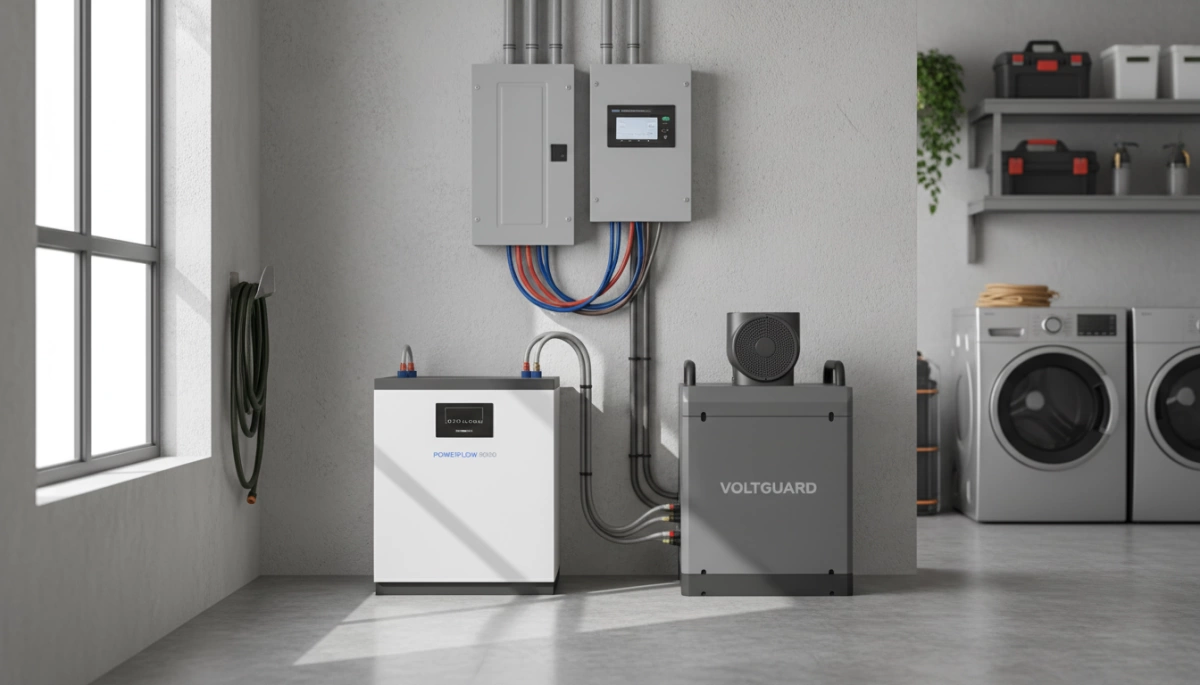
A hybrid whole house battery backup with generator setup gives you the best of both worlds: quiet, smart daily backup from a home battery backup system, and “infinite” runtime from a standby generator when outages drag on.
How a Hybrid Battery + Generator Setup Works
In a typical hybrid home backup power solution:
- The whole home battery system (often paired with solar) covers your essential loads first.
- When the battery’s state of charge drops below a set point during a long outage, the generator automatically starts, powers the home and recharges the battery.
- An automatic transfer switch (ATS) and hybrid inverter manage the handoff between grid, battery, and generator so you don’t touch a thing.
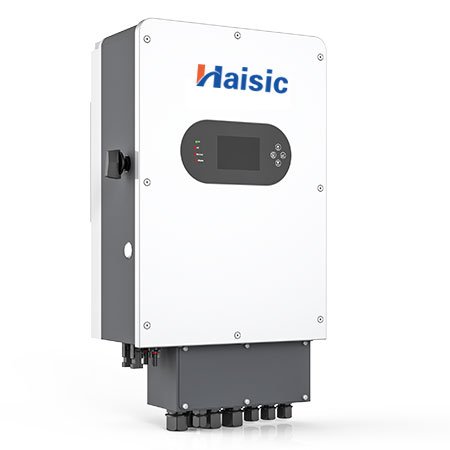
A good hybrid solar inverter (for example, a single‑ or three‑phase hybrid inverter with built‑in MPPT and generator input) is the brain of the system, controlling charging, discharging, and switchover in real time.
Why Combine a Generator With Home Battery Storage?
Pairing whole house battery backup vs generator as a hybrid solves the weaknesses of both:
- Batteries handle short, frequent outages silently and instantly.
- Generators kick in only when you have multi‑day grid outages or extreme loads.
- You get quiet backup power most of the time, but you’re never capped by battery capacity during a long storm or fuel crisis.
In normal days, your home energy storage system also works for time‑of‑use savings and peak shaving, cutting bills and improving ROI—something a generator can’t do.
Using Batteries for Everyday and Short Outages
For everyday operation, the whole home battery system does the heavy lifting:
- Covers quick blackouts and voltage dips without you noticing.
- Keeps Wi‑Fi, lights, fridge, and electronics running silently.
- Can store excess solar from daytime and discharge in the evening to avoid peak rates.
A lithium‑ion home battery combined with a hybrid solar inverter (like a single‑phase hybrid inverter with MPPT and backup output) is ideal for this everyday, automatic role.
Using Generators Only for Long-Duration Outages
When the outage lasts longer than your backup power runtime:
- The standby generator (natural gas, propane, or diesel) starts automatically.
- It powers HVAC, well pump, heavy appliances while also topping up the battery.
- Once the battery is charged and loads drop, the system can shut the generator off and switch back to silent battery power.
This way, the generator is a safety net, not something you hear running all day and night.
Reducing Generator Runtime, Noise, and Fuel Use
A hybrid house battery backup vs generator design is all about cutting noise and fuel:
- Battery handles nights and low‑load periods, so the generator doesn’t need to run 24/7.
- You burn less propane/diesel/natural gas, which slashes backup generator fuel cost.
- Neighbors hear far less noise, and your system runs cleaner with fewer emissions.
In many setups, you can program schedules so the generator never runs during quiet hours unless absolutely necessary.
System Design: Transfer Switches, Inverters, Controls
Key pieces in a hybrid whole house battery backup system:
- Hybrid inverter/charger: Connects solar, grid, battery, and generator; manages power flow. A robust three‑phase hybrid solar inverter or IP65‑rated hybrid inverter is ideal for whole home backup.
- Automatic transfer switch (ATS): Safely isolates the home from the grid and brings generator or battery online during outages.
- Smart controls & monitoring: App‑based monitoring to set priorities (critical circuits first), set generator start/stop rules, and track fuel and battery status.
Proper design makes the hybrid system feel like a single, seamless whole home backup power solution.
Cost Considerations of Hybrid Backup Systems
A hybrid battery and generator system costs more upfront than a generator alone, but it changes the cost profile:
- Higher upfront: Battery + hybrid inverter + ATS + generator.
- Lower operating cost: Less fuel, fewer generator service hours, extended generator life.
- More value: Batteries can save money year‑round via solar plus storage and peak shaving; generators only cost money when they run.
For many homeowners, the hybrid path is a long‑term value play, not the rock‑bottom cheapest install.
Who Should Consider a Hybrid Backup Solution?
A hybrid backup: battery backup plus generator setup is a strong fit if you:
- Live where outages are frequent and sometimes multi‑day.
- Want silent, clean energy backup most of the time but can’t risk running out of power.
- Have (or plan to add) solar panels and want to maximize their benefit.
- Run critical loads like well pumps, sump pumps, medical devices, or large HVAC.
- Care about noise, emissions, and fuel logistics, but still need heavy‑duty resilience.
In short: if you want the comfort and savings of a whole house battery with the security of a whole home generator, a hybrid system is how you future‑proof your backup power and stay covered in any outage scenario.
Key Factors to Weigh in 2026
When you’re choosing between whole house battery backup vs generator in 2026, don’t just look at the price tag. The rules of the game are changing fast.
Grid reliability and outage trends
Across many regions, the grid is getting more unstable:
- More storm-related blackouts and heatwave outages
- Growing risk of planned load-shedding and public safety shutoffs
If you see several short to medium outages a year, a whole home battery system usually delivers more value than a generator that mostly sits idle.
Incentives, tax credits, and rebates
Governments are pushing hard for clean energy backup:
- Federal and state tax credits for solar plus storage can cut battery system costs by 30%+
- Some markets offer extra rebates for home battery backup if you connect to grid programs
Most of these benefits do not apply to fossil-fuel generators, which changes the real “battery vs generator cost” picture.
New generator rules and emissions limits
Generator ownership is getting stricter:
- Tougher emissions regulations in cities and suburbs
- Noise and runtime limits, especially at night
In some areas, installing a large standby generator is already difficult; batteries with zero on-site emissions avoid that risk.
Falling battery prices and better tech
Battery prices keep dropping, while performance keeps improving:
- Modern lithium-ion home battery packs have longer lifespans and smarter management
- Higher capacities make whole home backup realistic for more households
In 2026, the cost gap between a high-quality home battery backup system and a full standby generator setup is much smaller than a few years ago.
Smart home integration and automation
Batteries are now part of the smart home energy picture:
- App-based control, real-time monitoring, and automatic load prioritization
- Time-of-use and peak shaving to lower bills, not just backup
Generators don’t usually deliver this level of everyday value—they’re mostly for emergencies.
Utility programs and virtual power plants
More utilities are paying homeowners to connect their home energy storage system:
- Virtual power plant (VPP) and demand response programs pay you for letting the grid use some of your stored energy
- Some programs give upfront discounts on solar battery storage
This kind of recurring value doesn’t exist with a traditional standby generator.
Brand, warranty, and service network
In 2026, brand and support matter as much as hardware:
- Look for long battery warranties (10+ years) and strong cycle guarantees
- Check local installer and service coverage for both batteries and generators
Poor support will erase any savings, no matter which backup type you pick.
If you’re exploring off-grid-style backup or larger systems, it’s worth looking at scalable solutions like our stackable residential and small commercial energy storage line, such as the TQS4 stackable power energy storage system that can grow with your loads.
Estimating your backup power needs
Before you commit to house battery backup vs generator, get clear on your numbers:
- Daily kWh use (from your utility bill)
- Critical loads: fridge, lights, internet, medical devices, well pump, HVAC, etc.
- Typical outage length in your area
This tells you if you need a whole house battery, a smaller backup battery, a whole home generator, or a hybrid setup.
Questions to ask before you choose
Ask these questions before you sign anything:
- How long do I realistically need backup for—hours or multiple days?
- Do I plan to add or already have solar panels?
- Is noise or air quality / carbon monoxide risk a deal-breaker for me or my neighbors?
- Is my priority lowest upfront cost, or best long-term total cost of ownership?
- Do local rules make generator installation harder or limit runtime?
- Will I benefit from time-of-use savings or utility VPP programs with a battery?
Answer those honestly, and the right call between whole house battery backup vs generator usually becomes obvious.
Why Haisic Whole House Battery Backup Stands Out
When you compare whole house battery backup vs generator, Haisic is built to replace the noise, fuel stress, and maintenance of a traditional standby generator with a clean, smart, and scalable home battery backup system.
Haisic battery backup system features and specs
Our Haisic home energy storage systems are designed as full whole home battery systems, not just small backup packs. Key specs most homeowners care about:
- High usable capacity options (from single-home setups to large villas and small commercial)
- High output power to support HVAC, well pumps, fridges, routers, and lighting together
- Lithium iron phosphate (LiFePO4) chemistry for long cycle life and higher safety
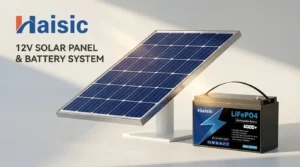
For example, our 15kWh LiFePO4 solar battery pack (51.2V 305Ah) is ideal for stacked residential systems that need real whole-home backup, not just a few circuits.
High-capacity storage for whole home backup
We size Haisic systems so you can actually run your house, not just “emergency lights only.” With modular stacking:
- Small homes: 10–20 kWh
- Typical suburban homes: 20–40 kWh
- Large homes / light commercial: 40 kWh+ or containerized systems like our 1MWh ESS solar energy storage container
That means longer backup power runtime and the ability to support bigger loads than most off‑the‑shelf “home batteries.”
Seamless solar integration and smart controls
Haisic is built for solar plus storage from day one:
- Works with most modern solar inverters
- Smart energy management for time‑of‑use savings and peak shaving
- App/portal monitoring for real‑time state of charge, load, and solar production
Instead of wasting your solar during outages, the Haisic home battery backup system keeps your PV producing and your critical loads powered.
Reliability, safety, and certifications
As a manufacturer, we design around safety first:
- Stable LiFePO4 cells with built‑in BMS protection (over‑current, over‑voltage, temp)
- Certified components that align with major global standards
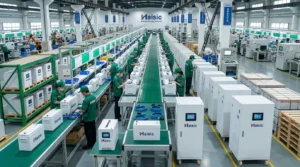
- Industrial‑grade builds adapted from our commercial ESS lines for higher durability
You get a reliable whole home backup power solution without worrying about fuel, engine failures, or startup issues like with a standby generator.
Noise-free, low-maintenance operation
Compared with a natural gas or propane generator, Haisic works silently and doesn’t demand constant attention:
- No engine noise, no fumes, no carbon monoxide risk
- No oil changes, spark plugs, or fuel stabilizer
- Minimal scheduled checks—mostly software and visual inspections
It’s truly quiet backup power: set it up, monitor from your phone, and let it run.
Haisic vs traditional generators
When you put house battery backup vs generator side by side, Haisic stands out on:
- Comfort: Silent, zero on‑site emissions, indoor‑safe
- Convenience: Instant switchover, no refueling trips, no startup anxiety
- Daily value: Can save money every day (TOU, peak shaving), not just during outages
- Future‑proofing: Works with solar, ready for smart grid and virtual power plant programs
Generators win on extreme, multi‑day outages with unlimited fuel. Haisic wins on everything else.
Total cost of ownership vs standby generators
Upfront, a whole house battery backup may cost more than a basic standby generator. Over 10–15 years though:
- No fuel bills or fuel delivery fees
- No regular maintenance contracts
- Battery system can generate bill savings and tax incentives
When you add in fuel, service, and replacement cycles, a Haisic system often beats a standby generator on total cost of ownership—especially if you already have or plan to add solar.
Support, monitoring, and warranty
We back our systems with:
- Long warranty coverage aligned with expected battery life and cycle count
- Remote monitoring and diagnostics options
- Direct manufacturer support, not just a reseller chain
That means less guessing and faster resolution if something looks off in your home backup power solution.
Ideal Haisic setups for different home sizes
We size every Haisic whole house battery backup around real usage, not just square footage:
- Apartments / small homes: 10–15 kWh, essential loads and small HVAC
- Typical family homes: 20–30 kWh, full kitchen + HVAC + networking + lights
- Large homes / small businesses: 30–60 kWh, or container‑level systems for full operation
If you’re comparing whole house battery backup with generator and want something silent, low‑maintenance, and solar‑ready, Haisic is built to be the long‑term, fuel‑free option that fits how modern homes actually use power.