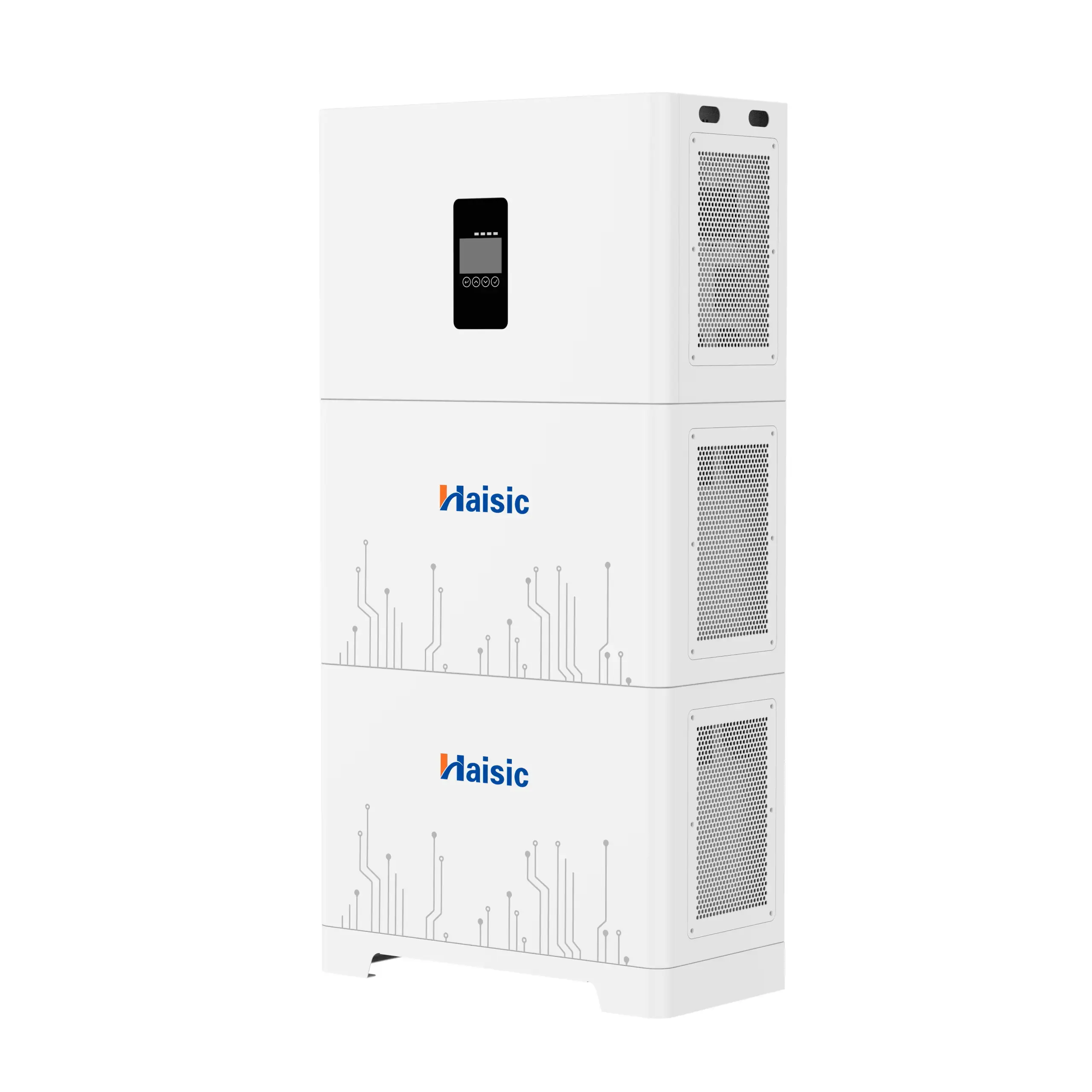
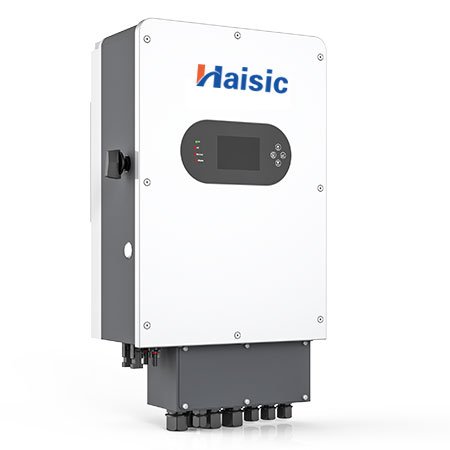
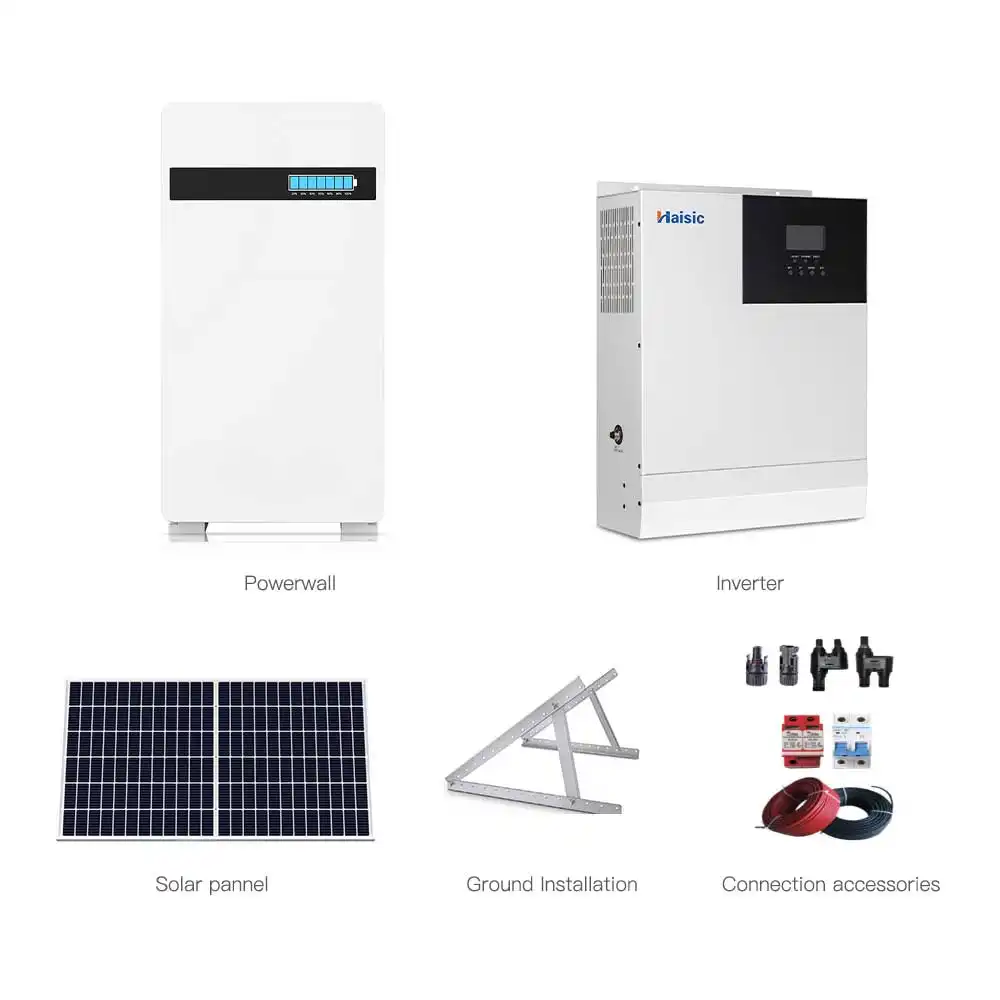
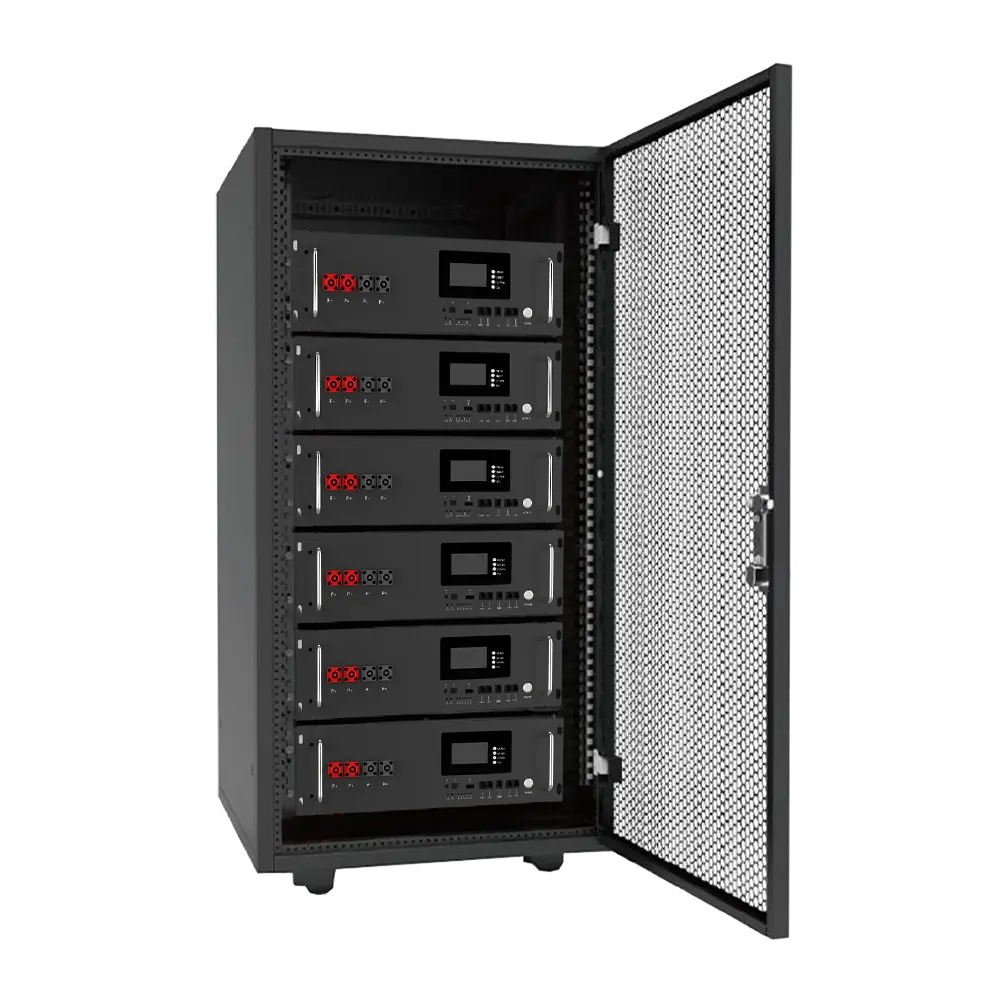


The Holy Trinity of Solar: How the Components Work Together
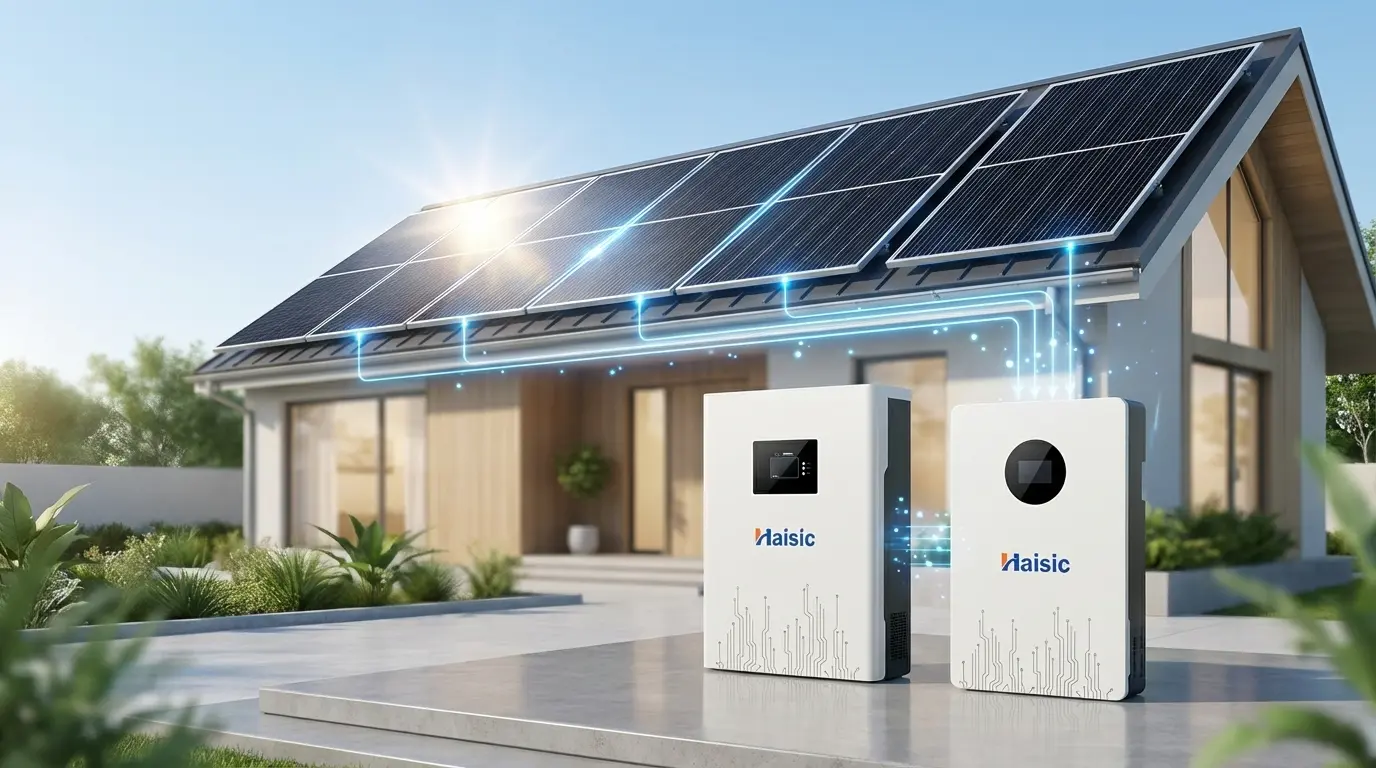
When building a resilient power infrastructure, a solar panel with battery and inverter setup forms the ultimate triad of energy independence. At Haisic, we engineer these components to operate not as isolated parts, but as a synchronized, high-performance ecosystem. Whether you are designing a complete hybrid solar system kit or scaling an industrial off-grid array, understanding how this core trinity interacts is your first step toward true grid freedom.
Solar Panels (The Harvesters)
Think of your solar array as the frontline harvesters of raw power.
- The Function: Photovoltaic cells actively capture solar radiation and convert it into Direct Current (DC) electricity.
- The Limitation: The energy produced here is raw, immediate, and entirely dependent on daylight. Without the supporting components, this DC power is largely unusable for standard household or commercial appliances.
The Inverter (The Brains)
The inverter serves as the intelligent command center of your entire setup.
- Crucial Conversion: It translates the raw DC power harvested by your panels into the highly stable Alternating Current (AC) your property demands.
- Intelligent Routing: A premium pure sine wave solar inverter does more than just convert energy. Utilizing built-in MPPT (Maximum Power Point Tracking) technology, it optimizes panel efficiency, manages load balancing, and intelligently directs excess energy exactly where it needs to go.
The Solar Battery (The Vault)
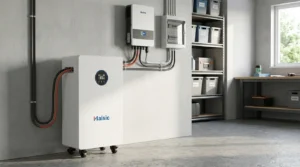
A robust home energy storage system (ESS) bridges the gap between daylight harvesting and nighttime consumption.
- Secure Storage: The battery bank acts as an impenetrable energy vault, safely stockpiling the surplus DC power generated during peak sunlight hours.
- On-Demand Deployment: When the sun sets, clouds roll in, or the grid unexpectedly fails, the battery seamlessly deploys its stored reserves back through the inverter—guaranteeing uninterrupted, 24/7 power stability.
System Architectures: Finding Your Setup
When you invest in a solar panel with battery and inverter, you need a system architecture that actually matches your daily energy demands. We design these setups to fit different living and business situations worldwide.
Off-Grid Solar Power System Setup
This is about total energy independence. An off-grid setup completely cuts the cord from the local utility company.
- How it works: Your solar panels generate the power, the inverter converts it, and your battery stores every drop you need for the night or during cloudy weather.
- Best for: Remote cabins, rural homes, or locations where the public grid is either unavailable or highly unreliable.
- The key: You must have a properly sized, high-capacity best off-grid lithium battery to ensure your lights stay on when the sun goes down.
Complete Hybrid Solar System Kit
This is the sweet spot for most modern homeowners. A grid-tied solar with battery storage system (also known as a hybrid setup) gives you the best of both worlds.
- How it works: You remain connected to the public grid, but you have your own battery backup to rely on when grid power fails or when electricity rates spike during peak hours.
- The core component: A reliable, heavy-duty hybrid solar inverter intelligently manages the power flow—sending it to your home appliances, storing it in the battery, or pushing excess back to the grid.
- Best for: Suburban houses, regions with frequent blackouts, and areas with strict time-of-use (TOU) electricity pricing.
Commercial Energy Storage Solutions
Businesses need serious power stability and cannot afford downtime. Commercial setups scale up the basic home energy storage system (ESS) to handle heavy industrial demands.
- How it works: Massive solar arrays paired with high-voltage battery banks and three-phase commercial inverters.
- Best for: Manufacturing facilities, large retail spaces, farms, and corporate offices.
- The benefit: It slashes heavy operational costs, protects against expensive operational downtime during grid failures, and shaves peak demand charges.
How to Size Your Solar Panel With Battery and Inverter System
When we design a solar panel with battery and inverter system, precision is everything. Guessing your energy requirements will leave you stranded in the dark or overpaying for equipment you simply don\’t need. Here is our straightforward approach to sizing your components correctly.
Step 1: Calculate Daily Energy Consumption
Before buying a single piece of hardware, you need to know exactly how much power you consume daily.
- The Math: Appliance Wattage × Hours of Use = Daily Watt-Hours (Wh).
- The Shortcut: Check your recent utility bills to find your average daily kilowatt-hours (kWh). Using a reliable solar system sizing calculator can help verify this baseline, giving you the hard numbers needed to build out your home energy storage system (ESS).
Step 2: Sizing the Inverter
Your inverter acts as the gateway for your power, and it must be able to handle the sudden \”surge\” when multiple heavy appliances turn on simultaneously.
- Calculate Peak Load: Add up the starting wattage of your heavy-hitting appliances, like the refrigerator, well pump, or air conditioner.
- Add a Safety Margin: We always recommend sizing your pure sine wave solar inverter at least 25% larger than your calculated peak load. This buffer prevents unexpected system crashes and ensures smooth, continuous operation.
Step 3: Sizing the Battery Bank
Your battery bank is your safety net for nighttime use and grid outages. When determining exactly how much battery storage you actually need, you must look beyond just your raw daily usage.
- Factor in Depth of Discharge (DoD): You cannot drain most batteries to absolute zero. If your home requires 10kWh of usable power overnight, you must factor in the depth of discharge (DoD) solar battery rating. For example, with an 80% DoD, you actually need to install a 12.5kWh battery bank.
- Scale for Your Needs: For heavier power consumers, stepping up to a robust high voltage stacked 20kWh battery setup provides seamless backup power without the messy wiring of daisy-chaining multiple smaller units together.
Step 4: Sizing the Solar Array
ly, your solar panels have a dual job: they must power your home\’s active loads during the day while simultaneously recharging your battery bank for the night.
- Calculate Based on Sun Hours: Divide your total daily energy consumption (plus battery charging needs) by the average peak sun hours in your specific geographic region.
- Match the Components: If you are putting together a complete 10kW solar system with battery backup, make sure the total wattage of your solar array aligns perfectly with the voltage limits of your hybrid solar inverter MPPT controller to avoid bottlenecking your daily power generation.
The Battery Chemistry Debate: Why LiFePO4 is the Industry Standard
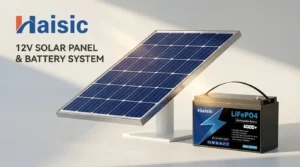
When you are setting up a solar panel with battery and inverter system, the battery acts as the critical vault for your captured power. We\’ve moved past the days of bulky, high-maintenance setups. Today, Lithium Iron Phosphate (LiFePO4) is the undisputed champion for building a reliable home energy storage system (ESS).
Lead-Acid/Gel vs. Lithium-ion vs. LiFePO4
Let\’s cut through the tech talk and see exactly how the main chemistries stack up:
| Battery Chemistry | Typical Lifespan | Maintenance Required | Safety Level | Ideal Application |
|---|---|---|---|---|
| Lead-Acid/Gel | 3-5 years | High | Low/Moderate | Budget, short-term setups |
| Standard Lithium-ion | 5-10 years | None | Moderate (Overheating risks) | Small electronics, EVs |
| LiFePO4 | 10-15+ years | None | Extremely High | Long-term solar energy storage |
The LiFePO4 Advantage
Why do we insist on LiFePO4 for our energy storage solutions? It comes down to performance and peace of mind:
- Higher Usable Capacity: You get a superior depth of discharge (DoD) solar battery. You can safely use up to 90-100% of a LiFePO4 battery\’s stored energy without damaging it, compared to a restrictive 50% limit for traditional lead-acid batteries.
- Thermal Stability: LiFePO4 chemistry is inherently safe. It eliminates the risk of thermal runaway, meaning it won\’t catch fire or explode even under heavy loads or extreme temperatures.
- Massive Cycle Life: A dedicated LiFePO4 solar battery bank easily delivers over 6,000 complete charge cycles, outlasting older technologies by a decade or more.
Brand Integration with Haisic Batteries
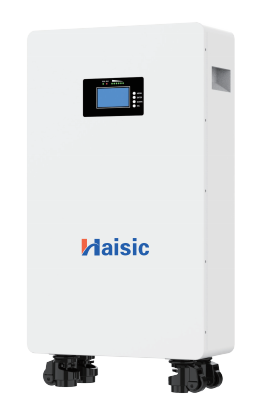
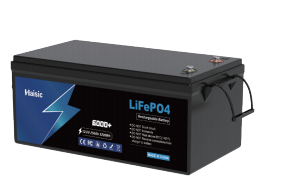
At Haisic, we don\’t just assemble parts; we engineer seamless, long-lasting power. Our batteries are built from the ground up to communicate flawlessly with your entire solar architecture. By integrating our advanced 25.6V 305Ah touch screen home energy storage unit into your setup, you ensure that your solar array, inverter, and battery bank operate as a unified, highly efficient ecosystem. This eliminates compatibility headaches and maximizes every drop of sunlight you capture.
Compatibility and Installation: The \”All-in-One\” Advantage
When you build a system combining a solar panel with battery and inverter, compatibility is everything. Piecing together hardware from different manufacturers often leads to serious performance roadblocks and unnecessary stress.
The Danger of Mismatched Components
Mixing and matching brands might seem like a clever way to cut upfront costs, but it usually creates long-term headaches. Poor solar panel and battery compatibility can quickly derail your energy independence.
Here is what happens when components don\’t align:
- Communication Failures: Inverters and batteries that use different software protocols simply cannot \”talk\” to each other, leading to system crashes.
- Efficiency Loss: Mismatched voltage limits cause wasted energy during the DC to AC conversion process.
- Voided Warranties: Many brands will refuse to cover damage if their equipment is hooked up to unapproved third-party hardware.
- Hidden Expenses: The extra wiring, adapters, and professional troubleshooting required often outweigh initial savings, ultimately driving up the overall cost of backup battery for a residential solar system.
Plug-and-Play Ecosystems
We design our energy solutions to eliminate this guesswork entirely. Choosing an all-in-one solar generator system or a complete hybrid solar system kit ensures every component is engineered to work together flawlessly right out of the box.
The benefits of a unified ecosystem:
- Seamless Integration: Your solar array, inverter, and storage sync automatically for maximum power harvesting.
- Faster Installation: Standardized connectors and fewer separate cables mean a quicker, safer setup process.
- Centralized Monitoring: Track your generation, storage levels, and household consumption from a single, unified app.
- One Point of Contact: If you ever need technical support or warranty claims, you only deal with one manufacturer.
The Haisic Advantage: Direct Manufacturing
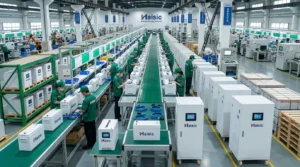
When you invest in a solar panel with battery and inverter system, going straight to the manufacturer eliminates the guesswork. At Haisic, we design and produce the core energy storage tech. We cut out the middlemen to deliver high-performance, cost-effective power solutions directly to you.
Quality Control & Certifications
Safety and reliability are non-negotiable. Every unit off our line undergoes rigorous stress testing. We hold strict global certifications to guarantee that your high-voltage lithium-ion battery solar setup operates flawlessly under pressure. We control the entire process, from raw materials to final assembly.
Scalability for Any Project
Your energy needs will grow, and our systems are built to expand seamlessly. Whether you are installing a complete hybrid solar system kit for a home or designing massive commercial energy storage solutions, adding capacity is straightforward and secure.
B2B & Wholesale Benefits
Partnering directly with us gives your business a competitive edge. We provide unmatched engineering support for large-scale deployments and offer highly competitive solar power inverter wholesale programs.
Why Buy Direct?
| Benefit | The Haisic Direct Advantage |
|---|---|
| Pricing | Factory-direct rates with zero middleman markups. |
| Quality | End-to-end manufacturing oversight with global safety certifications. |
| Supply | Reliable, scalable stock for wholesale and large commercial projects. |
| Support | Direct technical assistance from the team that built your system. |
FAQs: Solar Panel with Battery and Inverter Systems
Hybrid vs. Off-Grid Solar Systems
A hybrid setup connects your solar panel with battery and inverter to the utility grid. This allows you to use stored energy during peak rates while keeping the grid as a fallback. In contrast, an off-grid solar power system setup operates entirely independently. You rely 100% on your own generation and storage, meaning your system must be sized perfectly to avoid blackouts.
Choosing the Right Inverter Size
Sizing comes down to your peak power needs.
- Calculate Load: Add up the continuous wattage of all appliances you will run simultaneously.
- Add a Buffer: Factor in an extra 20-30% to handle starting surges from motors or compressors.
- Select Quality: Always opt for a pure sine wave solar inverter. It provides clean, stable power necessary to protect sensitive electronics and modern appliances.
The LiFePO4 Battery Advantage
A LiFePO4 solar battery bank is the undisputed industry standard. Compared to older lead-acid tech, LiFePO4 offers absolute thermal stability (no fire risks), a massive 6,000+ cycle lifespan, and a much higher depth of discharge (DoD). If you want dependable energy storage for a home, LiFePO4 provides the best long-term return on investment.
Mixing Solar Components
While you technically can mix brands, we highly advise against it. Ensuring proper solar panel and battery compatibility across different manufacturers is difficult. Mismatched gear often leads to communication failures, efficiency drops, and finger-pointing between brands if something breaks. Sticking to a single manufacturer ecosystem guarantees seamless performance.
Haisic Warranty and Support
As a direct manufacturer, we stand firmly behind our engineering. Haisic provides comprehensive, long-term warranties on every lithium solar battery and inverter unit we produce. By cutting out the middleman, we deliver rapid, direct-to-buyer technical support for both residential setups and large-scale commercial energy storage solutions.