
Understanding the Solar Module 12V
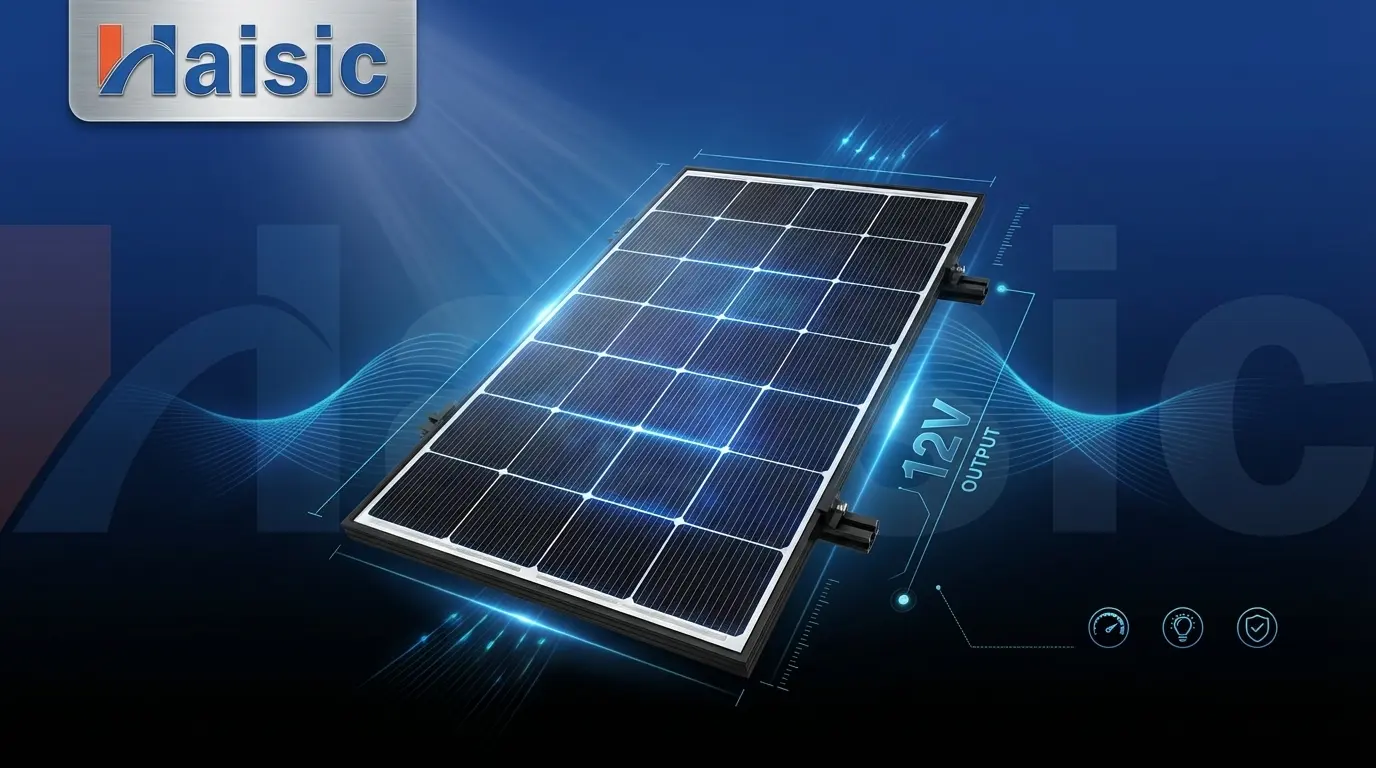
As someone who has engineered off-grid power solutions for years, I rely on the solar module 12v as the foundational workhorse for mobile energy. Despite the name, these panels actually output a higher voltage—typically between 18V and 21V. This specific voltage differential is an engineering requirement to effectively push electrical current into a 12-volt battery bank without stalling.
When selecting a module, the core technology boils down to two primary silicon structures:
- Monocrystalline: Engineered from a single, continuous silicon crystal. These deliver premium efficiency and maximize power output per square inch, performing exceptionally well in lower-light conditions.
- Polycrystalline: Manufactured by melting multiple silicon fragments together. They offer a highly cost-effective entry point for small off-grid solar kits, though they require a slightly larger physical footprint to generate the same wattage.
Standard Wattage for Mobile Systems
To build a reliable 12V solar system setup, panel sizing is dictated by your daily energy draw and available mounting space. We typically deploy modules within specific brackets:
- 50W Panels: Ideal for minimal maintenance, trickle charging, or powering localized LED lighting.
- 100W Panels: The baseline standard for basic mobile power setups.
- 200W Panels: The high-efficiency choice. A single 200W module provides the robust daily yield needed to sustain 12V refrigerators, ventilation fans, and continuous electronic charging.
Why 12V Dominates Mobile Power
Why is 12V the undisputed baseline for off-grid and mobile applications? It comes down to absolute, universal compatibility.
The automotive, RV, and marine industries natively operate their internal systems on 12-volt direct current (DC). By building an ecosystem around a solar module 12v, you align your energy generation directly with your consumption. You pair the panel with a standard 12V deep cycle solar battery, completely eliminating the need for bulky, inefficient step-down converters. The result is a clean, native DC architecture that keeps your mobile power reliable, lightweight, and easy to scale.
Top Applications for a 12V Solar System
When we look at where a solar module 12v really proves its worth, it usually comes down to mobility and remote reliability. These panels are the backbone of many independent power setups because they are simple to install, safe to handle, and highly versatile. Here is where we see them used most effectively:
RVs and Campervans
If you are hitting the road, an RV solar panel system is practically essential. A 12V setup perfectly matches the native electrical systems found in most campervans and motorhomes.
- Powering the Basics: A 12V panel keeps interior lights, water pumps, and ventilation fans running seamlessly without draining your vehicle\’s starter battery.
- Running Small Appliances: It easily powers your 12V travel fridge or charges laptops when paired with a solid battery bank. Linking your panels to a dedicated 12V 100Ah lithium battery ensures you have a deep, dependable reserve of energy to draw from long after the sun sets.
Marine and Boating
Out on the water, dead batteries are not just an inconvenience; they are a direct safety hazard. Incorporating marine solar panels 12V into your boat\’s electrical grid provides ultimate peace of mind.
- Battery Maintenance: A 12V solar setup constantly trickle-charges your house batteries while you are docked or anchored, preventing sulfation and extending battery life.
- Crucial Equipment: It ensures your automatic bilge pumps, GPS navigation systems, and marine radios always have a steady, reliable power source during long voyages.
Off-Grid Cabins and Sheds
For remote hunting cabins, garden sheds, or tiny homes, running traditional utility lines is usually too expensive or physically impossible. This is exactly where small off-grid solar kits excel.
- Standalone Power: A standard 12V solar module provides more than enough daily energy for weekend lighting, charging power tools, or running a small security system.
- Easy to Scale: You can start simple with a single panel and basic battery, then easily expand your solar energy storage capacity as your off-grid power needs grow over time.
The Core Ecosystem: Building Your 12V Solar Setup
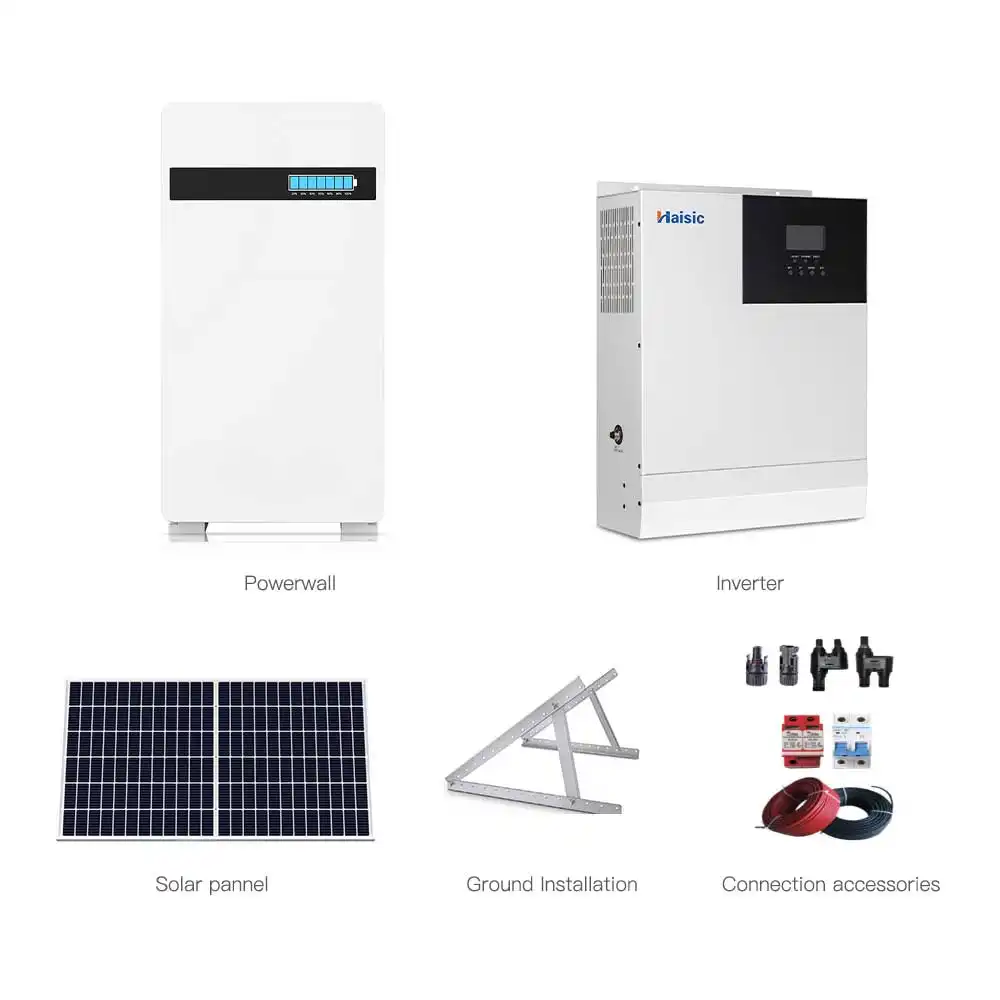
When we build a reliable off-grid solar power 12V solution, we know it takes more than just putting a panel in the sun. A complete 12V solar system setup relies on four distinct components working in harmony. Here is a breakdown of the core ecosystem we use to keep the power flowing.
1. The Energy Harvester: Solar Module 12V
At the front line of the system is the solar module 12V. This is the workhorse that captures sunlight and converts it into raw DC electricity. Whether you are using a single panel or wiring together a full 12 volt solar panel kit, this harvester dictates exactly how much raw energy you can pull in during peak sun hours.
2. The Regulator: 12 Volt Solar Charge Controller
We never connect a solar panel directly to a battery. A dedicated 12 volt solar charge controller acts as the crucial gatekeeper between your panels and your power storage, preventing dangerous overcharging.
- PWM (Pulse Width Modulation): The standard, cost-effective choice. It does the job well for smaller, basic setups.
- MPPT (Maximum Power Point Tracking): The smart choice. An MPPT charge controller for 12V panel setups is highly efficient, dynamically adjusting to pull the maximum possible wattage from your panels, even when it is cloudy.
3. The Heart: 12V Deep Cycle Solar Battery
All that harvested energy needs a safe place to live. The 12V deep cycle solar battery stores the electricity so you have continuous power at night or during storms. Whether we are sizing power for an off-grid cabin or mapping out DIY home energy storage projects, investing in a robust, high-capacity battery bank ensures the entire system remains stable and dependable.
4. The Converter: The Inverter
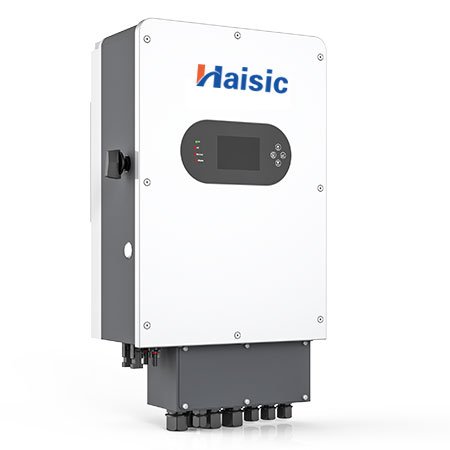
Your batteries store 12V DC power, but standard household appliances—like your TV, laptop, or coffee maker—require 110V/120V AC power. The inverter bridges this gap. It efficiently transforms the stored DC energy into usable AC power, completing the ecosystem and delivering electricity exactly how your devices need it.
Why Your Solar Module 12V Needs a Premium LiFePO4 Battery
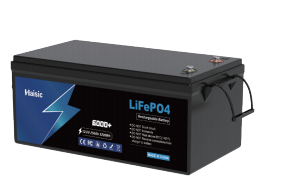
Pairing a solar module 12v with the right energy storage is what makes or breaks your off-grid setup. When selecting a LiFePO4 battery for 12V solar, you are choosing modern efficiency over outdated tech. A 12V or 12.8V LiFePO4 battery is the exact voltage match for a 12V solar module, ensuring your charge controller works efficiently to store every drop of power you harvest.
Legacy Lead-Acid vs. Modern LiFePO4
I see people constantly struggling with heavy, inefficient lead-acid batteries. Upgrading to a modern 12V deep cycle solar battery based on lithium iron phosphate changes everything.
Here is a quick breakdown of why legacy batteries are falling behind:
| Feature | Lead-Acid / AGM | Premium LiFePO4 Battery |
|---|---|---|
| Depth of Discharge (DoD) | 50% max (Draining further damages it) | Up to 100% (Use all the power) |
| Weight | Extremely heavy | Up to 50% lighter |
| Safety Risk | High risk of acid leaks | Advanced thermal stability |
| Lifespan | 300 – 500 cycles | 4000+ to 6000 cycles |
The Core Upgrades for Your Solar Energy Storage System
- Full Usable Power: With lead-acid, you only get to use half the battery capacity before you start damaging the cells. A premium best off-grid lithium battery gives you close to 100% depth of discharge (DoD), meaning you get twice the usable power out of the same rated capacity.
- Massive Weight Reduction: If you are building an RV solar panel system, every pound matters. Lithium iron phosphate cuts battery weight by half, saving your vehicle\’s payload capacity and making installation much easier.
- Complete Safety: LiFePO4 chemistry is inherently stable. It virtually eliminates the risk of overheating or fire inside your setup, giving you peace of mind whether the system is in a van, boat, or cabin.
The Perfect Voltage Match
A 12.8V lithium iron phosphate 12V battery pairs flawlessly with a 12V solar panel kit. Because the nominal battery voltage perfectly aligns with the output range of your charge controller, it regulates incoming power naturally and safely without excessive energy conversion loss. If you plan to scale up your small off-grid solar kits, opting for a high-capacity unit like a 12.8V 280Ah LiFePO4 battery pack ensures your system runs continuously, capturing maximum daytime solar energy to power your nights.
Sizing Your Solar Module 12V and Battery Bank
Getting your 12V solar battery bank sizing right is the most critical step in building a reliable system. If you mismatch your energy generation and storage, you either waste valuable sunlight or run out of power when you need it most. Here is my straightforward guide to ensuring your system is perfectly balanced.
Step-by-Step System Sizing
- Calculate your daily power usage: Add up the wattage of all your appliances and multiply by the hours you run them daily to find your total Watt-hours (Wh).
- Determine your solar input: Divide your daily Wh requirement by the average peak sun hours in your specific location to find the necessary 12V solar panel wattage.
- Size your energy storage: Select a battery capacity that can hold at least one to two days\’ worth of your daily power needs to account for cloudy weather.
Example: 200W Panel + 12V 100Ah Solar Battery
Let\’s look at a practical, everyday pairing. Suppose you install a 200W solar module 12v. On a clear day with about 5 hours of direct, peak sunlight, this panel generates roughly 1,000Wh of usable energy.
To capture and store this energy effectively, you need a matching battery. A standard 12V 100Ah solar battery (operating natively at 12.8V) offers a total storage capacity of 1,280Wh (12.8 Volts x 100 Amp-hours). This creates a highly efficient, perfectly matched ecosystem. Your 200W solar panel can fully recharge the 100Ah battery in a single sunny day, providing steady power without stressing your components.
Scaling Capacities for Larger Systems
When you move past basic lighting and phone charging to running off-grid refrigerators, water pumps, or heavy tools, a 100Ah battery simply will not cut it. You must scale up your storage capacity to handle the increased load.
For these demanding applications, upgrading to a 280Ah or even a robust 12.8V 400Ah LiFePO4 battery pack delivers around 5kWh of deep-cycle storage, giving you massive off-grid resilience. To support a high-capacity battery bank of this size, you simply expand your solar array by adding more panels, multiplying your incoming power to match your expanded storage limits.
The Haisic Advantage: Smart Energy Storage for 12V Systems
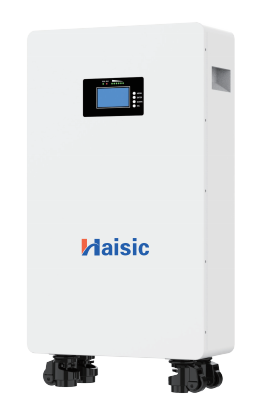
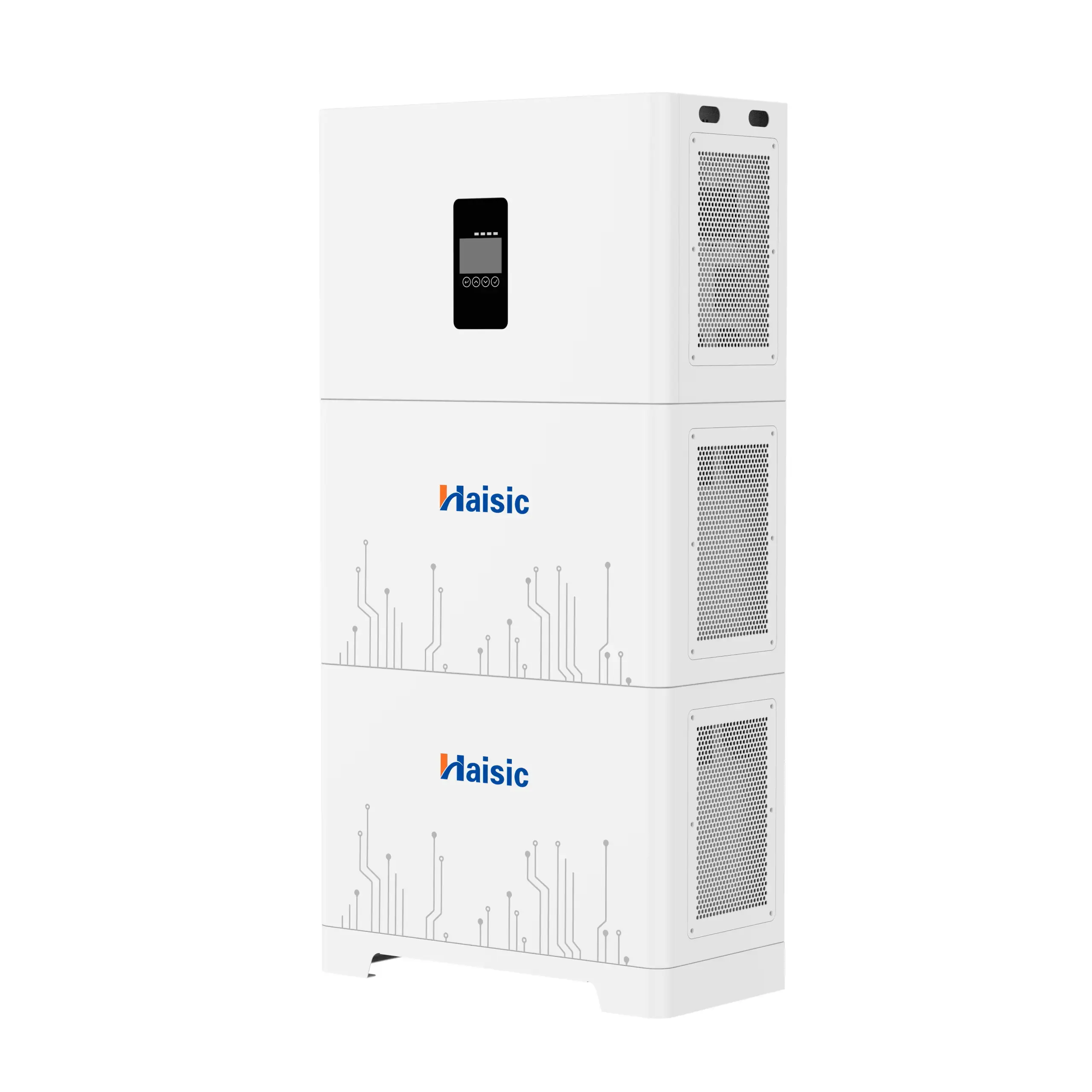
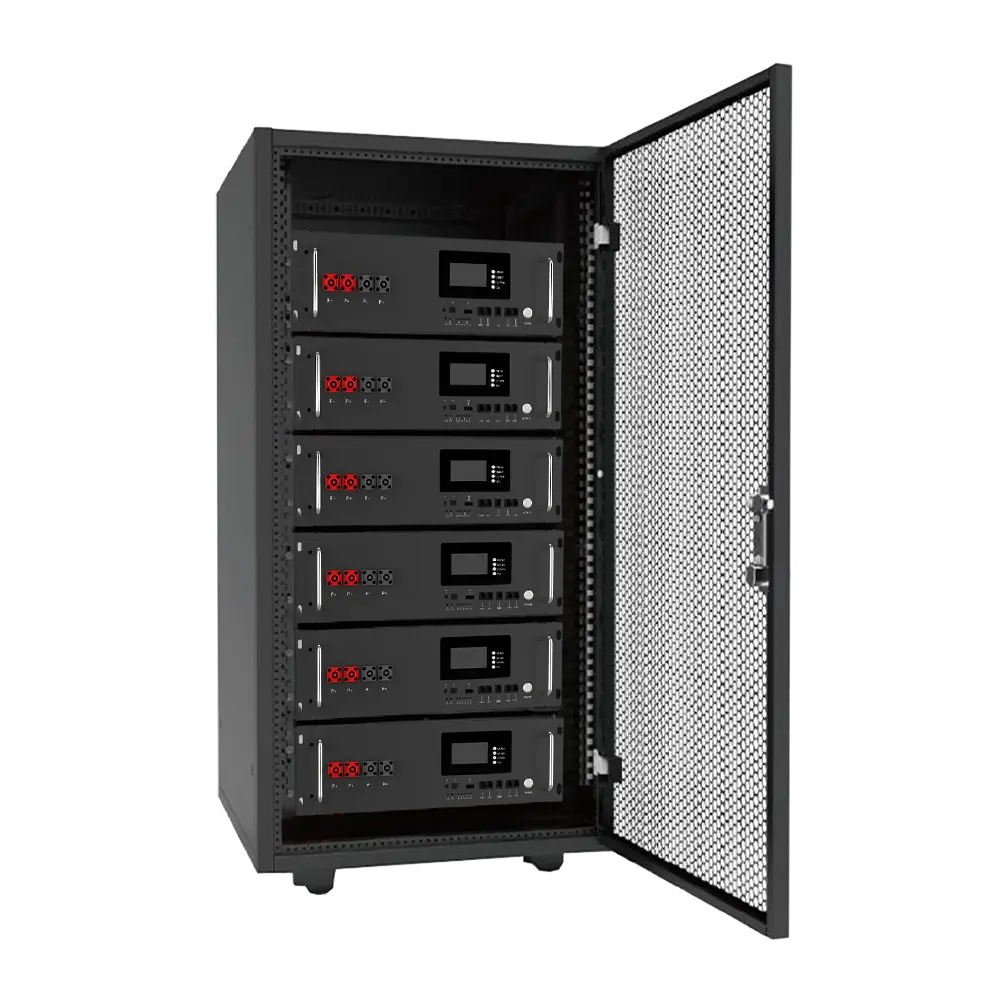
To get the absolute best performance from your solar module 12v, you need an energy storage system that matches its reliability. At Haisic, we engineer 12V and 12.8V LiFePO4 battery packs specifically designed for deep cycle use and demanding RV storage.
When you pair a high-quality solar panel with our lithium iron phosphate technology, you build a robust and seamless power setup. Here is what sets our batteries apart:
- 6,000+ Charge Cycles: Enjoy long-term, daily reliability that drastically outlasts traditional lead-acid options.
- Advanced BMS: Our intelligent Battery Management System constantly monitors and protects your 12V deep cycle solar battery from overcharging, overheating, and short circuits.
- Global Safety Certifications: Our packs are thoroughly tested and certified to meet the strictest international safety standards.
With over 15 years of dedicated R&D expertise, we deliver premium power solutions and full OEM/ODM capabilities for partners globally. Whether you are scaling an RV solar panel system or need a dependable 12-volt battery backup for an off-grid cabin, our smart lithium solutions provide the perfect foundation for your 12V solar system setup.
FAQs About Your 12V Solar Module Setup
Can a solar module 12v charge a 24V battery system?
Yes, but it requires a specific setup. You will need a step-up (boost) MPPT charge controller to increase the voltage output from 12V to 24V. While this works, we generally advise matching your panel voltage directly to your battery system for the highest charging efficiency.
How many 12V solar panels do I need to run an off-grid refrigerator?
A highly efficient off-grid fridge typically consumes about 1 to 1.5 kWh per day. To cover this draw, you need roughly 300W to 400W of total solar capacity. This translates to three or four 100W panels. You must also pair this array with a reliable 12V 100Ah solar battery bank—or larger—to keep the compressor running through the night when the sun is down.
Do I always need a charge controller for a 12V solar setup?
Absolutely. Unless you are using a tiny 5W trickle charger, a 12 volt solar charge controller is mandatory. It regulates the power coming from your solar module 12v, preventing overcharging and protecting your deep cycle battery from permanent damage. As a professional energy storage system manufacturer, we build advanced battery management systems into our power banks, but a dedicated charge controller remains the critical first line of defense for any reliable off-grid solar power 12V ecosystem.