

The Strategic Benefits of Commercial Solar
Investing in solar energy for commercial building infrastructure is a strategic operational decision that drives immediate financial, environmental, and structural advantages. Transitioning to renewable power optimizes overhead, fortifies your facility against grid instability, and permanently positions your brand as a forward-thinking market leader.
Financial Returns & Cost Reduction
Maximizing solar ROI for businesses requires a fundamental shift in how your enterprise sources energy.
- Slash Utility Bills: Drastically reduce monthly operational costs and lock in long-term protection against volatile, ever-increasing energy rates.
- Leverage Capital Benefits: Aggressively capitalize on local and federal solar tax incentives for business, alongside accelerated depreciation schedules (such as MACRS), to heavily offset initial capital expenditures.
- Increase Asset Value: A professional commercial solar panel installation inherently increases long-term commercial property valuation.
Enterprise ESG Sustainability Goals
Corporate Sustainability (ESG) is no longer a buzzword; it is a hard metric required for global B2B procurement and modern consumer loyalty.
- Hit Carbon Targets: Quickly and measurably meet corporate carbon reduction targets by directly replacing grid reliance with clean energy.
- Enhance Brand Reputation: Elevate your market standing among eco-conscious consumers and high-value B2B partners who strictly demand green supply chains and sustainable operations.
Operational Resilience
Grid instability directly threatens industrial productivity, revenue, and data integrity.
- Protect Critical Operations: Shield your production lines, servers, and heavy machinery from costly, unexpected grid outages and local brownouts.
Commercial Solar Advantage
| Strategic Pillar | Tangible Business Outcome |
|---|---|
| Financial Optimization | Lower OPEX, stabilized utility rates, and rapid ROI via tax credits. |
| Corporate ESG Goals | Verified progress toward net-zero carbon targets; stronger B2B appeal. |
| Operational Resilience | Hardened protection against utility brownouts and power interruptions. |
| Property Valuation | Immediate increase in commercial real estate market value. |
Beyond the Panels: Why Commercial Energy Storage is Non-Negotiable
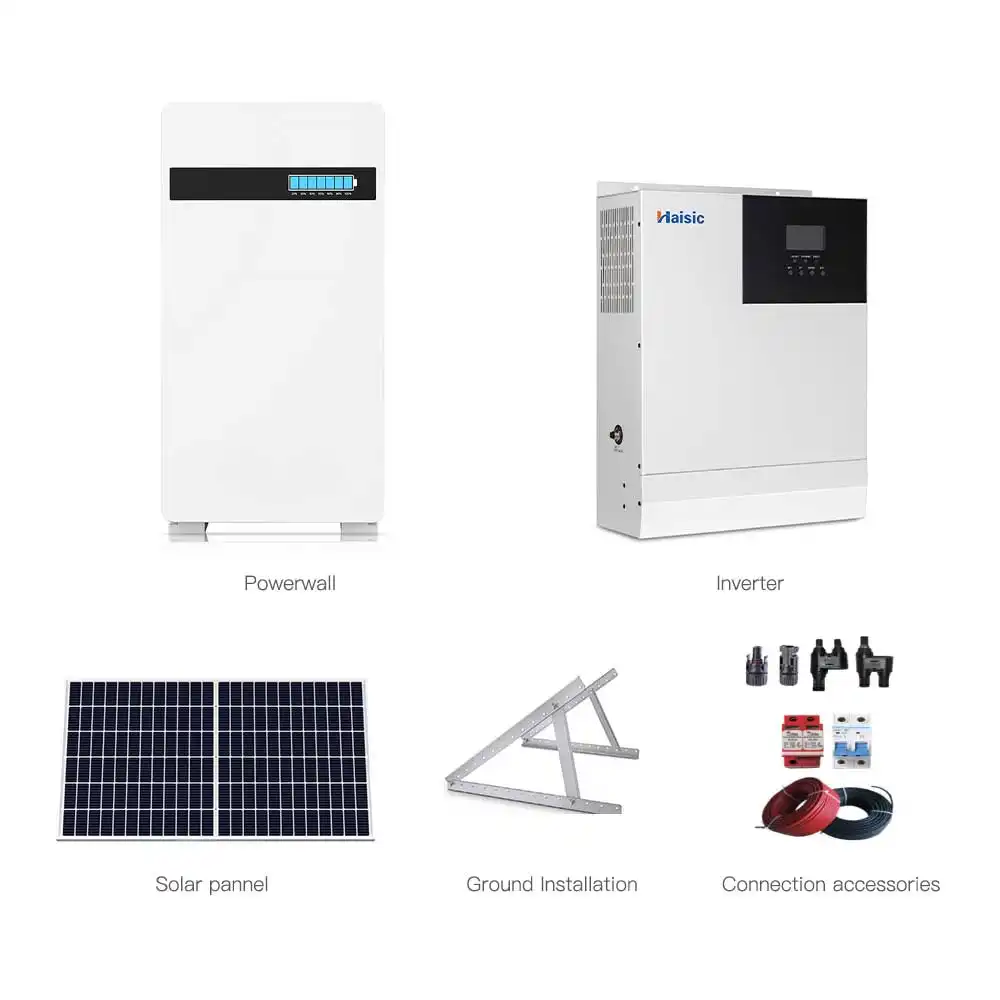
When setting up solar energy for commercial building projects, panels alone simply aren\’t enough. To get real financial and operational value, integrating a robust Energy Storage System (ESS) is an absolute necessity.
The Problem with Solar Alone
Solar generation naturally peaks at midday. However, this production peak rarely aligns perfectly with a facility\’s heaviest consumption hours. Without a battery system to capture it, that valuable midday energy is wasted, leaving your business dependent on the grid when you actually need power the most.
Maximizing Value with Smart Battery Storage
To fix this misalignment, we rely on advanced C&I energy storage systems to take full control of how and when your facility uses power:
- Peak Shaving & Load Shifting: The battery absorbs your excess solar energy during the sunny hours. Instead of sending it back for pennies, the system deploys this stored power during your most expensive peak-demand times. This smart load shifting energy management drastically reduces those crippling utility demand charges.
- Valley Filling: Even when the sun isn\’t shining, we utilize the batteries to draw power from the grid at night when utility rates are rock-bottom. The system charges up on cheap electricity, holding it for your facility to use when grid prices spike the next day.
Commercial Grid Independence & Backup Power
Downtime is not an option. Grid outages and brownouts halt production and bleed revenue. By integrating reliable commercial battery backup power, we ensure zero downtime for critical data centers and manufacturing lines. For large-scale industrial operations, deploying high-capacity containerized energy storage provides the exact scale needed to keep entire plants running smoothly off-grid. It is the definitive path to achieving true commercial grid independence and protecting your bottom line.
Choosing the Right Storage Technology for Your Facility
When optimizing solar energy for commercial building operations, your storage hardware dictates your success. We only deploy technology that is proven, safe, and built to handle harsh commercial realities.
Battery Chemistry Matters
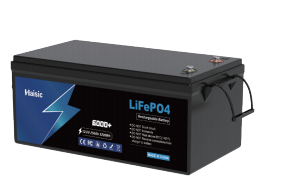
We consider LiFePO4 (Lithium Iron Phosphate) the only sensible choice. Investing in a LiFePO4 commercial battery guarantees:
- Unmatched Safety: Superior thermal stability prevents overheating.
- Zero Thermal Runaway: Eliminates fire risks, which is critical for indoor commercial spaces.
- Reliable Performance: Delivers consistent power under heavy daily usage.
Scalability to Match Your Facility
No two facilities consume power the exact same way. We tailor our C&I energy storage systems to match your specific footprint and peak demand:
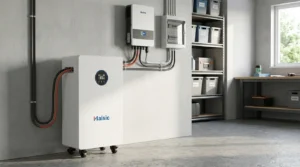
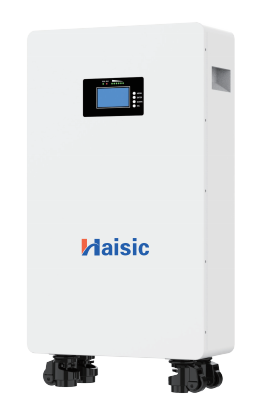
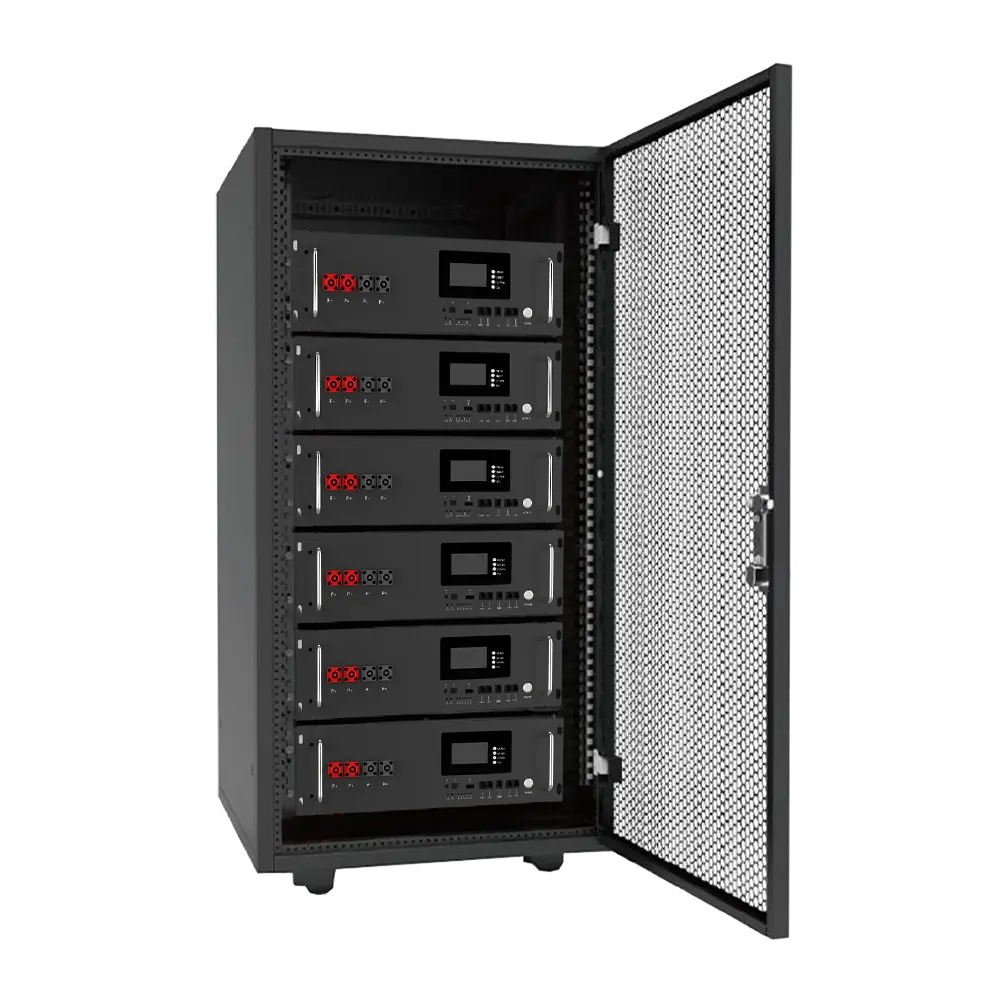
- Small Businesses: 50kWh rack-mounted units that slide easily into tight utility rooms.
- Industrial Plants: Massive 1MWh containerized energy storage units built for aggressive load shifting.
Longevity & Smart Management
You need commercial battery backup power that lasts decades, not just a few years. We rely on systems offering 6,000+ charge cycles. Paired with an advanced Battery Management System (BMS), you get full remote monitoring capabilities to track cell health, balance loads, and prevent downtime before it ever happens.
Seamless Inverter Integration
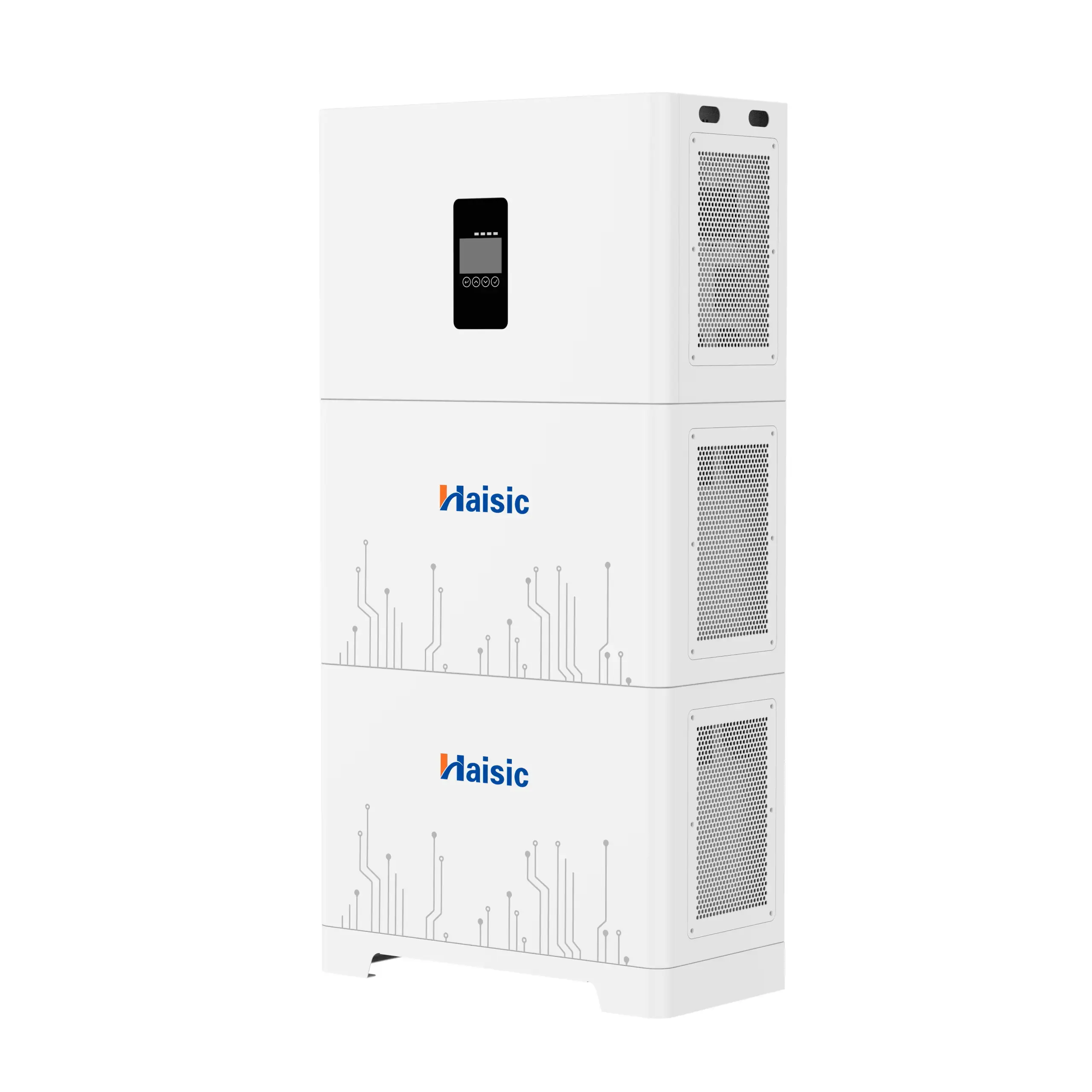
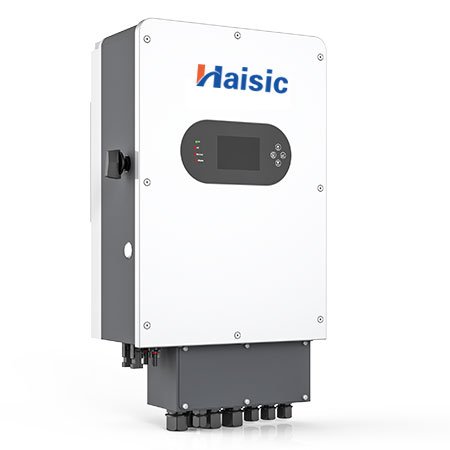
Storage is useless without the right routing hardware. We pair our battery banks with heavy-duty commercial solar inverters. Specifically, we use robust, IP65-rated three-phase hybrid inverters. They keep dust and water out, ensuring your facility\’s power flows efficiently and safely between the solar array, the battery, and the grid.
How to Plan Your Commercial Solar & Storage Project
Transitioning to solar energy for a commercial building requires a clear, actionable roadmap. To build a setup that delivers reliable C&I energy storage systems and maximizes your ROI, we follow a straightforward three-step process.
Step 1: Conduct a Thorough Energy Audit
Before committing to a commercial solar panel installation, you have to define the exact needs of your facility.
- Analyze Consumption: Track your daily power usage and identify your specific peak demand profiles.
- Evaluate Space: Measure usable roof space and potential ground areas for panel placement to maximize yield.
- Budget & Sizing: Use your audit data to accurately calculate capacity requirements. Whether you are scaling an industrial setup or estimating an 8kW solar system price for a smaller building, precise data prevents overspending and ensures optimal load shifting energy management.
Step 2: Source Reliable Manufacturing Partners
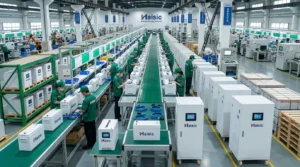
Your commercial battery backup power relies entirely on the quality of your hardware. We bypass the middleman to work directly with proven, high-tech manufacturers.
- Demand Global Certifications: We ensure our hardware partners hold strict safety and quality certifications like ISO9001, CE, and UN38.3.
- Require OEM/ODM Capabilities: Direct factory customization ensures the equipment fits your exact load profile and enterprise ESG sustainability goals.
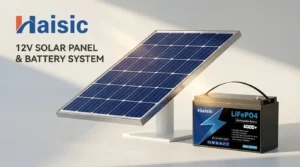
- Prioritize Premium Chemistry: We integrate top-tier components, such as a high-cycle LiFePO4 lithium battery, to guarantee safe, long-term commercial grid independence.
Step 3: Streamlined Installation & Commissioning
The final phase bridges world-class manufacturing with boots-on-the-ground expertise.
- Leverage Local Experts: Work with trusted local installers who understand regional building codes and can help you navigate local solar tax incentives for business.
- Use Factory-Direct Hardware: Combining local installation labor with direct-sourced equipment keeps your overall commercial PV system cost incredibly lean.
- Rigorous Commissioning: Conduct thorough testing of all panels, inverters, and battery arrays to ensure your B2B renewable energy solutions operate flawlessly from day one.
FAQs About Solar Energy for Commercial Buildings
When navigating the transition to renewable power, facility owners often share the same concerns. We have compiled the most common questions to help you fully grasp the operational and financial impact of solar energy for commercial building applications.
What financial incentives are available for commercial solar installations?
Reducing your upfront capital expenditure is easier than most operators think.
- Federal Tax Credits: You can significantly offset your initial commercial PV system cost through the federal Investment Tax Credit (ITC).
- Depreciation Benefits: Programs like MACRS allow your business to recover capital investments rapidly through accelerated depreciation schedules.
- State & Local Rebates: Many local utilities offer performance-based incentives. Stacking these solar tax incentives for business drastically shortens your project\’s payback period and helps you meet enterprise ESG sustainability goals without breaking the bank.
How does commercial energy storage improve ROI?
Solar panels only generate power when the sun is out, which rarely perfectly aligns with a facility\’s highest consumption hours. By integrating robust commercial battery storage setups, you capture that excess midday power. This unlocks load shifting energy management and peak shaving battery storage capabilities. Instead of buying expensive grid power during peak demand hours, you deploy your stored energy. This direct reduction in peak demand charges is the single biggest factor in maximizing your solar ROI for businesses.
What makes LiFePO4 batteries ideal for commercial applications?
When dealing with C&I energy storage systems, safety and longevity dictate the standard. Here is why the LiFePO4 commercial battery chemistry is the undisputed choice:
- Thermal Stability: They are exceptionally safe and structurally immune to thermal runaway, making them safe for indoor and outdoor commercial setups.
- Lifespan: They deliver 6,000+ charge cycles, vastly outperforming older lithium-ion variants.
- Total Value: Because they last longer and require zero active maintenance, they offer a significantly lower total cost of ownership.
How can businesses ensure reliability during grid outages?
Relying solely on the public grid leaves your critical operations vulnerable to weather events and brownouts. Implementing dedicated commercial battery backup power guarantees a seamless, microsecond transition during grid failures. Whether your facility requires modular indoor racks or massive containerized energy storage for heavy industrial use, this hardware ensures zero downtime. It protects your inventory, data, and machinery while achieving genuine commercial grid independence.
What steps are involved in planning a commercial solar and storage project?
Rolling out industrial solar power solutions requires a clear, structured approach to avoid costly delays:
- Energy Audit: We start by deeply analyzing your historical utility bills, peak demand spikes, and available roof or ground space.
- Hardware Sourcing: We match your facility\’s exact needs with reliable B2B renewable energy solutions, selecting the right commercial solar inverters and battery capacities.
- Execution: Professional teams handle the physical commercial solar panel installation and system commissioning, ensuring everything meets strict local safety and fire codes.