

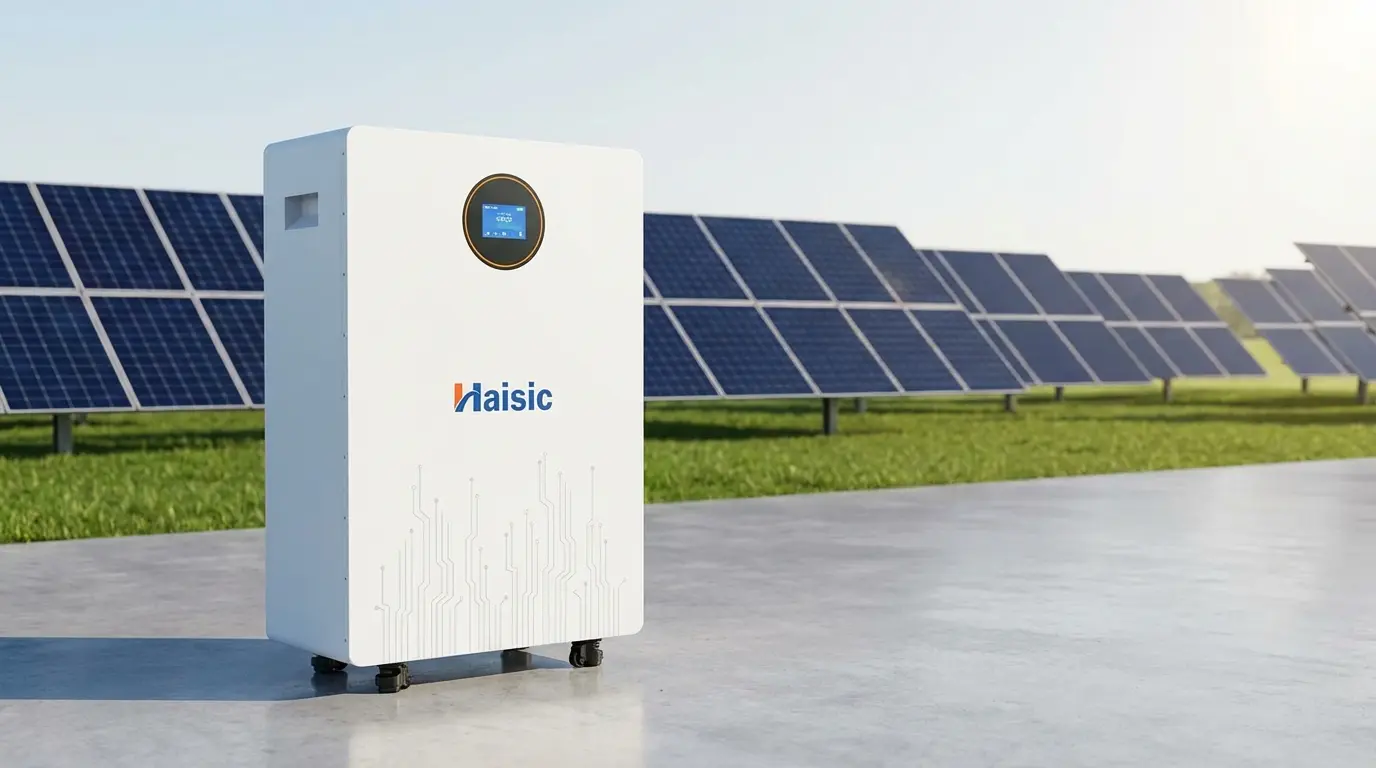
Deciphering Lithium Chemistries: Why LiFePO4 Wins in 2026
При инвестировании в lithium ion battery for solar, the specific chemistry inside the casing dictates safety, longevity, and performance. While the market offers various options, the industry has decisively shifted toward Lithium Iron Phosphate (LiFePO4) as the superior standard for stationary energy storage.
LFP vs. NMC: A Head-to-Head Comparison
For years, Nickel Manganese Cobalt (NMC) batteries dominated the market due to their high energy density, making them popular for electric vehicles where weight is critical. However, for a жилую ESS or commercial solar project, weight is less important than stability.
- Срок службы: LiFePO4 batteries consistently deliver 6 000+ циклов at 80% Depth of Discharge (DoD), whereas typical NMC batteries often degrade after 2,000–3,000 cycles.
- Безопасность: The chemical structure of LFP is inherently non-combustible. It does not release oxygen during thermal events, virtually eliminating the risk of thermal runaway—a critical safety factor for systems installed in homes or garages.
Thermal Stability for Residential Installations
Temperature management is the silent killer of battery efficiency. LiFePO4 chemistry boasts a wider operating temperature range and superior thermal stability compared to other lithium ion battery solar options. This makes LFP the preferred choice for indoor installations where safety is paramount. Our systems are engineered to operate efficiently without the complex, active cooling systems often required by volatile chemistries, simplifying maintenance and reducing failure points.
The Haisic Standard: High-Grade LiFePO4
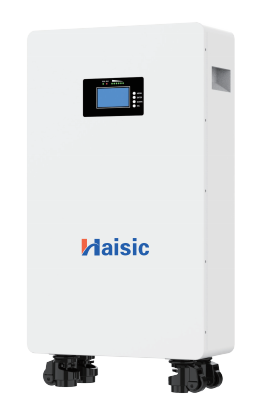
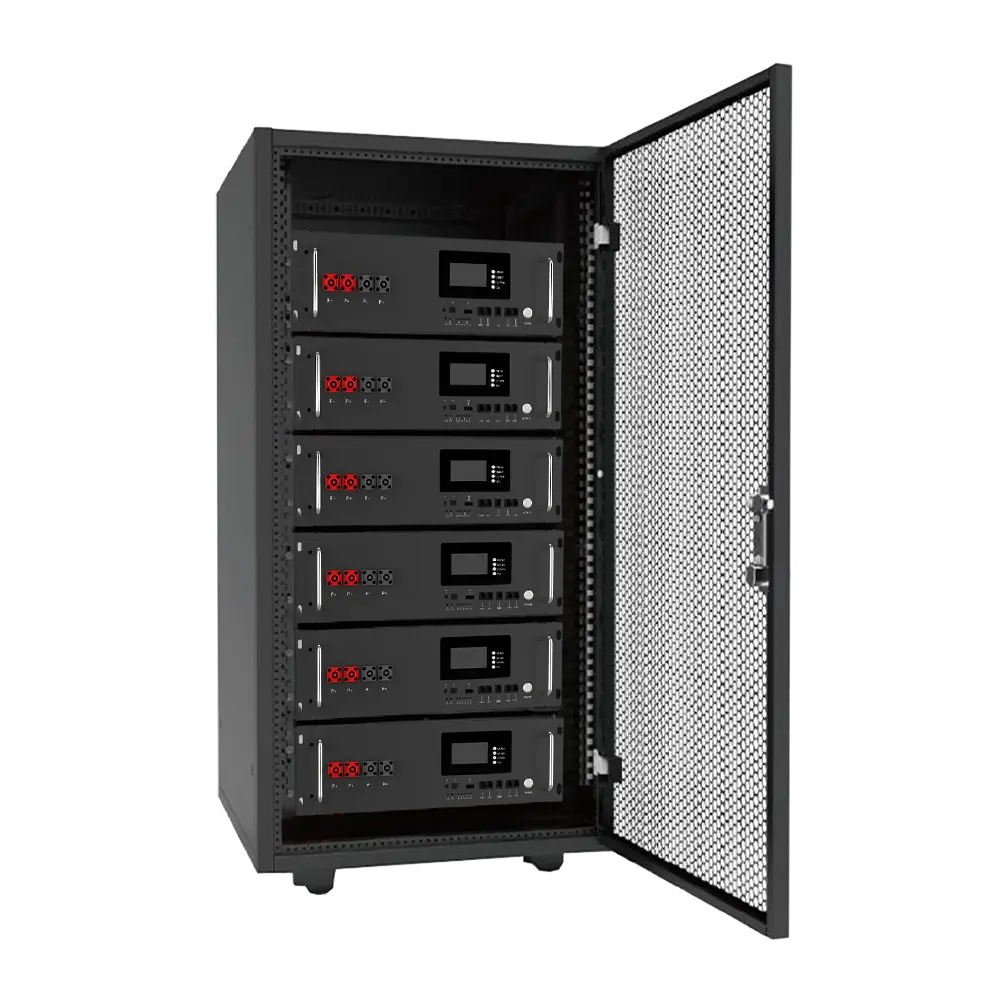
At Haisic, we don\’t compromise on cell quality. We exclusively utilize automotive-grade LiFePO4 cells for our 51.2V battery systems. Whether you are looking at our wall-mounted units or scalable rack-mounted modules, every product is built on a foundation of safety and endurance. By prioritizing high-quality LFP chemistry, we ensure that your transition to solar energy storage is a long-term investment, not a short-term experiment.
The Economics of Longevity: Cycle Life & ROI
При оценке a lithium ion battery solar system, the initial sticker price is often the most misleading metric. As manufacturers, we look at the long-term value, specifically focusing on the \”Levelized Cost of Storage\” (LCOS). This calculation reveals the true cost of every kilowatt-hour you store and retrieve over the battery\’s entire lifespan.
Understanding Cycle Life: Budget vs. Professional Grade
Not all lithium chemistries are created equal. A standard consumer-grade battery might offer 2,000 to 3,000 cycles before its capacity degrades significantly. In contrast, professional-grade LiFePO4 (Lithium Iron Phosphate) systems are engineered for endurance.
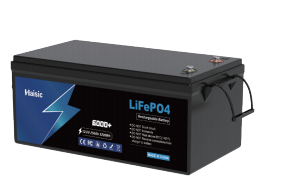
At Haisic, our литиевая солнечная батарея solutions are rated for 6,000+ charge cycles. This longevity fundamentally changes the economics of your investment:
- Budget Battery: Replaced every 5–7 years.
- Professional LiFePO4: Operational for 15+ years.
By investing in high-cycle technology, you effectively lock in a lower energy price for over a decade, avoiding the inflation and replacement costs associated with cheaper alternatives.
The 95% Efficiency Factor: Preventing Energy Leakage
Efficiency is the hidden profit margin in solar storage. Round-trip efficiency measures how much energy you get out compared to how much you put in. Old lead-acid technologies often waste 15-20% of harvested energy as heat.
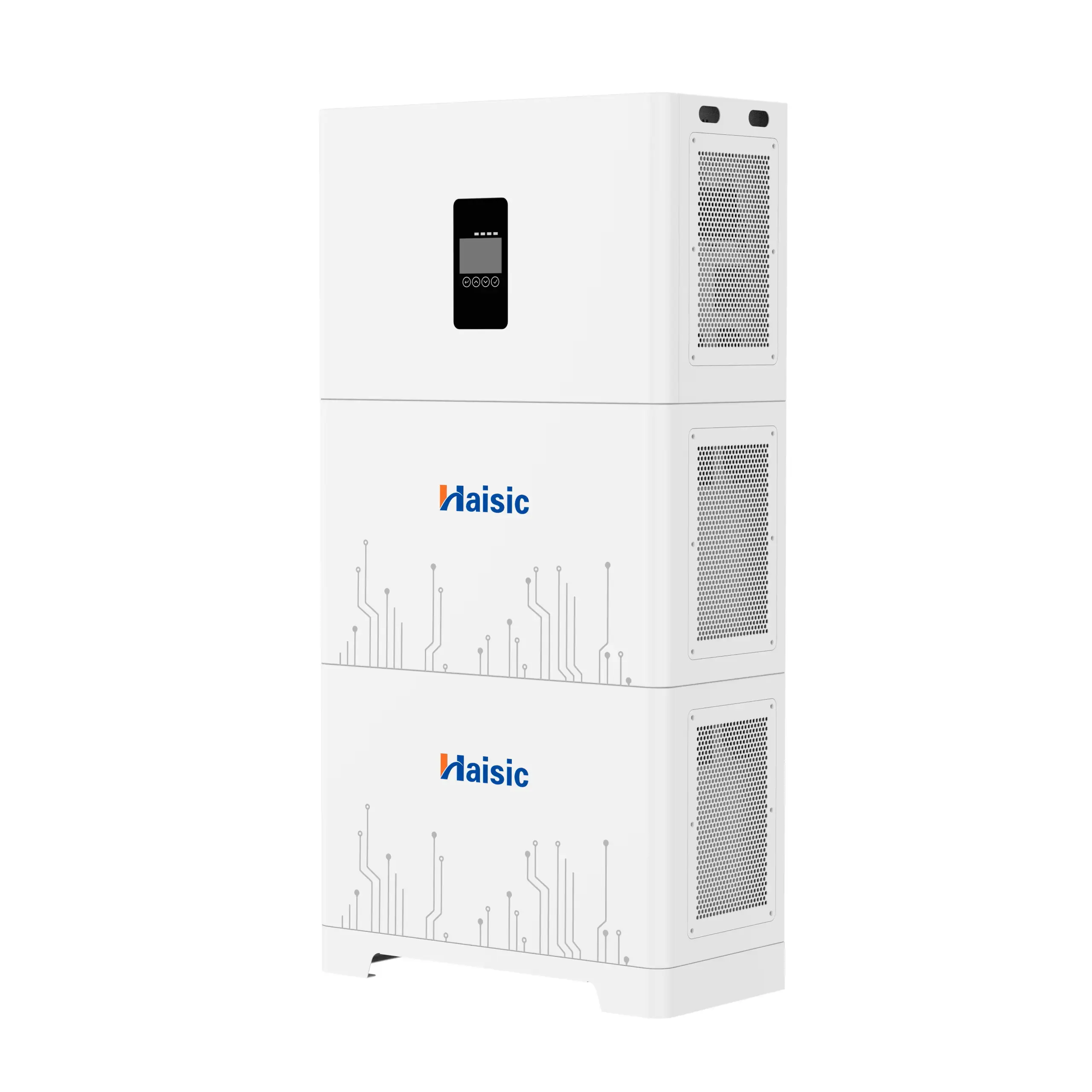
Modern lithium systems aim for a far higher standard. High-quality LiFePO4 cells offer excellent round-trip efficiency, often exceeding 95% at the cell level. This means almost every watt your solar panels generate is captured and available for use. For larger residential or commercial needs, our high-voltage stacked systems utilize high-voltage connections to further reduce current transmission losses, ensuring that your solar harvest isn\’t lost to \”energy leakage\” before it even powers your home.
Smart Management: The Role of the Integrated BMS
Высокопроизводительная lithium ion battery solar cURL Too many subrequests. Система управления батареей (BMS) cURL Too many subrequests.
cURL Too many subrequests.
cURL Too many subrequests.
cURL Too many subrequests.
cURL Too many subrequests. cURL Too many subrequests. cURL Too many subrequests.
- cURL Too many subrequests. cURL Too many subrequests.
- Продленный срок службы: cURL Too many subrequests. cURL Too many subrequests., cURL Too many subrequests.
- Эффективность: cURL Too many subrequests.
cURL Too many subrequests.
cURL Too many subrequests.
cURL Too many subrequests.
cURL Too many subrequests. lithium ion battery solar cURL Too many subrequests.
cURL Too many subrequests.
cURL Too many subrequests.
- Крепления на стену: cURL Too many subrequests.
- cURL Too many subrequests. cURL Too many subrequests.
cURL Too many subrequests.
cURL Too many subrequests. lithium ion battery for solar cURL Too many subrequests.
cURL Too many subrequests.
Бесшовная совместимость с инверторами
cURL Too many subrequests. литиевой батареи для хранения солнечной энергии cURL Too many subrequests.
cURL Too many subrequests.
cURL Too many subrequests.
cURL Too many subrequests. lithium ion battery solar cURL Too many subrequests.
cURL Too many subrequests.
cURL Too many subrequests.
- cURL Too many subrequests. cURL Too many subrequests.
- cURL Too many subrequests. cURL Too many subrequests.
cURL Too many subrequests.
cURL Too many subrequests.
cURL Too many subrequests.
cURL Too many subrequests. large-scale battery energy storage system, you need a partner that guarantees compliance. We back our manufacturing with comprehensive certifications like UL, CE, and UN38.3, ensuring that every unit leaving our factory meets strict global safety standards.
Frequently Asked Questions (FAQs) regarding Lithium Ion Battery Solar Storage
How many years does a lithium solar battery actually last?
At Haisic, we engineer our systems for longevity, not just temporary storage. Our LiFePO4 (Lithium Iron Phosphate) units are rated for 6000+ charge cycles. In practical terms, if you cycle the battery once every single day, you are looking at over 15 years of service life before the capacity degrades significantly. This far outlasts traditional lead-acid alternatives, making the long-term ROI on a lithium ion battery solar setup much higher.
Is LiFePO4 safer than standard NMC lithium batteries?
Safety is our primary reason for choosing LiFePO4 chemistry over NMC (Nickel Manganese Cobalt). LFP batteries have a superior thermal and chemical stability. They possess a much higher threshold for thermal runaway, meaning they do not catch fire or explode under high temperatures or physical stress. This stability makes them the safest choice for residential indoor installations and critical commercial projects.
Can I add more modules to my battery system later?
Yes, scalability is central to our design philosophy. We understand that energy needs grow over time. Whether you use our wall-mounted units or rack-mounted systems, our BMS supports parallel connections. You can start with a smaller capacity and add more modules later without replacing your inverter. For more details on system integration, you can read about cURL Too many subrequests. to see how modular expansion fits into daily life.
What is the ideal depth of discharge for maximizing battery life?
Одна из огромных преимуществ литий-ионный аккумулятор для солнечного хранения is the usable capacity. Unlike lead-acid batteries, which should not be drained below 50%, our LiFePO4 systems can safely handle a Depth of Discharge (DoD) of 80% to 90% daily. This allows you to utilize nearly all the energy you store without shortening the battery\’s lifespan.