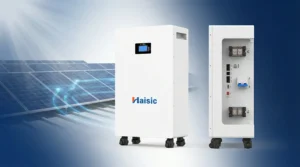


What Is a Lithium Battery Backup System?
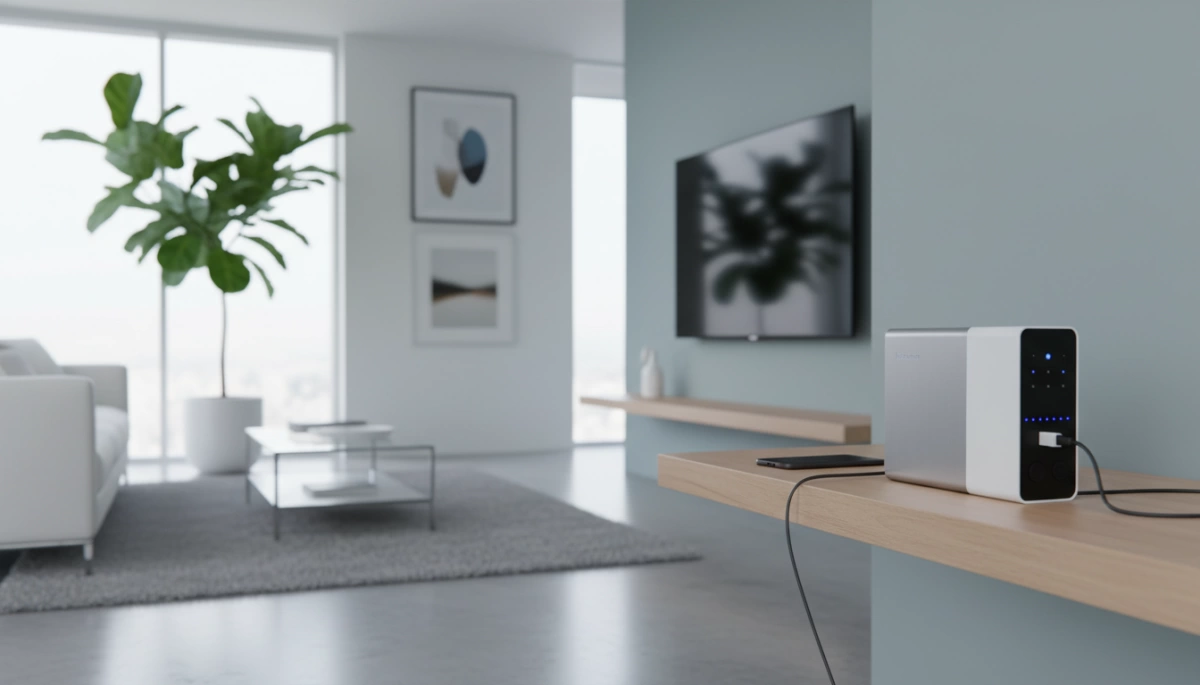
Ever worry about the lights going out and staying out? You aren\’t alone. A lithium battery backup system is your silent, reliable insurance policy against power outages. Unlike old-school gas generators that require maintenance and fuel, these systems are smart, clean energy storage solutions designed to keep your essential appliances running instantly when the grid fails.
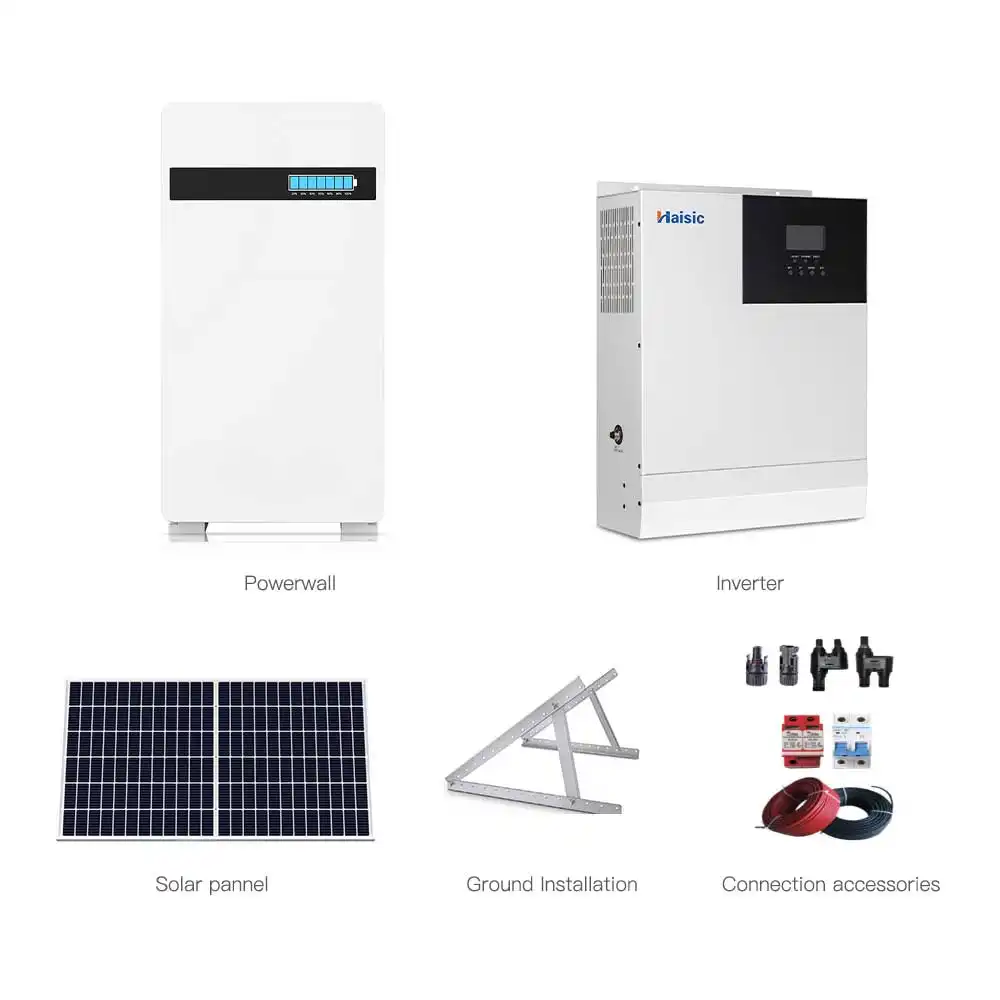
At its core, a home power backup system relies on four critical components working in harmony:
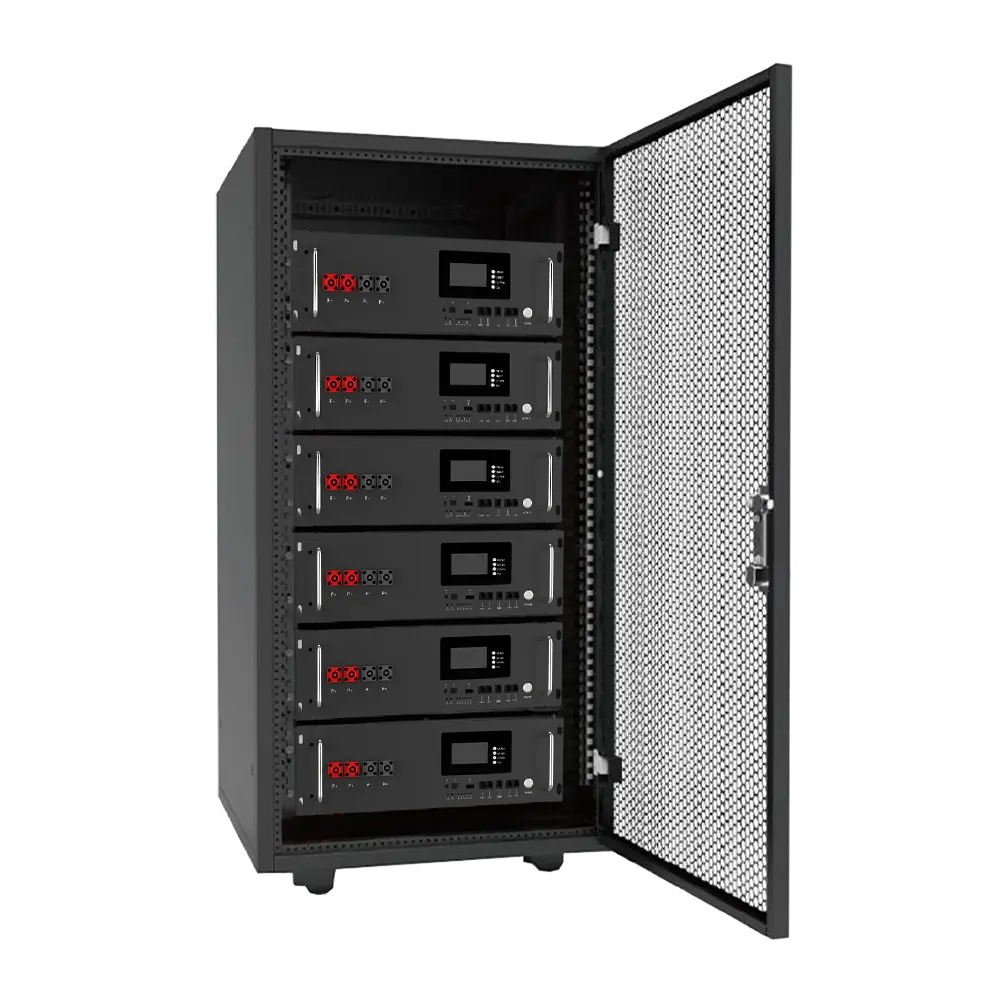
- The Battery Bank: The \”fuel tank\” that stores electrical energy.
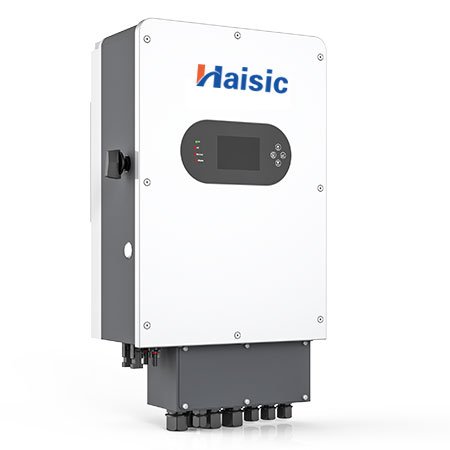
- The Inverter: Converts the DC electricity stored in the battery into the AC power your fridge, lights, and devices need.
- Charge Controller: Regulates the voltage and current coming from the grid or solar panels to charge the battery efficiently.
- Battery Management System (BMS): The brain of the operation. This critical chip monitors temperature, voltage, and current to prevent overcharging and ensure safety.
Primary Chemistries: LiFePO4 vs. NMC
Not all lithium ion battery backup units are created equal. The chemistry inside the cell dictates longevity and safety.
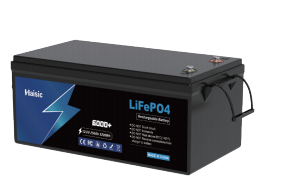
- LiFePO4 (Lithium Iron Phosphate): This is currently the gold standard for stationary storage. A LiFePO4 backup battery offers superior thermal stability (it doesn\’t catch fire easily) and provides thousands of life cycles, often lasting over a decade.
- NMC (Nickel Manganese Cobalt): Often found in smartphones and EVs because it is lightweight and energy-dense. However, for home backup, it generally has a shorter lifespan and lower safety threshold compared to LiFePO4.
- Other Chemistries: Older lead-acid replacements exist, but they lack the efficiency and depth of discharge of modern lithium tech.
Common Configurations for Every Need
Whether you are looking to keep a router running or power an entire house, there is a configuration that fits:
- Standalone Batteries: Individual 12V or 48V batteries used to build custom DIY banks.
- Integrated Power Stations: Portable \”solar generators\” containing the battery, inverter, and BMS in one portable box—perfect for camping or apartments.
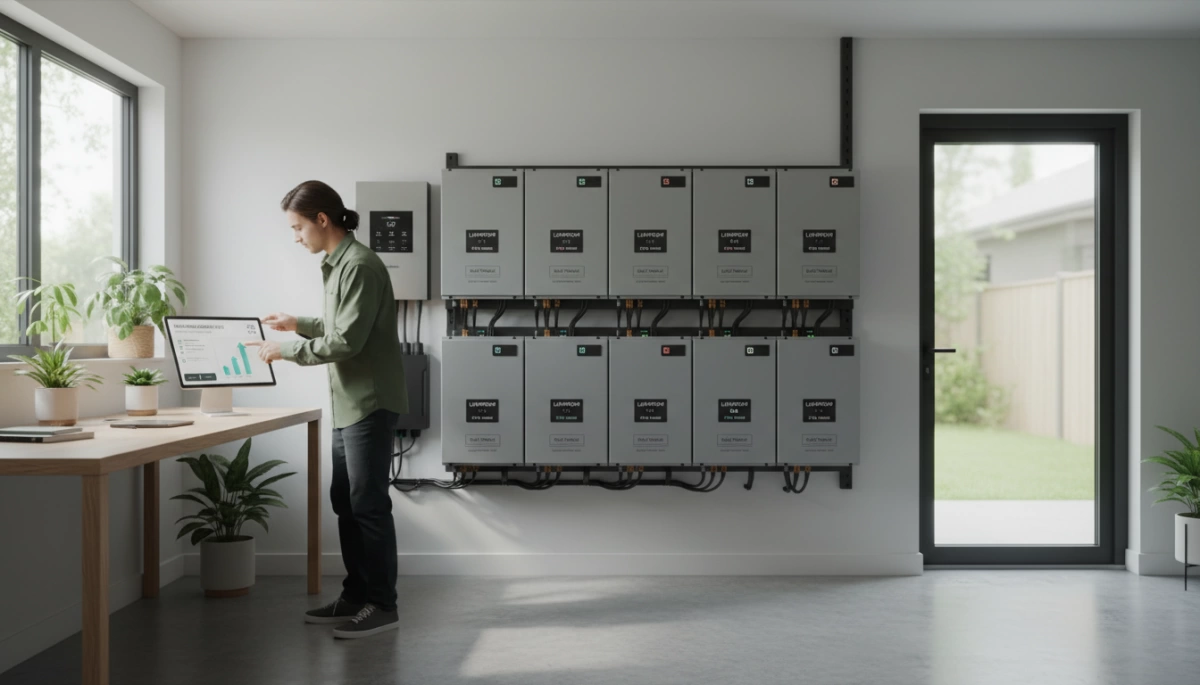
- Whole-Home Systems: Large, hardwired units that act as a lithium ion UPS (Uninterruptible Power Supply) for your entire property, switching over automatically the second the power cuts.
Would you like me to outline the cost-benefit analysis between these lithium systems and traditional gas generators next?
Key Advantages of Lithium Battery Backup Over Traditional Options
When we talk about securing power for your home or business, the technology has shifted. Traditional lead-acid batteries and noisy gas generators are quickly being replaced by modern lithium battery backup systems. Why? Because reliability and efficiency aren\’t just luxuries anymore—they are requirements. We see customers globally moving toward LiFePO4 backup battery solutions because they solve the biggest headaches of older power storage methods: weight, maintenance, and short lifespans.
Lithium vs. Lead-Acid vs. Gas Generators
To understand why lithium is the superior choice, let\’s look at the numbers. A lithium vs lead acid comparison shows a stark difference in performance, while gas generators fall behind in convenience and noise.
| Feature | LiFePO4 Lithium Battery | Lead-Acid (AGM/Gel) | Gas Generator |
|---|---|---|---|
| Cycle Life | 3,000 – 6,000+ cycles | 300 – 500 cycles | N/A (Engine hours) |
| Lifespan | 10 – 15 Years | 3 – 5 Years | Variable (High maintenance) |
| Usable Capacity (DoD) | 95% – 100% | ~50% (to avoid damage) | N/A |
| Maintenance | None (Zero maintenance) | Regular checks/Watering | Frequent (Oil, filters, fuel) |
| Indoor Safe | Yes (No fumes) | Yes (with ventilation) | No (Carbon Monoxide risk) |
| Weight | Lightweight | Heavy & Bulky | Heavy |
Unmatched Cycle Life and Depth of Discharge (DoD)
The biggest advantage of a deep cycle lithium battery is how much of the energy you can actually use. With traditional lead-acid systems, you are limited to using only 50% of the rated capacity; draining them further destroys the battery.
With our lithium solutions, such as our high-voltage 128V 50Ah LiFePO4 systems, you can utilize nearly 100% of the stored energy without degrading the battery\’s health. This means you need fewer batteries to achieve the same runtime, saving significant space. Furthermore, while lead-acid batteries degrade after a few hundred cycles, a quality lithium ion battery backup will deliver reliable power for thousands of cycles, often lasting over a decade.
Weight, Charging Speed, and Maintenance
Time is money, and lithium battery backup systems respect both.
- Rapid Charging: Lithium batteries accept charge current much faster. This is critical when recharging via solar panels during a short window of sunlight or quickly topping up from the grid before a storm hits.
- Zero Maintenance: Unlike generators that need oil changes or flooded lead-acid batteries that require watering, LiFePO4 batteries are \”install and forget.\”
- Lightweight Footprint: Lithium is about one-third the weight of lead-acid. This makes installation easier and allows for wall-mounting in tight spaces.
Total Cost of Ownership Breakdown
Many customers hesitate at the initial price tag of a lithium backup battery. However, the math proves the value.
- Lead-Acid: Low upfront cost, but you must replace them every 3–5 years. You also need to buy twice the capacity to get the same usable power due to the 50% DoD limit.
- Lithium (LiFePO4): Higher initial investment, but one system lasts 8–15 years.
When you calculate the cost per kWh over a 10-year period, the lithium battery lifespan makes it the most economical choice. You aren\’t just buying a battery; you are pre-paying for a decade of secure, maintenance-free energy.
Would you like me to help you calculate the exact size of lithium battery bank needed for your specific energy requirements in the next section?
Safety Features That Matter
When you bring a lithium battery backup system into your home or business, safety isn\’t just a spec sheet detail—it is the absolute priority. We understand that storing energy requires trust, which is why modern systems have moved far beyond the volatile batteries of the past.
The LiFePO4 Advantage: Stability First
We primarily use LiFePO4 backup battery chemistry (Lithium Iron Phosphate) because it is widely recognized as the safest lithium technology available. Unlike the lithium-cobalt batteries found in old laptops or phones, LiFePO4 has an extremely stable chemical structure.
- No Thermal Runaway: It withstands high temperatures without catching fire.
- Cobalt-Free: Eliminating cobalt reduces the risk of combustion and makes the battery more environmentally friendly.
- Physical Durability: These cells are robust and handle physical stress better than pouch cells.
The \”Brain\” Inside: Battery Management System (BMS)
A raw battery is dangerous; a managed battery is safe. Every unit we deploy includes a sophisticated Battery management system (BMS). This built-in computer constantly monitors the health of the cells, ensuring operation stays within safe limits.
For example, our 12V 70Ah LiFePO4 deep cycle batteries rely on intelligent BMS integration to prevent common failures.
What the BMS protects against:
- Overcharging: Stops current when the battery is full to prevent swelling.
- Deep Discharge: Cuts off power before the battery drains to a damaging level.
- Temperature Extremes: Shuts down operation if the environment gets too hot or too freezing.
- Short Circuits: Instantly disconnects the circuit if a fault is detected.
Indoor-Safe and Fume-Free
One of the biggest selling points for a safe indoor battery backup is the lack of emissions. Unlike gas generators or unsealed lead-acid batteries, a lithium system does not vent toxic gases. You don\’t need special ventilation shafts or outdoor storage. You can install them in a utility room, garage, or even a closet without worrying about carbon monoxide or acid leaks.
| Safety Feature | Lithium (LiFePO4) | Lead-Acid (Flooded) | Gas Generator |
|---|---|---|---|
| Toxic Fumes | None (Zero Emissions) | Yes (Hydrogen gas) | Yes (Carbon Monoxide) |
| Indoor Safe | Yes | Requires Venting | No (Outdoor only) |
| Fire Risk | Extremely Low (Stable) | Low | High (Flammable Fuel) |
| Maintenance | None | Watering Required | Oil/Filter Changes |
By choosing a high-quality lithium ion battery backup, you are choosing a \”set it and forget it\” solution that protects your property rather than endangering it.
Real-World Applications for Lithium Battery Backup
When we deploy a lithium battery backup, it is not just about storing electricity; it is about ensuring continuity when the grid fails. Modern LiFePO4 technology is rapidly replacing noisy generators because it offers silent, instant power across a variety of critical scenarios.
Here is where these systems truly shine:
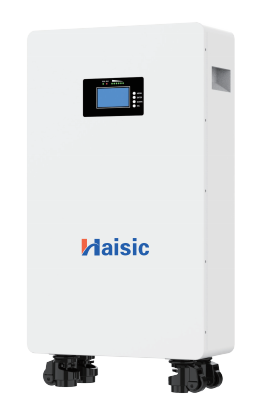
- Residential Security: For homeowners, a home power backup system is the line of defense against spoilage and discomfort. These units effortlessly keep refrigerators running, lights on, and sump pumps active during storms. Crucially, they support medical devices like CPAP machines. Because this is a safe indoor battery backup solution (no fumes), you can easily install high-capacity touchscreen home energy storage systems inside a utility room or garage.
- Small Business Continuity: Downtime kills revenue. An office lithium battery backup bridges the gap during outages, protecting sensitive servers, keeping routers online, and ensuring security systems and cameras never go dark.
- Off-Grid & Portable Freedom: For the adventurers, a deep cycle off-grid lithium battery is essential. Unlike gas generators, they provide silent power for RVs, camping trips, and remote cabins. We see a massive shift toward complete off-grid solar power setups that allow for total energy independence in remote locations.
- Critical Infrastructure: On a larger scale, telecom towers, data centers, and healthcare facilities rely on the high discharge rates and reliability of lithium systems to prevent catastrophic data loss or equipment failure.
Would you like me to detail how to calculate the exact size of battery needed for a specific home or business scenario in the next section?
How to Size Your Lithium Battery Backup System
Getting the size right is the most critical step in building a reliable lithium battery backup solution. If you undersize it, you\’re left in the dark when you need power most; oversize it, and you\’re paying for capacity you\’ll never use. We see many customers guessing their requirements, but accurate sizing comes down to simple math: calculating your total energy consumption in Watt-hours (Wh).
Step-by-Step Power Calculation
To figure out exactly what you need, follow this three-step process:
- Identify Your Essential Loads: List every device you absolutely need during a blackout. For most, this includes the refrigerator, Wi-Fi router, a few LED lights, and charging for phones or laptops.
- Determine Wattage: Check the label on each device for its running wattage. If a device is rated in amps, multiply amps by volts (usually 120V or 230V) to get watts.
- Calculate Watt-Hours: Multiply the wattage of each device by the number of hours you need it to run.
- Formula: Total Watts × Desired Runtime (Hours) = Total Capacity Needed (Wh).
If you are struggling to crunch the numbers, our guide on determining how much battery storage you need can help you audit your home\’s energy profile effectively.
Real-World Sizing Scenarios
To give you a clearer picture, here is how different home power backup system needs look in practice:
-
The \”Essentials Only\” (8-Hour Backup):
- Load: Refrigerator (150W), Wi-Fi (10W), Lights (20W), Phone Charging (10W).
- Total Draw: ~190W per hour.
- Requirement: ~1,520Wh of battery capacity. A standard 2kWh portable unit or small LiFePO4 backup battery handles this easily.
-
The \”Whole Home\” (Multi-Day Extended Runtime):
- Load: Essentials plus Sump Pump, TV, Microwave, and occasional Coffee Maker use.
- Total Draw: 10-15kWh per day.
- Requirement: A scalable system like a 5kW energy storage solar system paired with 10kWh+ of battery storage is necessary to keep running for days, especially if you are recharging via solar panels.
Crucial Tips for Accurate Sizing
- Account for Inverter Efficiency: Batteries produce DC power, but your home uses AC. The inverter converts this, usually with about 85-95% efficiency. Always add a 15% buffer to your calculation to account for this loss.
- Watch for Surge Power: Appliances with motors (like fridges and pumps) require a spike of power to start up—often 3x their running wattage. Ensure your backup power inverter can handle this peak surge, even if the battery capacity is sufficient for the runtime.
- Depth of Discharge (DoD): Unlike lead-acid batteries which shouldn\’t be drained below 50%, a deep cycle lithium battery can safely be discharged up to 90-95%. This means you can buy a smaller, lighter lithium battery to do the same job as a massive lead-acid bank.
Installation and Integration Tips
Getting your lithium battery backup up and running doesn\’t have to be complicated, but doing it right is crucial for safety and performance. Whether you are setting up a small off-grid lithium battery bank or a comprehensive whole home battery backup, the installation process dictates how reliable your power will be when the grid goes down.
DIY Options vs. Professional Installation
Knowing when to call a pro can save you money and keep you safe.
- DIY-Friendly: Portable lithium power stations and smaller 12V/24V drop-in replacements for RVs are generally plug-and-play. If you are comfortable with basic DC wiring, these are straightforward projects.
- Professional Required: For a hardwired home power backup system that connects to your main breaker panel, you need a licensed electrician. Handling high-voltage connections and transfer switches is not a hobbyist task.
Compatibility with Solar Panels (Hybrid Systems)
To get the most out of your investment, integrating solar battery storage is the way to go. This allows you to recharge your lithium backup battery during the day and run off that stored power at night.
The heart of this setup is the backup power inverter. You need a unit that can intelligently manage power from the grid, your solar panels, and the battery simultaneously.
- For Standard Homes: A reliable 3KW-6KW hybrid solar inverter with MPPT controller is often the sweet spot for managing essential circuits and keeping your batteries topped up efficiently.
- For Higher Demands: If you are running heavy loads like HVAC systems during an outage, upgrading to a robust 10KW single-phase hybrid inverter ensures you have enough overhead to start motors without tripping the system.
Best Practices for Wiring, Mounting, and Monitoring
Even though LiFePO4 backup batteries are safer than older technologies, following these guidelines ensures they last for over a decade.
- Proper Wiring: Always use the correct wire gauge (thickness) for your current draw. Undersized wires cause voltage drop and can be a fire hazard.
- Mounting Location: Install your system in a dry, temperature-controlled environment. While safe indoor battery backup systems don\’t vent toxic fumes, extreme heat or cold can reduce efficiency.
- Smart Monitoring: Most modern lithium systems come with a Battery Management System (BMS) that connects to a phone app. Use this to monitor your State of Charge (SoC) and cell health in real-time, so you are never caught off guard.
Maximizing Lithium Battery Backup Lifespan and Warranty Value
One of the massive selling points of a modern lithium battery backup is that you basically don\’t have to baby it. Unlike traditional lead-acid setups that require water refills, equalization charges, and constant checking, lithium systems are virtually maintenance-free. You install them, and they just work. This reliability significantly lowers the hassle and reduces the annual budget for home battery maintenance, allowing you to focus on your business or home rather than your utility room.
Factors That Extend Lithium Battery Lifespan
While these batteries are rugged, treating them right ensures you get every bit of value out of your investment. Here is what matters most for longevity:
- Temperature Control: Extreme heat and freezing cold are the enemies of battery chemistry. keeping your system in a temperature-controlled environment prevents degradation.
- Smart Charging: Rely on the built-in Battery management system (BMS) to handle cell balancing. It prevents overcharging and ensures no single cell works too hard.
- Depth of Discharge: Although deep cycle lithium batteries can handle being drained to 0%, keeping them between 20% and 80% during non-emergency use can extend their service life significantly.
decoding the Warranty: Cycles vs. Years
When you are comparing lithium battery backup options, the warranty tells you a lot about the quality of the cells inside. Don\’t just look at the number of years; look at the cycle life.
- Calendar Life: This is the standard time guarantee, usually ranging from 5 to 10 years.
- Cycle Life: This is crucial. A superior warranty will guarantee a specific number of cycles (e.g., 3,000 to 6,000 cycles) before the battery capacity drops below 80%.
The bottom line: A warranty that promises 10 years but only covers 500 cycles isn\’t enough for daily use. We always recommend looking for a balance that guarantees high performance for both the lifespan and the daily workload.
What would you like to do next?
Would you like me to draft the next section on \”Current Market Trends and What to Expect in 2026–2026\”?
Current Market Trends and What to Expect in 2026–2026
As we look ahead to the next couple of years, the landscape for lithium battery backup systems is shifting rapidly. We aren\’t just seeing incremental changes; the technology is maturing into a standard household appliance rather than a luxury add-on. Here is what I am seeing on the horizon for 2026 and 2026.
Price Stabilization and Affordability
The most significant change is the cost. Historically, the initial price tag was the biggest barrier to entry. However, as supply chains normalize and manufacturing scales up, the cost of LiFePO4 backup battery cells is stabilizing. This means home power backup systems are becoming increasingly affordable for the average global household, moving from niche early adopters to the mass market.
Advances in Energy Density and Smart Integration
Technology isn\’t standing still. We are seeing a massive push toward higher energy density, meaning you get more storage capacity in a smaller physical footprint. Furthermore, integration is key. Modern units are designed to talk seamlessly with your solar inverter and home automation apps.
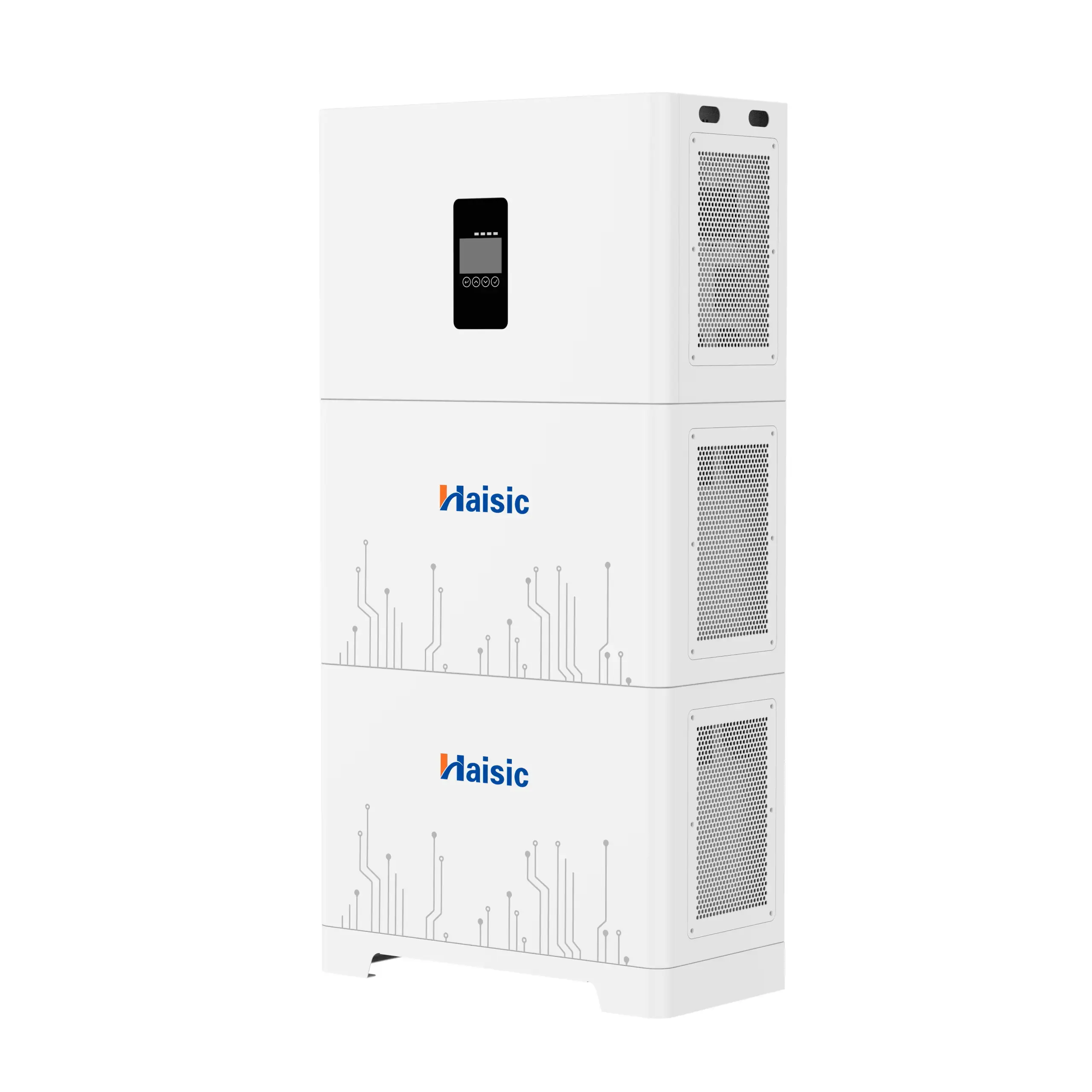
For example, advanced setups like the Haisic 26.88kWh high voltage LiFePO4 home energy storage system utilize high-voltage architectures to improve efficiency and reduce energy loss during conversion, representing the new standard for whole home battery backup.
Focus on Sustainability and Recyclability
ly, the industry is taking a hard look at the full lifecycle of these products.
- Eco-friendly Manufacturing: There is a growing emphasis on reducing the carbon footprint during the production of solar battery storage units.
- Recyclability: Manufacturers are designing batteries that are easier to disassemble and recycle at the end of their 10–15 year lifespan.
- Circular Economy: We expect to see more programs dedicated to recovering valuable materials from retired lithium ion backup batteries.
Next Step
Would you like me to analyze your specific energy usage to recommend the ideal battery capacity for your home?
Choosing a Reliable Lithium Battery Backup Solution
When you are ready to invest in a lithium battery backup, you can’t afford to guess. The market is flooded with options, but reliability comes down to a few non-negotiable criteria. First, look for a reputable manufacturer that provides transparent specifications—if they hide the cycle life or discharge rates, walk away. Certifications are your safety net; ensure any system you choose meets rigorous standards like UL and CE to guarantee safe operation in your home or business.
Why Haisic Stands Out
At Haisic, we don’t just assemble batteries; we engineer premium energy storage solutions designed for the long haul. Our focus is strictly on LiFePO4 backup battery technology because it offers the best balance of safety, lifespan, and thermal stability. Whether you need a compact setup or a massive array, our systems are built to withstand daily deep cycling without degrading. For residential needs, our touchscreen 20480Wh home energy storage battery offers an intuitive interface and robust power to keep your household running smoothly during outages.
Critical Questions to Ask Suppliers
Before you finalize a purchase, put the supplier to the test. A trustworthy partner will have clear answers to these questions:
- What is the specific cell chemistry? (Ensure it is LiFePO4 for maximum safety).
- Is the BMS proprietary? A high-quality Battery Management System (BMS) is crucial for preventing overcharging.
- How does the warranty work? Look for coverage based on cycles, not just years.
- Is the system expandable? You might need to add more capacity later, like our 51.2V 100Ah stackable energy storage battery, which allows you to grow your power reserves as your needs increase.
Next Step
Are you unsure which battery capacity is right for your specific loads? Contact our engineering team today, and we will help you calculate the exact kilowatt-hours required to keep your essential devices running.