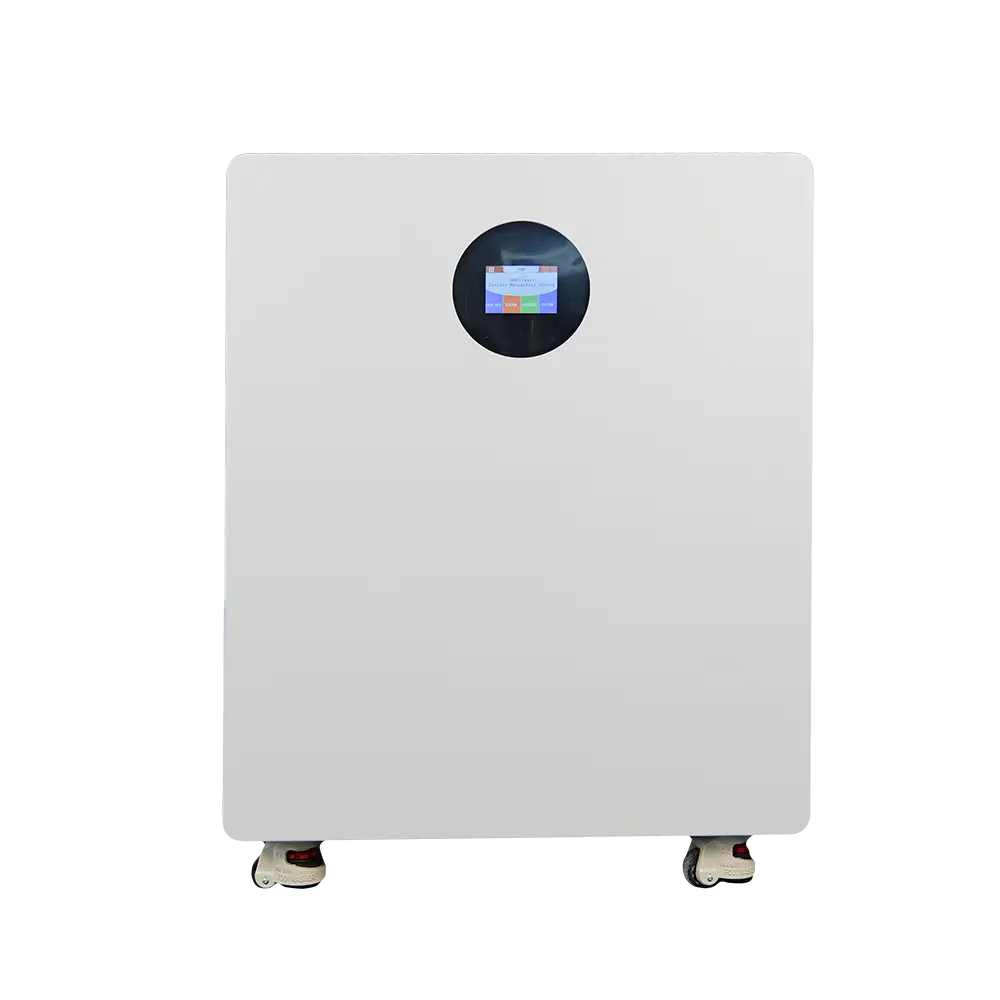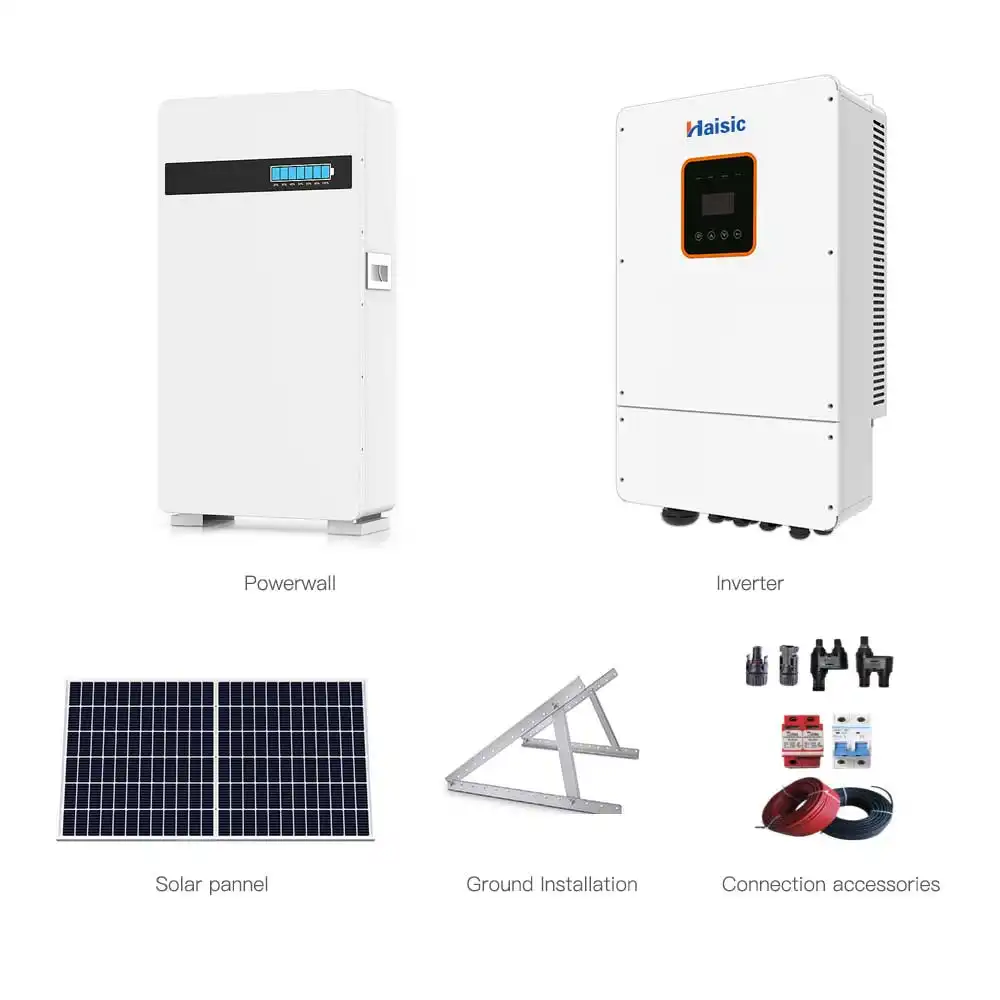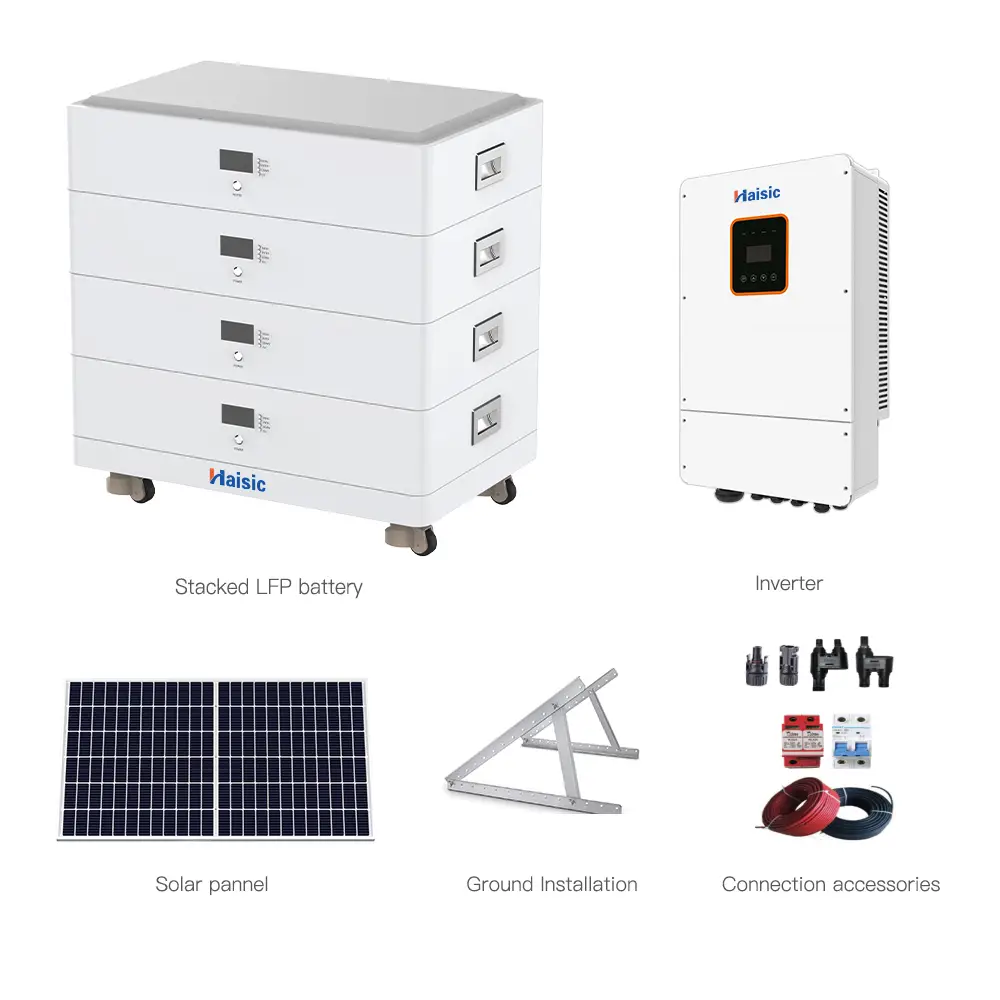
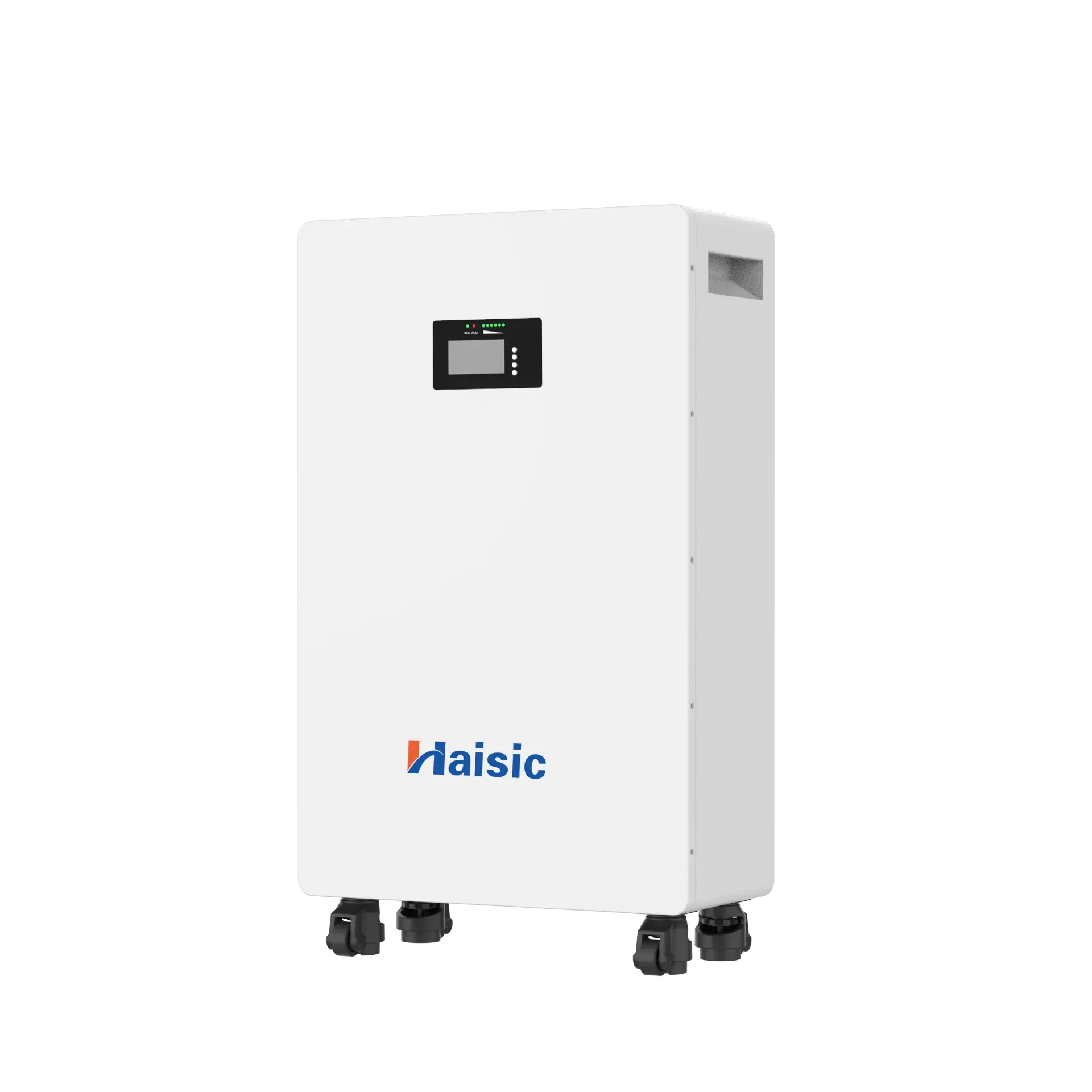
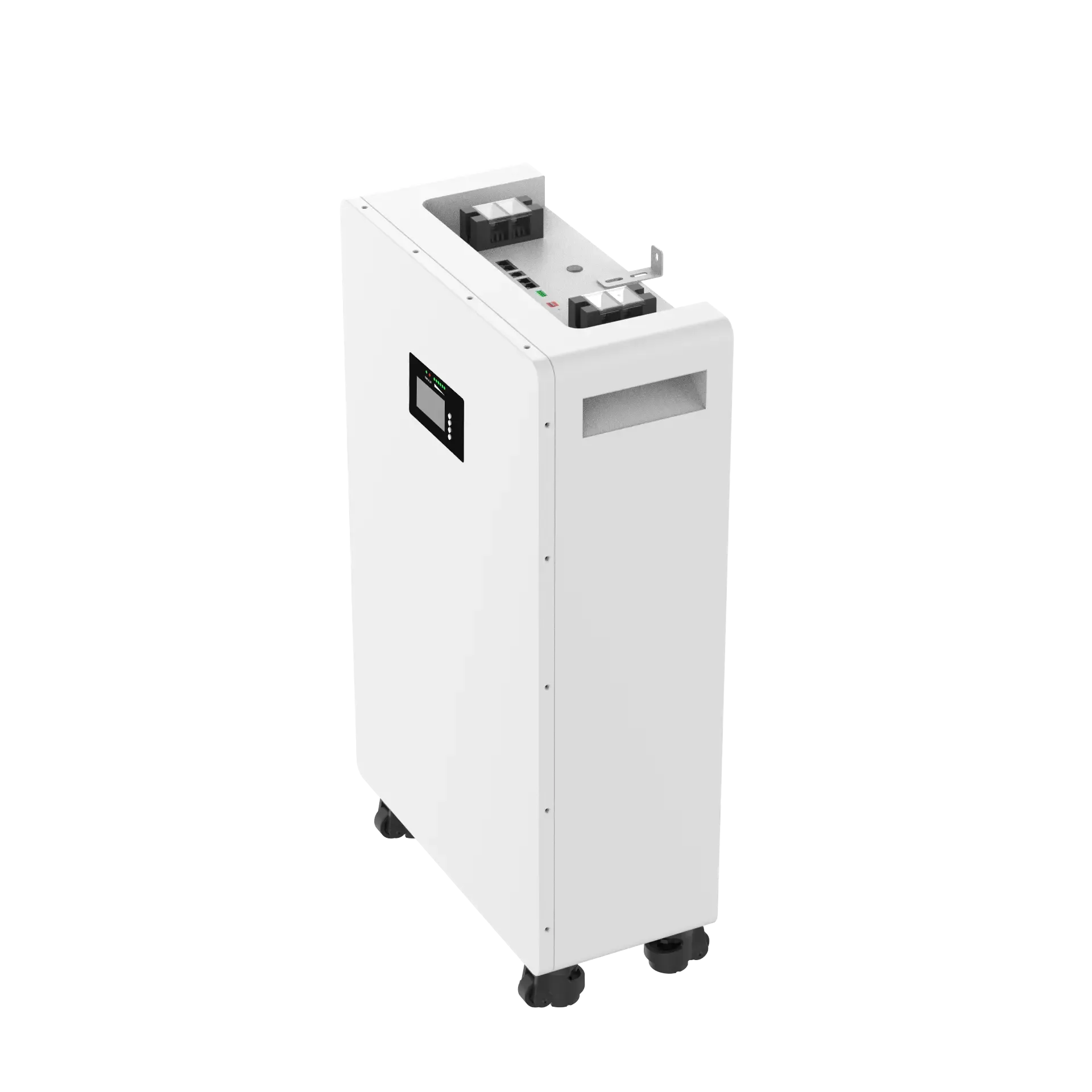
Haisic 15kWh LiFePO4 Solar Battery Pack 51.2V 305Ah
Haisic 15KWh Lifepo4 Solar Battery Pack 51.2V 305Ah for reliable home solar energy storage long cycle life high efficiency backup power
Product successfully added to the quotation
Haisic 15kWh LiFePO4 Solar Battery Pack 51.2V 305Ah Description
Haisic 15kWh LiFePO4 Solar Battery Pack 51.2V 305Ah Overview
The Haisic 15kWh LiFePO4 solar battery pack 51.2V 305Ah is a high‑capacity, wall‑mounted powerwall built for serious residential and small commercial energy storage. It’s a 48V nominal LiFePO4 storage solution designed to pair cleanly with modern solar inverters and deliver reliable, long‑life backup and daily cycling for global markets.
Who This 15kWh LiFePO4 Powerwall Is For
We engineered this Haisic LiFePO4 powerwall for users who need more than just “emergency only” backup:
- Homeowners wanting whole‑home or critical‑load backup plus daily solar self‑consumption
- Off‑grid users running cabins, tiny homes, farms or remote sites on a 48V solar battery bank
- Small businesses needing a compact residential energy storage system style unit for POS, IT, lighting and essential loads
Core Value With 48V Solar and Hybrid Inverters
Matched to a 48V solar inverter or hybrid inverter, this 51.2V 305Ah lithium pack delivers:
- Clean integration with most 48V off‑grid and hybrid inverters
- High usable energy for solar backup powerwall applications
- Stable DC bus voltage for better inverter efficiency and lower system stress
In practice, you get a plug‑and‑play, stackable LiFePO4 battery module that simplifies design and reduces BOS complexity.
What 15kWh Usable Capacity Means In Real Life
With around 15kWh usable capacity, a single unit can typically:
- Cover whole‑home backup for several hours, depending on load
- Run critical loads (fridge, lights, fans, Wi‑Fi, outlets) through long evening peaks
- Support daily cycling for self‑consumption and time‑of‑use optimization without deep stressing the pack
This is a true 15kWh home solar battery, not a small UPS.
15kWh vs 5kWh or 10kWh Solar Batteries
Compared with smaller 5kWh or 10kWh LiFePO4 batteries:
- You need fewer units and fewer connections, which improves reliability
- You gain enough capacity to support heavier loads like pumps, AC (short periods), and home offices
- System design is simpler and usually more cost‑effective per kWh than multiple tiny packs
For many homes, 5kWh is “too small”, 10kWh is “borderline”, and 15kWh hits the practical sweet spot.
When One 15kWh Pack Is Enough – And When To Stack
A single 15kWh Haisic powerwall is typically enough when:
- The home is efficient and you’re backing up essential loads only
- You want evening self‑consumption plus short‑to‑medium outage coverage
- Your inverter is in the 5–8kW range and you rarely hit maximum load for long
Stacking 2–4 units makes sense when:
- You need full off‑grid capability or multi‑day autonomy
- You have a larger inverter (8–15kW) and frequent heavy loads
- You’re designing a small business microgrid or an off‑grid solar battery bank
In short, our 15.6kWh wall‑mounted battery class gives you a flexible building block: start with one Haisic unit, then scale as your loads or solar array grow.
Key Features of Haisic 15kWh LiFePO4 Solar Battery Pack
I built the Haisic 15kWh LiFePO4 powerwall to be a simple, tough and flexible 48V residential energy storage system for real homes and small businesses.
15kWh 51.2V 305Ah high usable capacity
- 15kWh home solar battery (51.2V, 305Ah) for serious backup and daily cycling
- Ideal as a main solar backup powerwall or core off‑grid solar battery bank
- Stable 48V nominal LiFePO4 storage that works with most hybrid inverters
Safe, long‑life LiFePO4 chemistry
- High‑cycle lithium iron phosphate cells for 6,000+ cycle design life (under typical use)
- Naturally safer than many lithium chemistries; no active cooling or venting fans needed
- IP65 waterproof LiFePO4 enclosure for dusty garages, utility rooms and semi‑outdoor installs
Smart BMS with Bluetooth, RS485 and CAN
- Integrated Bluetooth BMS solar pack for quick status checks on your phone
- RS485/CAN ports for direct communication with many 48V hybrid inverters
- Supports advanced control, SoC reporting and future firmware upgrades
200A high power output
- Continuous 200A discharge for heavy household loads (heat pumps, well pumps, AC, tools)
- Strong surge capability for appliances with high startup current
- Fits typical 5–10kW residential inverter sizes
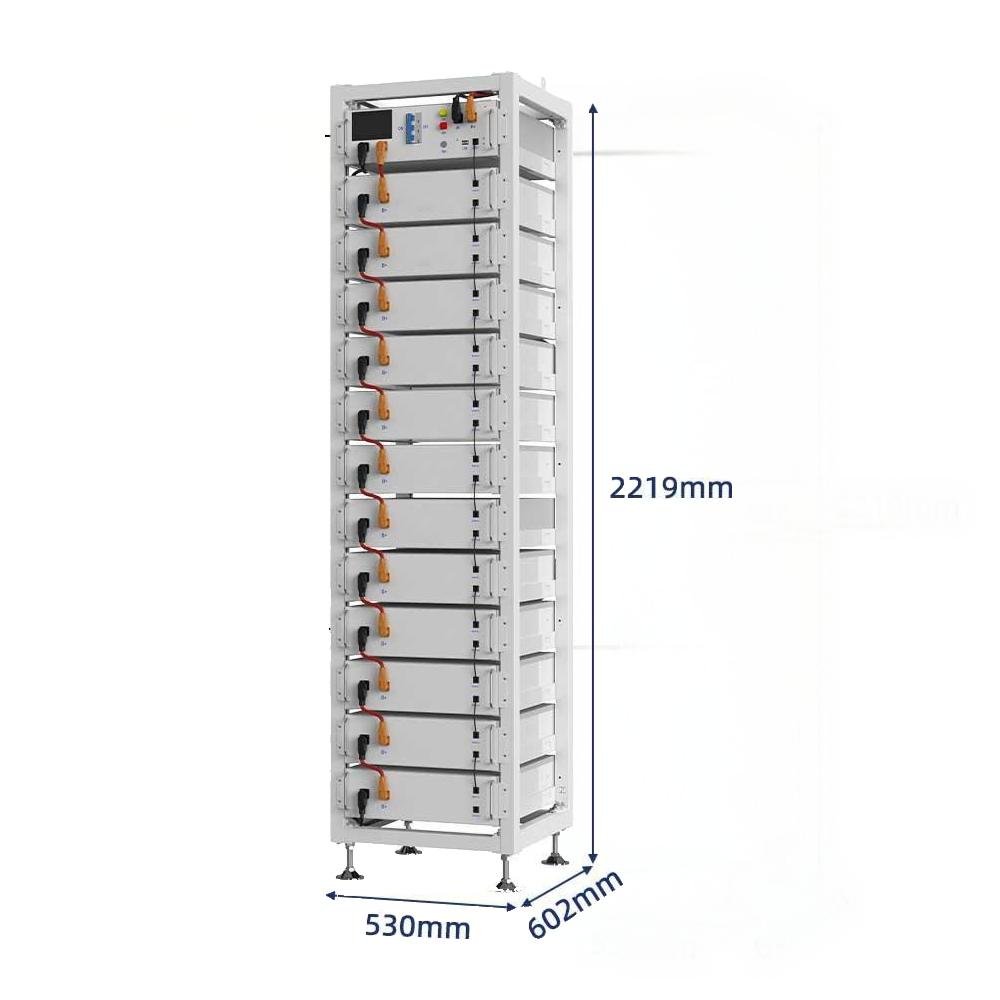
Modular, stackable LiFePO4 battery module
- Each 51.2V 305Ah lithium pack is a 15kWh building block; stack multiple units for larger banks
- Clean wall‑mounted 15.6kWh-style battery layout with front access terminals
- Form factor and voltage well suited for Felicity‑compatible 15kWh battery systems
Key Specs At A Glance
| Feature | Haisic 15kWh Pack |
|---|---|
| Energy / Voltage / Capacity | 15kWh, 51.2V nominal, 305Ah |
| Chemistry | LiFePO4 (high‑cycle lithium iron phosphate) |
| Max continuous discharge | 200A |
| BMS & comms | Smart BMS, Bluetooth, RS485, CAN |
| Design | Stackable, wall‑mounted, IP65 enclosure |
| Use case | Residential energy storage, off‑grid, small business backup |
Technical specs – Haisic 15kWh LiFePO4 solar battery pack 51.2V 305Ah
I build this Haisic LiFePO4 powerwall as a 48V nominal residential energy storage system with clean, simple specs that work for real homes and small businesses.
Core electrical specs
| Item | Spec (typical) |
|---|---|
| Battery type | 51.2V 305Ah LiFePO4 (lithium iron phosphate) |
| Nominal voltage | 51.2V (48V class) |
| Nominal capacity | 305Ah |
| Total energy | ≈ 15.6kWh |
| Usable energy | ≈ 14–15kWh (recommended daily use range) |
| Configuration | Wall‑mounted 15kWh home solar battery |
- This 51.2V 305Ah lithium pack is sized for daily cycling in a solar backup powerwall or off‑grid solar battery bank.
Charge / discharge and inverter sizing
| Item | Spec (typical use) |
|---|---|
| Max continuous discharge | Up to 200A (≈ 10kW at 51.2V) |
| Recommended continuous discharge | ≤ 150A for best lifespan |
| Recommended charge current | 50–100A (≈ 2.5–5kW charging power) |
| Peak power (short bursts) | Higher than continuous, BMS‑limited |
| Inverter size (single pack) | ~5–10kW 48V inverter / hybrid inverter |
- Works well with 5kW, 6kW, 8kW class 48V inverters, including many Felicity‑compatible 15kWh battery inverters and other mainstream brands.
Efficiency and cycling
| Item | Spec (typical) |
|---|---|
| Round‑trip efficiency | Up to ~95% (battery side) |
| Cycle use | Daily charge/discharge ready |
| Chemistry | High‑cycle lithium iron phosphate |
- Designed for long‑term daily solar charging and discharging with minimal energy loss.
Mechanical and enclosure
| Item | Spec (typical) |
|---|---|
| Mounting | Wall‑mounted or floor‑stand (stackable module) |
| Enclosure type | Sealed steel cabinet, residential‑grade |
| Installation space | Slim, compact footprint for garages/utility rooms |
- If you need exact dimensions and weight for your project, I always recommend checking the latest datasheet or asking my team so we size brackets and clearances correctly.
Environmental and IP rating
| Item | Spec (typical) |
|---|---|
| Ingress protection | IP65 waterproof LiFePO4 enclosure |
| Recommended install location | Indoor or semi‑outdoor, dry and shaded |
| Charge temperature | Approx. 0°C to +50°C |
| Discharge temperature | Approx. -20°C to +55°C |
- IP65 helps protect against dust and water jets, which is important for global customers installing in garages, utility rooms, coastal areas, or humid climates.
Communication and integration
| Item | Spec |
|---|---|
| BMS type | Smart Bluetooth BMS solar pack |
| Communication ports | RS485, CAN (and often dry contact/RS232) |
| Protocols | Common solar BMS protocols (e.g. Modbus/CAN) |
| Integration | Works with many 48V hybrid inverters and energy storage inverters |
- The smart BMS lets the 51.2V 305Ah LiFePO4 battery talk directly to compatible inverters for SOC, alarms, and charge profile control.
- You can monitor the stackable LiFePO4 battery module via app or inverter display, which makes setup, support, and long‑term use much easier.
Solar System Compatibility and Inverter Pairing – Haisic 15kWh LiFePO4 Powerwall
How the 51.2V 305Ah lithium pack fits into 48V systems
I build the Haisic 15kWh LiFePO4 powerwall as a straight drop‑in for standard 48V residential energy storage systems.
- Nominal 51.2V LiFePO4 matches “48V nominal” inverter and hybrid inverter platforms.
- Works in grid‑tie with backup, hybrid, and off‑grid solar battery bank setups.
- Fits both 120/240V split‑phase (US, Canada) and 220–240V single‑phase or 3‑phase systems (EU, UK, AU, Asia, Africa) through the inverter, not directly from the battery.
Supported inverter power ranges for a 15kWh home solar battery
For a single 15kWh, 51.2V 305Ah lithium pack:
- Recommended inverter/hybrid inverter size: 3kW – 8kW continuous.
- Short‑term surge loads are handled via the inverter, while the battery BMS supports up to 200A discharge.
- For 8kW–12kW+ systems, I stack multiple Haisic stackable LiFePO4 battery modules to share current and extend runtime.
Example inverter pairings and Felicity‑compatible setups
This 48V nominal LiFePO4 storage pack pairs well with most mainstream 48V inverters that support LiFePO4 profiles or user‑defined curves, including:
- Popular brands in home solar markets: Growatt, Deye, Luxpower, Victron, SMA, GoodWe, Solis, and similar.
- Many customers use it as a Felicity‑compatible 15kWh battery, running in lithium or user‑defined mode.
- The smart Bluetooth BMS solar pack communicates via RS485/CAN, so it can integrate with inverters that support open protocols or Haisic‑mapped profiles.
(Always confirm exact model compatibility with us or your installer before final selection.)
On‑grid, backup‑only, and off‑grid layouts
You can use this Haisic LiFePO4 powerwall in several ways:
- On‑grid self‑consumption – Hybrid inverter, PV + battery, export limit or zero‑export where required.
- Backup‑only solar backup powerwall – Battery and inverter sit idle until grid fails, then power essential loads.
- Fully off‑grid – 48V off‑grid inverter/charger + PV + generator input for cabins, farms, small business microgrids.
AC‑coupled vs DC‑coupled with Haisic packs
Both options work; I choose based on the project:
- DC‑coupled (hybrid inverter)
- Best efficiency for daily cycling and high‑cycle lithium iron phosphate use.
- Cleaner wiring and simpler control in new builds.
- AC‑coupled (separate PV inverter + battery inverter)
- Ideal for retrofits where PV is already installed.
- Flexible for mixed brands and staged upgrades.
Key checks before pairing with an existing inverter or charge controller
Before you connect a Haisic 15.6kWh wall‑mounted battery (15kWh class) to any system, I always confirm:
- Voltage – Inverter/charger must support 48V nominal LiFePO4.
- Charge profile – Adjustable absorption/float voltages and LiFePO4 or custom battery type.
- Current limits – Inverter charge/discharge current must stay within the pack’s BMS limits (typically ≤100–150A continuous per pack for long life).
- Communication – CAN/RS485 protocol options match your inverter, or the system can run safely in “battery no‑comms / generic lithium” mode.
- Environment – Installation location supports an IP65 waterproof LiFePO4 enclosure and stays within allowed temperature range.
- Local standards – Breakers, fuses, DC isolators, and wiring sized correctly for up to 200A, in line with local electrical code.
As a Haisic energy storage supplier, I always advise sharing your inverter model and system layout with us or your installer so we can confirm compatibility and design a clean, reliable 10‑year warranty solar storage setup from day one.
Home energy storage with Haisic 15kWh LiFePO4 powerwall
I designed the Haisic 15kWh LiFePO4 powerwall (51.2V 305Ah) to cover the real‑world use cases I see every day in home and small commercial solar projects.
Grid outage backup for typical homes
For most homes, one Haisic 15kWh home solar battery is enough to ride through common blackouts while keeping life normal.
- Keeps essentials running: lighting, fridge/freezer, internet, router, laptops, fans, and a circulation pump
- Works as a clean, quiet alternative to generators
- Pairs with 48V solar inverters to recharge from rooftop solar during long outages
Daily self‑consumption and bill savings
If you have solar, this 51.2V 305Ah lithium pack lets you store cheap daytime energy and use it when power rates are highest.
- Charge from solar at midday, discharge in the evening peak
- Cut grid imports and improve solar self‑consumption ratio
- Ideal for time‑of‑use tariffs and countries with rising electricity prices
Off‑grid cabins, tiny homes and RV setups
For off‑grid and mobile projects, the 15kWh LiFePO4 battery gives you reliable, high‑cycle storage in a compact footprint.
- Powers off‑grid cabins, tiny houses, farm sheds, RVs and vans
- Stable 48V nominal LiFePO4 storage for 24/7 independent power
- Can be expanded with extra stackable LiFePO4 battery modules as needs grow
Small business and light commercial microgrids
Many small businesses use multiple Haisic LiFePO4 powerwalls as a simple microgrid battery bank.
- Supports offices, small shops, clinics, telecom sites, workshops
- Smooths unstable grids and protects critical equipment
- Scales by stacking units for higher kW and kWh demand
Peak shaving and time‑of‑use optimization
With a smart inverter, this solar backup powerwall helps flatten your load profile:
- Discharge during peak-price windows to avoid high tariffs
- Limit maximum draw from the grid to reduce demand charges
- Works well in markets with aggressive TOU and demand pricing
What a 15kWh 51.2V 305Ah pack can typically support
Actual runtime depends on your loads, but to give you a feel, one 15kWh Haisic LiFePO4 powerwall can usually back up:
- Fridge + freezer
- Wi‑Fi, modem, computers, phone charging
- LED lights in key rooms
- TV or streaming device
- Circulation pump or small well pump
- 1–2 energy‑efficient AC units or fans (cycled, not all on max at once)
For heavier loads like whole‑home air conditioning, large ovens or machinery, I recommend stacking multiple Haisic 15.6kWh wall‑mounted batteries and matching them with a correctly sized hybrid inverter.
Installation Guide for Haisic 15kWh 51.2V 305Ah Powerwall
Site selection for the Haisic LiFePO4 powerwall
For the Haisic 15kWh LiFePO4 solar battery pack 51.2V 305Ah, I always recommend you treat location as your first safety device:
- Install indoors or semi‑outdoors: dry garage, utility room, technical room, or covered balcony; avoid direct sun, rain, or snow.
- Keep it cool and clean: ideal ambient temperature is roughly 0–40°C; avoid dusty, corrosive, or salty air (coastal spray).
- Solid mounting surface: masonry, concrete, or strong structural wall that can handle the full weight of the wall‑mounted battery.
- Leave working space: typically at least 200–300 mm clearance on sides and bottom for cables, airflow and service; avoid tight cupboards.
- Short cable runs: keep the battery close to the inverter / main DC combiner to reduce voltage drop and cable cost.
- Follow local code: some regions don’t allow batteries in bedrooms or small escape routes; check local residential energy storage rules.
Wall mount vs floor stand installation
The 15kWh home solar battery is designed as a compact wall‑mounted powerwall, but it also works well on a floor stand:
- Wall‑mount:
- Best for garages, plant rooms, and strong walls.
- Saves floor space and keeps the 51.2V 305Ah lithium pack away from flooding risk.
- Make sure the bracket is anchored into structure, not drywall only.
- Floor‑stand:
- Better for light‑duty walls or rental properties where you want fewer fixings.
- Ideal when stacking multiple stackable LiFePO4 battery modules.
- Use a level, stable base, and keep the unit secured against tipping.
| Mounting type | Typical use case | Key clearances (guide only) |
|---|---|---|
| Wall‑mounted | Single 15kWh residential energy system | 200–300 mm sides & bottom |
| Floor‑stand | Multi‑battery off‑grid solar battery bank | 200 mm rear & sides, free front |
Always follow the mounting template and torque specs in the installation manual from Haisic.
Basic wiring: battery, inverter and breakers
At a high level, connecting the Haisic LiFePO4 powerwall into a 48V nominal solar storage system looks like this:
- DC side:
- Positive and negative DC cables from the battery to a DC breaker / fuse, then on to the hybrid inverter or DC bus.
- Ground/earth connection from the battery chassis to the building earth bar as per local code.
- Communication cable (RS485 or CAN) from the battery’s smart BMS to the inverter for SOC, alarms and charge control.
- AC side:
- The inverter’s AC output connects to the main distribution board / backup sub‑panel.
- Grid input (for hybrid systems) connects to the main AC supply.
On the DC side, keep polarity correct, use properly crimped lugs, and never work on the 48V LiFePO4 storage while it is energized.
Cable sizes, fuses and disconnects for 200A systems
The Haisic 15kWh 51.2V 305Ah lithium pack supports up to 200A discharge, so cabling and protection must match:
- DC cable sizing (guide only, always confirm to local standards):
- For up to 200A continuous, many installers choose 70–95 mm² copper (approx. 2/0–4/0 AWG), depending on run length and voltage drop.
- Keep runs as short and straight as possible; oversize if you have longer distances.
- Protection and disconnects:
- DC fuse or breaker rated above the max continuous current (e.g. 200–250A DC).
- Lockable DC disconnect switch between battery and inverter for safe isolation.
- Properly rated lugs and busbars; no mixing of undersized connectors.
- Surge protection and AC breakers sized to the inverter’s AC rating on the grid and load side.
Local electrical code (NEC, IEC, etc.) always wins; if there’s any doubt, bring in a licensed electrician.
Commissioning the Haisic 15kWh home solar battery
Once the Haisic IP65 LiFePO4 powerwall is mounted and wired, I follow a simple commissioning sequence:
- Visual and torque check
- Confirm all DC/AC cables are tight, correctly sized, and free of damage.
- Check fuses, breakers, and disconnects are installed and labeled.
- Power‑up sequence
- Turn on the battery’s BMS/power switch as per the manual.
- Close the DC breaker/disconnect to the inverter.
- Inverter configuration
- Select LiFePO4 or “user‑defined lithium” battery type in the inverter menu.
- Set battery voltage, charge and discharge current limits, and SOC parameters according to Haisic specs.
- If supported, select the matching Haisic or “Felicity‑compatible 15kWh battery” protocol profile in the hybrid inverter.
- Communication check
- Connect RS485/CAN cable and confirm the inverter reads correct SOC, voltage, and temperature from the Bluetooth BMS solar pack.
- Check there are no alarms on either the inverter or the battery.
- Functional test
- Charge the battery from solar or grid for a short period and confirm current flow and SOC increase.
- Add a moderate household load (lights, sockets) and verify discharge behavior and backup transfer.
When you need a licensed electrician
Even though the DC side of a 48V nominal LiFePO4 storage system feels “low voltage”, most global markets require a licensed electrician for parts of the job:
- You should use a licensed electrician when:
- Connecting the hybrid inverter or charger to the main AC panel or backup sub‑panel.
- Installing or upgrading breakers, RCDs/RCCBs, and surge protection devices.
- Pulling new AC circuits, running conduit, or modifying the service entrance.
- Obtaining permits and coordinating with inspectors or the utility for grid‑connected systems.
- Typically, the electrician will:
- Verify cable sizing, breaker ratings, and grounding for the whole residential energy storage system.
- Make all AC terminations and safety labeling.
- Support final inspection and sign‑off so your Haisic energy storage system passes local compliance checks on the first try.
Handled this way, the Haisic 15kWh LiFePO4 powerwall installs cleanly, safely, and is ready to deliver reliable solar backup power for years.
Performance, Efficiency and Cycle Life of Haisic 15kWh LiFePO4 Solar Battery
High Efficiency With Common Solar Inverters
Our Haisic 15kWh LiFePO4 powerwall is built for high round‑trip efficiency in real systems, not just on paper.
In a typical 48V residential energy storage system with a quality hybrid inverter:
- You can expect around 93–96% round‑trip efficiency at the battery level.
- Losses mainly come from the inverter and wiring, not the 51.2V 305Ah lithium pack itself.
- For most homes, that means you keep most of your solar energy for evening and backup use.
Real-World Runtime of the 15kWh 51.2V 305Ah Pack
Here’s a simple view of what a single 15kWh home solar battery can support during an outage (assuming ~12kWh usable to leave some reserve):
| Load Profile | Approx. Power Draw | Estimated Runtime* |
|---|---|---|
| Essential loads only (lights, WiFi, fridge) | 400–600W | 18–24+ hours |
| Typical small home (lights, fridge, TV, fan) | 1–1.5kW | 7–10 hours |
| Heavier use (AC or multiple big appliances) | 2–3kW | 3–5 hours |
*Real runtime depends on inverter efficiency, temperature, and how low you discharge.
Cycle Life and Depth of Discharge
We design this stackable LiFePO4 battery module for long life under daily cycling:
- At around 80% depth of discharge (DoD): typically 6000+ cycles.
- At 50% DoD: cycle life can extend even further, ideal for frequent use and backup.
- At 100% DoD regularly: still strong performance, but you will shorten long‑term lifespan.
For a Global homeowner cycling once per day, 6000 cycles means 15+ years of theoretical cycles; in practice, most users hit time‑based aging first.
Long-Term Daily Performance (5–10 Years)
High‑cycle lithium iron phosphate (LiFePO4) chemistry keeps performance stable:
- Capacity loss is gradual and predictable with normal use.
- After 5–10 years of daily cycling, you can still expect a solid majority of the original capacity, if used within recommended limits.
- Power output remains strong, so the battery can still support heavy household loads with a 200A discharge.
Temperature Impact on LiFePO4 Health
Temperature has a direct impact on any off‑grid solar battery bank:
- Best range: roughly 15–30°C (59–86°F) for long life and full capacity.
- Cold: capacity drops temporarily, but the battery returns to normal when it warms up.
- High heat (over ~35°C / 95°F for long periods): speeds up aging and reduces cycle life.
We recommend installing the IP65 enclosure in a shaded, ventilated indoor or semi‑outdoor area for stable performance.
Tips to Maximize 51.2V 305Ah Battery Lifespan
To get the most from your Haisic LiFePO4 powerwall in daily use:
- Avoid deep discharges every day – aim for 70–80% DoD for best balance of runtime and life.
- Keep it cool – avoid direct sun and hot, enclosed spaces.
- Use a compatible inverter/BMS profile – correct LiFePO4 charging settings protect the cells.
- Do not leave it empty for long – keep state of charge above 15–20% during outages or non‑use.
- Update monitoring settings – use the Bluetooth BMS or communication ports to watch voltage, SOC, and temperature.
With these habits, a single Haisic 15kWh 51.2V 305Ah LiFePO4 solar battery can deliver stable, efficient power for many years in a modern residential or small commercial energy storage system.
Haisic 15kWh LiFePO4 Solar Battery Safety & Protection
I design the Haisic 15kWh LiFePO4 powerwall to be safe first, powerful second. Here’s how I protect your home, business, and off‑grid system.
Safer LiFePO4 Chemistry
LiFePO4 is the base of the safety story:
- Much lower fire risk than NMC and other lithium chemistries
- No explosive gas like lead acid, no regular venting needed
- Very stable under high load and deep cycles
- Handles daily cycling for years with less risk of swelling or leakage
Smart BMS Protection (Core Safety Layer)
The 51.2V 305Ah lithium pack uses a smart BMS tuned for 48V solar and hybrid inverters:
- Over‑charge protection – stops charge when cells hit safe voltage
- Over‑discharge protection – cuts output before harmful deep drain
- Over‑current / short‑circuit protection – reacts in milliseconds
- Cell balancing – keeps each cell at similar voltage for long life
- Communication – Bluetooth BMS, RS485, CAN for inverter and app data
Temperature Monitoring & Auto Protection
I don’t let the pack run outside safe temperature limits:
- Multiple internal temperature sensors
- Auto charge/discharge cutback if temps are too high or too low
- Recommended operating range designed for global climates
- Protects capacity and slows aging over years of use
Safety Features At A Glance
| Safety Feature | What It Does | Why It Matters |
|---|---|---|
| LiFePO4 chemistry | Stable, non‑volatile cell structure | Lower fire and explosion risk |
| Smart BMS (Bluetooth/RS485/CAN) | Controls charge, discharge, comms | Protects cells and links to inverter/app |
| Over‑charge / over‑discharge cutoffs | Stops unsafe voltage levels | Prevents early failure and damage |
| Short‑circuit & over‑current protection | Breaks output during faults | Protects wiring, inverter and property |
| Temperature monitoring | Adjusts or stops operation by temperature | Safer use in hot/cold environments |
| IP65 waterproof lifepo4 enclosure | Dust‑tight, water‑resistant casing | Secure for garages, utility rooms, harsh air |
Safe Installation Basics (What I Require)
For this 15kWh home solar battery and solar backup powerwall, I recommend:
- Proper grounding – bond the enclosure and system per local code
- Correct cable sizing – sized for up to 200A continuous current
- DC breakers / fuses – rated for system voltage and fault current
- Ventilation space – keep around the battery for heat dissipation
- Rigid mounting – wall‑mounted or on a stable stand, no flex or wobble
- Clear access – room to reach disconnects and labels easily
Certifications & Compliance
I build the Haisic 15.6kWh wall‑mounted battery to meet common global standards so inspectors and utilities are comfortable signing off:
- Core safety & quality: CE, UL‑related design practices, UN38.3 transport testing
- Ingress protection: IP65 enclosure for dust and water resistance
- Compliance‑ready with common residential energy storage system rules:
- Supports typical NEC / IEC style wiring layouts
- Clear polarity, rating and warning labels for inspectors
- Works with listed breakers, disconnects and certified inverters
With the right installer and local code checks, this stackable LiFePO4 battery module gives you utility‑grade safety in a compact, high‑cycle lithium iron phosphate powerwall.
Warranty & Support for Haisic 15kWh LiFePO4 Powerwall
I treat the Haisic 15kWh LiFePO4 solar battery pack like a long‑term asset, so the warranty and support are built to match that.
10‑Year / Cycle Warranty Overview
For the Haisic 15kWh home solar battery (51.2V 305Ah lithium pack), I offer a clear, long‑life warranty:
| Item | Policy (Typical) |
|---|---|
| Warranty type | Up to 10 years or cycle‑based (whichever first) |
| Product type | Haisic 15kWh LiFePO4 powerwall, 48V nominal |
| Usage scenario | Residential energy storage system |
| Capacity guarantee | Capacity above a defined % after set cycles |
What’s Covered vs Not Covered
Covered in normal home use:
- Manufacturing defects in cells, BMS, and enclosure
- Abnormal capacity loss within the warranty terms
- Failures under proper installation and rated use (on‑grid, backup, off‑grid)
Not covered:
- Mis‑wiring, wrong inverter settings, or no protections (no fuses/breakers)
- Operation outside spec (over voltage, over current, extreme temps)
- Unauthorized repairs, opening the 51.2V 305Ah lithium pack, or physical damage
- Commercial over‑stress use beyond declared design limits
Getting Technical Support
You’re not on your own after delivery. For any Haisic LiFePO4 powerwall question:
- Before and during install:
- Send us your inverter model, wiring plan, and photos
- We confirm compatibility and recommended settings (RS485/CAN, charge voltages, etc.)
- After commissioning:
- Remote support via email, messaging, or installer portal
- Help reading Bluetooth BMS data, alarms, and logging performance
Warranty Claims & Performance Checks
If something doesn’t look right:
- You share basic info: serial number, install date, inverter brand, country.
- We collect data: error codes, BMS screenshots, photos of wiring and breakers.
- Our engineers analyse remotely first; if needed, we involve your local installer.
- If it’s a valid warranty case, we handle repair, module replacement, or unit swap based on policy in your region.
Simple Maintenance & Periodic Checks
The Haisic IP65 waterproof LiFePO4 pack is low maintenance, but I still recommend:
- Visual check every 3–6 months: cables tight, no corrosion, no damage
- Confirm firmware/BMS settings remain correct after inverter updates
- Keep the 15.6kWh wall‑mounted battery clean, dry, and well ventilated
- Avoid chronic 0% SOC or 100% float for long periods; aim for daily cycling in the mid‑range
End‑of‑Life & Recycling
When the stackable LiFePO4 battery module reaches end of life:
- We support take‑back or recycling guidance through local partners where available
- You can send the 48V nominal LiFePO4 storage unit to certified lithium recycling facilities
- Our team can share packing and transport tips to comply with UN38.3 and shipping rules
My goal is simple: you install the Haisic 15kWh solar backup powerwall once, get reliable support when you need it, and have a clear path for both warranty and responsible end‑of‑life handling.
Pricing, Ordering and Custom System Design
15kWh LiFePO4 Battery Pricing Factors
For the Haisic 15KWh LiFePO4 Solar Battery Pack 51.2V 305Ah, final pricing mainly depends on:
- Configuration – single 15kWh home solar battery vs multi‑unit stackable LiFePO4 battery bank.
- System voltage & communication – simple “battery‑only” setup vs full residential energy storage system with CAN/RS485 integration.
- Order size – one unit for a home vs pallet or container orders for installers, EPCs and distributors.
- Logistics – shipping lane, local taxes, customs, liftgate or on‑site delivery needs.
- Accessories – DC breakers, combiner boxes, monitoring hardware, and matching inverter options.
I always size and price around the full use case, not just the battery label.
Cost vs Smaller Batteries and Lead Acid
When I compare options for customers, the 51.2V 305Ah lithium pack usually wins on lifetime cost:
- Vs multiple small batteries (5kWh / 10kWh):
- One 15kWh wall‑mounted battery means fewer cables, breakers, and brackets.
- Lower install time and less failure risk than wiring several small packs.
- Vs lead acid banks:
- LiFePO4 gives far more usable energy (deeper safe discharge) and high cycle life.
- No need for frequent replacement, equalization, or large ventilation space.
Total cost per kWh delivered over 10 years is where this high‑cycle lithium iron phosphate pack is hard to beat.
How to Request a Haisic Quote
To get accurate pricing from Haisic as your energy storage supplier, I usually ask customers for:
- Your location (country / city) and project type (home, off‑grid, small business).
- Planned inverter size and brand (helps confirm compatibility and cable kits).
- Target storage capacity – single 15.6kWh wall‑mounted battery or stacked system.
- Grid status – on‑grid, backup‑only, or fully off‑grid microgrid.
Then you can:
- Request a single‑unit quote for a home system.
- Request a bulk or OEM quote if you’re an installer, EPC or system integrator.
Lead Times, Shipping and Regions
For global customers, I plan projects around typical lead times like:
- Production & prep: usually days to a few weeks depending on volume.
- Sea or air freight: based on region, shipping lane, and project urgency.
- Delivery options: warehouse delivery, curbside, or jobsite depending on your partner carrier.
We ship Haisic LiFePO4 powerwall units into most major solar markets, always following local dangerous‑goods rules.
Custom System Design and Bundled Kits
Most buyers don’t just want a battery—they want a working residential energy storage system. That’s where we help:
- Design support: sizing the 48V nominal LiFePO4 storage, inverter power, and solar array for your loads.
- Installer / EPC coordination: we work with your local contractor or system integrator on wiring layouts, protection, and commissioning.
- Bundle options:
- Haisic 15kWh powerwall + hybrid inverter kits.
- Off‑grid solar battery bank bundles with PV, racking, and protection gear.
- Felicity‑compatible 15kWh battery setups where protocol and voltage match.
This way you’re not just buying a 51.2V 305Ah lithium pack—you’re locking in a complete, well‑matched solar backup powerwall solution that fits your home or business from day one.
Customer Experiences with Haisic 15kWh LiFePO4 Battery
Real‑world 15kWh Haisic powerwall feedback
From customers in the US, Europe, Australia, Africa, and Southeast Asia, the message is similar: the Haisic 15kWh LiFePO4 powerwall makes their solar systems feel “complete.”
Common feedback:
- Stable backup for fridges, lights, Wi‑Fi, and key outlets all night
- Smooth handover when the grid fails, with no flicker on sensitive electronics
- A clear step up from lead‑acid or small 5kWh lithium banks
Performance in outages and harsh weather
Users in storm‑prone and high‑heat regions push this 51.2V 305Ah lithium pack hard. They report:
- Multi‑hour and even full‑night backup during long blackouts
- Reliable performance in heat, humidity, and dusty environments when installed correctly
- Stable output for pumps, air‑conditioners (right-sized), and well motors when paired with the right inverter
Noise, space and daily interaction
Because it’s a wall‑mounted 15.6kWh home solar battery, most people just forget it’s there.
- Nearly silent operation (no fan noise in normal use)
- Small footprint on the wall of a garage, utility room, or store room
- Users mainly interact through inverter apps or the Bluetooth BMS, not the unit itself
Bill savings and solar self‑consumption
Homeowners using the Haisic LiFePO4 powerwall for self‑consumption see:
- Higher solar utilization, often over 70–80% of daily PV production
- Noticeable drops in evening and peak‑tariff bills
- In TOU markets, the battery is used to charge at low rates, discharge at peak, improving payback times
Installer impressions and build quality
Installers and EPC partners call this a stackable LiFePO4 battery module that is “straightforward to deploy”:
- Solid metal enclosure and IP65 build for real‑world sites
- Clear terminals and communication ports for fast integration
- Good compatibility with Felicity‑type 48V nominal lifepo4 storage inverters and other mainstream brands
Practical sizing and configuration tips from users
From real projects, users and installers tend to follow these rules of thumb:
- 1× 15kWh pack for small homes, cabins, or backup‑only systems
- 2–3× 15kWh (30–45kWh) for larger homes, small businesses, or off‑grid sites
- Match each 15kWh battery with roughly a 5–10kW hybrid inverter and 6–12kW of PV, depending on climate and usage
These experiences are exactly why I keep refining the Haisic residential energy storage system line: predictable backup, simple integration, and real savings for everyday users.
Frequently Asked Questions – Haisic 51.2V 305Ah Solar Battery Pack
How many Haisic 15kWh LiFePO4 batteries can I stack?
For our Haisic 15kWh LiFePO4 powerwall, you can build a larger off‑grid solar battery bank by stacking multiple units in parallel.
- Typical range: up to 8–16 units in one residential energy storage system (check the latest datasheet and local code limits).
- I always suggest sizing by your daily kWh use + desired backup hours, then choosing how many 15kWh home solar batteries you actually need.
- For small homes, 1–2 units are usually enough; for villas, shops or microgrids, 3+ units makes more sense.
What size inverter pairs best with one 15kWh 51.2V pack?
Our 51.2V 305Ah lithium pack works best with a 48V nominal LiFePO4 storage inverter.
- Ideal hybrid inverter range: 5 kW – 10 kW per 15kWh pack.
- For mainly backup use: 5–6 kW is usually fine.
- For heavy loads (AC, pumps, tools): I recommend 8–10 kW with proper current limits set to protect the 200A-rated battery.
How long can the 15kWh battery run my home in a blackout?
Runtime always depends on your actual load, but here’s a simple guide:
- Light essential loads (lights, router, phone/TV, fridge): 15–24 hours+
- Normal efficient home (3–5 kW average during outage): 3–5 hours
- Mixed loads with AC / big appliances: 1.5–3 hours
Most global users pair the Haisic 15kWh solar backup powerwall with load management (turning off non‑essential circuits) to stretch backup time.
Can I use the Haisic LiFePO4 powerwall in very hot or cold climates?
Yes, but temperature management matters for any high‑cycle lithium iron phosphate battery:
- Best operating range: 0°C to 40°C (32°F to 104°F) for daily cycling.
- Very cold (below 0°C / 32°F): charging current is limited by the BMS to protect cells; install indoors or in an insulated area.
- Very hot (above 40°C / 104°F): expect faster aging; I recommend shaded, ventilated, semi‑indoor locations.
- The IP65 waterproof LiFePO4 enclosure handles dust and splashes, but I still prefer covered, dry spaces for long life.
How does the smart BMS talk to inverters and apps?
Our Bluetooth BMS solar pack is built for easy integration:
- Interfaces: CAN, RS485, and dry-contact signals for most 48V hybrid inverters.
- Protocol support: works with many popular inverter brands that use standard solar battery protocols (Felicity-compatible 15kWh battery setups are common in some regions).
- Monitoring:
- Local: via inverter screen and/or Bluetooth app
- Remote: via the inverter’s Wi‑Fi / cloud platform for charts, alarms and firmware updates
Always confirm compatibility with your specific inverter model before ordering.
What should I know about shipping, delivery and installation timing?
For global buyers, here’s how we usually handle the Haisic energy storage systems:
- Shipping: sea freight or air freight depending on region and urgency; all packs ship as UN38.3‑compliant dangerous goods with proper packaging.
- Lead time: typically 2–6 weeks depending on stock, customization and destination.
- Delivery: curbside or to warehouse; local installers or EPC partners handle on‑site moving and mounting.
- Installation: I strongly recommend a licensed electrician or certified solar installer for wiring, breaker sizing and commissioning.
If you share your country, inverter brand and target system size, I can help you estimate exact stacking limits, inverter size, shipping options and realistic install dates for your Haisic 15kWh wall‑mounted battery.
Reated Products
Related products
-

Product successfully added to the quotation
-
Product successfully added to the quotation
-
Product successfully added to the quotation
-
Product successfully added to the quotation