

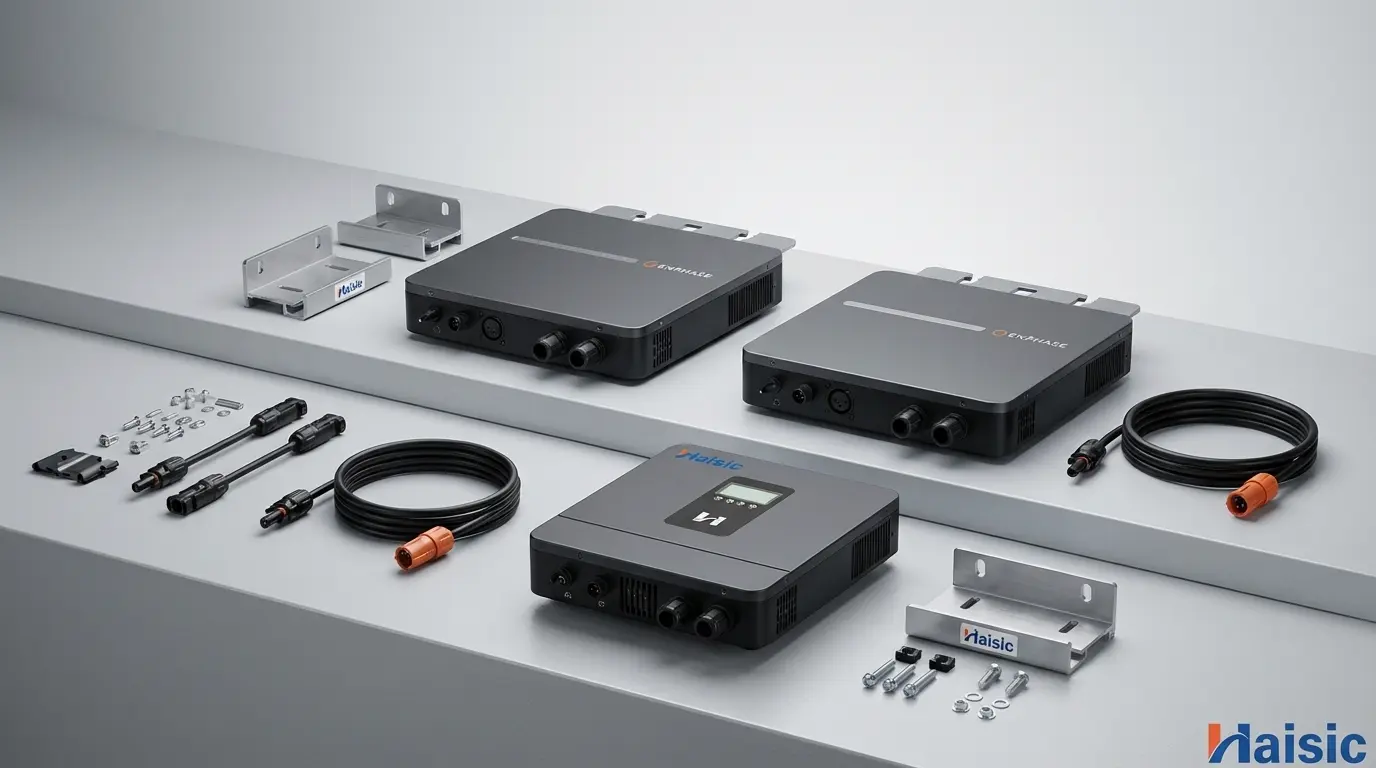
Are you stuck deciding between the proven IQ7 or the advanced IQ8? Wondering how to maximize your Enphase continuous power rating without overspending on the wrong hardware? I see installers and facility managers grapple with these system design challenges daily. Let\’s break down exactly which Enphase microinverter and accessory ecosystem fits your project’s technical demands.
Decoding Enphase Microinverters: IQ7 vs. IQ8 Series
The IQ7 Series: Proven and Cost-Effective
The IQ7 line is the tried-and-true workhorse of the solar industry. It delivers reliable, highly predictable energy conversion at a price point that keeps your ROI sharp.
- Best Use Cases: Perfect for standard, grid-tied residential or light commercial installations where budget is the primary driver.
- Technical Limitations: It is strictly a grid-following unit. If the utility grid goes down, the IQ7 shuts down completely for safety. It cannot generate power during a blackout without being paired with a robust AC coupled battery storage setup.
The IQ8 Series: Grid-Forming Microinverters
This is where solar technology fundamentally shifts. The IQ8 is the industry’s premier grid-forming microinverter, packing proprietary ASICs (Application-Specific Integrated Circuits) that allow it to operate independently of the grid.
- Sunlight Backup: Because of its rapid load-matching capabilities, the IQ8 can create a microgrid. It allows you to draw power from your solar panels during daytime outages—even if you do not have a battery installed.
- The Prosumer Edge: It provides the ultimate flexibility and is the ideal foundation for future-proofing any high-end installation.
Enphase IQ7 vs IQ8 Comparison Matrix
Matching your panel wattage to the correct microinverter is critical to avoid solar panel clipping and optimize your system\’s output. Here is the technical breakdown.
| Microinverter SKU | Enphase Continuous Power Rating | Peak Efficiency | Ideal Solar Module Pairing |
|---|---|---|---|
| IQ7+ | 290VA | 97.0% | 235W – 440W |
| IQ8MC | 325VA | 97.5% | 295W – 460W |
| IQ8AC | 349VA | 97.5% | 320W – 505W |
| IQ8HC | 380VA | 97.5% | 320W – 540W |
The Core Enphase Microinverter and Accessory Setup
We know that getting your solar array up and running takes more than just mounting panels. To build a reliable, code-compliant system, you need the right enphase microinverter and accessory lineup. Here are the core components we consider absolutely essential for a complete install.
Must-Have Solar Installation Accessories
- Enphase Q-Cables: These trunk cables are the backbone of your array. You must select the correct cable spacing depending on whether your panels are mounted in a portrait or landscape orientation. Getting the spacing right prevents messy cable management on the roof and helps limit voltage drops across your circuits.
- Enphase Terminator Cap & Sealing Caps: Never leave a live wire exposed to the elements. The Enphase terminator cap safely seals the bare end of your branch circuit, while sealing caps protect any unused drops along the Q-Cable. These parts are non-negotiable for waterproofing and long-term fire safety.
- Enphase Combiner Box: Think of this as the central hub of your system. The Enphase combiner box brings all your AC solar circuits together into one neat enclosure and integrates the Enphase Envoy gateway for live system monitoring. Having a properly configured hub is also crucial when preparing your home\’s electrical system for a future home battery installation.
- Q-Cable Disconnect Tool: You simply cannot install or service an Enphase system without this. This proprietary $8 piece of plastic allows you to safely unlock microinverters from the main Q-Cable. Trying to separate them by hand or with screwdrivers will damage the connectors, void warranties, and waste hours of your time.
Microinverter Compatibility Guide
When I configure a new solar installation, my first priority is ensuring the solar panels and microinverters are perfectly matched. Building a reliable system means getting your enphase microinverter and accessory ecosystem dialed in to prevent performance bottlenecks right from the start.
If your solar panel\’s DC wattage is significantly higher than the Enphase continuous power rating, the inverter will max out and waste that excess energy—a common issue known as solar panel clipping. To prevent this, I always aim for a DC-to-AC power ratio between 1.15 and 1.25. For example, pairing a 400W solar panel with an IQ8M microinverter (which outputs 325W peak) keeps clipping to a bare minimum while maximizing your energy production during early mornings and cloudy days.
Solar Branch Circuit Limits
You cannot string an unlimited number of microinverters together on one wire. Electrical codes dictate strict solar branch circuit limits to prevent overloaded wiring and tripped breakers. You have to calculate exactly how many units can safely operate on a standard 20A double-pole breaker.
Here is a quick reference for the maximum number of IQ8 series microinverters you can install on a single 240V / 20A branch circuit:
- IQ8+: Maximum 13 units per branch
- IQ8M: Maximum 11 units per branch
- IQ8A: Maximum 11 units per branch
5kW to 10kW Installation Checklist
Whether you are setting up a standard grid-tied array or laying down the electrical framework to integrate the best battery for solar power storage in the future, you need a complete parts list. Here is the core checklist I use for a typical 5kW to 10kW residential system:
- Solar Panels & Microinverters: 12 to 25 units (wattage carefully matched).
- Enphase Q-Cables: One cable drop per microinverter.
- Enphase Combiner Box: The central hub that houses your branch breakers and the Envoy gateway.
- Enphase Terminator Caps: 1 per branch circuit to safely seal and waterproof the bare end of the Q-cable trunk.
- Q-Cable Disconnect Tool: The essential proprietary tool required to safely unclip connections without breaking the plastic tabs.
- Racking Hardware: Roof attachments, rails, and mid/end clamps.
Completing Your Ecosystem: Pairing Enphase with Battery Storage
When designing a robust solar array, understanding how AC coupled battery storage interacts with your generation source is critical. In an AC-coupled architecture, your microinverters convert DC to AC directly on the roof. While features like \”Sunlight Backup\” allow the system to function off-grid during the day, they are inherently limited by weather conditions; a single passing cloud can destabilize the voltage and shut down your appliances. To build a truly resilient system, you need a dedicated battery buffer that provides consistent power regardless of sky conditions.
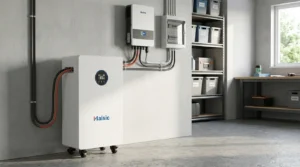
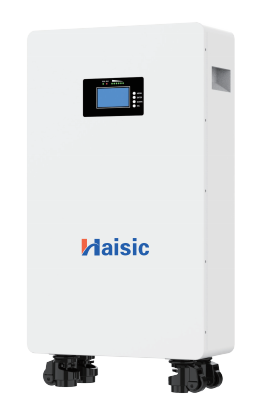
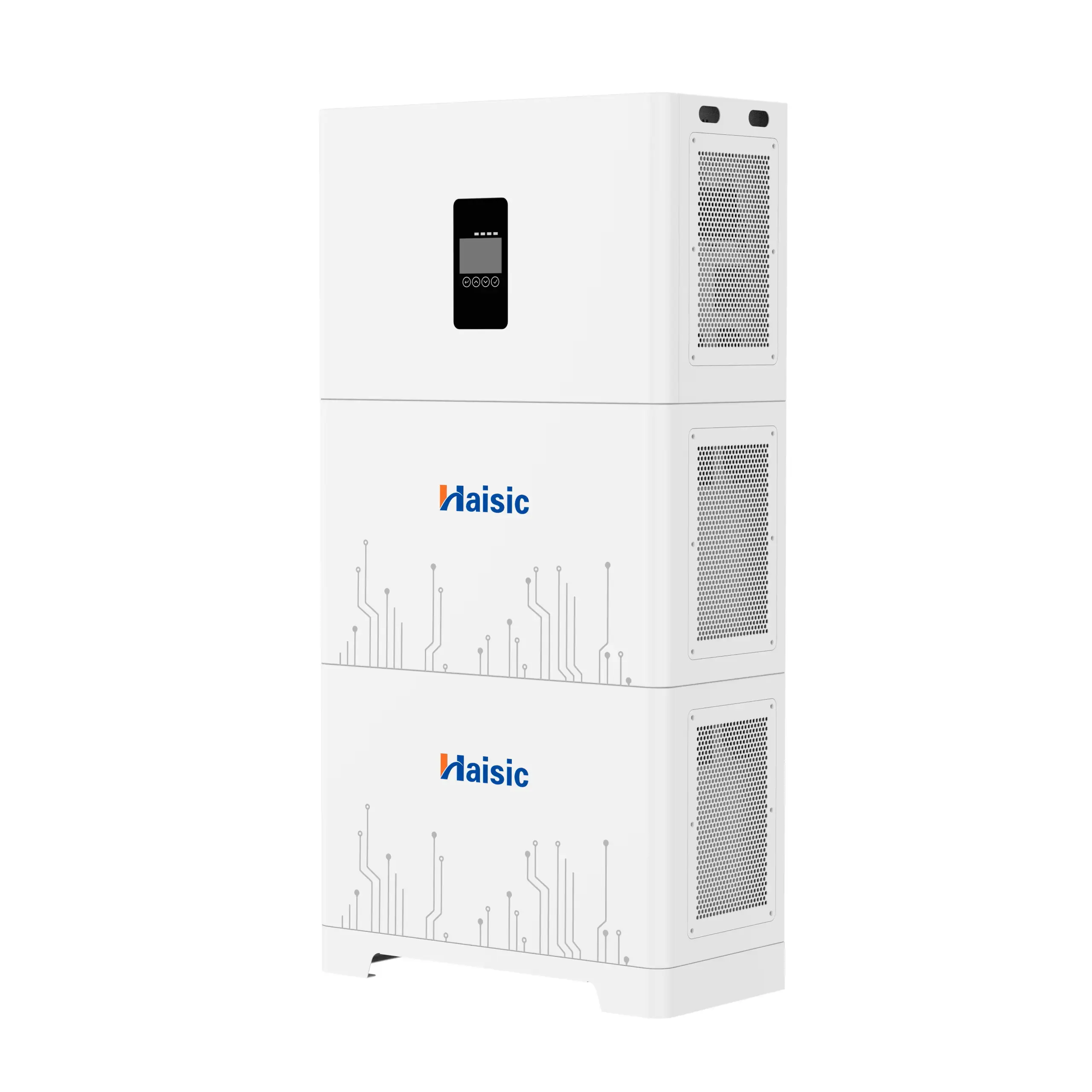
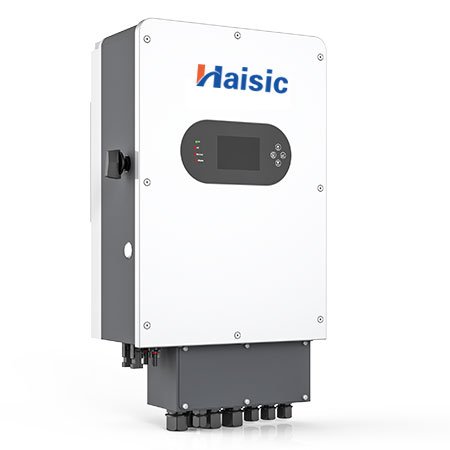
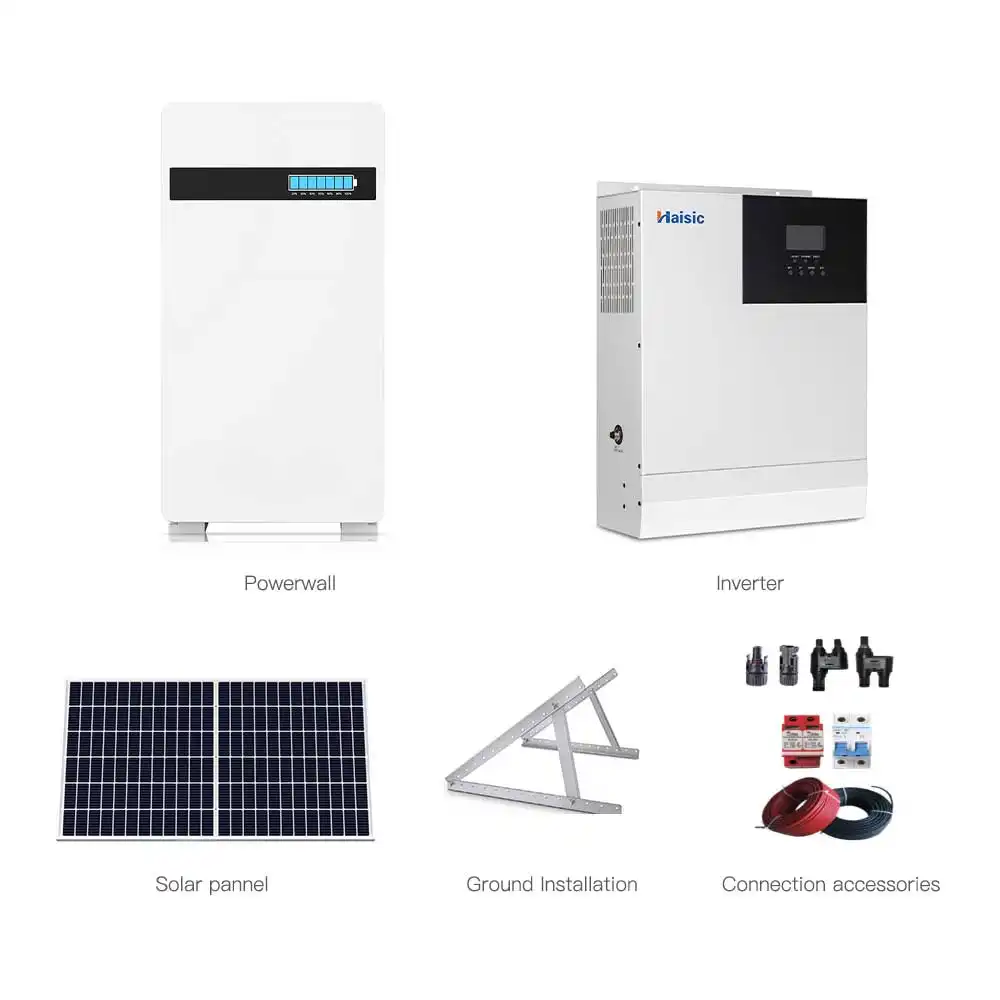
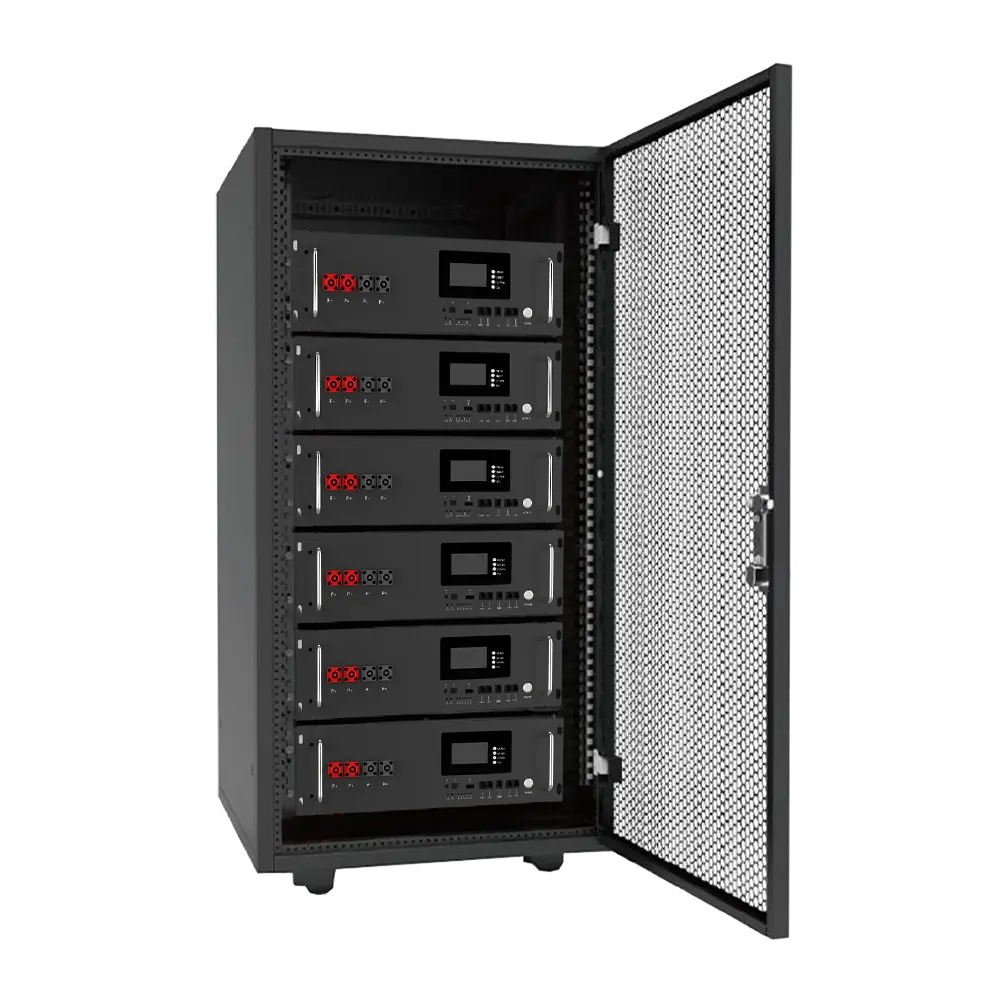
Finding the right enphase microinverter and accessory setup is only half the battle; the storage medium is what guarantees energy independence. At Haisic, we manufacture the reliable storage backbone required for these high-performance solar setups. Our LiFePO4 Energy Storage Systems (ESS) are engineered to handle the rigorous daily cycling required by residential and commercial solar applications.
Why Haisic LiFePO4 is the Ideal Partner:
- Extreme Longevity: Our battery packs deliver dependable performance exceeding 6,000 charge cycles, ensuring your storage outlasts standard lead-acid or ternary lithium alternatives.
- Smart Management: Every unit features an advanced Battery Management System (BMS) for optimized energy usage and remote monitoring, crucial for balancing loads in an AC-coupled environment.
- Scalable Capacity: We provide solutions ranging from low-voltage residential units (12.8V to 51.2V) up to massive containerized commercial energy storage systems capable of storing 1MWh.
- Certified Safety: Our manufacturing base in Shenzhen operates under strict ISO9001 standards, with products certified for global safety (CE, UN38.3, MSDS), making them a safe addition to any home or business ecosystem.
Common Installation Mistakes to Avoid
Even the most experienced installers can slip up, and when you\’re dealing with an Enphase microinverter and accessory setup, small oversights can lead to massive headaches later. Avoiding these common pitfalls will save you from having to climb back up on the roof or troubleshoot connection issues for hours.
The Serial Number Mapping Nightmare
This is the number one rookie mistake, but pros make it too. Every Enphase microinverter has a removable serial number sticker. You absolutely must peel these off and stick them onto your paper map or scan them into the Installer Toolkit app before you bolt the solar panel down. Once that panel is mounted, the microinverter is inaccessible. If you forget to map them, you won\’t know which panel is which in the monitoring portal. If a specific unit fails later, you’ll have no idea where it is located on the array without lifting every single module.
Sloppy Wire Management
Your Q-cables and jumper wires need to be secured tight. If cables are left dangling and touching the roof surface, wind and thermal expansion will cause them to rub against the shingles or tiles. Over a few years, this abrasion wears through the insulation, causing ground faults that are notoriously difficult to track down. Always use high-quality clips to keep everything tucked up against the rail or module frame, well off the roof deck.
Firmware Mismatches
The Enphase ecosystem is smart, but it requires synchronization. A common issue arises when mixing older stock with newer components. If you try to commission a system where the IQ microinverters are on a very old firmware version while the Envoy gateway is brand new (or vice versa), the provisioning process can stall or fail completely. Always ensure you run the necessary updates via the Installer Toolkit app as the very first step of commissioning to ensure your Enphase Envoy gateway and microinverters are speaking the same language.
If you are expanding an existing system or integrating new storage, like a commercial industrial container ESS, ensuring firmware compatibility across all AC-coupled devices is critical for seamless operation.