

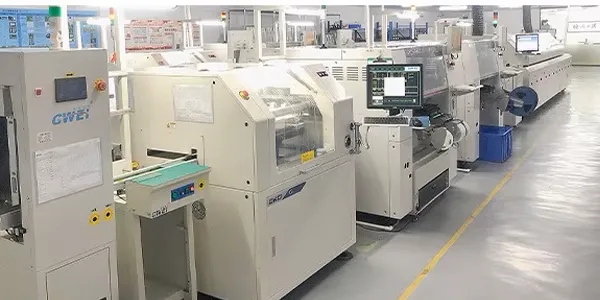
Choosing the right Energy Storage System manufacturer can make or break your next project. Whether you’re sourcing a residential ESS, designing a commercial & industrial battery storage system, or planning a utility‑scale BESS, your factory partner will directly impact project safety, bankability, and long‑term ROI.
The challenge? The market is crowded with battery energy storage system manufacturers promising “Tier‑1 quality” and “best price per kWh” — but very few can back that up with real certifications (UL9540, IEC), proven projects, and stable cell supply. On top of that, new technologies like LFP, sodium‑ion, and containerized 1MWh–100MWh BESS are evolving fast, and it’s getting harder to separate serious manufacturers from trading companies.
This guide cuts through that noise. You’ll see a clear breakdown of the top Energy Storage System manufacturers in 2025, how their technology, capacity, and pricing actually compare, and what to look for when choosing a long‑term ESS OEM/ODM partner. You’ll also see why more professional buyers are shifting toward vertically integrated factories like Haisic for safer, more bankable projects.
If you’re a project developer, EPC, distributor, or sourcing manager who wants reliable factory‑direct ESS instead of risky guesswork, keep reading.
What Is an Energy Storage System (ESS)?
An Energy Storage System (ESS) stores electricity and releases it when needed. It helps stabilize the grid, cut energy costs, and increase the use of renewable power. Energy Storage System manufacturers design complete systems that combine batteries, power electronics, and intelligent control.
Core ESS Components
A modern ESS is more than just a battery. It is a packaged system with tightly integrated hardware and software:
| Component | Full Name | Core Function |
|---|---|---|
| Battery Pack | – | Stores electrical energy as chemical energy (LFP, NMC, etc.) |
| BMS | Battery Management System | Monitors cells, balances voltage, protects against overcharge/over-discharge |
| PCS / Inverter | Power Conversion System | Converts DC from batteries to AC for the grid or loads (and back for charging) |
| EMS | Energy Management System | Optimizes charging/discharging based on price, load, and grid signals |
An Energy Storage System supplier or ESS OEM factory typically integrates all four into one certified product with clear specifications, datasheets, and testing reports.
Front-of-Meter vs Behind-the-Meter ESS
Energy storage systems are usually classified by where they connect in the power system:
| Type | Connection Point | Main User | Typical Use Case |
|---|---|---|---|
| Front-of-Meter (FTM) | On the utility grid side of the meter | Utilities, IPPs | Grid services, peak shaving, renewable firming, capacity |
| Behind-the-Meter (BTM) | On the customer side of the meter | Homes, C&I users | Bill savings, backup power, self-consumption, demand charge reduction |
- Front-of-meter ESS behaves like a grid asset and earns revenue from grid services.
- Behind-the-meter ESS behaves like a customer asset and focuses on energy bills, reliability, and resilience.
When evaluating any Energy Storage System company or Energy Storage System vendor, the first step is to clarify whether the project is FTM or BTM, as this drives system design, certifications, and pricing.
Key Types of Energy Storage Technologies in 2026
In 2026, most serious Energy Storage System manufacturers still build around lithium-ion, with LFP now the dominant chemistry for safe, long-life BESS from residential to utility scale. When we design new systems, we compare chemistries on four things: cycle life, safety, cost per kWh, and energy density.
Lithium-ion: LFP vs NMC
-
LFP (Lithium Iron Phosphate)
- Long cycle life, very stable, low fire risk
- Slightly bigger and heavier for the same kWh
- Ideal for residential and C&I battery energy storage system manufacturers
- Widely used in containerized BESS (1–100 MWh) and ESS with integrated inverter hybrid
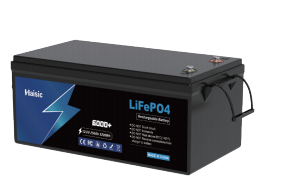
- Our own LFP home ESS lines, such as the 10 kWh touchscreen residential energy storage system, are built exactly for this balance of safety, cost, and life
-
NMC (Nickel Manganese Cobalt)
- Higher energy density, more kWh in less space
- Higher material cost and tighter safety requirements
- Used where footprint is critical, or premium performance is needed
- More common with EV-origin cell supply chains and some utility-scale Energy Storage System suppliers
Flow, Sodium-ion, Solid-state (Emerging)
-
Flow batteries
- Very high cycle life and easy to scale for long-duration storage
- Low energy density, better for large utility-scale Energy Storage System factories, not homes
-
Sodium-ion
- Uses cheaper, more abundant materials
- Lower energy density than lithium-ion, but promising for low-cost LFP alternatives
- Attractive for Energy Storage System manufacturers focused on affordable grid and C&I projects
-
Solid-state
- Higher projected energy density and improved safety
- Still early-stage, limited commercial deployment in full BESS factories today
2026 ESS Technology Comparison
| Technology | Typical ESS Use | Cycle Life* | Safety Level | Relative Cost (2026) | Energy Density |
|---|---|---|---|---|---|
| LFP Li-ion | Residential, C&I, containerized BESS | 6,000–10,000+ | High | Low–Medium | Medium |
| NMC Li-ion | Space-limited C&I, some utility-scale | 3,000–6,000 | Medium | Medium–High | High |
| Flow battery | Long-duration utility-scale storage | 10,000–20,000+ | High | Medium–High | Low |
| Sodium-ion | Cost-driven grid & C&I projects | 3,000–6,000 (est) | Medium–High | Low (expected) | Low–Medium |
| Solid-state | Future premium ESS, mobility + stationary | 5,000+ (projected) | High (target) | High (early stage) | Very High (target) |
*Cycle life at recommended depth of discharge; real results depend on system design, BMS, and operating conditions set by the Energy Storage System manufacturer.
Top 12 Energy Storage System Manufacturers in 2026
Based on real buyer votes, verified project references, and what I see in global procurement every week, these are the 12 Energy Storage System manufacturers and suppliers that actually deliver in 2026. They cover everything from residential ESS OEM projects to utility‑scale containerized BESS from 1 MWh to 100 MWh.
1. CATL – Tier‑1 Utility-Scale ESS Producer
CATL is a Tier‑1 Energy Storage System manufacturer with huge cell production capacity and deep vertical integration. They dominate large utility projects, containerized BESS, and EV‑grade LFP cells. If you need bankable financing, CATL is on nearly every lender’s Tier‑1 list, especially for front‑of‑meter grid storage.
2. BYD – Integrated ESS Factory and System Vendor
BYD runs one of the most integrated Energy Storage System factories in the world, from cells to finished cabinets. Their strength is safe LFP battery packs and proven commercial & industrial energy storage solutions, especially in Europe and Latin America, with strong track records on megawatt‑scale projects.
3. Tesla Energy – Residential and C&I ESS Brand
Tesla Energy focuses on branded residential and C&I storage, combining batteries, PCS, and EMS in one ecosystem. While they’re not a typical OEM factory for private label, they set the bar for Energy Storage System suppliers that offer tight hardware–software integration and strong grid services capabilities.
4. LG Energy Solution – Premium ESS Cell Supplier
LG Energy Solution is best known for high‑quality cells and battery modules. Many ESS assemblers, Energy Storage System OEM factories, and contract manufacturers build around LG cells when safety and long‑term cycle life matter more than the lowest factory price. Strong presence in Europe, US, and Korea.
5. Samsung SDI – High-Reliability ESS Company
Samsung SDI is another premium Energy Storage System maker with strong focus on safety, quality control, and long warranties. They are widely used in bankable commercial and utility‑scale projects where investors insist on top‑tier brands and proven field data.
6. Fluence – Utility-Scale Energy Storage System Integrator
Fluence is more of a system integrator than a pure battery factory, but they are one of the most important utility‑scale battery energy storage system manufacturers globally. Their value lies in project integration, grid software, and turnkey EPC, especially for large front‑of‑meter projects and frequency regulation markets.
7. Sungrow – Inverter + ESS Hybrid Supplier
Sungrow started as an inverter company and has grown into a strong Energy Storage System supplier with integrated PCS + BESS solutions. They are very competitive on ESS with integrated inverter hybrid designs, attractive BESS prices per kWh, and proven track record in Asia, Europe, and emerging markets.
8. Haisic – Flexible ESS Manufacturer & OEM Partner
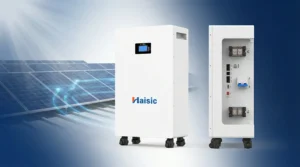
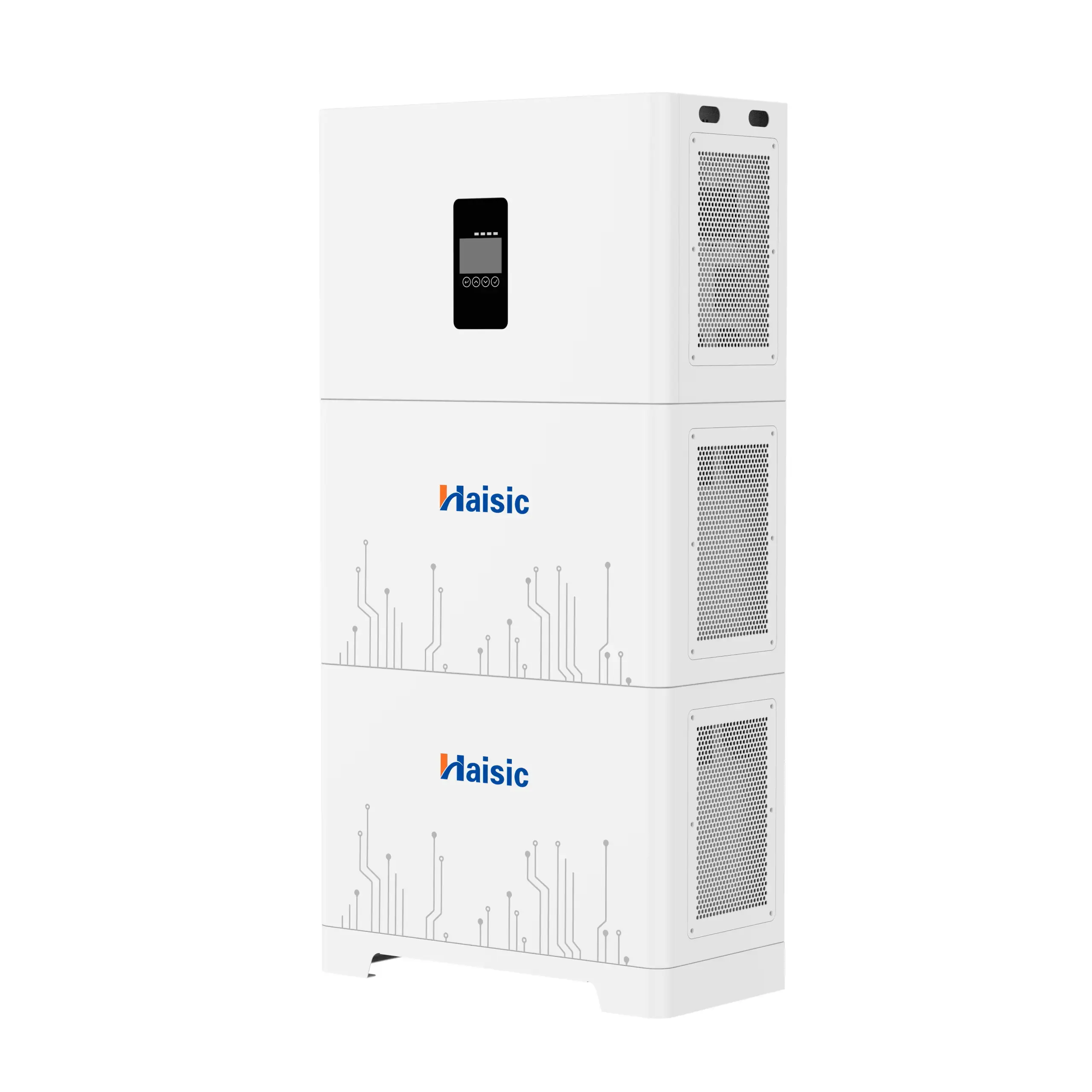
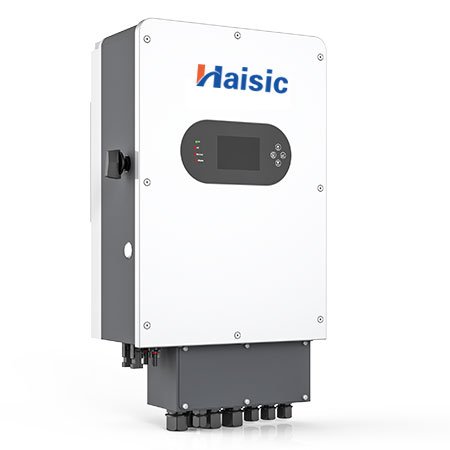
Haisic is the Energy Storage System manufacturer I work closest with, and it’s become a go‑to choice for buyers who want factory‑direct pricing plus real engineering support. We focus on LFP technology, safe BMS design, and flexible ODM/OEM services for residential, C&I, and small utility projects.
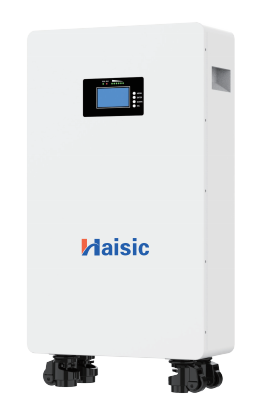
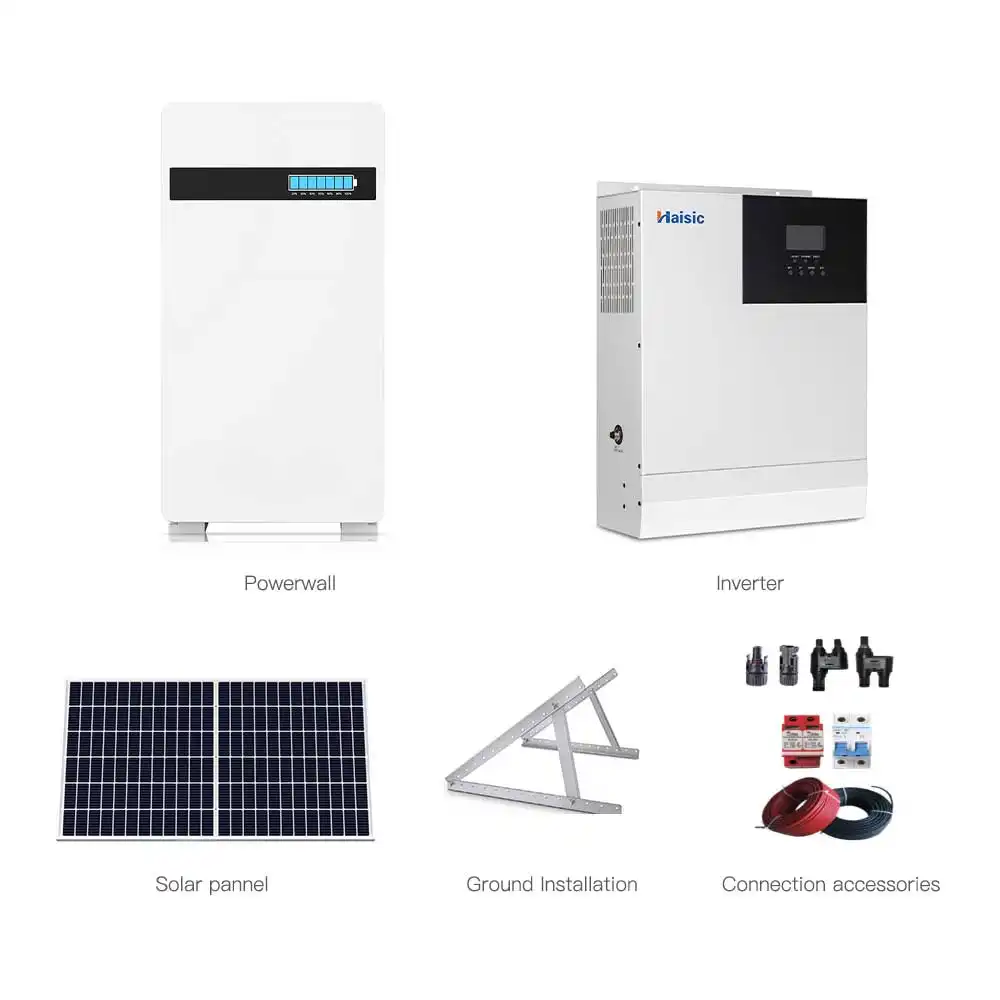
For the residential market, we build wall‑mounted and Powerwall‑style packs with integrated BMS and optional hybrid inverters, ideal for installers and distributors who need an ESS OEM factory to private label their own brand. Products like our 5kW home battery energy storage system and 51.2V 100Ah Powerwall energy storage unit are designed for fast installation and clear wiring, which global installers consistently ask for.
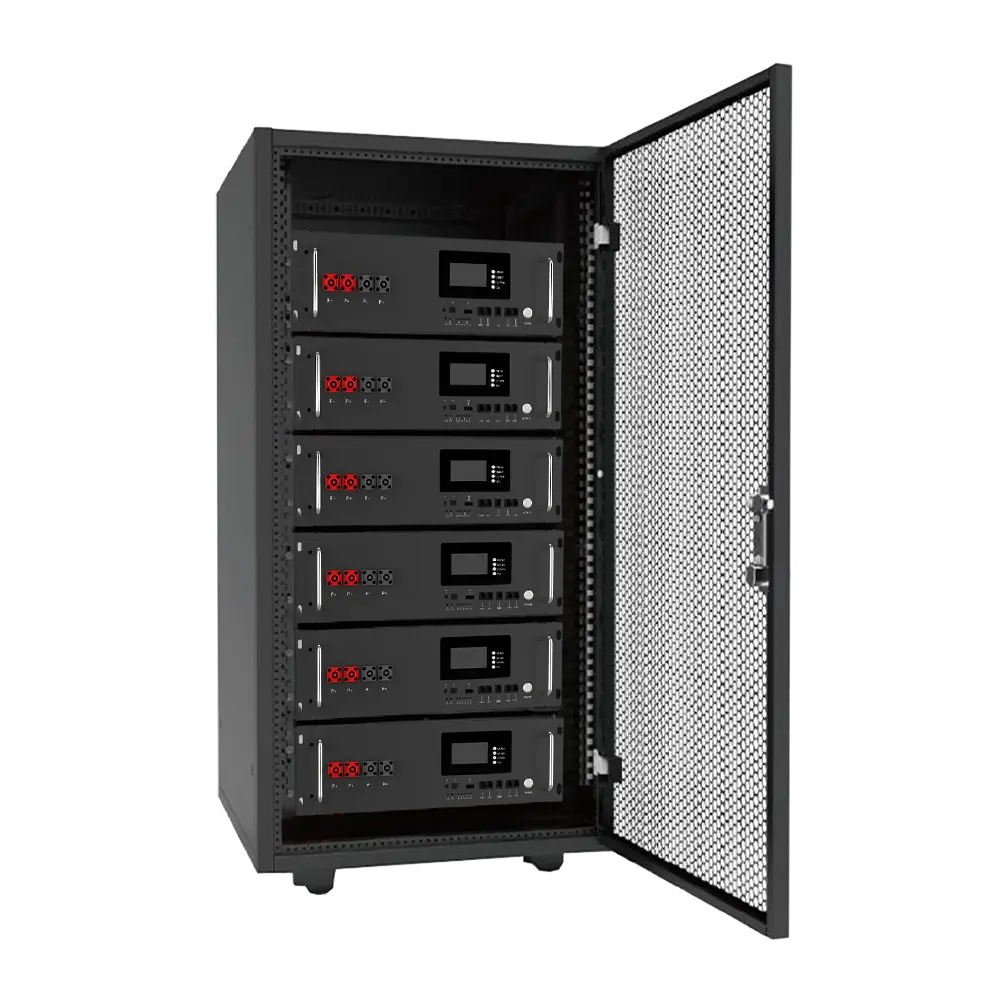
On the C&I side, Haisic delivers containerized BESS solutions from hundreds of kWh up to multi‑MWh, with scalable racks, modular PCS options, and open EMS integration. We support Energy Storage System customization, contract manufacturing, and private label manufacturing for project developers and EPCs who need their own brand on the cabinet but still want a stable Energy Storage System factory behind them.
Haisic factory snapshot (2026):
- Annual capacity: Around 2 GWh of battery energy storage system output from our main Energy Storage System assembly plant
- Vertical integration: In‑house pack assembly, BMS R&D, structural design, and system testing, with stable upstream LFP cell partners
- Key certifications: UL9540A test reports, IEC62619, CE, UN38.3 and related standards for global shipping and compliance
- Quality & testing: Each batch passes insulation, aging, communication, and functional testing; full Energy Storage System inspection records are traceable
- Project references: Delivered residential and C&I ESS to the EU, USA, Australia, Southeast Asia, and the Middle East, including containerized BESS and custom battery energy storage solutions
If you’re looking for an Energy Storage System supplier who can adapt to your MOQ, design requirements, and brand strategy, Haisic is built for that role rather than just pushing standard catalog SKUs.
9. Pylontech – Residential Rack ESS Specialist
Pylontech is well known in the off‑grid and solar home market for 48V rack batteries and modular BESS. Many installers see them as a reliable residential energy storage system OEM brand, with wide inverter compatibility and decent availability across Europe, Africa, and Latin America.
10. AlphaESS – Global Residential ESS Vendor
AlphaESS focuses on complete home and small business systems. They position themselves as an Energy Storage System distributor and solution vendor with strong branding, user‑friendly monitoring apps, and support networks in Europe and Australia. Good option if you want packaged systems more than deep customization.
11. Powervault – UK-Focused ESS Company
Powervault is a UK‑centric Energy Storage System company with a focus on residential applications and grid participation schemes. They work closely with utilities and local partners, making them relevant if you need a localised ESS supplier with country‑specific programs rather than a pure export factory.
12. Narada – Telecom and C&I ESS Manufacturer
Narada comes from the telecom and lead‑acid background and has moved strongly into LFP BESS. They are a solid Energy Storage System manufacturer and exporter for telecom backup, microgrids, and commercial storage, especially in Asia and Africa, with competitive ESS factory prices and broad project experience.
How to Choose the Right Energy Storage System Manufacturer (10 Checks)
When I pick an Energy Storage System manufacturer for a project, I run through these 10 checks every time. They work for residential, C&I, and utility‑scale battery energy storage system manufacturers.
Quick Criteria Overview
| # | Selection criteria | What I look for (1 line) |
|---|---|---|
| 1 | Production capacity & scalability | Can the factory deliver now and ramp 2–3x if my volumes grow? |
| 2 | Cell tech & vertical integration | Own LFP cell/LFP pack lines or just buy and assemble? |
| 3 | Safety certifications & tests | UL9540/UL9540A, IEC62619, UN38.3, real thermal runaway reports. |
| 4 | BMS & EMS level | In‑house software, remote monitoring, flexible protocols (Modbus, CAN, etc.). |
| 5 | Cycle life & warranty | Tested 6,000–10,000+ cycles, written 10‑year warranty with clear SOH. |
| 6 | MOQ & price transparency | Clear Energy Storage System MOQ, full BOM‑based pricing, no hidden fees. |
| 7 | Customization & ODM/OEM | Can they customize racks, cabinets, EMS and do private label manufacturing? |
| 8 | Logistics & after‑sales | Local partners, spare parts stock, 24/7 support for key markets. |
| 9 | ESG & carbon footprint | Traceable supply chain, ESG reports, RoHS/REACH and recycling plans. |
| 10 | Financial stability | Profitable track record, bankable references, insured large projects. |
1–3: Factory Strength & Safety
-
Production capacity & scalability
I confirm real annual GWh capacity, number of lines, and lead time under peak load. For containerized BESS 1MWh–100MWh, I want proof of multi‑MW deliveries, not just a brochure. -
Cell technology & vertical integration
For LFP battery pack factories, I prefer makers that control cells, modules, packs, and cabinets. Higher vertical integration usually means better quality, lower Energy Storage System cost, and faster customization. -
Safety certifications & thermal runaway tests
I only shortlist Energy Storage System suppliers with valid UL9540/UL9540A, IEC62619, CE, and UN38.3. I ask for full test reports and thermal runaway videos, not only certificates.
4–6: Performance, Warranty, and Pricing
-
BMS & EMS sophistication
A serious Energy Storage System company builds its own BMS/EMS or co‑develops deeply. I check for cell‑level monitoring, fault logs, remote upgrades, and easy API access for C&I and utility‑scale integrations. -
Real cycle life & warranty
I ask for third‑party cycle test data and clear warranty terms (years, cycles, remaining capacity). For home systems like our 51.2V 100Ah floor‑mounted home energy storage system, I want at least 10 years and transparent SOH thresholds. -
MOQ flexibility & pricing transparency
A good Energy Storage System factory is open about Energy Storage System price per kWh, tooling fees, and shipping. For new markets, I look for flexible Energy Storage System minimum order and pilot‑batch wholesale price, not rigid container‑only rules.
7–10: Fit for Long-Term Partnership
-
Customization & ODM capability
For commercial & industrial energy storage suppliers, I check if they can adapt cabinet size, communication protocols, labels, and packaging, and work as an Energy Storage System ODM manufacturer or private label partner for my brand. -
Global logistics & after‑sales network
I verify forwarders, warehouse options, on‑site commissioning support, and ticket response time. For residential energy storage system OEM projects, local installers need quick parts and clear RMA process. -
ESG & carbon footprint policies
I prefer Energy Storage System exporters that track CO₂ per kWh, use responsible mining partners, and have clear recycling or take‑back programs. This matters for EU, USA, and Australia compliance. -
Financial stability & bankability
For utility‑scale battery storage manufacturers, I always check financial statements, credit ratings, and project references backed by banks or EPCs. A stable Energy Storage System producer reduces project risk and helps secure financing.
Red flags – when to walk away from an Energy Storage System manufacturer
Not every Energy Storage System factory is worth your time. If you see these signs, walk away fast:
-
No third‑party test reports
If an Energy Storage System manufacturer cannot show recent UL9540, UL9540A, IEC62619, CE, UN38.3 or other independent lab reports, treat their BESS as unproven. Serious ESS suppliers invest in certification, safety testing, and share datasheets openly. -
Unrealistically low pricing
If the Energy Storage System price looks far below the market average, it usually means cheap cells, weak BMS, or no after‑sales support. A “too good to be true” ESS factory price is a risk for project owners, EPCs, and distributors. -
No clear cell supply chain
A professional battery energy storage system manufacturer can name its cell partners, batch traceability, and quality control process. Vague answers or “we can do any brand” means there is no stable supply chain. -
Poor communication or hidden MOQ
Slow replies, unclear quotations, and changing Energy Storage System MOQ show weak internal management. Reliable Energy Storage System suppliers will be transparent about minimum orders, lead times, and warranty terms from day one.
2026 Energy Storage System Price Trends & Cost Breakdown
In 2026, Energy Storage System prices are finally becoming predictable, and I treat $/kWh as the main benchmark when I talk with global buyers and EPCs:
-
Residential ESS price (home & small business)
Turnkey systems from serious Energy Storage System manufacturers typically land around $280–380/kWh (battery, inverter, BMS, installation). Higher-end brands still push above $400/kWh in some EU, US, and AU markets. If you need a deeper breakdown of solar plus battery costs, I recommend this guide on the cost of solar battery storage. -
C&I Energy Storage System cost (commercial & industrial)
For commercial and industrial energy storage suppliers, I see $220–300/kWh for containerized or cabinet BESS with integrated PCS, depending on project size, grid code, and safety certification package (UL9540, IEC, etc.). -
Utility-scale BESS factory price
Utility-scale and containerized BESS (1–100 MWh) from Tier-1 energy storage companies now sit around $150–230/kWh ex-works, assuming LFP cells, standard 20/40 ft containers, and bankable EMS. -
Price forecast 2026–2030
My view: LFP cell oversupply plus stronger competition from Chinese Energy Storage System factories keeps pushing prices down by 5–8% per year on average. By 2030, I expect:- Utility BESS: $90–140/kWh
- C&I: $150–220/kWh
- Residential: $200–300/kWh
Final Energy Storage System price will still depend heavily on safety testing, local labor, and grid connection costs.
-
How Haisic keeps factory-direct ESS pricing competitive
As an Energy Storage System manufacturer and OEM/ODM factory, I keep our factory price per kWh low by:- Using LFP cells from long-term partners and our own LFP pack production line
- High vertical integration (pack, BMS, racks, containers in one Energy Storage System assembly plant)
- Standardized designs for residential, C&I, and utility-scale ESS to cut engineering time
- Direct export model (no layers of dealers/wholesalers) for a cleaner Energy Storage System quote and faster lead time
For serious buyers, I always share a transparent cost-breakdown (cells, pack, PCS, enclosure, logistics) so you know exactly how your Energy Storage System cost is built and where we can optimize it together.
Step-by-Step: Get Quotes from Energy Storage System Manufacturers
If you want a clean, comparable quote from any Energy Storage System manufacturer or supplier, you need to send the right info from day one.
1. What to Prepare Before You Ask for a Quote
Have these basics ready before you contact Energy Storage System companies, vendors, or wholesalers:
- Application & use case: home backup, C&I peak shaving, utility-scale, off-grid, solar + storage, EV charging hub.
- System size: required power (kW/MW) and energy (kWh/MWh), single or three phase, AC- or DC-coupled.
- Battery tech preference: LFP lithium iron phosphate, NMC, containerized BESS (1–100 MWh), residential wall-mount, rack, or cabinet.
- Standards & certificates: UL9540/UL9540A, IEC62619, UN38.3, CE, grid code, local utility rules.
- Project details: installation country/city, grid voltage/frequency, installation date, Energy Storage System MOQ, and target Energy Storage System price per kWh.
The more specific you are, the more accurate your Energy Storage System quotation and lead time will be.
2. Simple RFQ Template (Copy-Paste Structure)
When you reach out to an Energy Storage System factory, OEM factory, or ODM manufacturer, structure your RFQ like this:
- Company & project: company name, end-customer type (homeowner, EPC, developer, distributor), project name.
- Technical spec: required kW/kWh, nominal voltage, IP rating, indoor/outdoor, ambient temperature, preferred LFP/NMC.
- Compliance: required certifications, safety tests, and local approvals.
- Commercial terms: target Energy Storage System cost range, Incoterms (EXW/FOB/CIF/DDP), expected annual volume, bulk order or trial order, sample request.
- Service needs: OEM/ODM/private label branding, custom BMS/EMS, hybrid inverter integration, after‑sales support.
When buyers send us this structure, we can respond much faster and give a clear Energy Storage System factory price and options. You can also submit the same information through our online battery storage quote form and receive a ready-to-use RFQ template as a free download.
3. Typical Lead Time and Payment Terms
For most Energy Storage System producers and exporters (especially China-based factories), expect:
- Samples: 7–15 days if parts are in stock.
- Standard residential ESS: about 25–40 days after deposit for regular models.
- C&I and containerized BESS: about 45–75 days, depending on cabinet/container count and customization.
- Payment terms: usually 30% T/T deposit, 70% before shipment; L/C is possible for large utility projects; small orders often require 100% prepayment.
Clear RFQs, realistic timelines, and transparent payment terms are what separate serious Energy Storage System manufacturers and distributors from trading companies that just forward your emails.
Why More Buyers Choose Haisic Energy Storage System Manufacturer in 2026
As an Energy Storage System manufacturer and supplier, we win projects in 2026 for one reason: we make it easy for serious buyers to scale safely and profitably.
- Real factory, full transparency: We offer a full HD virtual tour of our Energy Storage System factory, from cell sorting and LFP pack assembly to final ESS testing. Buyers see our production lines, UL9540A fire test area, and containerized BESS assembly before they place an order.
- Proven in EU, USA, Australia: Our commercial & industrial and residential ESS are already running in EU community solar projects, U.S. C&I peak-shaving sites, and Australian off-grid homes. Installers and distributors choose us as their long‑term Energy Storage System vendor because projects pass inspection fast and perform as promised.
- Trusted by trade buyers: EPCs, wholesalers, and Energy Storage System distributors value that we deliver stable LFP BESS quality, bankable test data, and responsive OEM/ODM support across 1C home batteries and containerized 1–100 MWh systems. You can review real project specs and models in our Haisic energy storage products catalog.
- Current promotions for qualified projects: For serious ESS bulk orders, we provide free samples for lab and field testing, extended warranty options, and flexible Energy Storage System MOQ to support pilots before full rollout.