
Why Traditional Grid-Tied Solar Fails During a Power Outage
I hear it constantly from frustrated property owners: \”I have panels on my roof, so why did I lose power during the blackout?\” It is a harsh reality check. Standard grid-tied solar setups do not provide emergency solar power out of the box. Without the right hardware, a basic rooftop array shuts down completely the second the utility grid drops.
The Safety Mechanism
When the grid goes dark, your standard grid-tied inverter immediately turns off. This isn\’t a system failure; it is a strictly enforced, automatic safety protocol known as anti-islanding.
- The Danger of Back-Feeding: If your panels continued to generate electricity during a blackout, that live current would flow outward into the dead utility lines.
- Protecting Lives: This creates a lethal electrocution hazard for the utility workers trying to restore the grid. To keep line workers safe, your inverter simply kills the power.
The Missing Link: Islanding Your Home
To achieve true grid down power survival, your electrical system needs the ability to safely sever its connection to the utility grid and operate independently. In the engineering world, we call this \”islanding.\” To successfully island your property, you need the missing link:
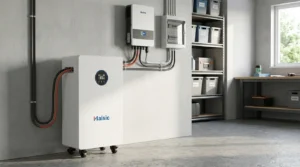
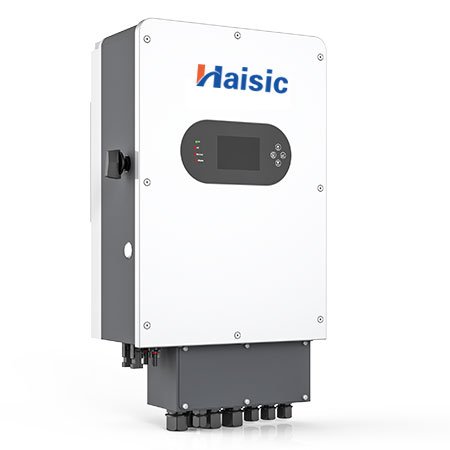
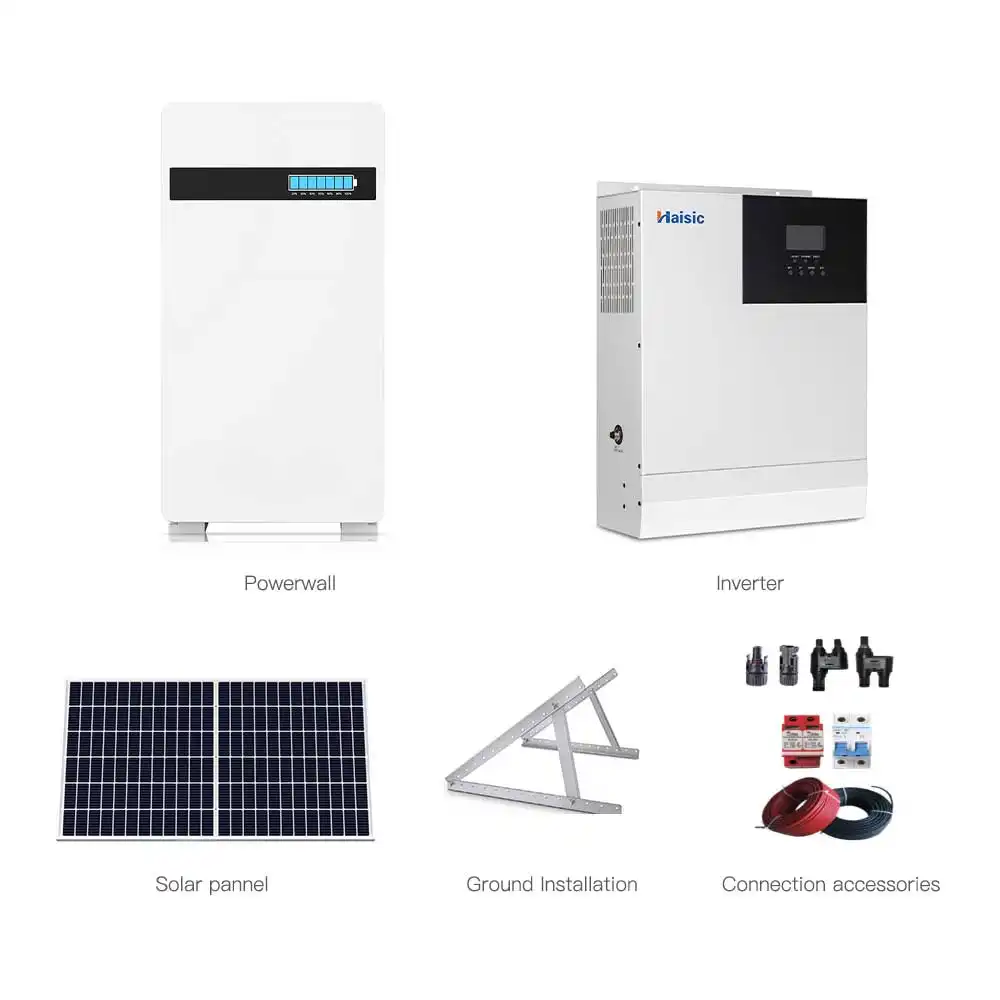
- Hybrid Solar Inverter System: This specialized inverter acts as the brain of your blackout survival power strategy. It detects a grid failure in milliseconds, instantly isolating your house from utility lines and safely routing solar energy directly to your breaker panel.
- Solar Battery Backup for Home: Solar generation fluctuates with the weather and stops entirely at night. A dedicated battery bank is non-negotiable. It captures and stores the excess energy your panels generate during the day, ensuring a continuous, reliable flow of power to your essential appliances when the sun goes down.
Portable vs. Whole Home Solar Battery
When setting up your emergency solar power, you are generally looking at two paths: a quick, mobile fix or a permanent home integration. Here is exactly how they stack up when you need reliable blackout survival power.
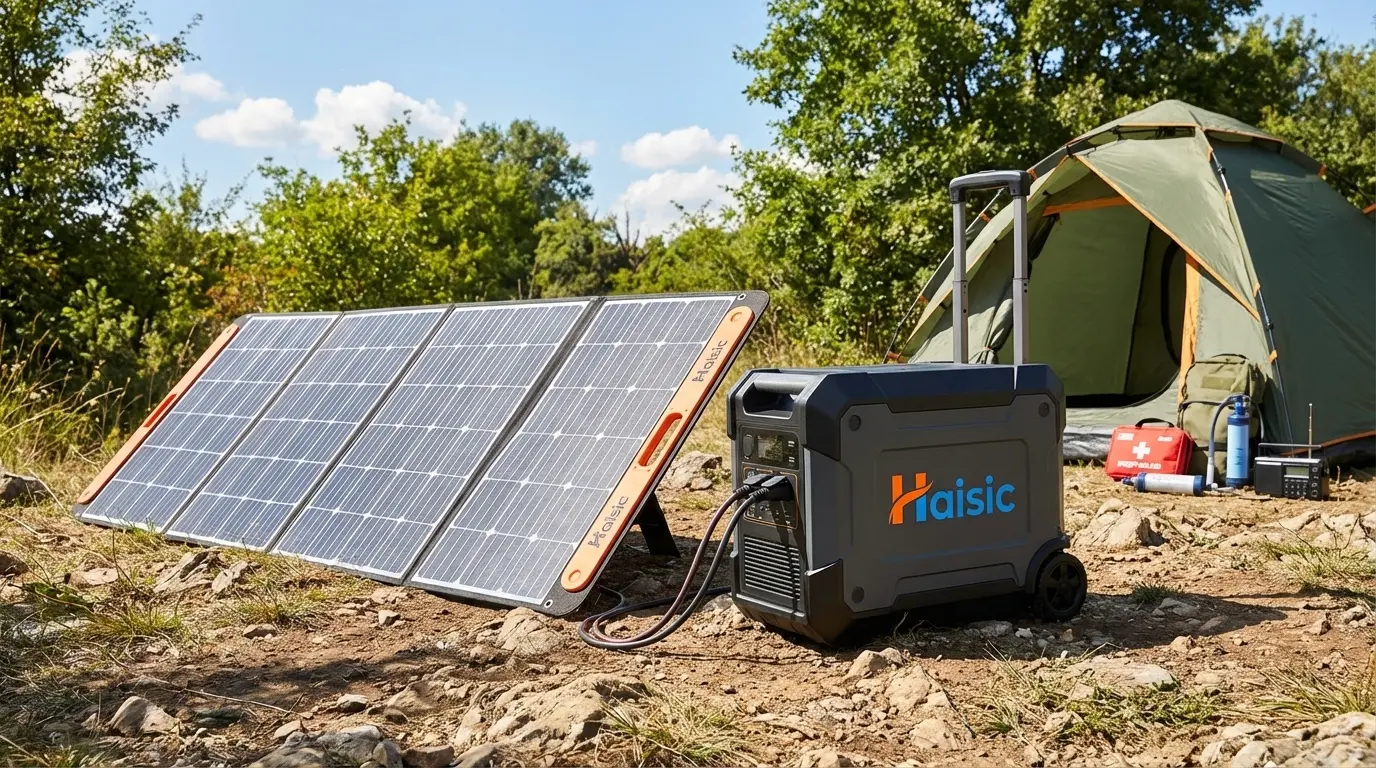
Portable Solar Power Station
These units are essentially large power banks with built-in AC outlets. I generally recommend these strictly for short-term, low-draw needs.
- The Upside: They are completely mobile and feature a much cheaper upfront cost. You can grab them and go.
- The Downside: They have severely limited power capacity and slow charging speeds. You cannot run essential heavy home appliances on a portable station.
Residential Energy Storage System (RESS)
If you are looking for true grid down power survival, a whole home solar battery setup is the only viable choice. We build these systems to handle the heavy lifting of a modern home.
- The Upside: Seamless, automatic transition the second the grid drops. They offer high capacity to easily run heavy-draw appliances like your refrigerator, well pump, or HVAC system.
- The Downside: Requires a higher initial investment and professional installation.
The Quick Breakdown
| Feature | Portable Solar Generator | Whole-Home Battery Backup |
|---|---|---|
| Best For | Short-term, low-power outages | Long-term grid failures |
| Power Transition | Manual plug-in | Seamless & automatic |
| Appliance Load | Phones, laptops, small lights | Fridges, AC, well pumps |
| Upfront Cost | Low | High |
Sizing Your Emergency Solar Power Battery System
When building a grid down power survival plan, getting the math right is non-negotiable. I see people guess their power needs all the time, and it inevitably leaves them stranded in the dark. Here is exactly how we size a reliable residential energy storage system.
Identifying Essential Loads
You cannot run your entire life off a basic emergency power supply (EPS) unless you invest in a massive setup. Start by creating a strict priority list for emergencies.
Focus your blackout survival power on these non-negotiables:
- Refrigeration: Preventing food and critical medicines from spoiling.
- Medical Equipment: Powering CPAP machines or oxygen concentrators safely.
- Water Pumps: Absolutely vital if your property relies on a well.
- Communication: Keeping phones, emergency radios, and routers charged.
- Lighting: Running basic LED bulbs for nighttime safety.
Calculating Watt-Hours Made Simple
To accurately size your solar panel battery bank, you need to calculate your daily energy consumption. We keep this completely jargon-free. Just find the wattage listed on your appliance\’s label and multiply it by the hours you plan to use it each day. This gives you your total Watt-Hours (Wh).
| Appliance | Running Watts | Hours Used Daily | Total Watt-Hours (Wh) |
|---|---|---|---|
| Refrigerator | 150W | 8 (cycles on/off) | 1,200 Wh |
| Phone Charger | 10W | 2 | 20 Wh |
| LED Lights (x4) | 40W | 5 | 200 Wh |
| CPAP Machine | 40W | 8 | 320 Wh |
Surge vs. Running Watts
This is the number one trap I see people fall into when setting up off-grid solar systems. Your hybrid solar inverter system capacity matters just as much as your battery size. Appliances with heavy motors—like your fridge, freezer, or well pump—require a massive, split-second spike in power just to turn on.
- Running Watts: The continuous power needed to keep the appliance running normally.
- Surge Watts: The quick, intense burst of power required to kickstart the motor (often 2 to 3 times the running watts).
If your inverter cannot handle that initial surge, the appliance will fail to start and your system will trip, even if your solar battery backup for home is sitting at a 100% charge. Always size your inverter based on the highest surge load you expect to fire up at the exact same time.
5 Must-Have Features for Emergency Solar Power
When building a dependable emergency power supply (EPS), I don\’t compromise on hardware. If you want a residential energy storage system (RESS) that actually works when the grid fails, these five features are non-negotiable for a reliable setup.
Core Components of a Blackout Survival Power Setup
| Feature | Why It Matters for Your Home |
|---|---|
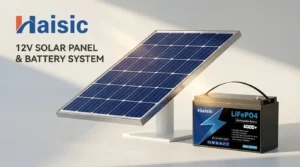
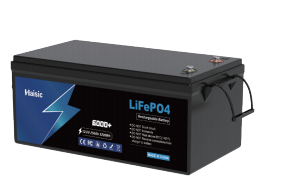
| LiFePO4 Chemistry | Delivers superior thermal stability and safety. A LiFePO4 battery backup won\’t overheat or catch fire like standard lithium-ion. |
| High Cycle Life | Look for 6,000+ charge cycles. This guarantees decades of daily use and a massive return on your investment. |
| Smart BMS | The battery management system uses smart algorithms to prevent overcharging, deep depletion, and temperature damage. |
| Pure Sine Wave | Delivers clean, seamless electricity to safely run sensitive medical devices, computers, and modern appliances. |
| IP65 Durability | Rugged weatherproofing protects your SHTF solar setup against dust, moisture, and severe environmental conditions. |
What to Demand from Your Gear
- Prioritize Safety: Always choose LiFePO4 technology. It is the gold standard for a home energy independence strategy.
- Demand Clean Power: Never settle for modified sine wave inverters. Pure sine wave is mandatory for your emergency solar power system to prevent damage to sensitive electronics.
- Focus on Longevity: A true grid down power survival system relies on an advanced BMS and a rugged IP65 rating to withstand extreme real-world threats.
Building a Grid-Down Emergency Solar Power Strategy with Haisic
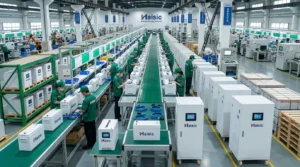
When the grid goes dark, you need a residential energy storage system you can actually trust. We built Haisic to be the absolute backbone of your grid down power survival plan. Backed by over 15 years of rigorous R&D engineering and direct manufacturing expertise, we don\’t just assemble batteries—we engineer rock-solid blackout survival power solutions from the ground up.
Tailored Solutions for Home Energy Independence
A one-size-fits-all approach always fails when it comes to true emergency solar power. We designed our energy storage systems to be completely modular, giving you the exact power capacity you need to keep your lights on.
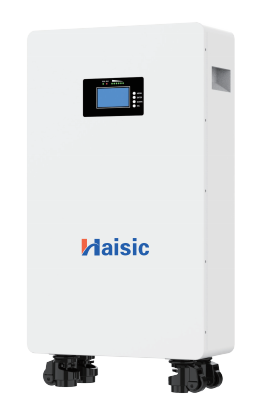
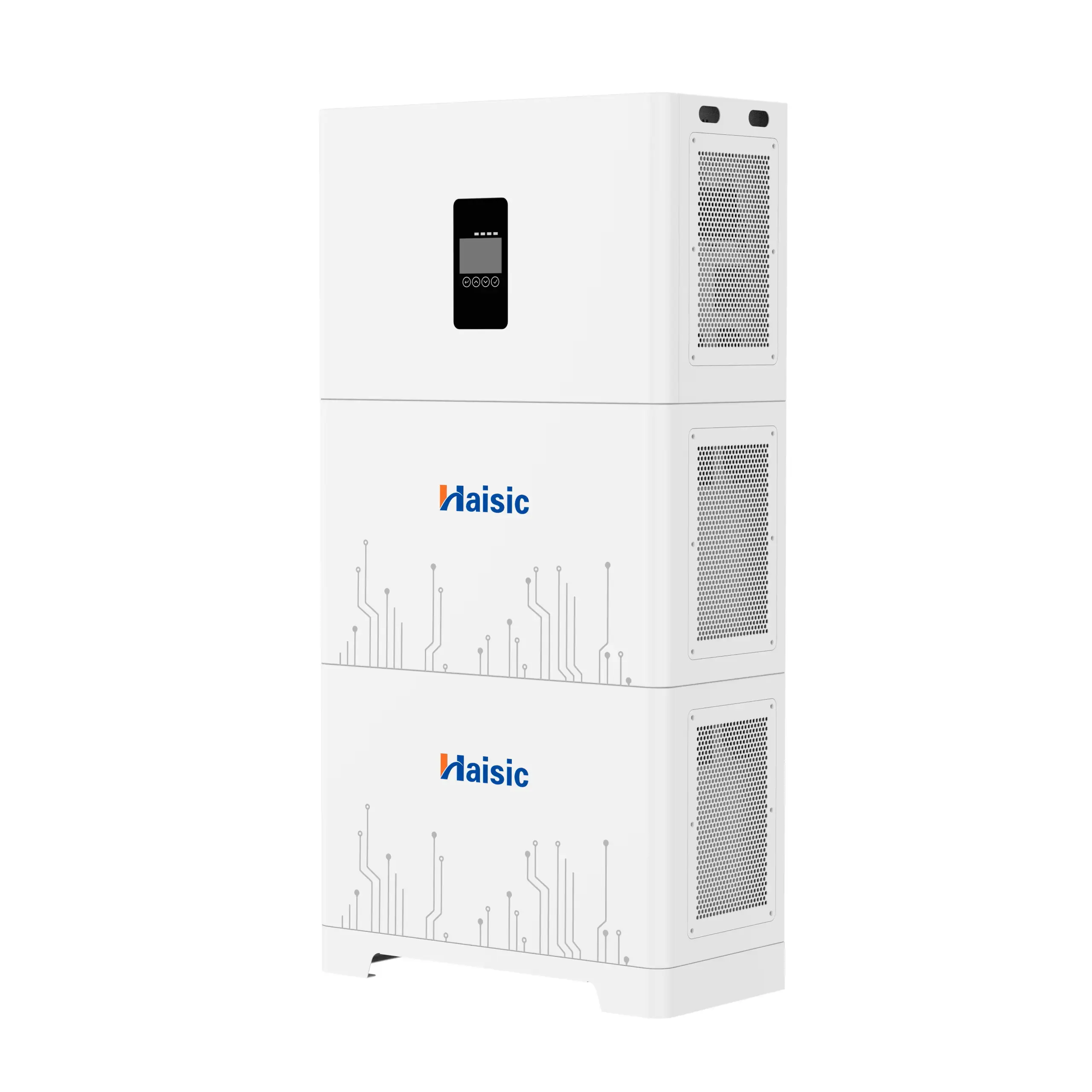
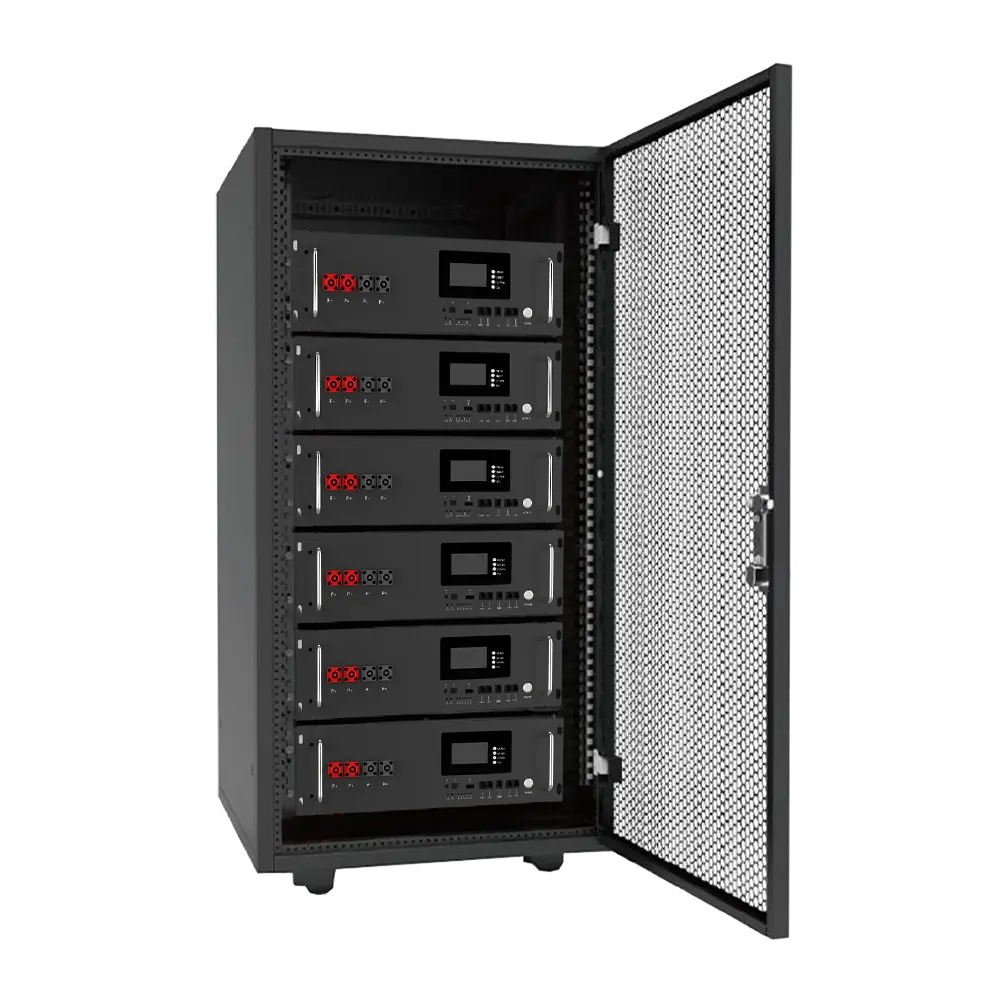
- Stackable Residential Units: You can easily scale your home off-grid solar system from a compact 1.28kWh module all the way up to a massive 26.88kWh whole home solar battery bank.
- Commercial Backup Ready: Need more juice? Our technology seamlessly bridges the gap between standard residential setups and heavy-duty commercial emergency power supplies (EPS).
Lower Total Cost of Ownership
Cutting corners on a cheap, temporary SHTF solar setup will only cost you more the second it fails during a real outage. Our high-grade LiFePO4 battery backup systems are built specifically to outlast and outperform the competition.
- Maximum Lifespan: Investing in our premium, long-lasting battery chemistry means you get thousands of reliable charge cycles, eliminating the need for constant, expensive replacements.
- Unmatched Value: Forget flimsy, short-lived portable alternatives. A permanent, high-quality Haisic setup drastically lowers your true cost of ownership while delivering unwavering performance when your family needs it most.
Frequently Asked Questions (FAQs) About Emergency Solar Power
I often hear the same vital questions from customers looking to secure their homes against outages. Here are the clear-cut answers to help you build a reliable blackout survival plan.
Can I run my whole house on emergency solar power?
Yes, you can. However, it depends entirely on how we size your system.
- Whole home solar battery systems: Designed to handle heavy loads, including HVAC units, well pumps, and electric ovens.
- Partial backup systems: Scaled down to keep only the essential circuits alive, like your refrigerator, Wi-Fi, medical devices, and basic lighting.
How long will a battery backup last during a grid-down scenario?
This comes down to your battery\’s total capacity and your family\’s energy consumption.
- A standard residential energy storage system (RESS) will easily carry your essential loads through the night.
- When the sun comes up the next day, your panels will recharge the battery bank. With smart energy management, you can maintain this off-grid solar power cycle indefinitely during a prolonged blackout.
Do I need to disconnect from the grid to use a solar battery setup?
No manual disconnection is required. Modern hybrid solar inverter systems handle the switch automatically. When the grid fails, the inverter instantly isolates your home from the utility line—a process known as \”islanding.\” This ensures your home stays powered while preventing your system from sending dangerous electricity back onto the grid where repair crews are working.
Can I add a battery to my existing solar panels?
Absolutely. If you already have panels on your roof, you are halfway to true grid down power survival.
We can easily retrofit a high-quality LiFePO4 battery backup to almost any standard grid-tied setup. To complete your emergency power supply, we typically just need to install an AC-coupled battery system or upgrade your current equipment to a hybrid inverter.