

The Business Case: Why Invest in Commercial Solar Carports?
Are you tired of looking at your parking lot and seeing nothing but a maintenance expense? It is time to flip the script. For business owners and facility managers, a commercial solar carport isn\’t just a fancy architectural addition; it is a strategic asset that turns asphalt into a revenue-generating power plant. We are moving beyond simple utility savings and looking at a complete upgrade to property value and functionality.
Slash Operational Costs & Demand Charges
Electricity rates are volatile, and for commercial properties, demand charges often make up a massive chunk of the monthly bill. These fees are based on your highest usage period, not just total consumption.
- Peak Shaving: Solar carports generate power during the day when commercial activity—and grid pricing—is usually at its peak.
- Grid Independence: By offsetting your draw from the utility company, you effectively cap your exposure to rising energy costs.
Monetize Dead Space with Asset Utilization
Your parking lot is likely your largest underutilized asset. Right now, it just sits there absorbing heat. Installing parking lot solar structures transforms that \”dead space\” into a productive micro-utility. You are essentially double-dipping on land use: maintaining necessary parking capacity while simultaneously generating kilowatts. This is efficient asset utilization at its finest.
Protect Vehicles: Weather & UV Shielding
Let’s be honest—nobody likes getting into a car that has been baking in the sun all day. A commercial solar canopy offers a premium amenity that employees and customers notice immediately.
- UV Protection: Prevents interior fading and keeps cabins cooler, reducing the AC load when drivers depart.
- Weather Defense: Shields vehicles from rain, snow, and damaging hail.
- Reduced Maintenance: Keeps the lot clearer of snow and debris, potentially lowering winter maintenance costs.
Visual Sustainability: ESG & Brand Image
Rooftop solar is effective, but it is often hidden from view. A solar carport is a billboard for your commitment to sustainability. It physically demonstrates your Environmental, Social, and Governance (ESG) goals to every visitor who pulls in. It sends a clear message: this business is forward-thinking, responsible, and powered by clean energy.
Commercial Solar Carport Design & Structure Types
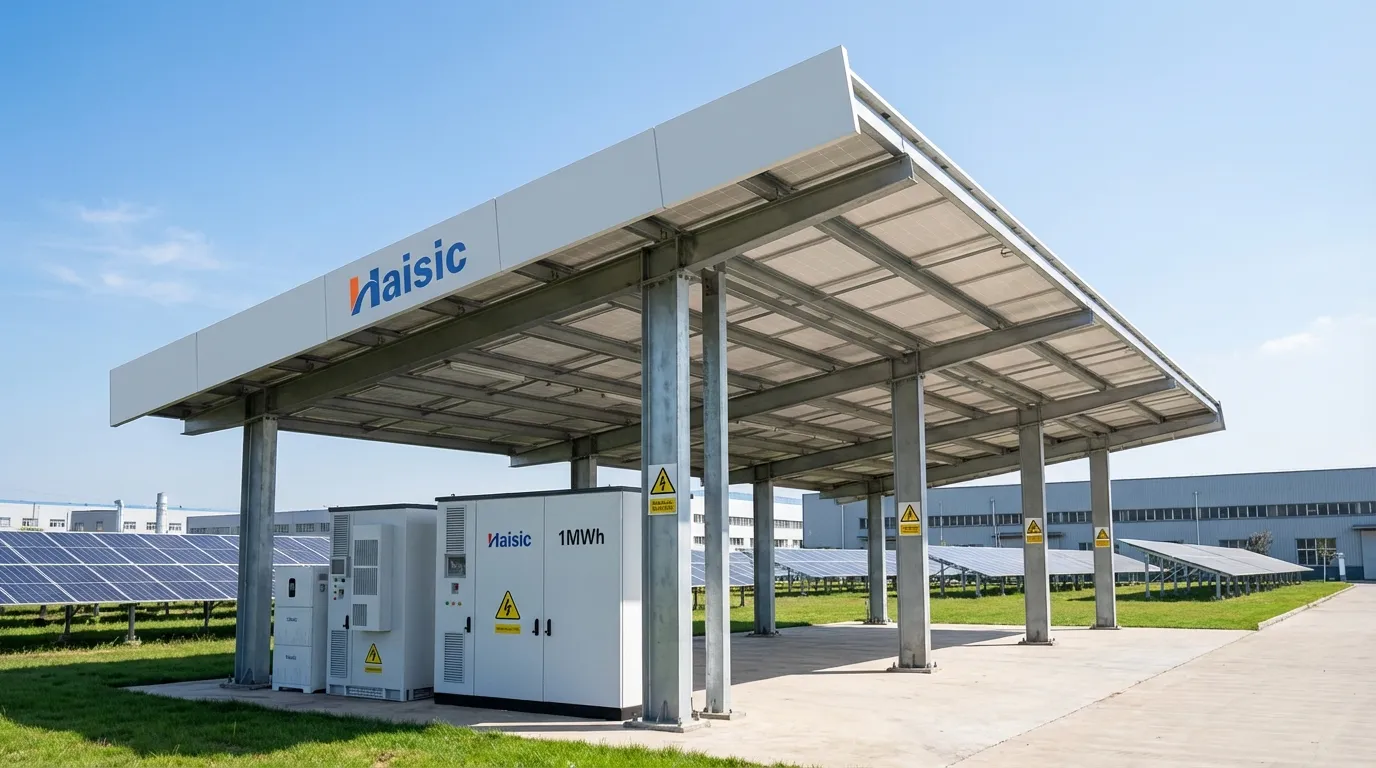
Designing a commercial solar carport isn\’t just about energy generation; it\’s about optimizing your parking lot\’s functionality and safety. We focus on engineering steel solar structures that withstand local wind and snow loads while ensuring traffic flows smoothly. Choosing the right frame and panel technology is critical for the long-term ROI of your project.
Cantilever / L-Frame: Maximum Maneuverability
The Cantilever (L-Frame) design is often the preferred choice for single rows of parking, especially in retail or office settings where driver convenience is paramount.
- Obstruction-Free Parking: The support columns are placed on the curb or perimeter, leaving the parking bay completely open.
- Reduced Accident Risk: With no poles between spaces, employees and customers can open doors freely and back out without fear of collision.
- Premium Aesthetics: This design offers a sleek, floating appearance that modernizes the property image.
T-Frame / Y-Frame: Cost-Effective Double Rows
When covering large, double-row parking aisles, the T-Frame (sometimes called Y-Frame) is the most economical solution.
- Shared Structural Support: A single central column supports a canopy wing on both sides, covering two vehicles at once.
- Lower Material Costs: This design requires less steel and fewer concrete foundations per parking space compared to cantilever systems.
- High Density: It is the standard for maximizing the kilowatt (kW) capacity across expansive commercial lots.
Bifacial Panels: Capturing Reflected Light
For commercial solar canopies, we almost exclusively recommend bifacial solar panels. Unlike rooftop systems that sit flush against a surface, carports are elevated and open.
- Albedo Effect: These panels absorb direct sunlight on the front and reflected light from the pavement on the back.
- Increased Yield: Depending on the surface (concrete reflects more than asphalt), you can see energy gains of 5–15% over traditional monofacial panels.
- Durability: Bifacial modules often utilize a glass-on-glass design, offering superior resistance to UV degradation and moisture.
Water Management & LED Lighting Integration
A premium solar carport serves as a shelter as much as a power plant.
- Weather Protection: We can integrate decking or gaskets between panels to channel rainwater into gutters, keeping visitors dry during storms.
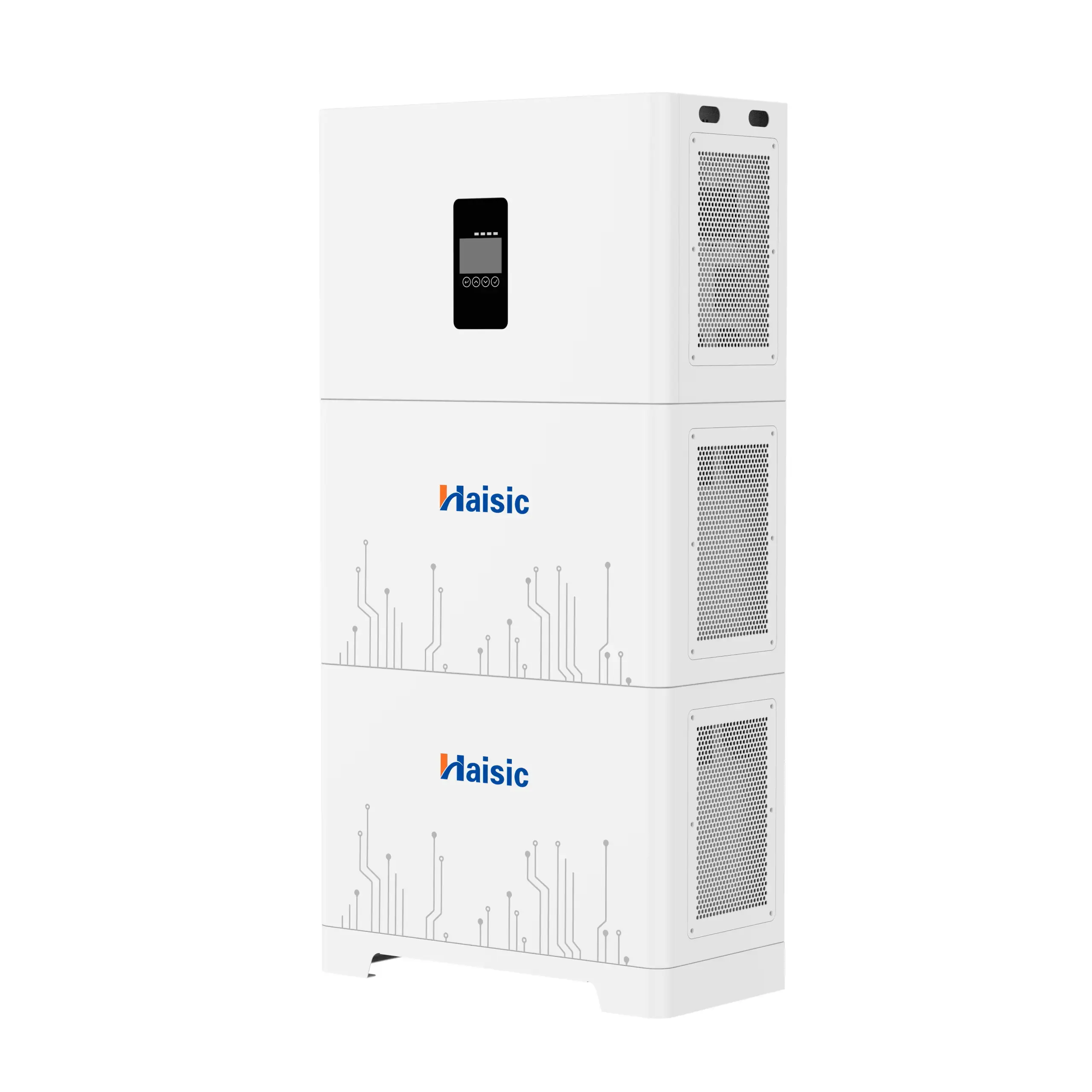
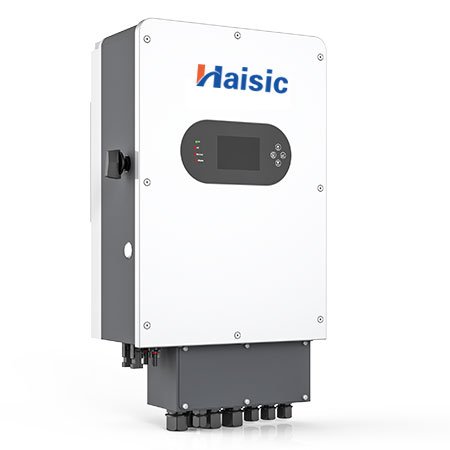
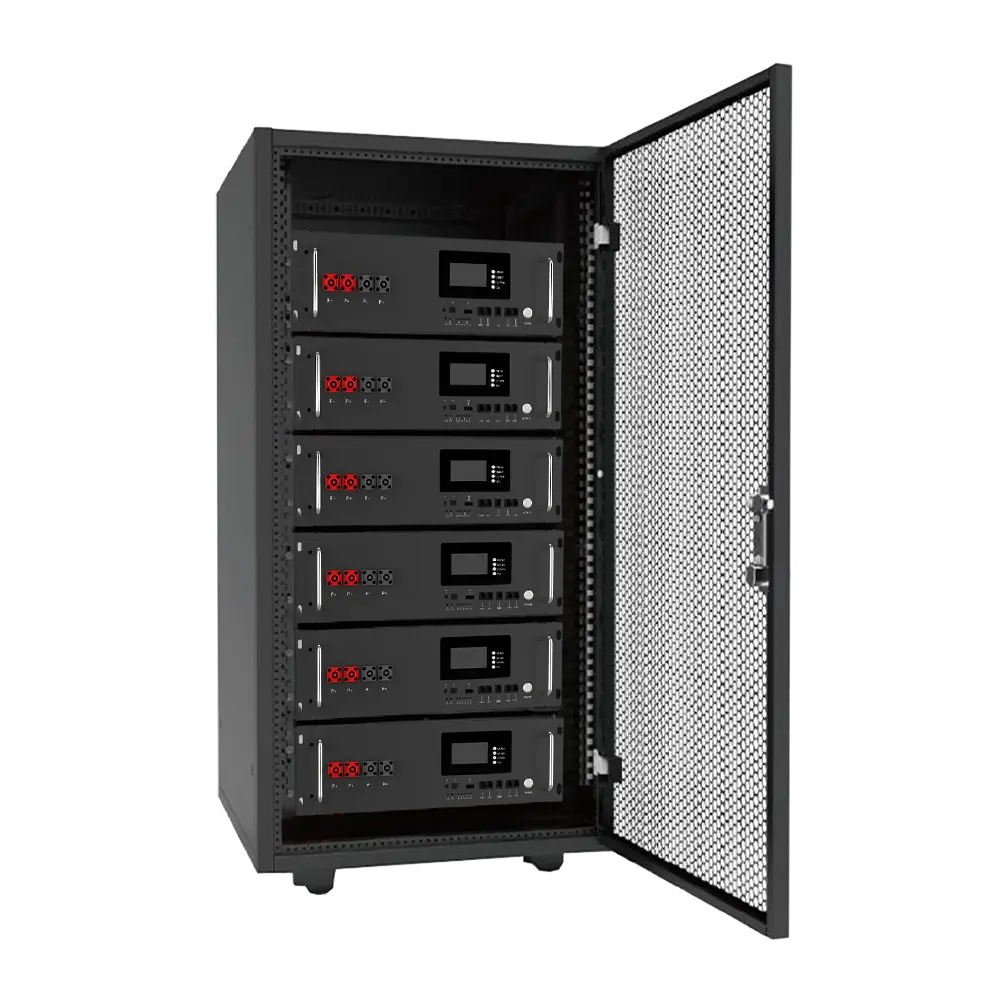
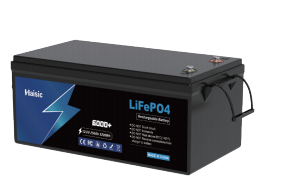
- Safety Lighting: The structural beams provide ideal mounting points for LED fixtures. Connecting these lights to a 512V LiFePO4 energy storage system ensures your lot remains lit and secure even during grid outages.
Integrating Battery Storage (BESS) for Maximum ROI
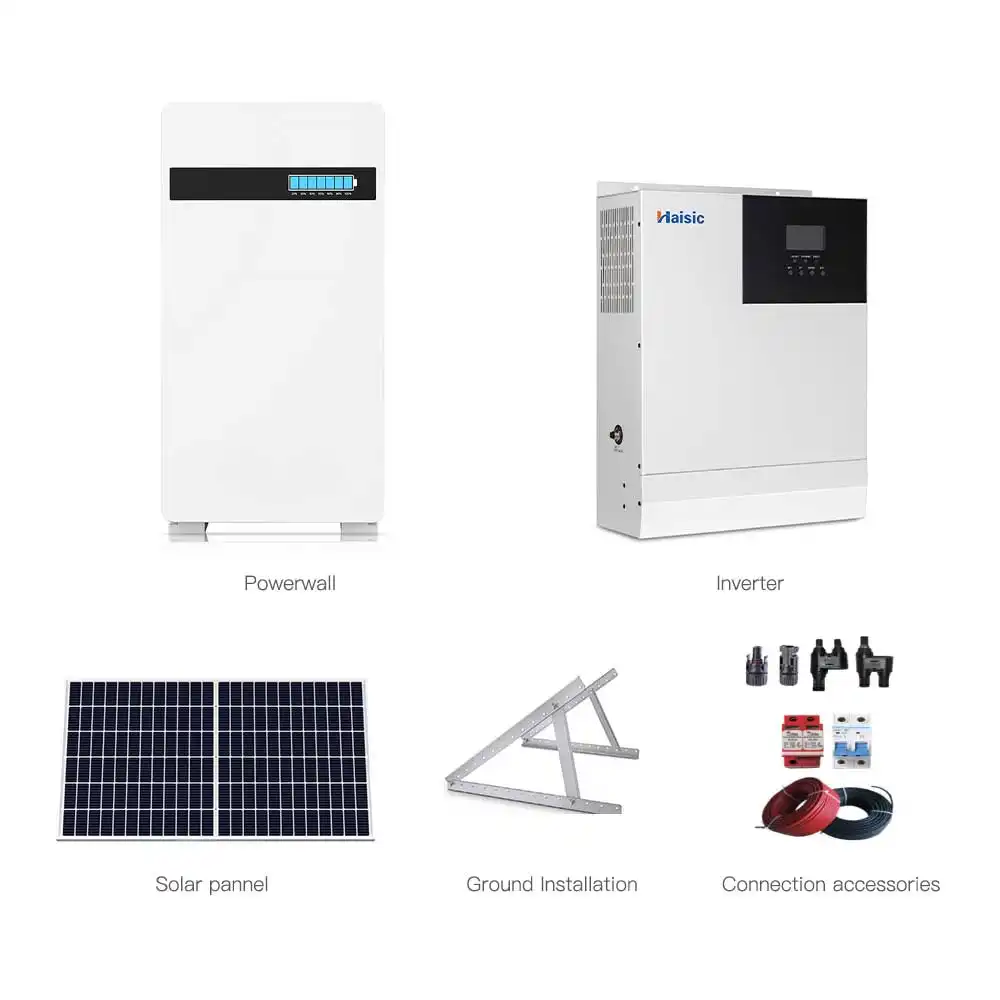
Adding a commercial solar carport to your property is a strong move, but pairing it with a Battery Energy Storage System (BESS) is what truly optimizes the return on investment. While solar panels generate electricity, batteries give you control over when to use it. This distinction transforms a passive energy saver into an active asset management tool.
Peak Shaving: Capping Expensive Grid Usage
For most commercial facilities, utility bills aren\’t just about how much energy you use, but when you use it. Demand charges—fees based on your highest 15-minute usage window in a month—can account for up to 50% of an electricity bill. Solar alone cannot guarantee protection against these spikes, especially if high consumption occurs on a cloudy day or early evening.
By integrating a containerized energy storage system, you can implement peak shaving strategies. The system detects when your facility is approaching a demand threshold and automatically discharges stored battery power to cap grid usage. This keeps your facility in a lower rate tier and slashes demand charge management costs significantly.
Energy Resilience: Backup During Outages
A common misconception is that solar panels will keep the lights on during a blackout. In reality, standard grid-tied inverters automatically shut down during outages to protect utility workers. Without storage, your commercial solar carport is dead weight when the grid fails.
Coupling your structure with commercial battery storage solutions creates a microgrid capability. This setup allows your system to \”island\” itself from the grid, keeping critical operations—like servers, security systems, and lighting—running seamlessly. This energy resilience prevents costly downtime and protects your business continuity.
Why Solar Alone Often Isn\’t Enough
Relying solely on solar generation leaves money on the table due to the mismatch between production and consumption curves:
- Intermittency: Solar production drops during rain or cloud cover, forcing you to buy expensive grid power.
- Export Rates: Sending excess solar power back to the grid often yields low credits compared to the retail rate you pay to buy it back later.
- Time-of-Use (TOU) Rates: Utilities often charge more for electricity in the late afternoon when solar production is tapering off.
Storage bridges these gaps, allowing you to store cheap solar energy generated at noon and deploy it during expensive evening hours.
The Synergy: Solar Carports & EV Charging Stations
Combining a commercial solar carport with electric vehicle infrastructure creates a powerful microgrid that does more than just shade cars. It transforms a passive parking lot into an active fueling station, maximizing the utility of the real estate.
Using Storage as a Grid Buffer for Fast Charging
Level 3 DC fast charging draws massive amounts of power instantly. Without support, simultaneous charging sessions cause demand spikes that can skyrocket utility bills. We solve this by integrating commercial battery storage solutions to act as a buffer.
By working with a reliable import energy storage system manufacturer, businesses can deploy batteries that discharge specifically during these high-draw charging sessions. This keeps the grid draw flat, avoids expensive demand charges, and ensures fast charging speeds remain consistent regardless of grid conditions.
Future-Proofing for Electric Fleets
As logistics and service companies transition to electric vans and trucks, power requirements change drastically. A standard commercial grid connection often cannot handle a full fleet charging simultaneously overnight. Solar carport commercial setups provide the dedicated, on-site generation capacity needed to keep operations running. This approach avoids the massive capital expense and long lead times associated with upgrading utility transformers.
Attracting EV-Driving Customers & Employees
Destination charging is becoming a critical competitive advantage. EV charging station integration under a solar canopy signals a visible commitment to sustainability.
- Retail: Increases dwell time as customers shop while they charge.
- Workplace: Provides a tangible benefit for employees, boosting retention.
- Brand Image: Demonstrates environmental leadership physically, not just on paper.
Financial Breakdown: Incentives & Payback
Investing in a commercial solar carport is a significant capital expenditure, but the financial mechanisms available today turn these structures into high-yield assets. We aren\’t just building shade; we are securing long-term energy savings and tax benefits that drastically improve the bottom line.
Federal Investment Tax Credit (ITC) & Adders
The financial backbone of many solar projects is the Investment Tax Credit (ITC). This incentive allows businesses to deduct a substantial percentage of the installation cost from their federal taxes, directly lowering the barrier to entry.
- Base Credit: Projects typically qualify for a 30% credit if prevailing wage and apprenticeship requirements are met.
- Bonus Adders: Additional credits (often 10% each) are available for using domestic content or locating projects in designated energy communities.
This credit directly reduces the upfront burden, making the solar carport commercial viability much stronger immediately after commissioning.
Accelerated Depreciation (MACRS) Benefits
Beyond the ITC, the Modified Accelerated Cost Recovery System (MACRS) creates a powerful tax shield. It allows businesses to recover the cost of the solar asset through depreciation deductions much faster than standard property improvements.
- Rapid Write-off: A large portion of the system cost can often be depreciated in the first year.
- Tax Liability Reduction: This depreciation acts as a loss on paper, significantly lowering taxable income and freeing up cash flow.
Combining ITC with MACRS often offsets 50-60% of the total project cost within the first year or two.
Real Talk on Payback Periods (5–9 Years)
Let\’s be realistic about the return on investment. While residential systems might pay off quicker, commercial structures involve heavy steel and complex engineering.
- Typical ROI: Most businesses see a break-even point between 5 and 9 years.
- Key Variables: This timeline depends heavily on local utility rates, the integration of solar and energy storage to manage demand charges, and available state-level incentives like SRECs.
Once the system hits the break-even point, the energy generated is essentially free, drastically lowering operational overhead for the remaining 20+ years of the system\’s life.
Boosting Commercial Property Value
Installing a commercial solar carport does more than save on electric bills; it increases the asset value of the property. Properties equipped with renewable energy infrastructure command higher market valuations.
- Premium Leases: Tenants often pay a premium for properties with lower utility costs and covered parking.
- ESG Compliance: Visible sustainability attracts high-value corporate tenants looking to meet their own environmental goals.
Financial Impact
| Incentive Mechanism | Primary Benefit | Impact on ROI |
|---|---|---|
| Federal ITC | 30%+ Tax Credit | Immediate reduction of CapEx |
| MACRS | Accelerated Depreciation | Significant tax liability reduction in Year 1 |
| Operational Savings | Reduced Utility Bills | Long-term cash flow improvement |
| Property Value | Asset Appreciation | Higher resale and lease potential |
By leveraging these incentives, the net cost of a commercial solar carport drops significantly, making it a smart financial move for property owners looking to future-proof their assets.
Pre-Construction Checklist & Site Assessment
Before we break ground on any commercial solar carport project, we have to validate the site\’s viability. Skipping these steps is the fastest way to blow a budget or get a permit application rejected. A thorough assessment ensures the system performs financially and structurally for decades.
Soil Conditions, Wind Loads, & Orientation
The foundation is everything. We start with a geotechnical report to understand what is happening underground. If the soil is loose or sandy, we need deeper concrete piers; if it is rocky, we might use spread footings. This directly impacts the cost of steel solar structures.
Environmental factors are just as critical. The engineering must account for local wind speeds and snow loads. A carport acts like a giant sail, so in high-wind areas, we reinforce the columns and purlins. For energy production, we analyze the azimuth. Ideally, we orient the structure South (in the Northern Hemisphere) to maximize exposure, but we also have to align with existing parking lanes to avoid losing spaces.
Navigating Zoning, Permitting, & Setbacks
Bureaucracy often takes longer than construction. Every municipality has specific zoning laws regarding accessory structures. We have to look closely at:
- Setbacks: How far the structure must be from property lines and roads.
- Height Restrictions: Ensuring the canopy clears delivery trucks but stays under local height caps.
- Fire Access: Maintaining clear lanes for emergency vehicles.
- Lighting Codes: Ensuring under-canopy lighting doesn\’t cause light pollution for neighbors.
Choosing High-Cycle Life Batteries
If your project involves storage for demand charge management, the battery chemistry matters. For commercial applications, we prioritize high-cycle life over sheer density. You need a system capable of discharging daily without degrading rapidly. Integrating a robust 215kWh commercial and industrial container ESS ensures your system can handle the rigorous demands of daily peak shaving and backup power. Selecting the right commercial battery storage solutions upfront prevents early replacement costs and secures better long-term ROI.
FAQ: Commercial Solar Carports
Navigating the logistics of a commercial solar carport project generates plenty of questions. Here are the straight answers to the most common inquiries we get from business owners and facility managers.
What is the average cost per watt for solar carports?
There is no single sticker price, but you should expect a premium compared to rooftop installations. The solar carport cost per watt is typically higher because you are essentially constructing a new building—paying for heavy-gauge steel solar structures, deep concrete foundations, and labor for vertical construction.
- Rooftop Solar: Uses existing structure (cheaper).
- Solar Carport: Requires independent structural engineering (higher initial capital).
However, the return on investment isn\’t just energy savings; it includes the value of covered parking, vehicle protection, and reduced lot maintenance.
Does a carport require a new transformer?
Not always, but it is a possibility depending on your current electrical infrastructure. If your commercial solar carport system generates more amperage than your existing main switchboard or transformer can handle, an upgrade will be necessary.
- Small Systems: Often tie directly into existing panels.
- Large Fleets: May require a new transformer or line-side tap to handle the increased load and export capacity.
We always recommend a preliminary load analysis to see if your current grid connection can support the new generation capacity without expensive upgrades.
Can I retrofit an existing lot without disrupting business?
Absolutely. We rarely shut down an entire parking lot at once. The standard approach for installing parking lot solar structures is a phased construction plan.
- Sectioning: We cordon off small sections of the lot (e.g., 20-50 spaces) at a time.
- Flow Management: Traffic is rerouted to ensure customers and employees still have parking access.
- Safety: Construction zones are fenced off to keep daily operations safe and separate from heavy machinery.
This method extends the timeline slightly but keeps your business operational throughout the build.
How does snow load affect the design?
Geography dictates engineering. If you are in a region with heavy snowfall, the steel solar structures must be engineered to withstand higher static loads.
- Steel Gauge: We use thicker columns and beams to prevent buckling under wet, heavy snow.
- Tilt Angle: A steeper tilt helps snow slide off the panels naturally, reducing the weight on the canopy and keeping the panels clear for power generation.
- Foundation Depth: Heavier loads require deeper concrete footings to prevent shifting during freeze-thaw cycles.
Ignoring local snow load data is a recipe for structural failure, so we always design with a significant safety margin based on historical weather patterns.