

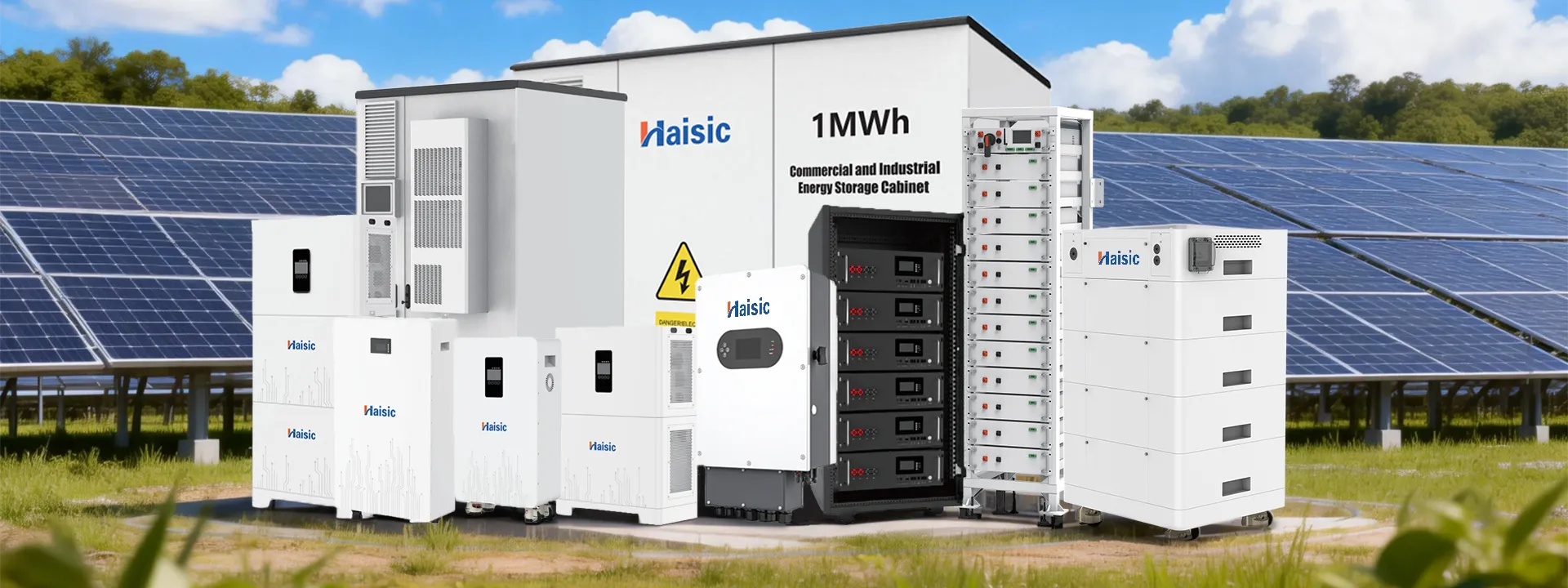
What is a Battery Energy Storage System (BESS)?
Core Definition and Components
A **battery energy storage system (BESS)** is a sophisticated energy automation platform designed to capture electricity for later use. Modern solutions, such as the **Honeywell Ionic™**, move beyond simple storage by integrating hardware and software into a single, seamless ecosystem. The core components include high-density **lithium-ion batteries**—specifically **Lithium Iron Phosphate (LFP)** cells—paired with an advanced Battery Management System (BMS). This three-layer BMS provides critical insights at the cell, module, and rack levels, ensuring the system operates safely and efficiently within a compact, modular footprint.
How BESS Works with the Power Grid
BESS technology acts as an intelligent buffer between the power grid and the end-user. Through **autonomous optimization**, the system manages onsite energy demand to control costs without requiring manual intervention. It functions by charging when electricity rates are low or generation is high, and discharging during peak demand periods to offset expensive utility charges. Additionally, these systems enhance grid stability by providing reliable backup power, ensuring commercial and industrial facilities remain operational even during grid fluctuations or outages.
The Role of BESS in Renewable Energy Transition
As the world accelerates toward a sustainable future, BESS is essential for integrating renewable energy sources like solar and wind. Since these sources are intermittent, a BESS bridges the gap between generation and consumption. By storing excess energy produced during peak sunlight or wind conditions, the system allows organizations to utilize clean power exactly when it is needed. This capability supports the broader **energy transition** by reducing reliance on traditional fossil fuels and enabling businesses to meet their sustainability goals through automated, efficient energy management.
Main Types of BESS Technologies

Lithium-Ion and Lead-Acid Batteries
When we look at the modern energy landscape, lithium-ion batteries are the undisputed standard for efficiency and density. While traditional lead-acid batteries served us well in the past, they simply cannot match the cycle life and depth of discharge required for today\’s grid demands. The industry has shifted heavily toward Lithium Iron Phosphate (LFP) chemistry, which balances performance with safety.
For instance, the new Honeywell Ionic™ platform utilizes high-density LFP 314 Ah cells. This specific chemistry is chosen for its durability and longevity, offering greater than 8,000 cycles and a round-trip efficiency exceeding 90%. This makes it the ideal choice for robust commercial solar battery storage systems where reliability is non-negotiable.
Flow and Sodium-Sulfur Battery Systems
While lithium-ion is the go-to for compact, modular applications, we also see Flow and Sodium-Sulfur batteries in the broader market. These technologies are often explored for long-duration storage needs where rapid response is less critical. However, they typically require a larger physical footprint compared to the energy density offered by modern lithium solutions.
For Commercial and Industrial (C&I) sectors, the trend is moving away from these bulkier systems toward modular \”all-in-one\” platforms. The Honeywell Ionic™ exemplifies this shift, packing up to 5 MWh of capacity into a flexible, liquid-cooled footprint that is easier to deploy than complex flow battery infrastructure.
New and Emerging Storage Chemistries
The \”bess new\” wave isn\’t just about changing chemicals; it\’s about optimizing how we manage them. Emerging storage technologies now focus heavily on integrating safety and thermal management directly into the cell configuration. We are seeing a move toward 256S1P configurations and advanced liquid cooling systems to maintain optimal temperatures between -30°C and 50°C.
Key innovations in modern chemistries include:
- Enhanced Safety: Adoption of ISA Secure 2 cybersecurity standards alongside chemical stability.
- Higher Density: Packing more power (nominal 125 kW) into smaller IP55-rated enclosures.
- Extended Lifespan: Liquid cooling ensures the battery chemistry degrades slower, maximizing asset value over time.
Key Benefits and Advantages of BESS
The shift toward bess new platforms isn\’t just about storing power; it is about transforming how we manage energy infrastructure. We are moving beyond simple backup batteries into fully automated energy assets that actively stabilize operations and reduce overhead.
Grid Stability and Reliability
Reliability is the cornerstone of any energy strategy. Modern systems like the Honeywell Ionic™ are designed to provide consistent backup power, ensuring business continuity even during grid failures. This resilience is vital for mitigating the risks associated with aging infrastructure and extreme weather. Whether managing a large commercial facility or securing a property with a 10kWh wall-mounted home energy storage unit, the primary goal remains the same: keeping the lights on and the equipment running when the grid cannot.
Peak Shaving and Energy Cost Reduction
One of the most immediate financial impacts of a modern BESS is the ability to manage demand charges. By automating onsite energy demand, platforms can store electricity when rates are low and discharge it during peak pricing periods.
- Automated Savings: The Honeywell Ionic™ handles this optimization autonomously, reducing the need for manual intervention.
- Demand Management: It smooths out consumption spikes that typically trigger high utility fees.
- Renewable Integration: It captures excess solar or wind generation that would otherwise be lost, utilizing it to offset expensive grid power later.
Improved Energy Efficiency and Flexibility
Efficiency determines the long-term value of your storage investment. We look for systems that maximize output while minimizing losses. The Honeywell Ionic™ utilizes high-density Lithium Iron Phosphate (LFP) chemistry to achieve a round-trip efficiency of greater than 90%.
| Feature | Benefit |
|---|---|
| Modular Scalability | Scale from 250 kWh to 5 MWh by paralleling up to 20 units. |
| Liquid Cooling | Maintains optimal temperatures (-30°C to 50°C) to extend battery life. |
| High Cycle Life | Delivers over 8,000 cycles for long-term operational durability. |
This modular approach allows organizations to start with a capacity that fits their current needs and expand as their energy requirements grow, ensuring the system remains a flexible asset rather than a static expense.
Core Features of New BESS Platforms
The landscape of energy storage is shifting rapidly. A bess new platform isn\’t just a battery in a box anymore; it is a sophisticated, all-in-one automation platform designed to solve reliability challenges and manage energy costs autonomously.
Modular and All-in-One Design
Modern solutions like the Honeywell Ionic™ represent a move toward complete integration. These systems combine high-density lithium-ion batteries (specifically LFP chemistry) with thermal management and control hardware into a single, seamless unit. The standout feature here is scalability.
We see systems designed to grow with your business. You can start with a nominal capacity of roughly 255 kWh and scale all the way up to 5 MWh by connecting units in parallel. This flexibility is crucial for businesses that need a 200kW industrial commercial energy storage battery solution today but might need double that capacity tomorrow.
Key Design Specs:
- Scalability: 250 kWh to 5 MWh range.
- Chemistry: Lithium Iron Phosphate (LFP) for safety and longevity.
- Durability: IP55 rating and liquid cooling for harsh environments (-30°C to 50°C).
Advanced Energy Management Systems (EMS)
The hardware is only as good as the software controlling it. New platforms prioritize intelligent control layers that provide deep visibility into system health. A robust battery energy storage system now includes a three-layer Battery Management System (BMS).
This multi-tiered approach monitors performance at the cell, module, and rack levels simultaneously. It ensures the system operates at >90% round-trip efficiency while protecting the asset from electrical faults. This level of insight allows for predictive maintenance, ensuring the cycle life exceeds 8,000 cycles.
Automation and Remote Monitoring Capabilities
The newest generation of BESS is built for autonomy. We are moving away from manual intervention toward systems that automatically optimize onsite energy demand. This automation helps facilities manage peak loads and integrate renewable sources like solar and wind without constant human oversight.
Security and Connectivity Table:
| Feature | Function | Benefit |
|---|---|---|
| Cybersecurity | ISA Secure 2 Standards | Protects energy infrastructure from network threats. |
| Remote Ops | Remote Operations Center | 24/7 monitoring and management via tailored agreements. |
| Grid Support | Voltage & Frequency Reg | Stabilizes the local grid automatically. |
These platforms are designed to be \”set and forget,\” handling the complexities of energy arbitrage and backup power while strictly adhering to cybersecurity standards to keep the network safe.
Primary Application Scenarios
A bess new installation isn\’t a one-size-fits-all product. Depending on the capacity and voltage requirements, these systems serve vastly different roles, from keeping a single home running to stabilizing an entire regional power grid. We categorize these applications based on scale and purpose.
Utility-Scale Energy Storage Projects
At the top level, utility providers deploy massive battery arrays to maintain grid stability. These projects are critical for frequency regulation and voltage control. When renewable generation from wind or solar fluctuates, utility-scale storage steps in instantly to smooth out the supply. This ensures that the grid remains reliable even as we transition away from steady fossil fuel generation. These systems often operate at high voltages (up to 1500VDC) to minimize energy loss over long distances.
Commercial and Industrial (C&I) Solutions
This is where modular platforms like the Honeywell Ionic™ truly shine. For factories, data centers, and large commercial buildings, the goal is reducing operational costs and ensuring business continuity. C&I systems typically range from 250 kWh to 5 MWh, allowing businesses to scale capacity as their needs grow.
By deploying a commercial energy storage system, facilities can engage in peak shaving—discharging batteries during expensive peak hours to lower demand charges. These systems also provide critical backup power, protecting sensitive equipment from grid interruptions. The integration of liquid-cooled lithium-ion batteries ensures these units can handle the thermal demands of heavy industrial cycling.
Microgrids and Off-Grid Infrastructure
For remote operations or campuses that need independence from the main grid, microgrids are the answer. These setups combine local generation (like solar arrays or generators) with substantial battery storage to create a self-sufficient power island.
Reliability is the priority here. An all-in-one automation platform manages the flow of power without manual intervention. We often see remote mining sites or island communities utilizing a 1MWh all-in-one solar energy storage system to replace expensive diesel generators. These containerized solutions are built to withstand harsh environments, operating effectively in temperatures ranging from -30°C to 50°C.
Residential Energy Storage Systems
On the smaller end of the spectrum, residential systems focus on energy security for individual households. While much smaller than their industrial counterparts, they use similar lithium-ion technology to store excess solar power generated during the day. This allows homeowners to use clean energy at night and maintain power during local outages, reducing reliance on the grid and lowering monthly electricity bills.
Safety Standards and Environmental Impact
Fire Safety and Thermal Management Protocols
Safety is the absolute priority when deploying any **bess new** technology. We focus on systems that utilize stable chemistry to minimize risk. The Honeywell Ionic™ platform is built with **Lithium Iron Phosphate (LFP)** cells, which offer superior thermal stability compared to traditional **lithium-ion batteries**. To ensure consistent performance and safety, these units feature an advanced liquid-cooling system. This active thermal management keeps the battery operating safely within a temperature range of -30°C to 50°C, preventing overheating and extending the lifespan of the equipment. Additionally, the enclosure is rated IP55, providing robust protection against dust and water ingress in harsh environments.
Environmental Footprint and Sustainability
Sustainability goes beyond just storing energy; it requires maximizing efficiency and lifespan. Modern storage solutions are designed to support the energy transition by seamlessly integrating renewable sources like solar and wind. The Honeywell Ionic™ delivers a round-trip efficiency of greater than 90%, ensuring that very little energy is wasted during the charge and discharge process. With a cycle life exceeding 8,000 cycles, these systems are built for longevity, which significantly reduces long-term waste. For businesses looking to optimize their green energy usage, determining the correct [battery storage needs](https://haisicstorage.com/battery-storage-do-i-need/) is a critical step in reducing the overall carbon footprint of the facility.
Regulatory Compliance and Safety Working Groups
Adhering to global standards is essential for the reliability of any **battery energy storage system**. Our approach ensures that infrastructure meets the strictest regulatory requirements. The Honeywell Ionic™ is designed for UL certification in the Americas and IEC certification in Europe, with deliveries scheduled to align with these approvals in 2026. Beyond physical safety, we also prioritize digital security. The platform incorporates **ISA Secure 2** cybersecurity standards, protecting the network and energy assets from digital threats. This multi-layered compliance strategy ensures that the system remains secure, reliable, and approved for operation in demanding commercial and industrial sectors.
Selecting the Right BESS Solution
When investing in a bess new installation, we aren\’t just purchasing batteries; we are selecting a comprehensive energy automation platform. The goal is to solve reliability challenges and manage energy costs without adding operational headaches. For Commercial and Industrial (C&I) applications, the focus must shift from simple storage capacity to intelligent control and safety integration.
Key Performance Parameters to Consider
To ensure long-term reliability and return on investment, we must evaluate the technical core of the system. Modern platforms like the Honeywell Ionic™ set the benchmark by utilizing high-density Lithium Iron Phosphate (LFP) chemistry, which offers a superior balance of safety and energy density.
Here are the critical specs I look for when validating a system:
| Parameter | Recommended Specification | Why It Matters |
|---|---|---|
| Battery Chemistry | LFP (314 Ah cells) | Higher thermal stability and safety compared to NMC. |
| Cycle Life | >8,000 Cycles | Ensures the asset lasts through years of daily charging/discharging. |
| Efficiency | >90% Round-trip | Minimizes energy loss during the storage and retrieval process. |
| Cooling System | Liquid-Cooled | Maintains optimal temperature (-30°C to 50°C) to extend battery life. |
| Voltage | 480 V / 1500VDC | Standardized voltage for efficient industrial grid integration. |
When evaluating robust containerized energy storage systems, always verify that the protection rating is at least IP55 to withstand harsh environmental conditions.
Scalability and Future-Proofing Your System
One of the biggest mistakes in energy planning is over-sizing or under-sizing the initial installation. A truly future-proof bess new solution must be modular. We need the flexibility to start with what is necessary today and expand as energy demands grow.
- Modular Architecture: Look for systems that allow you to connect multiple units in parallel. For instance, platforms scaling from 250 kWh to 5 MWh allow businesses to add capacity incrementally.
- Plug-and-Play Expansion: The ability to add units (up to 20 in parallel) without overhauling the entire infrastructure is vital.
- Cybersecurity: Future-proofing also means digital safety. Systems must adhere to standards like ISA Secure 2 to protect against network threats.
Our comprehensive energy storage solutions are designed with this modularity in mind, ensuring your infrastructure adapts to the energy transition.
BESS-as-a-Service and Financing Models
The traditional CapEx model is evolving. New platforms are increasingly offered through tailored agreements where the focus is on outcomes—reliable power and cost savings—rather than just hardware ownership.
- Remote Operations: Advanced systems now include management via Remote Operations Centers. This allows for autonomous optimization of onsite energy demand and renewable integration (solar/wind) without manual intervention.
- Performance Guarantees: financing models often tie payments to the system\’s ability to reduce peak demand charges and provide backup power.
- Reduced Risk: By leveraging an \”all-in-one\” platform that combines hardware and software, we mitigate the integration risks typically associated with multi-vendor setups.