
Understanding Your Home Security Battery Basics
We have all been there: it is 2 AM, and your alarm panel starts chirping a low-battery warning. It is frustrating, but that sound is a reminder that your battery for home security system is the only thing standing between your safety and a total power failure. To choose the right replacement, you need to understand three core technical factors.
12V Alarm Battery Replacement: The Industry Standard
Most residential alarm panels are engineered to operate on a 12V (12-Volt) DC system. This voltage is the industry standard because it provides a stable, low-voltage current necessary to power sensors, keypads, and sirens. When looking for a rechargeable battery for alarm panel use, ensuring the voltage matches your system\’s requirements is the first step to avoiding hardware damage.
Capacity and Amp Hours (Ah)
The capacity of a security battery is measured in Amp Hours (Ah). This rating determines how long your system will stay online during a blackout. Common sizes include:
- 4Ah to 5Ah: Standard for smaller systems or basic burglar alarms.
- 7Ah to 9Ah: The most common choice for home security backup power supply, offering extended runtime for systems with multiple motion sensors or cellular communicators.
- High Capacity: For advanced setups, we often recommend larger capacities to ensure your \”blackout survival time\” covers extended outages.
Physical Dimensions and Terminal Sizes
Before ordering a 12 volt 7 amp hour battery, you must verify the physical space inside your metal alarm box. A battery that is even a half-inch too large will not fit. Additionally, pay close attention to the terminal connectors:
| Terminal Type | Width | Common Use |
|---|---|---|
| F1 Terminal | 3/16\” (4.75mm) | Smaller 4Ah – 5Ah batteries |
| F2 Terminal | 1/4\” (6.35mm) | Standard 7Ah – 9Ah batteries |
At Haisic, we focus on precision engineering. Whether you are looking for a standard 12V lithium drop-in replacement or a high-capacity LiFePO4 pack, matching these basics ensures your home remains protected without interruption.
Battery Chemistry Showdown: SLA vs. Lithium (LiFePO4)
Choosing the right battery for home security system setups usually comes down to two technologies: the traditional Sealed Lead Acid (SLA) and the modern Lithium Iron Phosphate (LiFePO4). While SLA batteries have been the industry standard for decades due to their low entry price, they are heavy, bulky, and prone to failure after just 2 to 3 years of service.
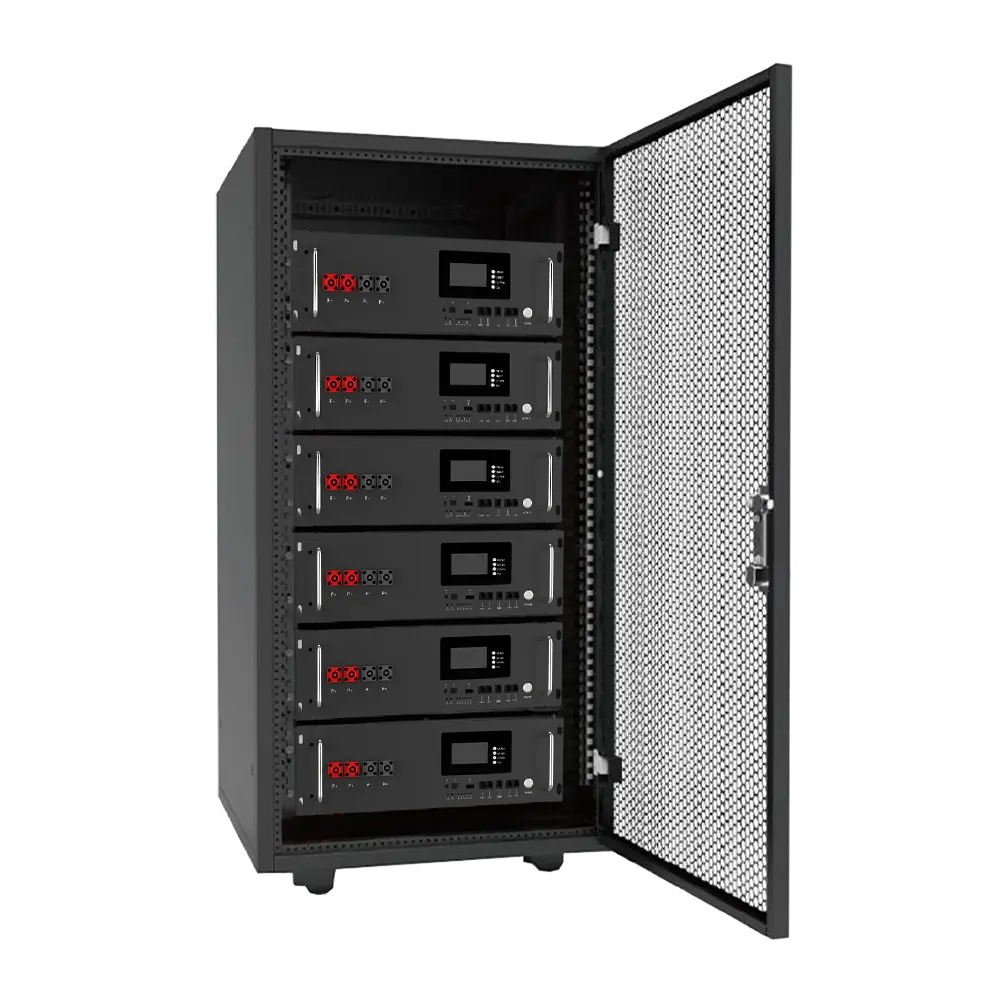
We focus on delivering a long lasting security system battery that eliminates the frequent maintenance cycles associated with lead-acid. Our LiFePO4 cells are engineered for high-performance environments where reliability is non-negotiable.
Why LiFePO4 is the Superior Choice
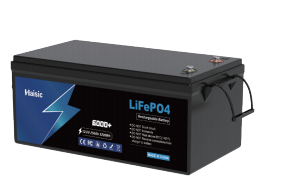
- Extended Lifespan: While SLA batteries struggle to reach 500 cycles, our lithium solutions offer 6,000+ charge cycles, lasting ten times longer.
- Advanced Safety: Every unit features an integrated battery management system (BMS). This smart technology uses intelligent algorithms to monitor cell health, preventing overcharging and thermal issues.
- Stable Power Delivery: Unlike SLA, which suffers from voltage drops as it discharges, a 12V lithium drop-in replacement maintains consistent power until the battery is nearly depleted, ensuring your sensors and panels never flicker.
- Superior Cost-Efficiency: When comparing SLA vs LiFePO4 alarm battery options, lithium has a higher upfront cost but a significantly lower cost-per-year. You save money by avoiding frequent replacements and technician call-out fees.
For homeowners looking to upgrade, a high-quality 12.8V LiFePO4 lithium battery provides the peace of mind that your security perimeter remains active during extended blackouts. We ensure all our lithium products meet rigorous global safety standards, including CE, FCC, and UN38.3, providing a secure and stable power source for your most critical home defense hardware.
Powering the Entire Security Ecosystem Beyond the Panel
A standard 12V battery inside your alarm panel is designed for a limited scope: keeping sensors and the siren active. However, a modern battery for home security system needs to cover more than just the basics. During a blackout, if your Wi-Fi router, CCTV cameras, and smart locks go dark, your home remains vulnerable even if the alarm panel is technically \”on.\”
Residential Energy Storage for Comprehensive Protection
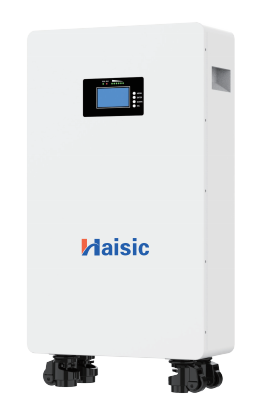
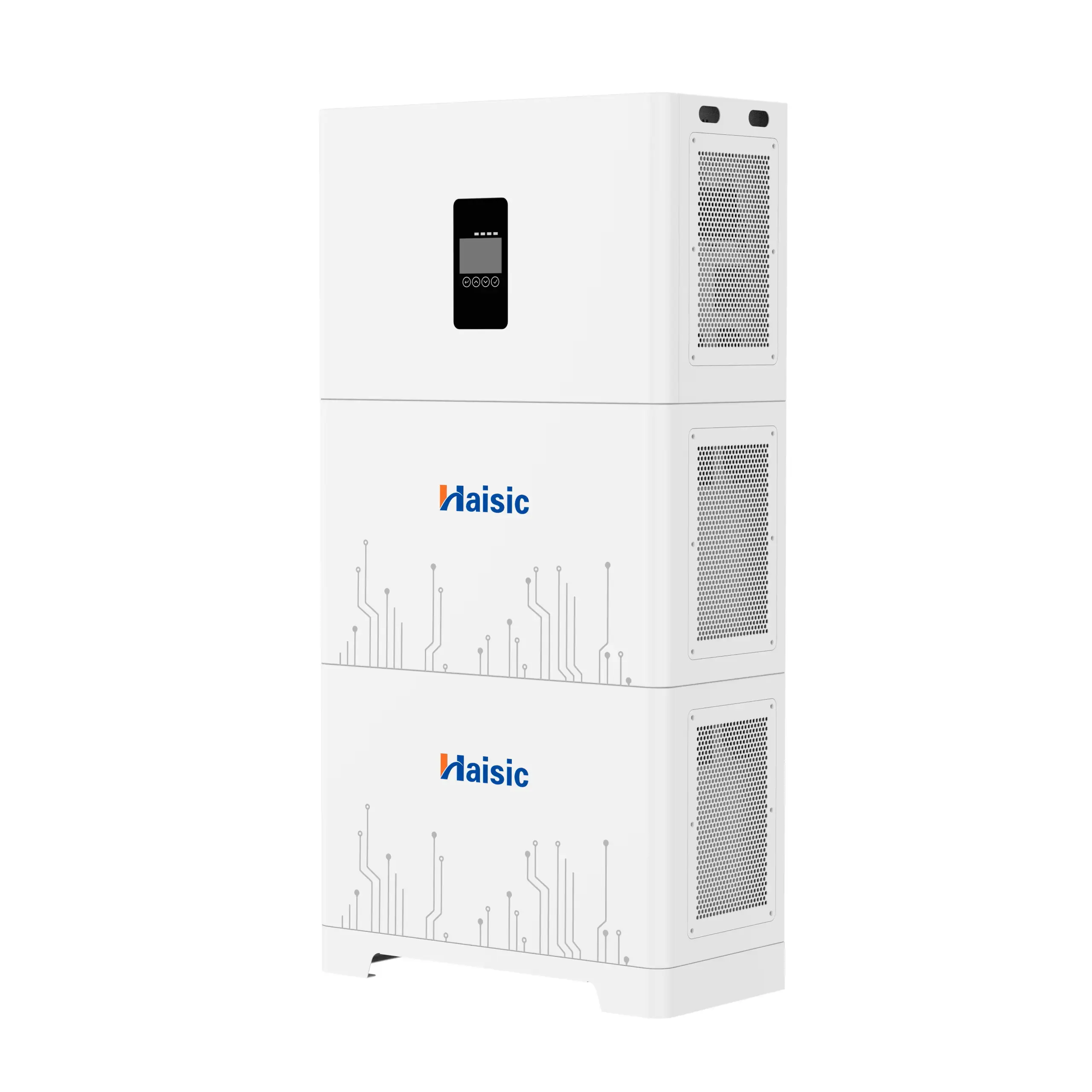
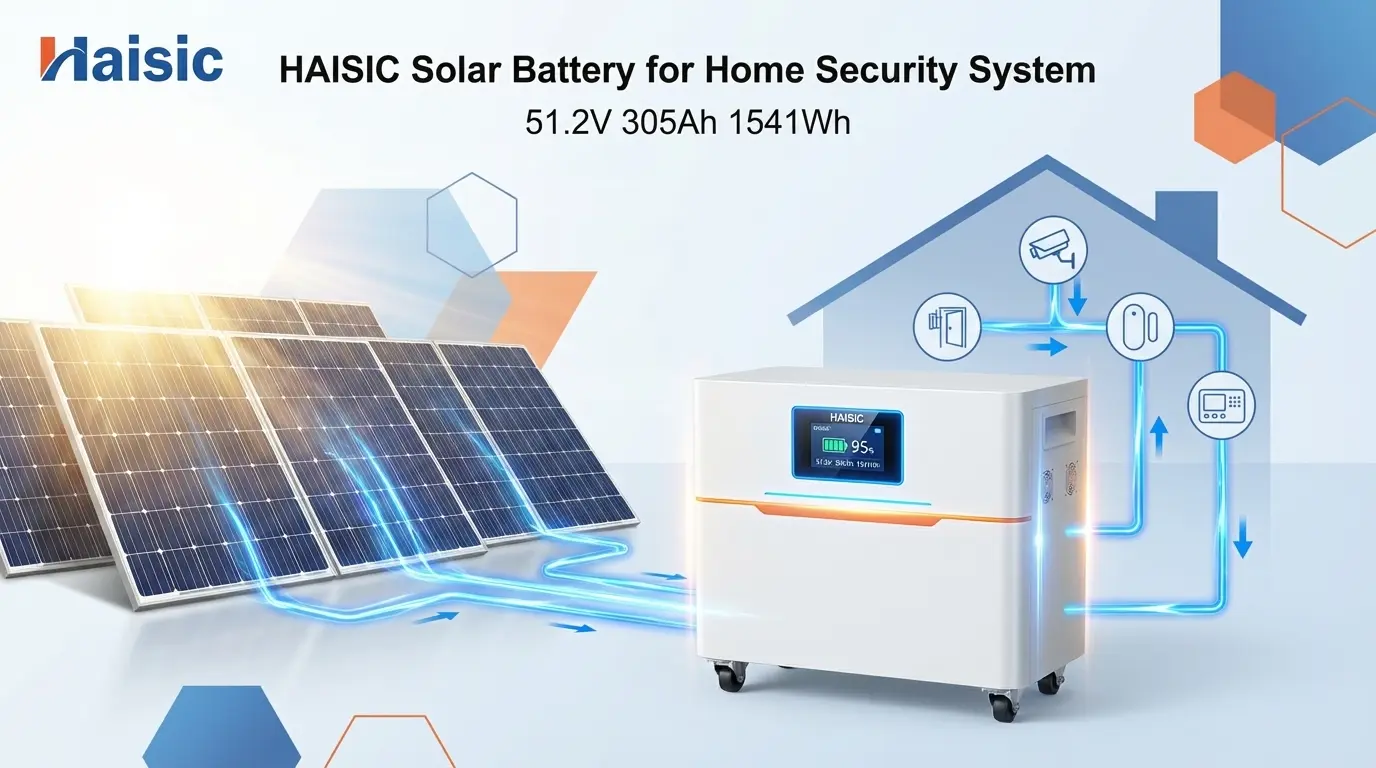
To maintain a truly secure perimeter, we provide robust home security backup power supply solutions through our Residential Energy Storage Systems (ESS). These systems are designed to handle the entire security load that a small internal panel battery cannot manage.
- CCTV Backup Power System: Keep high-definition cameras and NVRs recording 24/7 without interruption.
- Network Continuity: Power your routers and switches so that mobile alerts and remote monitoring stay active.
- Smart Access Control: Ensure smart locks, video doorbells, and automated gates remain fully functional.
- Scalable Capacity: From compact 5kWh units to large-scale 26.88kWh high-voltage systems, we provide the right scale for any residential setup.
Solar Integration and Energy Independence
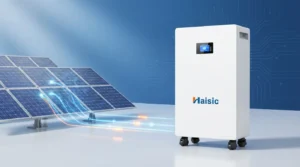
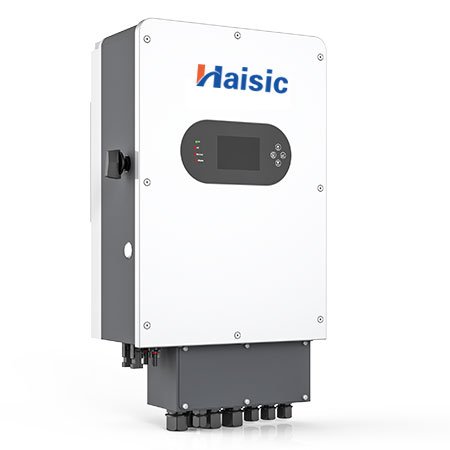
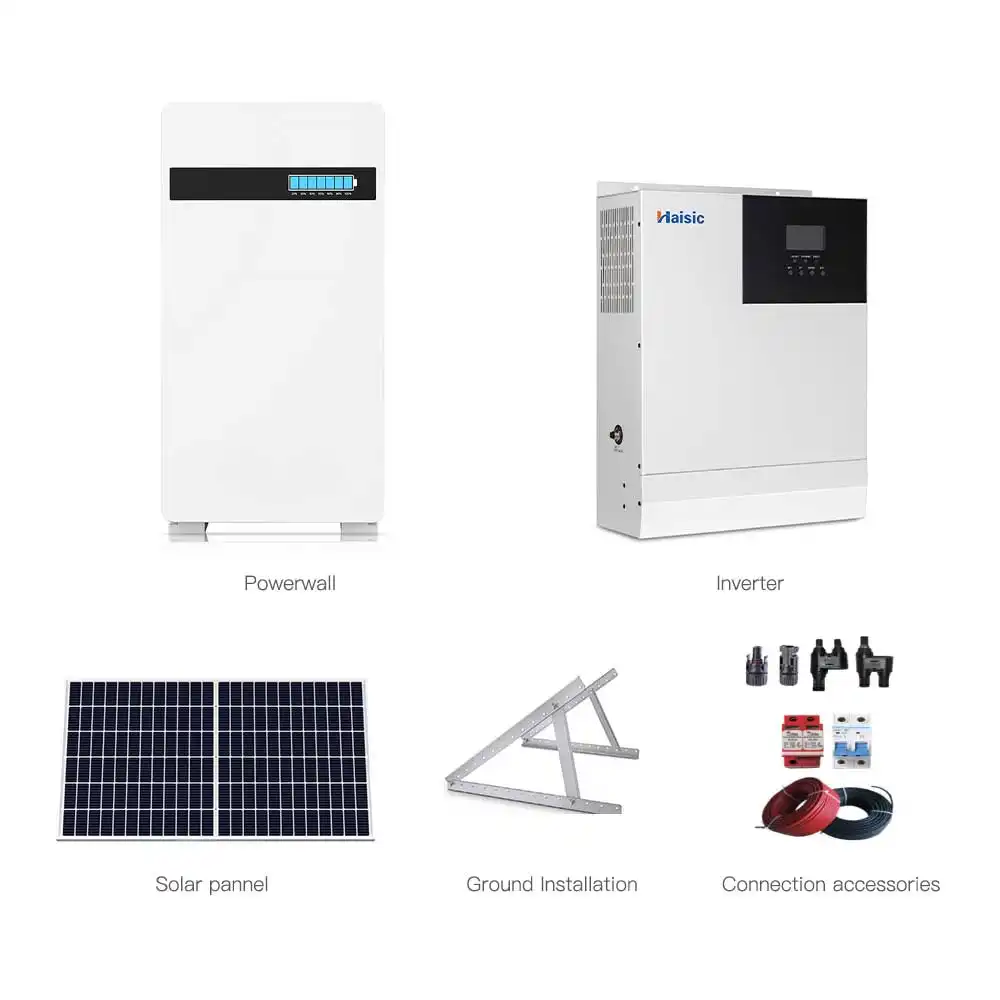
For homeowners seeking total reliability, pairing our LiFePO4 battery packs with a hybrid solar inverter creates a self-sustaining security loop. This configuration utilizes solar energy storage for home security, charging the batteries during the day to ensure a deep cycle battery for security cameras and sensors is always ready for the night.
By selecting the best solar battery for your needs, you eliminate the risks associated with grid instability. Our LiFePO4 technology, backed by over 6,000 charge cycles and integrated Smart BMS, ensures that your security ecosystem remains the most reliable part of your home infrastructure. This professional-grade integration provides a seamless transition from grid to backup, keeping your family safe regardless of external power conditions.
How to Safely Replace Your Alarm Panel Battery (Step-by-Step)
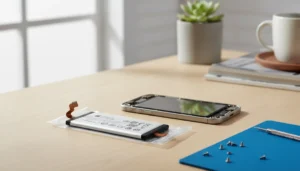
We know that swapping out the battery for home security system panels can feel intimidating, but it doesn\’t require a costly technician visit. You can easily handle a 12V alarm battery replacement yourself. To keep your home security backup power supply running smoothly and safely, simply follow these straightforward steps:
- Step 1: Activate Test Mode
Before touching any wires, we strongly recommend calling your monitoring company to put your system on test mode. This prevents false alarms and stops emergency services from being dispatched accidentally. - Step 2: Open the Control Panel
Carefully open the main panel box. Be aware of the tamper switch inside; it might trigger a local beep when the door opens, which is a completely normal security feature. - Step 3: Disconnect the Old Battery
Always disconnect the power safely to avoid sparks. Gently pull off the Black (Negative) wire first, followed by the Red (Positive) wire. - Step 4: Connect the New Battery
Take your new rechargeable battery for alarm panel and reverse the previous step. Slide the Red wire onto the Red (Positive) terminal first, then connect the Black wire to the Black (Negative) terminal. Make sure the connections are tight and secure. - Step 5: Close the Panel and Reset
Shut the panel door securely. You will likely need to enter your master code on the keypad to clear the low battery warning and fully reset the system.
While replacing a small panel battery keeps your basic sensors active, keeping your entire security network online during extended outages requires significantly more capacity. If you want to keep power-hungry CCTV cameras, smart locks, and Wi-Fi routers running seamlessly, integrating a dedicated home battery backup ensures your property stays fully protected no matter what happens to the main grid.
Why Choose Haisic for Your Security Power Needs?
When it comes to protecting your property, a reliable battery for home security system setups is non-negotiable. As a global solar energy storage battery manufacturer, we build power solutions designed to keep your alarms, cameras, and sensors running without interruption.
Here is why homeowners and distributors trust our technology for their home security backup power supply:
- 15+ Years of LiFePO4 R&D: We do not rely on outdated tech. Our engineering team has spent over a decade and a half perfecting Lithium Iron Phosphate (LiFePO4) chemistry. This delivers a long lasting security system battery capable of 6,000+ charge cycles with zero maintenance.
- Intelligent Monitoring: Every unit includes an advanced battery management system BMS. This smart algorithm optimizes daily power usage, prevents overcharging, and ensures a highly stable power source for sensitive security electronics.
- Global Safety Standards: We manufacture out of our proprietary 11,000m² ISO-certified facility. Our batteries are backed by rigorous international certifications, including CE, FCC, RoHS, and UN38.3, guaranteeing absolute safety inside your home.
If you are moving beyond a simple panel battery and need to keep heavy-duty CCTV networks, routers, and smart locks online during extended outages, upgrading to a full-scale residential energy storage system provides total energy independence.
The Haisic Advantage
| Feature | The Haisic Standard | Benefit for Home Security |
|---|---|---|
| Lifespan | 6,000+ Charge Cycles | Decades of reliable backup power without replacement costs. |
| Safety Tech | Smart BMS Integration | Actively protects against short circuits and grid instability. |
| Certifications | ISO, CE, FCC, UN38.3 | Proven, globally tested safety for indoor residential setups. |
| Manufacturing | 15+ Years OEM/ODM Experience | Professional-grade builds direct from the manufacturer. |
Frequently Asked Questions (FAQs)
How long does a home security battery last?
A standard lead-acid battery typically lasts 3 to 5 years before it loses the ability to hold a charge. However, upgrading to a LiFePO4 battery for home security system use significantly extends this window. Our lithium solutions are engineered for over 6,000 charge cycles, meaning they can provide reliable backup power for a decade or more under normal conditions.
Can I use a higher Ah battery in my alarm panel?
Yes, as long as the voltage (typically 12V) matches and the battery physically fits inside the housing. Increasing the Amp Hours (Ah)—for example, moving from a 5Ah to a 7Ah or 10Ah battery—simply provides a longer home security backup power supply during an extended blackout. It does not damage the system; it just gives your sensors more \”run time.\”
Why is my alarm system still beeping after replacing the battery?
Most panels require a manual reset or a system test to clear the \”Low Battery\” code. If the beeping persists, check the terminal connections for corrosion or ensure the new battery is fully charged. In some cases, it can take up to 24 hours for the panel to recognize the new power levels and stop the alert.
Can I replace an SLA alarm battery with a lithium one?
Absolutely. A 12V lithium drop-in replacement is the most efficient way to modernize your setup. Because our LiFePO4 batteries include an integrated Battery Management System (BMS), they handle charging and safety internally, making them compatible with most standard alarm panels. For those looking to protect more than just the sensors, integrating a residential solar battery system ensures that your cameras, routers, and entire security ecosystem remain online during total grid failure.