

What is the Average Cost of a 20kW Solar System?
If you are running a large property or a commercial operation, you already know that high energy demands require serious power. The very first question I always get asked is about the bottom line: what is the actual 20kw solar system cost?
Let\’s skip the fluff and look directly at the hard numbers. While pricing fluctuates based on your location, labor rates, and equipment choices, here is the baseline financial data you need to know.
20kW Solar Panel Price Breakdown
| Cost Metric | Average Price Range | What It Means For You |
|---|---|---|
| Gross Cost | $45,000 – $60,000 | The total upfront sticker price before any incentives or rebates are applied. |
| Net Cost | $31,500 – $42,000 | Your actual cost after factoring in the 30% federal solar tax credit 2026. |
| Cost Per Watt | $2.50 – $3.20 / watt | The standard benchmark to ensure you are getting a fair market rate. |
Understanding the Financials
- Gross Cost Benchmarks: Generating a massive 20 kilowatt solar system output requires heavy-duty infrastructure. Nationally, the average pre-incentive price lands between $45,000 and $60,000.
- Net Cost and Tax Credits: You should never evaluate your ROI based on the gross cost. By leveraging the 30% Federal Investment Tax Credit (ITC) or local equivalents, your net investment drops substantially. For example, a $50,000 system yields a $15,000 tax credit, bringing your net cost down to $35,000.
- The Cost Per Watt Metric: I highly recommend evaluating quotes based on the cost per watt. At $2.50 to $3.20 per watt, this metric allows you to easily scale and compare quotes. Whether you are weighing your 20kW solar panel price against a smaller 12kw solar system cost or a 10 kw solar system cost, the per-watt baseline instantly reveals if a contractor is overcharging.
Itemized Cost Breakdown: Where Does Your Money Go?
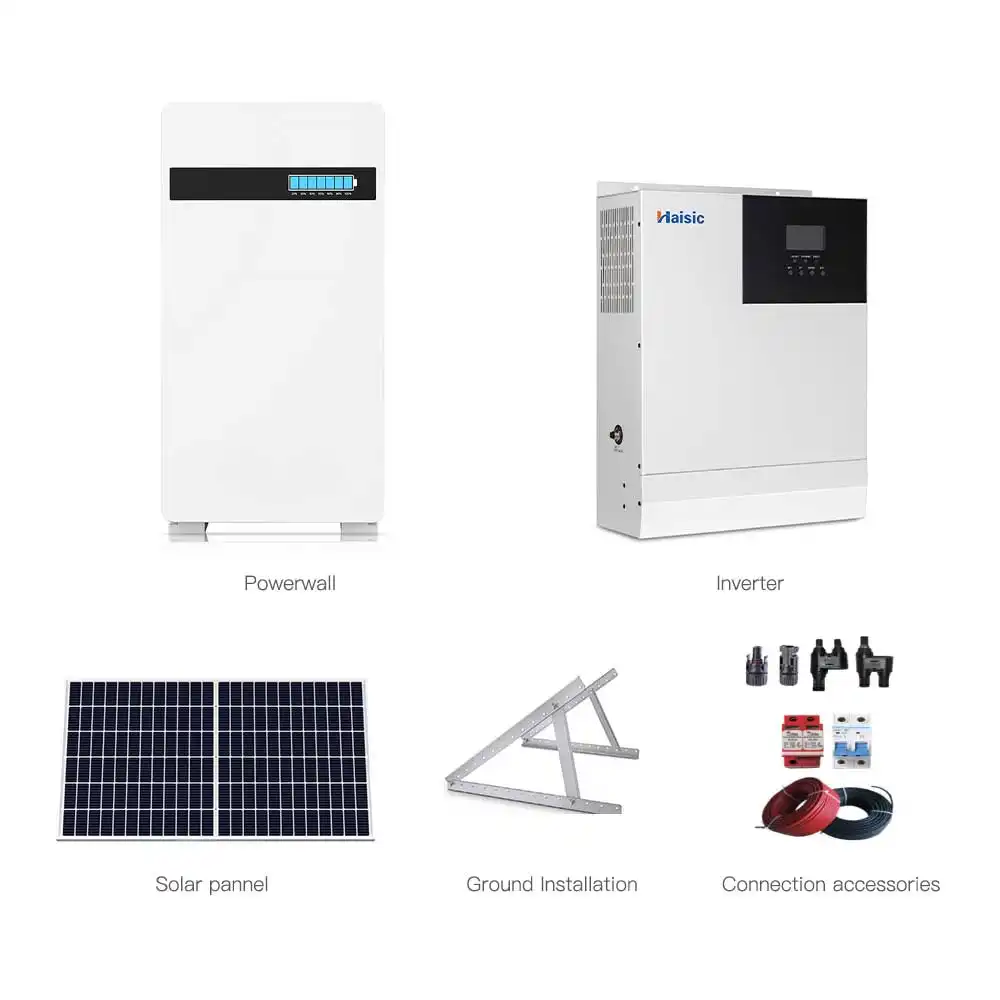
When you look at the total 20kw solar system cost, it helps to see exactly what you are paying for. A system of this size is a significant investment, and the price tag is driven by four main components: panels, inverters, labor, and storage.
Solar Panels
The bulk of the hardware cost often comes from the panels themselves. You generally have two choices:
- Monocrystalline: These are more efficient and space-saving but come with a higher price tag. For a 20kW array, you want high efficiency to minimize the roof space needed.
- Polycrystalline: These are cheaper but less efficient. You will need more of them to hit that 20kW target, which might not be feasible for standard residential roofs.
Inverters
The inverter is the brain of the operation, converting DC power from the panels into usable AC power.
- String Inverters: The traditional, lower-cost option.
- Microinverters: More expensive per watt but offer panel-level optimization.
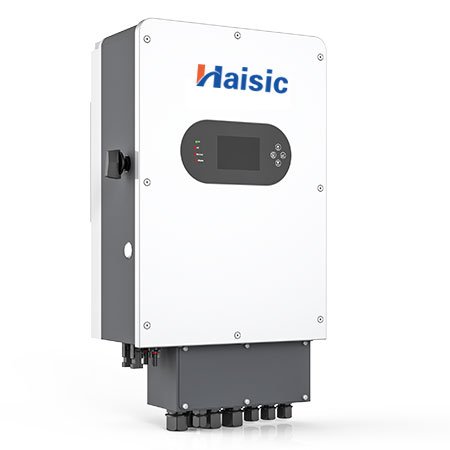
- Hybrid Solar Inverters: This is where we see the most value for modern systems. A 3kW-12kW hybrid solar inverter manages both solar input and battery storage simultaneously. For a 20kW system, you might parallel two 10kW or 12kW units. These are essential if you plan to add batteries later or want backup power immediately.
Labor & Permits
Don\’t overlook the \”soft costs.\” Professional installation for a high-voltage system isn\’t a DIY job.
- Installation Labor: A 20kW system requires significant electrical work, racking installation, and wiring.
- Permitting: Municipal permits and utility interconnection fees vary wildly by location but are mandatory.
- Electrical Upgrades: Older properties may need a main panel upgrade to handle the increased amperage.
Energy Storage (The Haisic Advantage)
A 20kW system generates a massive amount of power—often more than a home or small business can use instantly during the day. Without storage, that excess energy is sent back to the grid (often for pennies).
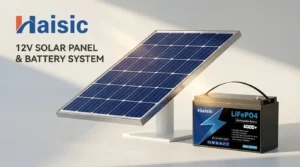
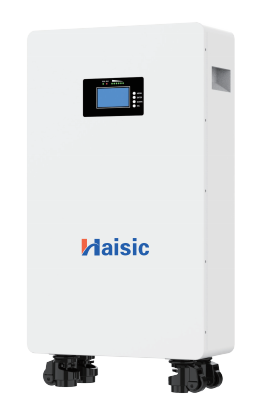
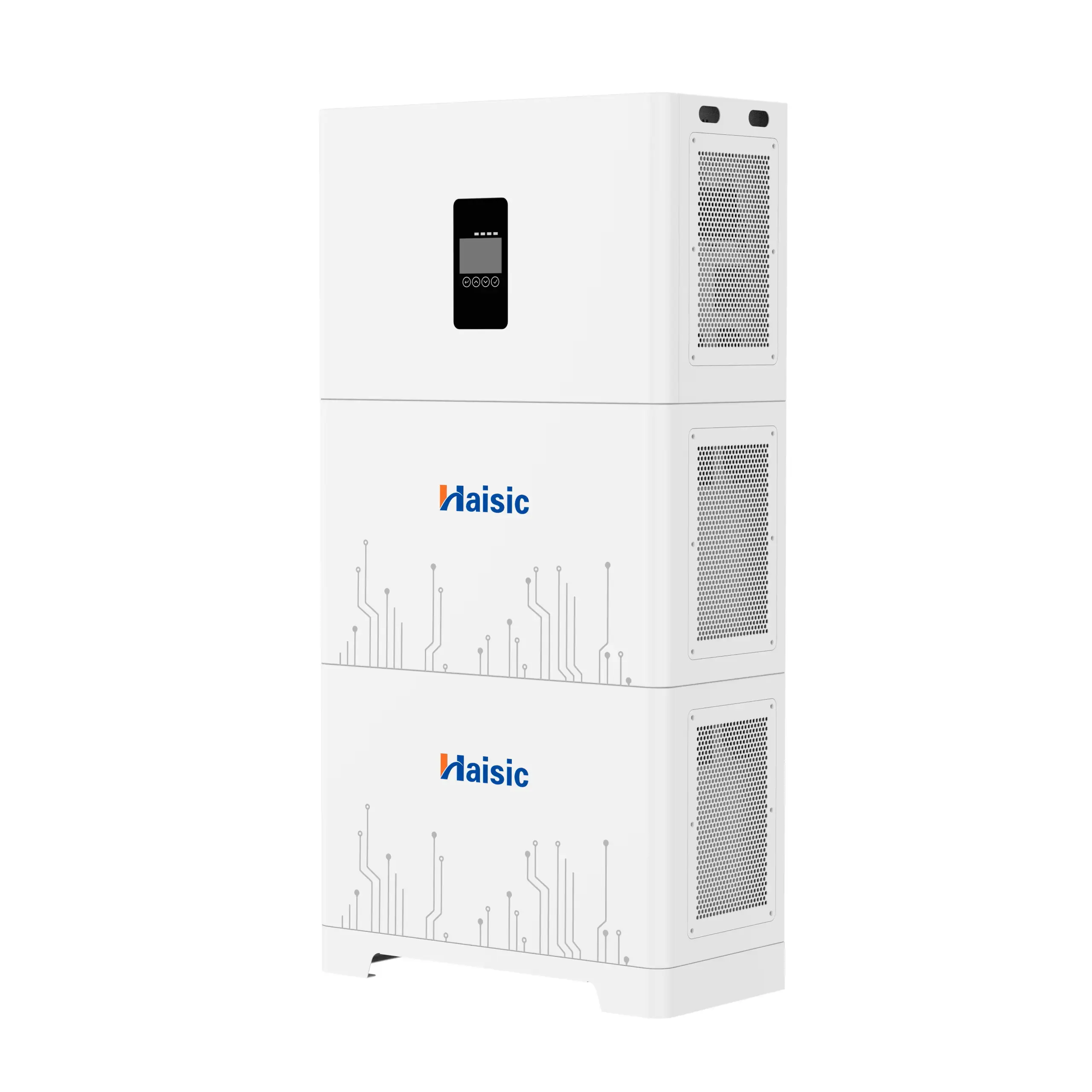
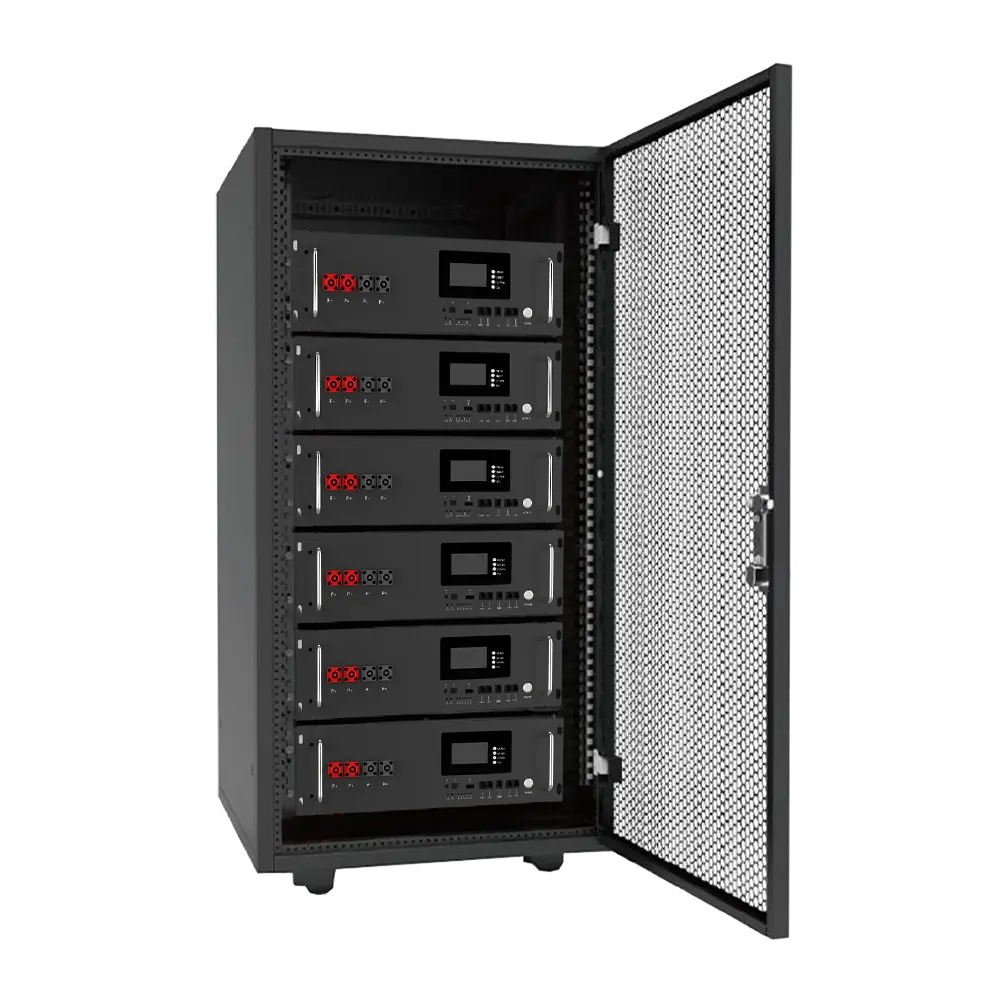
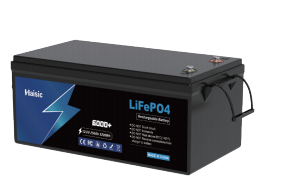
To truly maximize the value of a 20kW setup, you need robust battery backup. We recommend integrating a 51.2V 20kWh LiFePO4 Home Energy Storage System. This allows you to capture that excess daytime generation and use it at night or during outages. Our residential solar energy storage solutions use Lithium Iron Phosphate chemistry, which is safer and lasts longer (6,000+ cycles) than older lead-acid or ternary lithium options. Adding storage increases the upfront cost but drastically improves ROI by reducing grid reliance.
What Can a 20kW Solar System Actually Power?
When I talk to clients about the 20kw solar system cost, the first question is always about capacity. A system of this size is a serious energy powerhouse, built to handle extreme electrical loads.
20 Kilowatt Solar System Output
Depending on your local peak sun hours, you can expect an average daily production of 80 to 100 kWh. This massive generation turns the system from a simple bill-reducer into a complete energy independence tool.
Heavy-Duty Residential Applications
For residential properties, this setup is designed for high-consumption lifestyles. It easily supports:
- Large Estates: Homes exceeding 4,000 square feet running multiple demanding appliances.
- Dual EV Charging: Consistently charging two electric vehicles daily without straining the grid.
- Heavy HVAC Systems: Running multi-zone central air conditioning around the clock during peak summer months.
- Luxury Amenities: Powering heated pools, large hot tubs, and heavy-duty well pumps.
To capture all this excess daytime energy, I always recommend integrating a reliable solar battery bank for home to keep your property running smoothly through the night and during severe weather.
Commercial and Agricultural Use Cases
Beyond large homes, a 20kW system is the perfect workhorse for small businesses aiming to slash operational costs.
- Small Manufacturing Shops: Running heavy tools, welders, and fabrication machinery.
- Agricultural Operations: Powering irrigation pumps, greenhouse climate controls, and barn ventilation.
- Retail Storefronts: Offsetting the high, constant energy draw of commercial lighting and refrigeration units.
For commercial setups, downtime means lost money. Pairing your solar array with a large-scale battery energy storage system ensures your business operations never skip a beat, maximizing your ROI even when the utility grid drops.
Why Battery Storage is Critical for a 20kW System
When I evaluate a true 20kw solar system cost, I never leave out the battery backup. A massive solar array generates incredible power, but without a place to store it, you are still at the mercy of the grid. Here is exactly why integrating storage is mandatory for a setup of this size.
Grid Reliance vs. Energy Independence
Many people don\’t realize that a standard grid-tied solar system completely shuts down during a power outage. This is a built-in safety feature to protect line workers, but it leaves you in the dark. By integrating reliable solar and energy storage, you break free from grid reliance. Your system seamlessly switches to battery power during blackouts, keeping your home or business running without interruption.
Defeating Peak Rates with Energy Storage
Utility companies love to charge high \”Time-of-Use\” rates in the evening, which happens to be exactly when your solar panels stop producing. A 20kWh home energy storage system fixes this flaw through peak shaving.
- Store daytime power: Capture all the excess energy your 20kW system generates during peak sun hours.
- Discharge at night: Run your heavy loads off the battery in the evening.
- Avoid high bills: Completely bypass the utility company\’s expensive evening peak rates.
The LiFePO4 Advantage
A high-yield 20kW array demands a battery that can keep up. Standard lead-acid just won\’t cut it. Upgrading to a LiFePO4 battery solar system gives you the ultimate performance and safety for heavy daily cycling.
- Massive Lifespan: You get greater than 6,000 charge cycles, meaning your battery will last for well over a decade without degrading.
- Smart BMS Integration: The built-in Battery Management System automatically balances cell voltage and protects the unit from overcharging, deep discharge, and extreme temperatures.
- Certified Safety: With CE and UN38.3 certifications, LiFePO4 chemistry eliminates the risk of thermal runaway or fire hazards.
Pairing your panels with a LiFePO4 solar battery 20kW setup ensures you capture every single watt you produce, maximizing your energy independence and locking in your financial returns.
Financial Returns: ROI and Payback Period
When we evaluate the 20kw solar system cost, the most important metric is how fast that investment pays for itself. Putting money into a system of this size is a highly strategic financial decision for both large residential properties and growing businesses.
20kW Solar System Payback Period
The math behind a high-yield solar setup is incredibly favorable. For most property owners, the typical payback window lands solidly between 5 to 8 years.
- Direct Savings: Your upfront investment is rapidly offset by eliminating or drastically reducing heavy monthly utility bills.
- Free Energy: After crossing the payback threshold, every kilowatt produced is pure profit, delivering decades of free electricity.
Unlocking Positive Cash Flow
Commercial buyers and heavy residential users can structure their financing to make the setup pay for itself immediately.
- Immediate Offset: Monthly energy savings frequently outweigh the cost of system financing, keeping money in your pocket from day one.
- Commercial Solar System ROI: Businesses can leverage tax incentives and depreciation to maximize returns. To see how these figures align with your specific energy demands, you can request a custom quote to map out your exact financial trajectory.
Boosting Property Value
The secondary financial benefit of a permanent solar installation is significant. Adding a reliable 20 kilowatt solar system output to your roof directly increases your real estate value.
- Higher Resale Value: Properties equipped with fully owned, high-capacity solar arrays consistently command a premium on the open market.
- Buyer Demand: Future buyers actively look for properties that offer guaranteed energy independence and permanently low operating costs.
Installation Requirements & Logistics
Wondering about the roof space for 20kW solar arrays? A system of this scale is massive. You need serious real estate to get it up and running safely.
Roof Space Calculation
To generate that much power, expect to allocate between 1,000 to 1,300 square feet of unshaded roof space. Because this footprint is roughly double what you\’d need for a standard home setup, making the jump from a typical 10 kw solar system cost and size to a 20kW beast requires careful spatial planning.
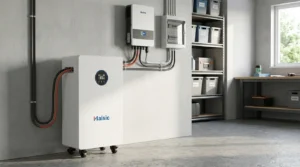
You also need to plan where your inverters and battery backups will live. If you are browsing our energy storage products to pair with your panels, make sure your utility room or garage has adequate wall space and ventilation for the hardware.
Roof Mount vs. Ground Mount
If your roof isn\’t large enough or faces the wrong direction, ground mounts are your best alternative.
| Mount Type | Cost Impact | Efficiency | Best For |
|---|---|---|---|
| Roof Mount | Lower overall 20kw solar system cost | Fixed to your existing roof angle | Large, unshaded south-facing roofs |
| Ground Mount | Higher cost (trenching, custom racks) | Maximum efficiency (ideal angle positioning) | Properties with ample open land |
20kW Solar System DIY vs Professional Installation
When looking at the numbers, you might be tempted to cut corners on the 20kW solar installation labor costs by doing it yourself. We strongly advise against this.
When comparing a 20kW solar system DIY vs professional route, the professional path is virtually mandatory for a system this large.
- Safety Hazards: 20kW setups handle lethal levels of high-voltage electricity.
- Voided Warranties: Most tier-1 panel, inverter, and battery manufacturers will instantly void your warranty if the equipment is not installed by a licensed electrician.
- Grid Compliance: Local municipalities and utility companies require certified electrical work to pass grid-tie inspections and grant permission to operate.
While it adds to your upfront costs, paying for professional labor protects your property, secures your hardware warranties, and guarantees the system runs exactly as designed.
FAQs About 20kW Solar System Costs
Let\’s clear up the most common questions I hear regarding the 20kw solar system cost and how it functions in the real world.
How many solar panels do I need for a 20kW system?
It comes down to the wattage of the panels you choose.
- 400W panels: You will need 50 panels.
- 500W panels: You will need 40 panels.
Make sure you have adequate roof or ground space to handle this massive 20 kilowatt solar system output.
Can a 20kW system take my home completely off-grid?
Absolutely. Building a 20kW off-grid solar system with battery backup is highly effective for large properties. However, generation is only half the battle. To actually cut the cord, you must capture that excess daytime power. Integrating robust LFP energy storage ensures your home stays powered through the night. For a system this size, a 20kWh home energy storage system is the minimum starting point for true independence.
Are there tax credits for 20kW commercial vs. residential systems in 2026?
Yes. The federal solar tax credit 2026 is the single biggest factor in lowering your net expenses.
- Residential: Homeowners can claim the 30% Investment Tax Credit (ITC) to significantly offset the initial 20kW solar panel price.
- Commercial: Businesses get the same 30% ITC, plus they can take advantage of MACRS (Modified Accelerated Cost Recovery System) depreciation, driving the net cost down even further.
What maintenance does a 20kW solar setup require?
Solar requires surprisingly little upkeep.
- Cleaning: Spray down the panels a few times a year to remove dust, leaves, or snow.
- Monitoring: Keep an eye on your monitoring app to ensure the inverter and battery management system are functioning normally.
Whether you are looking at a massive 20kW setup, checking the 12kw solar system cost, or pricing out a 10 kw solar system cost, the low-maintenance reality remains exactly the same. Solid-state technology means no moving parts and minimal ongoing expenses.