
Average Market Cost of a 10 Kilowatt Solar System in 2026
When evaluating energy independence, the first question is always about the bottom line. As a tier-1 solar battery manufacturer and supplier, we track installation economics closely to provide clear, actionable data. In 2026, the 10 kilowatt solar system cost is defined by the industry-standard cost-per-watt metric.
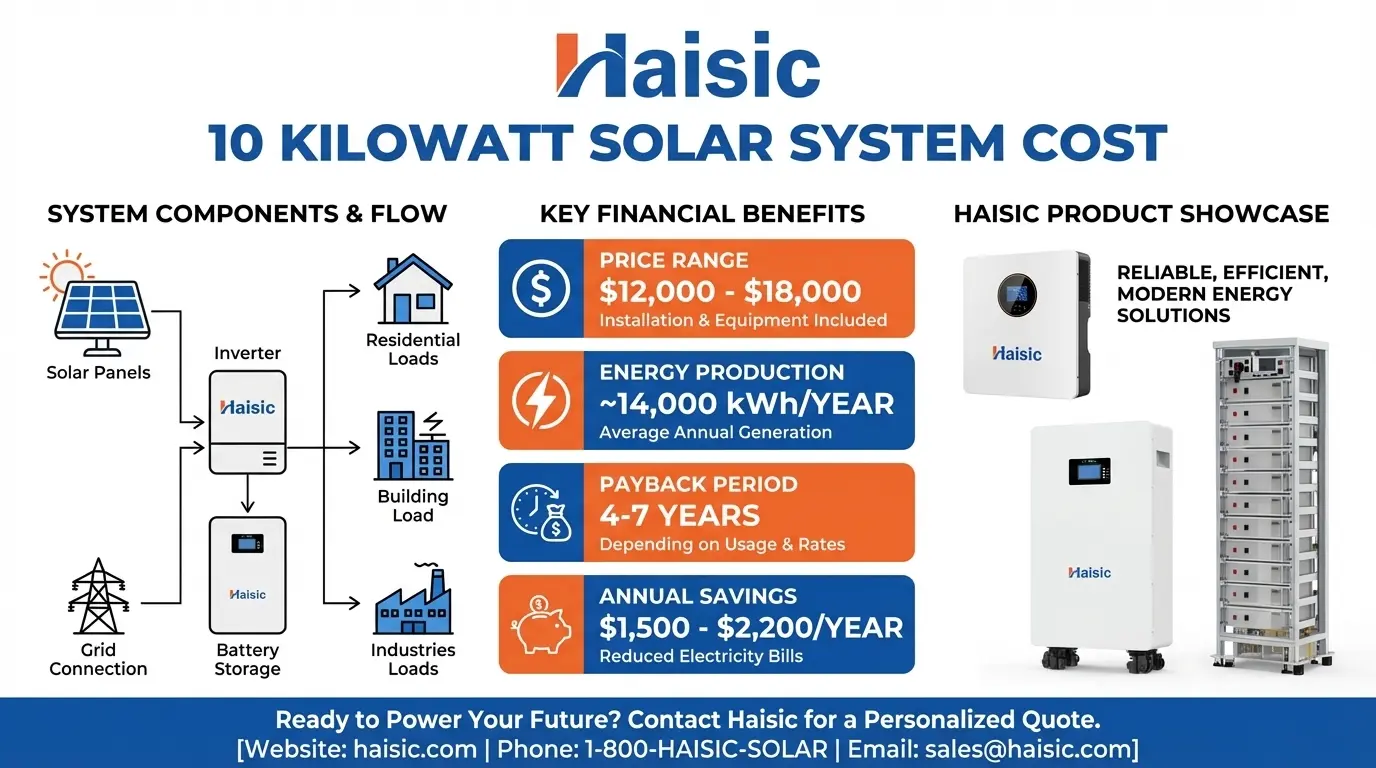
Currently, the US national average ranges between $2.40 and $2.90 per watt before incentives. Here is the baseline financial reality for a standard grid-tied setup:
- Gross System Cost: $24,000 – $29,000
- Federal Tax Credit (30%): -$7,200 to -$8,700
- Net Cost (After ITC): $16,800 – $20,300
The Hardware vs. Soft Costs Divide
To accurately calculate your solar system ROI, you must look beyond the sticker price and understand the invoice breakdown. The total cost of a solar installation is split into two distinct categories:
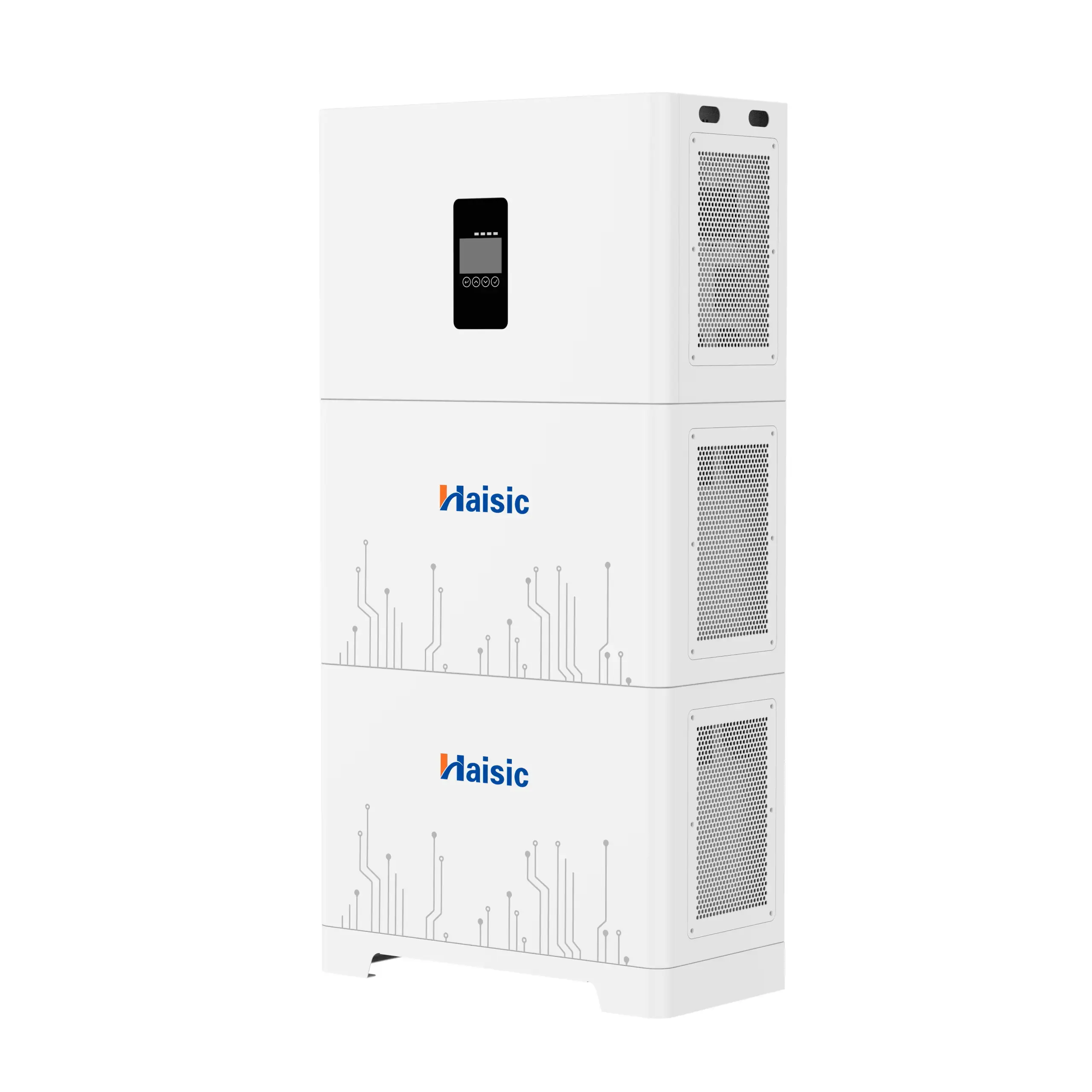
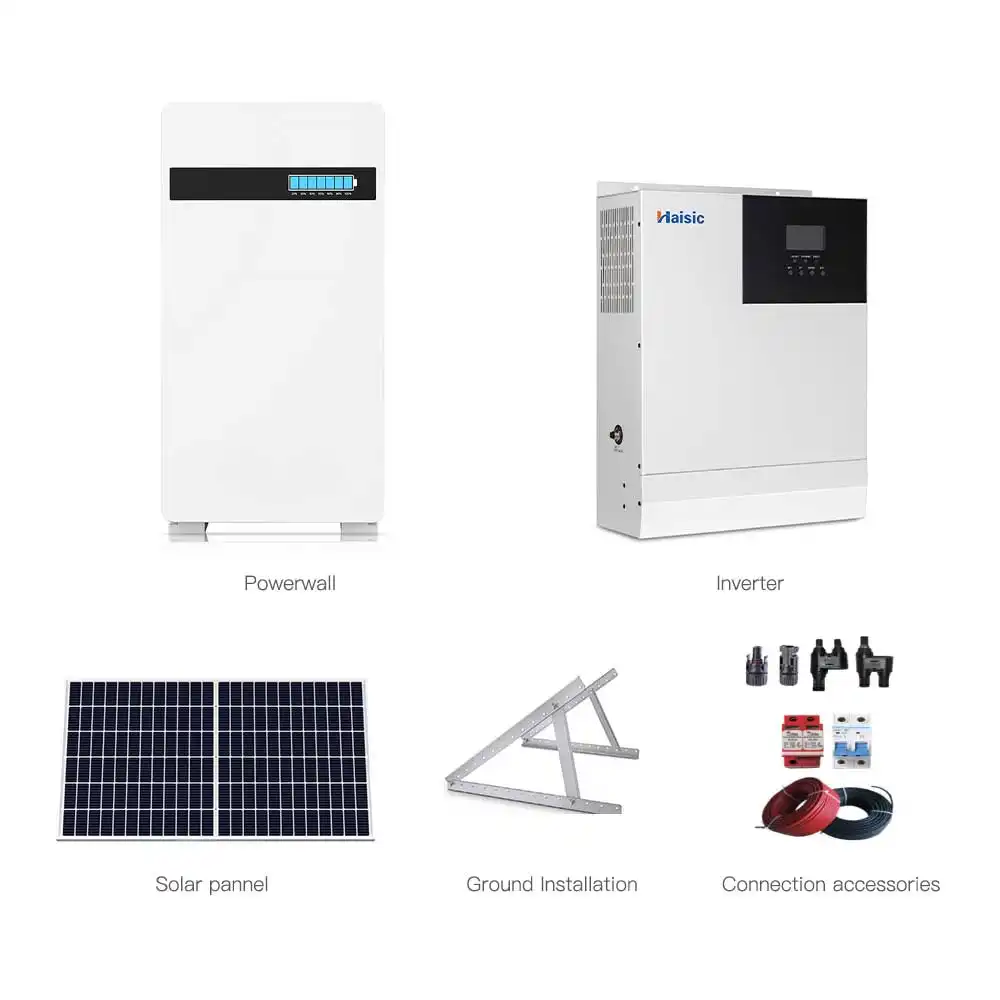
- Hardware Costs (40% – 50%): This is the physical generation and storage infrastructure. It covers the solar panels, the essential 10kw hybrid solar inverter, mounting hardware, and the residential energy storage system cost if you are building a resilient setup. Securing an OEM solar battery factory price directly influences this hard baseline.
- Soft Costs (50% – 60%): These are the operational expenses that drastically inflate retail pricing. This segment includes installation labor, local permitting fees, grid interconnection, overhead, and the significant marketing markups applied by middleman installation companies.
The Hardware Breakdown: What Are You Actually Paying For?
When we break down a typical 10 kilowatt solar system cost, we see that the bulk of your investment goes directly into the hardware. Understanding what components make up this setup helps you see exactly where your money goes and where you absolutely shouldn\’t cut corners.
Solar Panels: The Generation Layer
The panels sitting on your roof are just the first step. For a 10kW array, we generally look at two main options:
- Monocrystalline panels: These offer higher efficiency and a smaller footprint, though they carry a slightly higher upfront price tag.
- Polycrystalline panels: These are more budget-friendly but are less efficient, meaning you will need more roof space to hit your target capacity.
The Brain of the System: 10kW Hybrid Solar Inverter
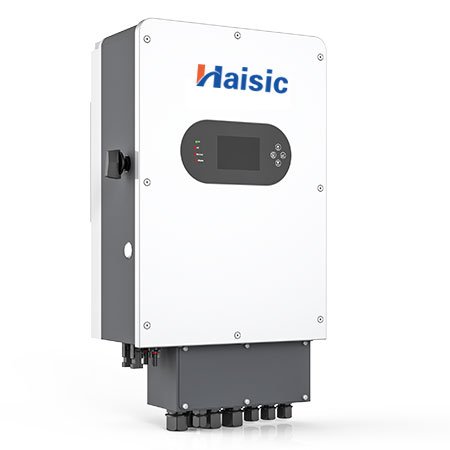
Your inverter completely dictates your system\’s efficiency and capabilities. This is why we always recommend investing in a high-quality 10kW hybrid solar inverter right from the start. A robust, IP65-rated hybrid unit easily handles both On-Grid and Off-Grid power flows.
When evaluating these units, you want one that delivers a Pure Sine Wave, includes dual MPPT trackers to maximize solar harvest, and features built-in WiFi/GPRS for real-time monitoring. Most importantly, securing a Tier 1 solar hybrid inverter upfront prevents you from having to buy a whole new inverter later when you decide to transition to a full 10kw solar system with battery backup.
Battery Storage: The Foundation of Energy Independence
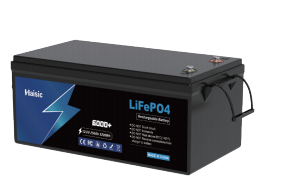
A basic grid-tied system keeps initial costs low, but you are still vulnerable to grid outages. When we look at home battery backup cost, lithium iron phosphate (LiFePO4) technology offers the best economics on the market.
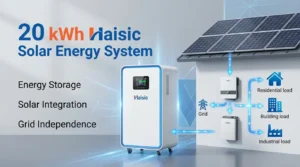
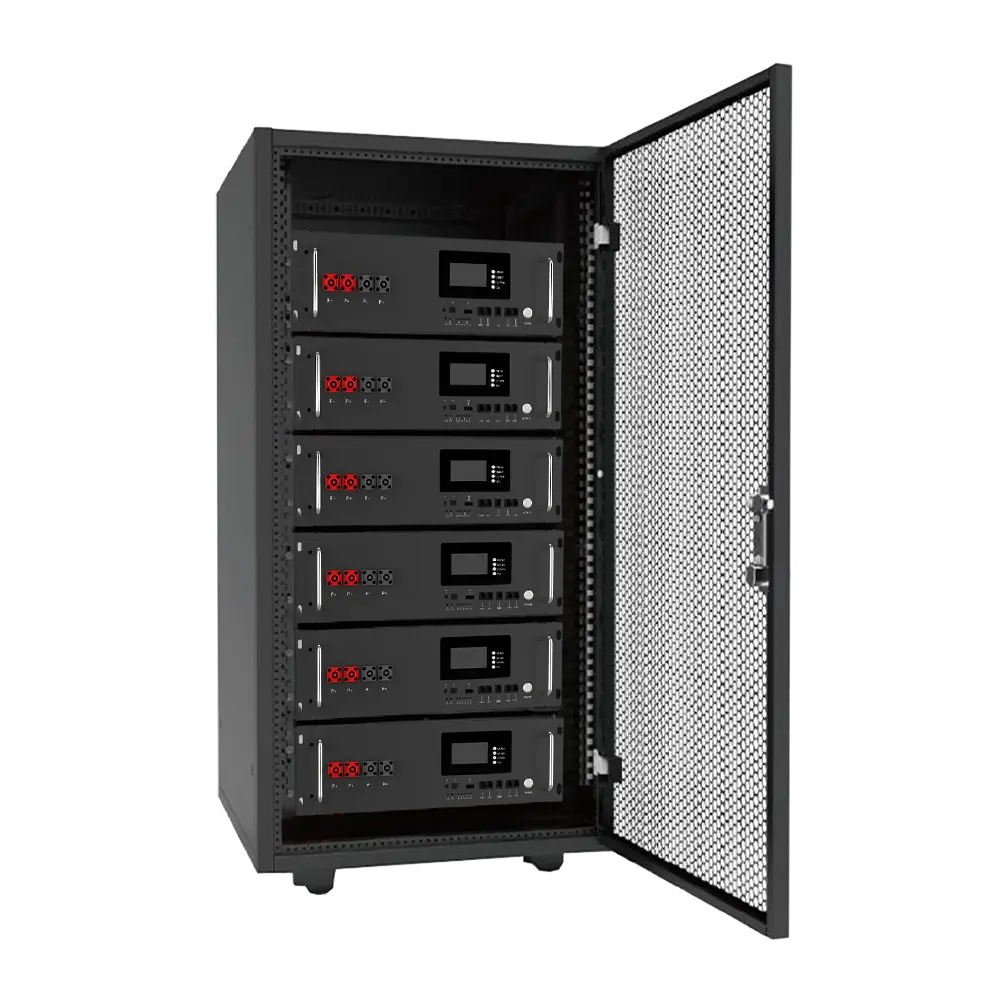
- Modular scalability: Utilizing stackable solar battery storage allows you to build out your capacity exactly as needed, whether you want 10kWh or 20kWh.
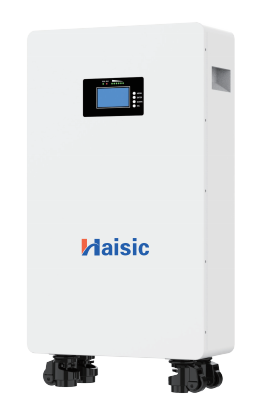
- System efficiency: Integrating a reliable 51.2V LiFePO4 battery ensures stable voltage and high discharge rates for your home or business.
- Lifespan economics: Cheaper lead-acid or low-grade lithium batteries degrade quickly. A premium LiFePO4 energy storage system (ESS) delivers a 6,000+ cycle life. This drastically lowers your long-term replacement expenses, making your total cost of ownership much lower over the next decade.
Hidden Costs and Total Cost of Ownership (TCO)
When evaluating a 10 kilowatt solar system cost, the upfront sticker price is only half the story. The true total cost of ownership solar system calculations must factor in what happens over the next ten to twenty years. We see too many buyers caught off guard by hidden long-term expenses.
Maintenance and Lifespan
Cutting corners on hardware is a costly mistake. Buying cheap components might look like a great deal on your initial quote, but replacing them completely ruins your long-term ROI.
- The 15-Year Trap: Relying on low-grade batteries or budget inverters means early failures. Replacing these inferior components can actually double your actual system cost over a 15-year period.
- The Solution: Invest in premium hardware upfront to eliminate the frustrating cycle of continuous repairs and premature replacements.
The Price of Grid Instability
If the grid goes down and your system lacks adequate storage, you lose money.
- Residential Impact: Factoring in a reliable home battery backup cost is easily offset by the security of keeping your lights on and your food cold during prolonged blackouts.
- Business Impact: For facilities relying on commercial solar energy management, power outages mean immediate lost productivity and revenue. Without a solid energy storage foundation, a standard grid-tied solar setup shuts down entirely during a blackout.
Safety and Compliance
Certified hardware isn\’t just a technical requirement; it is your ultimate financial protection.
- Preventing Disaster: Investing in equipment with strict safety certifications (ISO, CE, FCC, UN38.3) prevents catastrophic hardware failures and fire hazards.
- Insurance Requirements: Cutting costs with unverified, non-certified setups can void your property insurance and fail local permitting.
- Smart Sourcing: Whether you are building a standard residential setup or calculating a custom energy storage system price for a larger facility, always prioritize fully certified hardware. It ensures you pass local building codes on the first try and keeps your insurance policies intact without expensive modifications down the road.
Lowering Your 10 Kilowatt Solar System Cost
You want a reliable energy setup without overpaying. Here is how you keep your overall 10 kilowatt solar system cost down while maintaining premium quality:
Skip the Middleman Markups
A massive portion of standard retail pricing pays for distribution layers, not better technology. When you buy retail, you cover the costs of multiple resellers. Sourcing directly to secure the OEM solar battery factory price eliminates these padded costs, giving you strictly hardware value.
The Factory-Direct Advantage
We operate an 11,000m² production base in Shenzhen, backed by 15 years of dedicated manufacturing expertise. Sourcing straight from an established wholesale energy storage system manufacturer guarantees factory-direct pricing. This structurally lowers the baseline costs for installers and commercial buyers. You get immediate access to a tier 1 solar hybrid inverter and robust energy storage hardware without the inflated retail price tags.
Invest in Scalable Infrastructure
You do not have to buy maximum capacity on day one. Modular designs allow you to spread your investment over time, managing your upfront capital smartly:
- Stackable solar battery storage: Easily expand your capacity by adding individual modules as your energy demands increase.
- Flexible Installations: Choose the form factor that fits your space, whether it is wall-mounted, floor-standing, or rack-mounted.
- Paced Spending: Scaling a modular residential solar energy system means you control your cash flow while building out your ideal home battery backup cost-effectively.